
Welcome to visit AIMA International Group
 Spain
Spain

Your browser version is too low, in order to ensure a better browsing experience,Please click to update to a higher version browser.
Talk about it later.XWelcome to visit AIMA International Group
Spain


.jpg)
Home > News > Industry Trends > Body Filler Manufacturing Considerations: What Separates Premium, Compliant Products From High-Risk Alternatives
Industry TrendsIf you have ever compared two body filler products with near-identical marketed ingredient lists and wondered why one delivers consistent, natural results with minimal adverse events and the other is linked to granulomas, migration, or product recalls, the answer traces back to choices made on the manufacturing floor long before a syringe reaches a clinic. Many new brands entering the body contouring space pour budget into influencer campaigns and clinic outreach, only to face catastrophic setbacks when they skip deep due diligence on production standards.
Take the 2022 case of a fast-growing Spanish aesthetic brand that launched a body contouring filler line with a low-cost contract manufacturer. The brand spent €1.2 million on creator partnerships and clinic onboarding events, only to issue a full market recall six months after launch. Thirty-seven patients reported persistent, painful granulomatous reactions, which independent lab testing traced to non-medical grade, animal-derived hyaluronic acid (HA) used to cut raw material costs. The recall cost the brand more than €2.3 million in patient settlements and regulatory fines, and it took 18 months of transparent corrective action to rebuild trust with clinic partners.
Raw Material Sourcing: The Non-Negotiable Base of Patient Safety
Body fillers differ fundamentally from facial dermal fillers in clinical use. Practitioners typically inject 10–30ml of product per body contouring session, placed in deeper tissue planes, compared to 1–5ml total for most facial treatments. That higher volume and deeper placement means even trace levels of impurities or residual crosslinking agents can trigger widespread, long-lasting adverse reactions that are far harder to resolve than issues with small-volume facial injections.
Premium manufacturers prioritize medical-grade, non-animal sourced HA as a base input. At AIMA International Group Co., Ltd., a medical aesthetic product manufacturer founded in 2003, production teams source HA valued at $45,000 per kilogram, sourced exclusively from suppliers with active CE GMP certification, with third-party testing from SGS conducted for every incoming raw material batch. This non-animal HA carries zero risk of xenoprotein transmission, cutting baseline allergic reaction rates to less than 0.02%, compared to 3–5% for products made with animal-derived or low-purity cosmetic-grade HA. Many low-cost producers cut corners by using cosmetic-grade HA that costs 1/20th the price of medical-grade stock, with unvalidated impurity levels that can trigger chronic inflammation months after injection.
The company’s flagship body contouring filler, Bodyfill, is formulated exclusively with this high-purity HA base, with crosslinking levels calibrated specifically for body tissue rather than repurposed facial filler formulas.
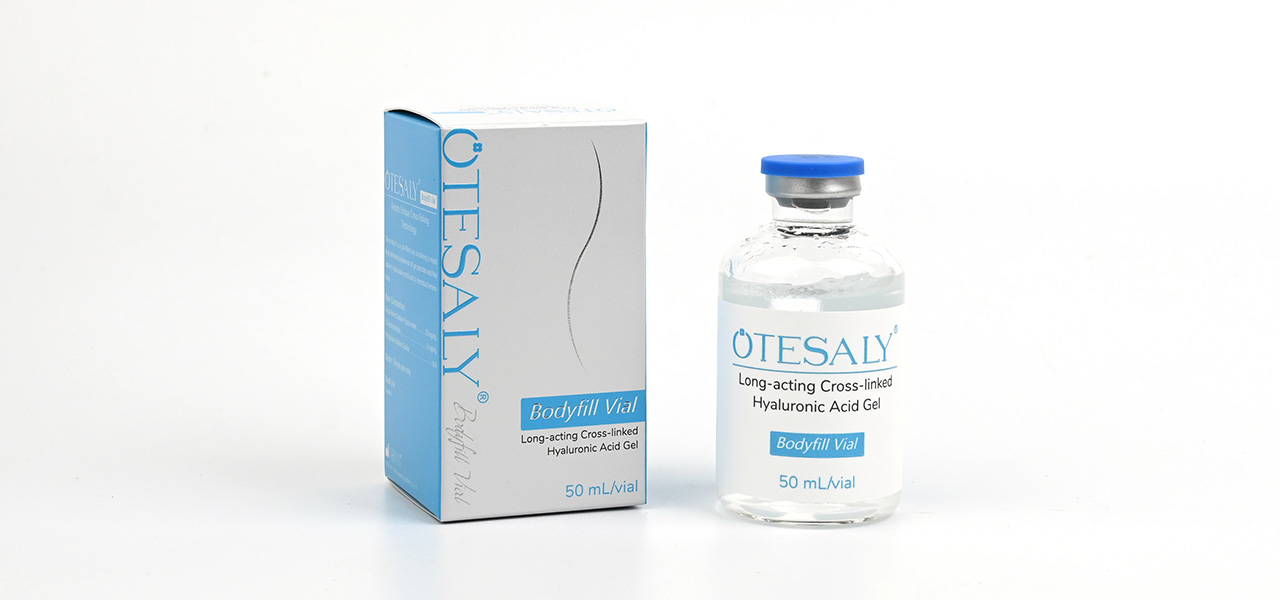
Unlike generic fillers that use a one-size-fits-all crosslinking ratio, Bodyfill’s formulation balances firmness for structural support and softness for natural feel, so it does not feel hard or unnatural under the skin as patients move through daily activity.
Production Environment & Quality Control: Small Lapses, Large Consequences
A large United Arab Emirates-based aesthetic clinic chain learned how much impact clean room standards have on patient safety in 2023. The chain sourced a 2,000-unit batch of body filler from a manufacturer that advertised rock-bottom pricing, without verifying production environment standards. The manufacturer operated in a Class 10,000 clean room—an environment with 100 times the allowable particle count for Class III medical device production—and skipped mandatory batch endotoxin testing to trim three days off delivery timelines. After 420 patients developed widespread inflammation and fever post-injection, testing found endotoxin levels 12 times the allowable safety limit. The chain paused body contouring services across 12 locations for three weeks, issued full refunds to affected patients, and lost an estimated 1,200 high-value, long-term clients to competing clinics.
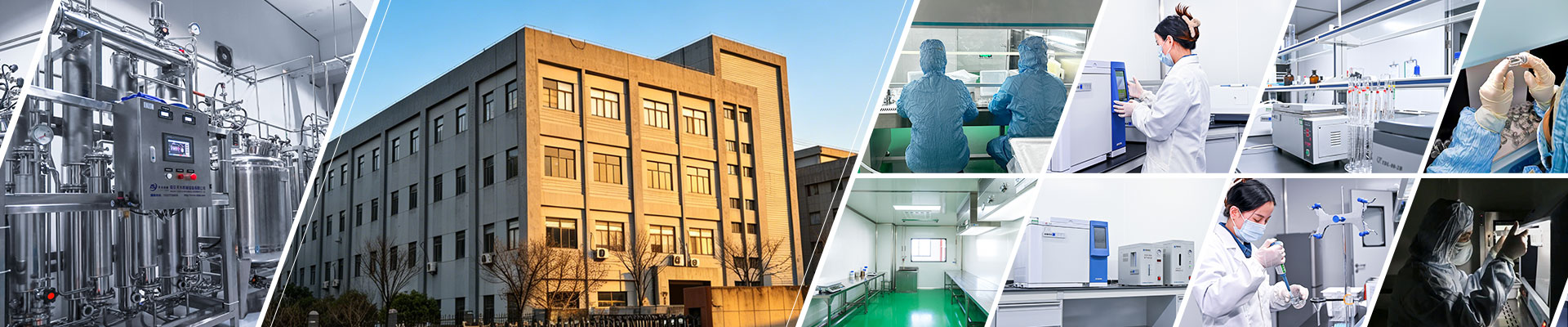
Body fillers are classified as Class III medical devices in most global markets, requiring production in Class 100 GMP clean rooms—environments where no more than 3,520 particles 0.5μm or larger are present per cubic meter of air, the same standard applied to implantable cardiac devices. AIMA operates a 4,800 square meter modern production facility outfitted with Class 100 GMP clean rooms and three dedicated production lines, built to meet these strict requirements.
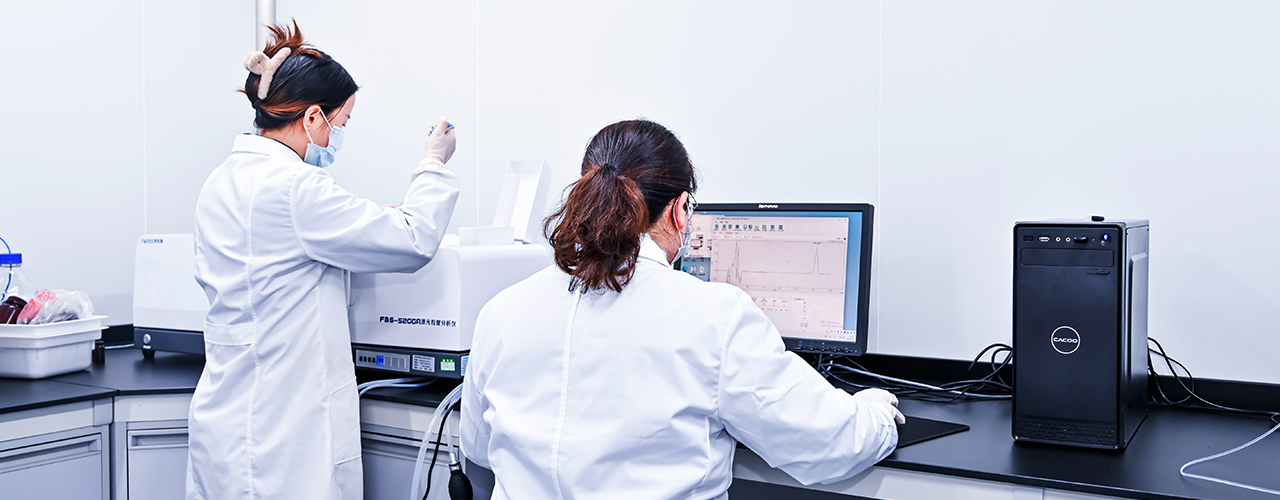
Every production run goes through 17 discrete quality checkpoints, from raw material purity screening to final packaging seal integrity testing. Teams test for endotoxin levels, residual crosslinking agent content, rheological properties (elasticity, cohesivity, viscosity), and sterility before any batch is cleared for distribution. Any batch that fails even one checkpoint is fully destroyed, with zero exceptions for rushed orders or cost considerations. The company holds core patents for two industry-leading production technologies: NASHA (Non-Animal Stabilized Hyaluronic Acid) and HICE (High Internal Phase Crosslinking Emulsification). The NASHA process cuts residual BDDE crosslinker levels to less than 2μg/g, well below the EU CE standard limit of 5μg/g, reducing risk of late-onset inflammation. The HICE process creates a smooth, uniform gel matrix that resists migration even in high-movement body areas like the buttocks, upper arms, and thighs, delivering results that last 12–18 months without lumping or shifting.
R&D Capability: Why Generic Formulas Fall Short for Body Use
Have you ever felt a body filler result that feels rock hard under the skin weeks after injection, or shifts position when a patient sits or moves? That is almost always the result of a common low-tier manufacturer shortcut: taking a standard facial filler formula, changing the product label, and marketing it as a dedicated body filler. This approach ignores the vast differences in tissue structure across body areas: buttock augmentation requires high cohesivity and firm support to hold shape under pressure, hand rejuvenation requires a soft, spreadable gel that moves naturally with delicate hand tissue, and atrophic scar filling requires a precise stiffness that matches surrounding dermal tissue.
AIMA’s R&D team maintains a library of more than 1,000 mature, clinically tested formulations, allowing partners to adjust HA concentration, crosslinking ratio, and gel texture to match specific use cases. For example, the high-support variant of Bodyfill uses 25mg/ml HA for deep tissue contouring of the buttocks and calves, while the soft-touch variant uses 20mg/ml HA for hand rejuvenation and fine line correction on the neck and décolletage. Every custom formulation goes through six months of stability testing and biocompatibility screening before it moves to production, to ensure the gel degrades evenly over time without releasing uneven byproducts that cause inflammation.
Regulatory Compliance: The Documentation That Unlocks Global Market Access
Brands often focus exclusively on unit cost when selecting a manufacturing partner, only to face costly delays when their products are held at customs or rejected by national regulatory bodies because the manufacturer cannot provide required compliance documentation. For EU market access, products need full CE certification under the MDR framework, with complete technical files including clinical evaluation reports, production quality system records, and full product traceability protocols. For US market access, manufacturers need active FDA VCRP registration, with labeling aligned to FDA cosmetic and medical device guidelines. For Middle Eastern and Southeast Asian markets, additional GMP verification and free sale certificates are required for product registration.
AIMA holds the industry honor of being named one of the Top 10 Dermal Filler Manufacturers globally, with a quality management system fully aligned to ISO 13485 standards and production processes that meet Class III medical device manufacturing specifications. The company holds active EU CE certification and US FDA VCRP registration, and provides partners with full compliance documentation packages to streamline product registration in target markets.
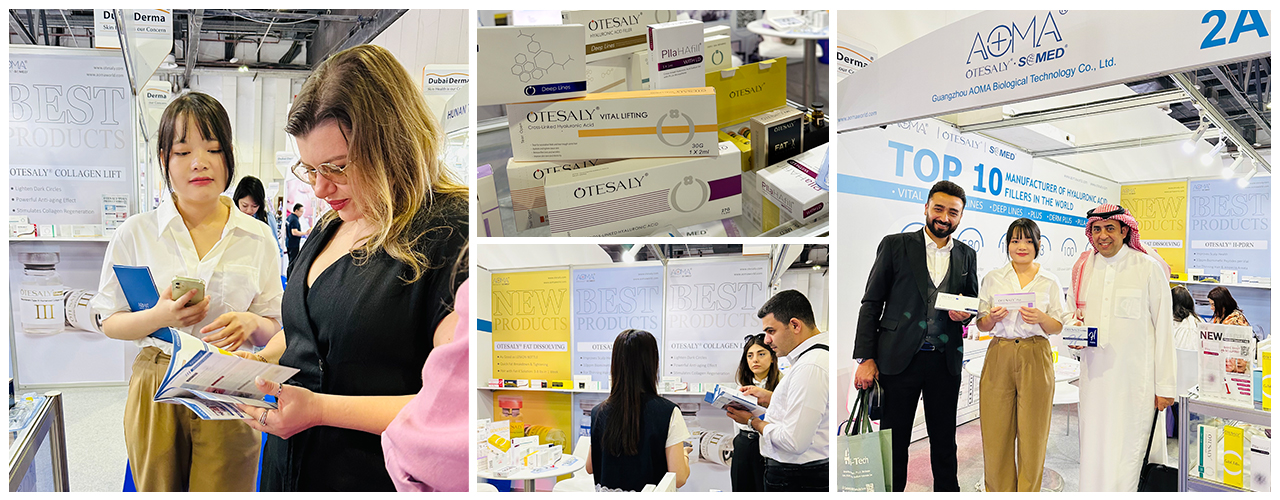
At the 2024 Dubai Beauty Exhibition, AIMA’s team spoke with brand owners from 27 countries, and found nearly 60% of emerging body filler brands had faced product registration delays of three months or longer when working with manufacturers that could not produce complete, audited technical files. These delays often meant brands missed peak seasonal demand for body contouring treatments, which typically spikes 40% in the lead-up to summer.
Production Flexibility & Post-Sale Support For Partners At Every Stage
The body filler market serves a wide range of partners, from independent startup brands testing their first product line to large clinic chains and global aesthetic brands placing orders for hundreds of thousands of units. Many manufacturers enforce rigid, high minimum order quantities that lock out emerging brands, or run limited production capacity that leads to multi-week delays for large orders during peak seasons.
AIMA’s production setup is built to serve partners across that full size spectrum, with an annual production capacity of 5 million units and monthly output of up to 50,000 units. The company offers a no-MOQ-pressure cooperation model for emerging brands, allowing small test batches to validate market fit without large upfront inventory costs, alongside volume-based discounts for large enterprise partners placing bulk orders. Sample orders are delivered in 3–5 working days, with standard bulk order delivery in 15–20 days, and expedited production options available for time-sensitive launches. The OEM/ODM service covers the full brand building process, from brand positioning, logo design, and custom packaging, to tailored formula adjustments and concentration tuning. To date, the team has delivered custom body filler solutions for more than 521 brands across 40+ countries.
Post-delivery support is a frequently overlooked factor in manufacturing partnerships, especially for medical aesthetic wholesale orders. AIMA provides full after-sales support for all partners, including practitioner training resources, adverse event response guidance, and full batch traceability for every unit sold. Each syringe carries a unique traceability code that links back to raw material batches, production staff records, and quality test reports, so any issue can be traced and resolved within 24 hours. The team also provides ongoing regulatory updates as market rules change, helping partners stay compliant as they expand into new regions.
Current industry data pegs global body filler market growth at 12.7% annually, as more consumers seek non-surgical body contouring options with minimal downtime. Independent market audits estimate nearly 30% of body fillers sold globally come from uncertified producers that skip core manufacturing safeguards, selling products at a fraction of the cost of compliant options but carrying high risk of permanent patient harm. For brands building a long-term presence in the space, cutting corners on manufacturing standards may deliver short-term cost savings, but those savings disappear quickly when a recall, regulatory fine, or patient safety incident erodes years of brand building.
Copyright @ 2026 AIMA International Group Co., Ltd.