
Welcome to visit AIMA International Group
 Spain
Spain

Your browser version is too low, in order to ensure a better browsing experience,Please click to update to a higher version browser.
Talk about it later.XWelcome to visit AIMA International Group
Spain


.jpg)
Calcium hydroxylapatite (CaHA) has quietly become one of the most talked-about dermal filler materials in the aesthetic industry over the past two years. While hyaluronic acid still dominates the market with over 78% share, CaHA fillers are carving out a serious niche — especially among clinics and brands that want longer-lasting, biostimulatory results without going surgical. If you are a brand owner or distributor scanning wholesale price lists right now, you have probably noticed that Calcium Hydroxylapatite bulk price has shifted noticeably in 2026. This guide breaks down exactly what is driving those prices, which products to watch, and how to evaluate a CaHA filler supplier without getting burned.
Calcium hydroxylapatite is a naturally occurring mineral compound found in human bone and teeth. In aesthetic medicine, it is suspended in a carboxymethylcellulose gel carrier to create an injectable dermal filler. Unlike hyaluronic acid fillers, which primarily add volume through water attraction, CaHA fillers work on two levels: immediate volumization from the gel carrier, followed by neocollagenesis — your body’s own collagen production triggered by the microspheres. That means results can last 12 to 18 months, sometimes longer, depending on the injection site and patient metabolism.
Here is the thing most buyers overlook: not all CaHA fillers are created equal. The size of the microspheres, the concentration of CaHA in the gel, and the quality of the carrier material all impact clinical performance and, ultimately, your end-customer’s satisfaction. A $20 filler that causes nodules or uneven texture will cost you far more in refunds and reputation damage than a $40 product that delivers consistent, natural-looking results.
I sat across from a clinic owner in Dubai last year who told me she had been sourcing CaHA fillers from three different factories in six months. Her frustration was simple: the prices looked similar on paper, but the clinical outcomes were wildly different. She ended up switching to a GMP-certified Class III manufacturer after discovering two of her previous suppliers could not produce a valid CE certificate or a free sales certificate for her market.
That story is not unique. Here are the real factors that move the needle on Calcium Hydroxylapatite bulk price:
Below are three CaHA and PLLA-CaHA combination fillers currently available from AIMA International’s SOMED and OTESALY product lines, with reference prices from their latest wholesale list.
This is AIMA’s flagship CaHA-only dermal filler, formulated with 2mg/mL calcium hydroxylapatite microspheres suspended in a carboxymethylcellulose gel with lidocaine for patient comfort. The 2mL syringe format is designed for deep injection into the preperiosteal plane, making it suitable for cheek augmentation, jawline contouring, and nasolabial fold correction. The lidocaine infusion (hence the “LD” suffix) eliminates the need for separate nerve blocks in many cases, which is a real time-saver during busy clinic days.
Key specifications:
PllaVolufill takes a slightly different approach. Instead of a traditional CaHA gel, it delivers 360mg of PLLA (poly-L-lactic acid) microspheres in a powder form that requires reconstitution before injection. PLLA is a biostimulatory filler that works by stimulating collagen production over time, making it ideal for volumizing larger areas like the temples, cheeks, and even the buttocks (off-label “PLLA butt lift” has gained significant traction in the Middle East and European markets). The 360mg vial size is specifically designed for body contouring applications.
Key specifications:
This product combines the best of both worlds — PLLA microspheres and hyaluronic acid in a single syringe with lidocaine. The HA component provides immediate volumization, while the PLLA kicks in over the following weeks to stimulate long-term collagen production. The 1mL syringe with lidocaine makes it versatile for facial contouring, lip augmentation, and correction of moderate to severe wrinkles. AIMA markets this as a “Gel Facelift Solution” because the dual-action mechanism can produce results that look like a non-surgical facelift.
Key specifications:
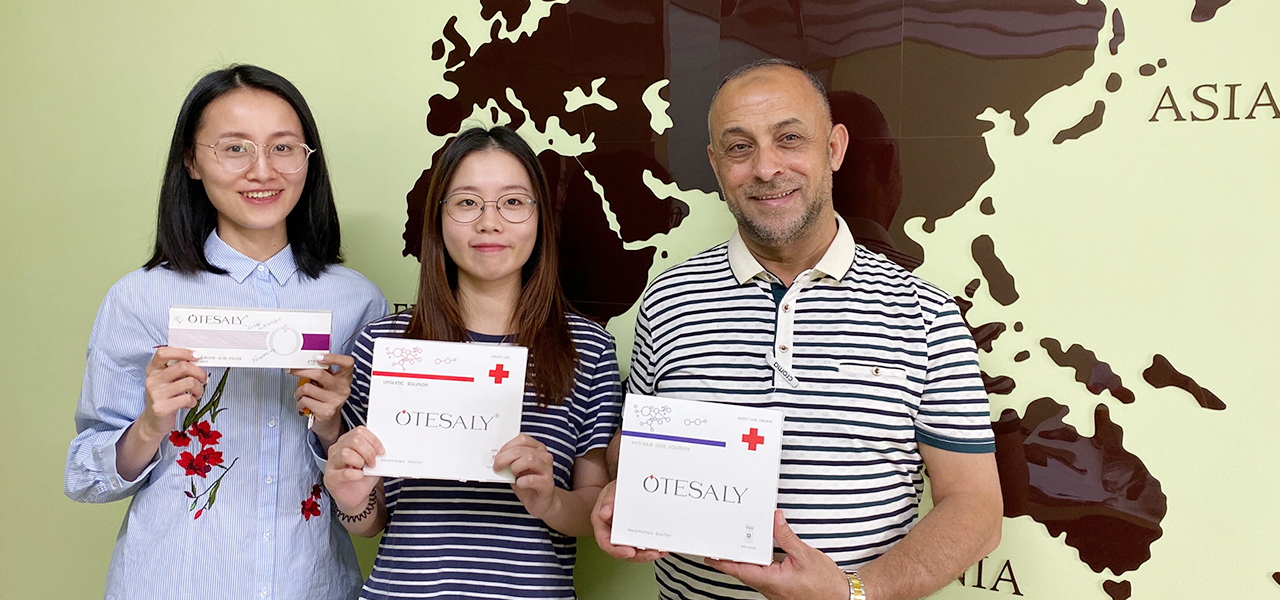
A skin clinic chain in Southeast Asia placed a trial order of 200 units of CaHafill LD from AIMA International after their previous supplier’s batch failed CE SGS testing during customs inspection in their home port. The switch was not just about price — it was about documentation reliability. AIMA provided the full CE certificate, ISO 13485 manufacturing license, GMP audit reports, and free sales certificates within 5 working days. The clinic’s medical director told me: “The price was the same, but the paperwork was what finally convinced us. In this business, paperwork is as important as the product.”
Before signing a purchase agreement, run your potential CaHA supplier through this checklist:
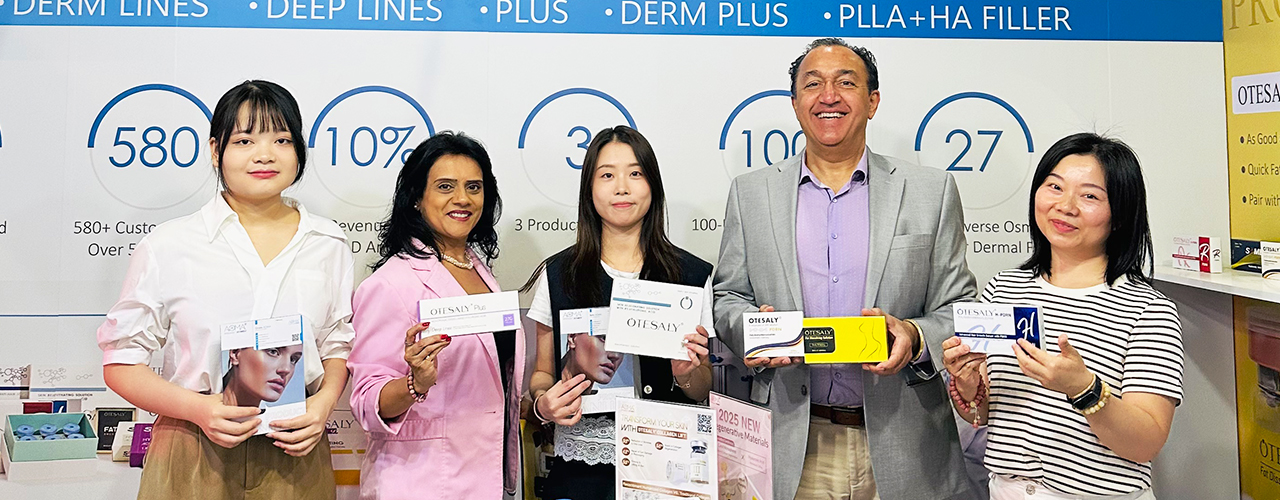
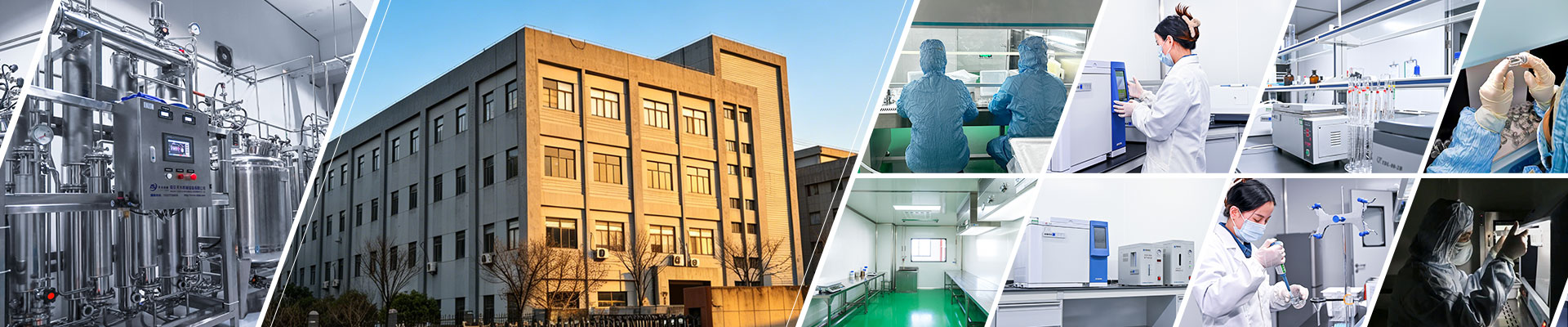
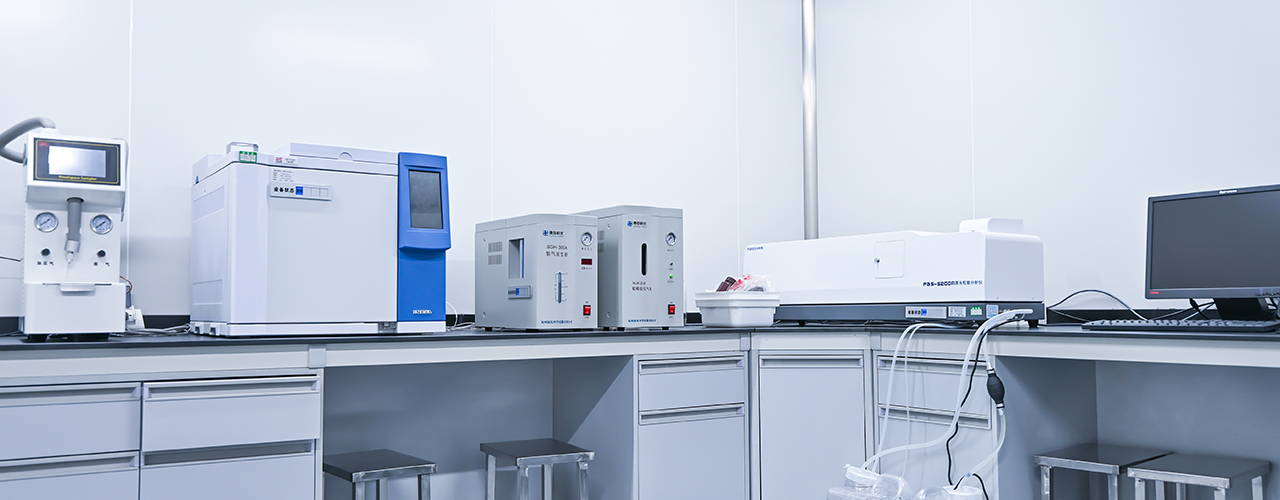
AIMA International has been manufacturing aesthetic medical devices since 2003. Their 4,800m² production base in China houses Class 100 GMP cleanrooms and three dedicated production lines for dermal fillers, mesotherapy, and medical skincare. They deliver 5 million units annually and currently serve 521+ brands across more than 20 countries.
What sets them apart in the CaHA space is their vertical integration. They control everything from raw material sourcing (using only CE GMP-certified suppliers for their CaHA and HA feedstock) to final packaging, with third-party SGS testing at every stage. Their OEM team can produce samples in 3–5 working days and deliver bulk orders within 15–20 days. For emerging brands that cannot commit to large MOQ, AIMA offers low minimum order quantities. For established enterprises, volume discounts kick in automatically.
Based on AIMA International’s latest price list, CaHA and PLLA-CaHA combination fillers are positioned in the $40/pc range for standard syringe and vial formats. This places them in the mid-tier of the global wholesale market — more expensive than basic HA fillers at $30–$50/pc, but significantly cheaper than many European-branded CaHA products that retail at $150–$300 per syringe in end markets.
For brands calculating their margins, here is a quick reference:
These are reference prices only. Actual pricing depends on order volume, packaging requirements, and market-specific regulatory costs.
Q1: What is the typical wholesale price range for Calcium Hydroxylapatite fillers in 2026?
A1: Based on current market data from major manufacturers, CaHA filler wholesale prices range from $30 to $60 per unit for standard 2mL syringes. PLLA-based products like PllaVolufill 360mg typically range from $35 to $50 per vial. Prices depend on certification level, lidocaine inclusion, and order volume.
Q2: How does CaHA filler pricing compare to hyaluronic acid filler pricing?
A2: CaHA fillers generally command a 20–40% premium over standard HA fillers because of the more complex manufacturing process and the biostimulatory value proposition. However, the higher retail price point (often 2–3x HA fillers) means better margins for distributors.
Q3: What certifications are required to import CaHA fillers?
A3: At minimum, you need a valid CE certificate (verified in NANDO database), ISO 13485 manufacturing license, GMP audit report, Certificate of Analysis for each batch, and a Free Sales Certificate. Some markets (USA, Japan, Australia) require additional local regulatory approval (FDA 510(k), PMDA, TGA).
Q4: Can I get private label CaHA fillers with my own brand?
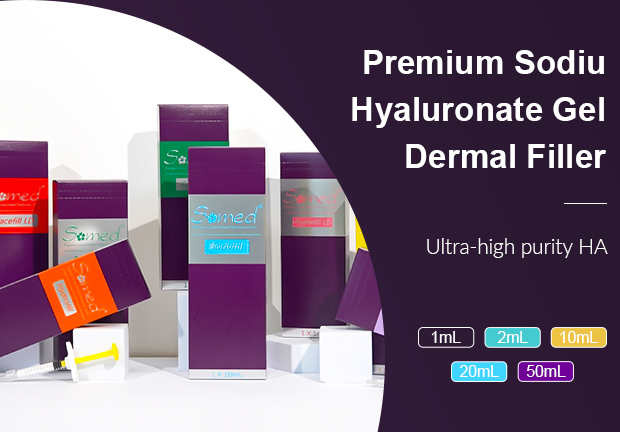
A4: Yes. AIMA International offers full OEM/ODM services including private label branding, custom packaging design, and tailored formula concentration. They support fill options from 1mL to 50mL in both syringes and vials, with low MOQ for emerging brands.
Q5: What is the typical lead time for bulk CaHA filler orders?
A5: Sample orders: 3–5 working days. Bulk orders: 15–20 days depending on quantity and customization requirements. AIMA’s monthly output capacity is up to 50,000 units.
Q6: Are PLLA and CaHA the same thing?
A6: No. PLLA (poly-L-lactic acid) and CaHA (calcium hydroxylapatite) are two different biostimulatory materials. PLLA works purely through collagen stimulation over time, while CaHA provides both immediate volumization (from the gel carrier) and gradual collagen production. Some products like PllaHAfill combine both materials for a dual-action effect.
Q7: How long do CaHA filler results typically last?
A7: CaHA fillers typically last 12–18 months, with some studies showing effects up to 24 months depending on the injection site. PLLA fillers may require a series of treatments but can last up to 2 years as collagen continues to remodel.
Q8: What after-sales support should I expect from a CaHA filler manufacturer?
A8: Reputable manufacturers should provide adverse event reporting support, product recall procedures, technical training for injectors, and responsive customer service. AIMA International offers post-sale technical support and maintains a complaint resolution process aligned with EU MDR 2017/745 requirements.
The Calcium Hydroxylapatite bulk price landscape in 2026 rewards buyers who look beyond the price tag. A $40/pc filler from a Class III GMP-certified manufacturer with full CE documentation and reliable after-sales support will always outperform a cheaper alternative that cannot clear customs or deliver consistent clinical results.
If you are evaluating CaHA filler suppliers, start by requesting their CE certificate, ISO 13485 license, and a sample batch for your own quality verification. AIMA International offers low MOQ trial orders and OEM sampling in 3–5 working days, making it easy to test quality before committing to large volumes.
For wholesale inquiries, pricing, or private label consultation, contact AIMA International directly via WhatsApp at +8613318715339 or email at aomawon@gmail.com. Their team responds within 24 hours and can provide full regulatory documentation packs for your market.
Copyright @ 2026 AIMA International Group Co., Ltd.