
Welcome to visit AIMA International Group
 Spain
Spain

Your browser version is too low, in order to ensure a better browsing experience,Please click to update to a higher version browser.
Talk about it later.XWelcome to visit AIMA International Group
Spain



.jpg)
Home > News > Industry Trends > BDDE Crosslinking in Dermal Fillers: Mechanism, Safety Benchmarks, and Sourcing Guidance for Aesthetic Practices
Industry TrendsHyaluronic acid (HA) dermal fillers account for over 78% of the global aesthetic filler market, and more than 90% of commercially available HA fillers rely on BDDE as their core crosslinking agent. Clinicians, brand owners, and procurement specialists often rank crosslinker type, residual levels, and crosslinking process as top evaluation criteria when selecting products, yet misinformation about BDDE crosslinking runs rampant across the industry. Some brands push misleading marketing framing BDDE as a toxic ingredient to sell overpriced “crosslinker-free” alternatives, while budget suppliers cut corners on purification to offer rock-bottom prices, leaving partners to deal with client complications and reputational damage.
What Exactly Is BDDE Crosslinking, and Why Does It Matter for HA Dermal Fillers?
BDDE, short for 1,4-butanediol diglycidyl ether, is a bifunctional epoxy compound widely used in medical device manufacturing for its stable bonding properties. Uncrosslinked linear HA is a loose polysaccharide chain that binds water effectively, but it breaks down within 24 to 48 hours after injection into the dermis, as endogenous hyaluronidase quickly splits the molecule apart. It offers zero long-term support or volume, making it suitable only for superficial hydrating treatments like skinboosters.
When used for crosslinking, BDDE’s two epoxy end groups form stable covalent ether bonds with hydroxyl groups on adjacent HA chains, weaving individual HA molecules into a tight, three-dimensional hydrogel network. This structure delivers two core benefits for dermal filler performance: it locks in water to deliver smooth, natural volume, and it creates resistance to enzymatic breakdown, extending filler longevity from 6 months to 18 months depending on crosslink density.
Have you ever felt a hard, plastic-like nodule under a client’s skin months after filler injection? More often than not, that traces back to poorly controlled BDDE crosslinking, where uneven reaction conditions create tightly crosslinked micro-clumps that never integrate with surrounding tissue. When crosslinking is done right, the gel matches the elasticity of natural soft tissue, so clients cannot feel the filler under their skin after it settles.
A common marketing trick in the filler space is advertising “zero-crosslinker” volumizing fillers. This is a deliberate misdirection. Any HA filler designed to add structural support or volume requires crosslinking to hold its shape. After 30 years of clinical use covering over 100 million treatment sessions worldwide, BDDE remains the most well-documented, safety-validated crosslinker for HA fillers. Alternatives like divinyl sulfone (DVS) or carbodiimide (EDC) carry higher residual toxicity risks or produce gels with poor structural stability, and they have never gained widespread clinical acceptance.
In 2022, we worked with an independent aesthetic brand founder from Barcelona, Spain, who learned this lesson the hard way. When launching her first filler line, she selected a small, uncertified contract manufacturer that offered production costs 30% below market average, with claims of using a “plant-based, BDDE-free crosslinking technology.” The manufacturer skipped critical process controls, using industrial-grade BDDE with unregulated pH and temperature during the crosslinking reaction, leading to a final BDDE residual level of 12ppm—six times the EU safety limit of 2ppm. Within three months of launch, 12 of her clients developed delayed-onset redness and firm nodules 2 to 4 weeks after injection, with some symptoms lasting up to 7 weeks. She ended up paying more than 120,000 euros in client compensation, and her brand’s local community rating dropped to 2.1 out of 5, nearly forcing her out of the market. After switching to our OEM production line with batch-specific SGS test reports showing BDDE residuals consistently between 0.03ppm and 0.08ppm, she re-launched her line and now partners with 37 clinics across Spain.
Key Quality Control Points That Separate Premium BDDE-Crosslinked Fillers From Low-Quality Alternatives
Using BDDE as a crosslinker does not guarantee a high-quality filler. Small variations in reaction conditions or purification processes create massive differences in clinical performance, safety, and longevity. The key quality checkpoints across production include:
As a top 10 global dermal filler manufacturer founded in 2003, AIMA International Group Co., Ltd. operates a 4,800-square-meter modern production base with Class 100 GMP clean rooms and 3 dedicated production lines, following strict ISO 13485 quality management systems and Class III medical device production standards. Every batch of BDDE-crosslinked filler goes through 12 days of continuous dialysis, followed by three rounds of independent SGS testing for BDDE residue, endotoxin levels, and rheological properties before leaving the facility. 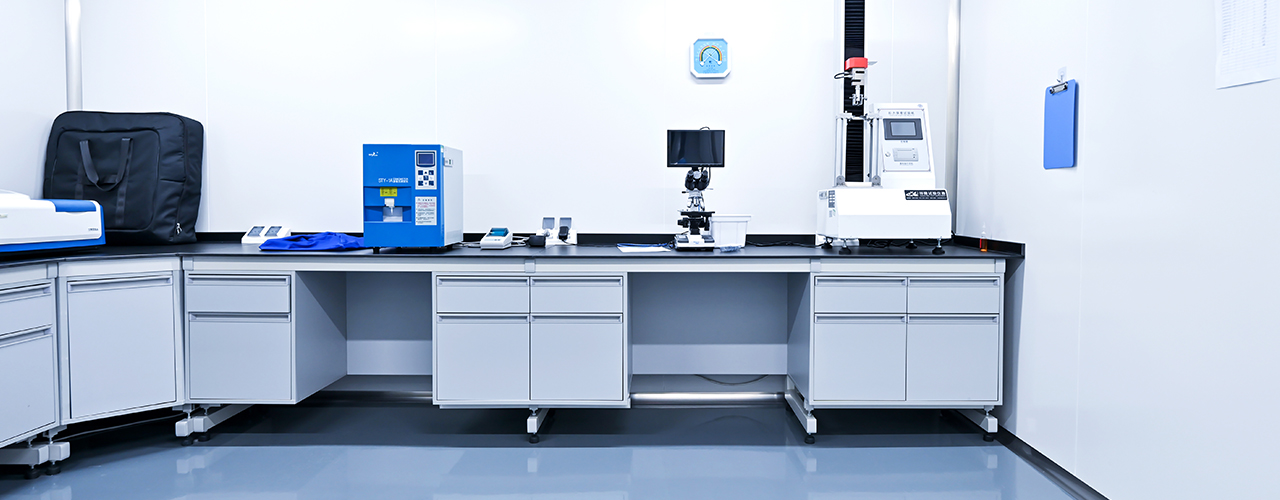
We connected with a procurement director from a leading 8-location aesthetic clinic chain in Dubai during the 2023 Dubai Beauty Exhibition. He shared that he had previously worked with a budget supplier offering fillers at 40% below market average, advertised to last 12 months post-injection. In practice, clients reported the filler broke down completely in as little as 3 weeks, with the longest-lasting results only reaching 2 months. The clinic’s client complaint rate jumped to 37% during that period, with dozens of long-term clients switching to competing practices. We provided free samples for in-clinic testing on 10 volunteer clients, and our BDDE-crosslinked fillers showed 62% volume retention at the 6-month mark, matching our labeled longevity claims. The chain signed an annual bulk purchase agreement with us shortly after, and their client complaint rate for filler treatments has since dropped back to 2%. 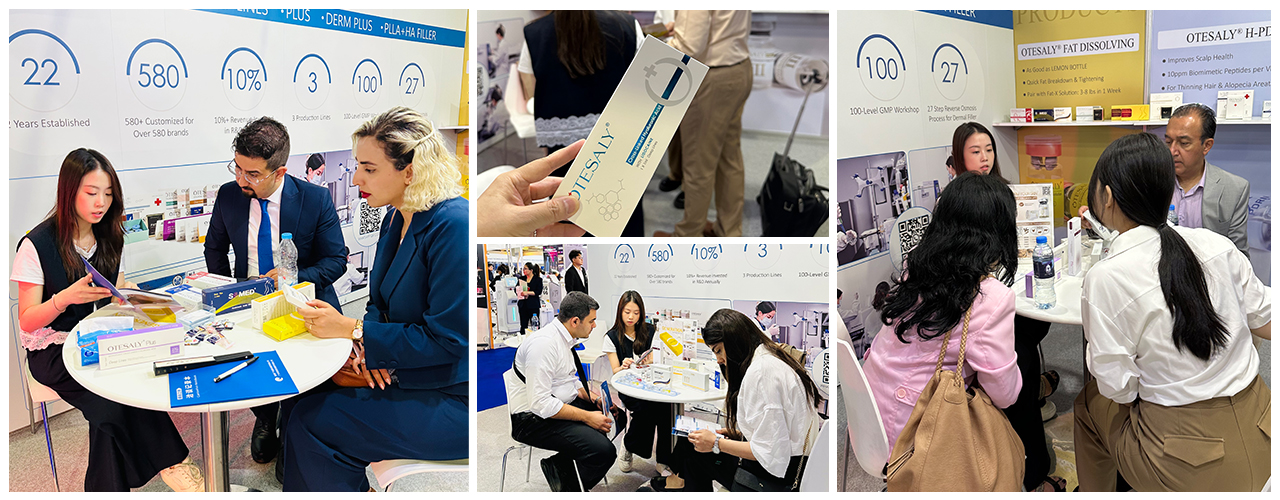
Common BDDE Crosslinking Myths Debunked for Industry Professionals
Misinformation about BDDE often leads professionals to make sourcing decisions that do not serve their clients or their business. Three of the most persistent myths include:
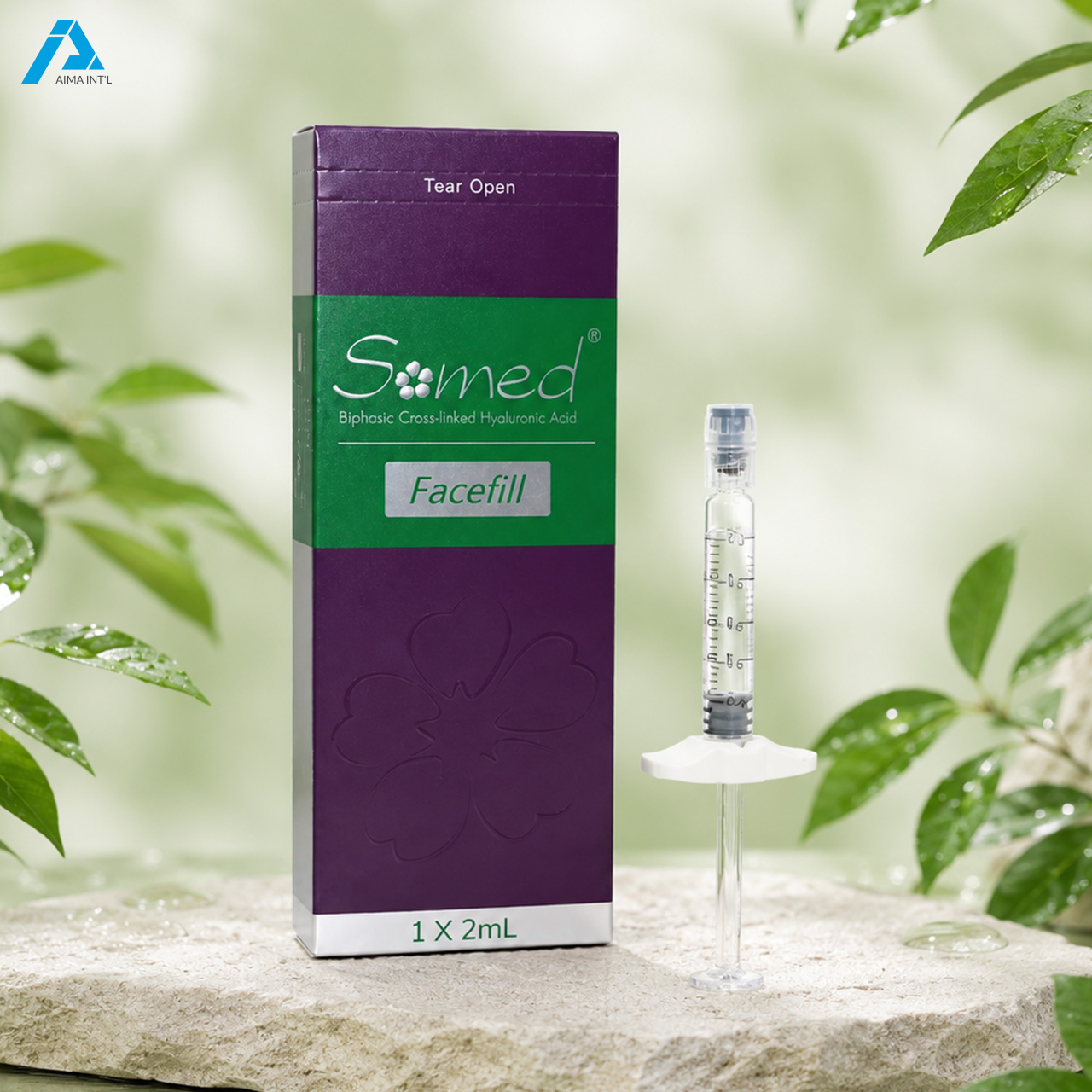
As a classic BDDE-crosslinked HA dermal filler designed for mid-to-deep dermis injection, Facefill is formulated with our proprietary NASHA crosslinking technology, using high-purity medical-grade non-animal HA (valued at $45,000 per kg) sourced from CE GMP-certified suppliers, with regular third-party testing from SGS to validate raw material purity. The production process precisely controls BDDE reaction parameters to achieve a G’ value of 220Pa, delivering natural support for nasolabial folds, cheek augmentation, and moderate wrinkle correction without feeling stiff or unnatural. Final BDDE residue for every batch is tested to be below 0.05ppm, far stricter than the ISO 13485 2ppm limit. For OEM/ODM clients, we can adjust formula parameters including HA concentration, crosslink density, and lidocaine content to match specific brand needs. 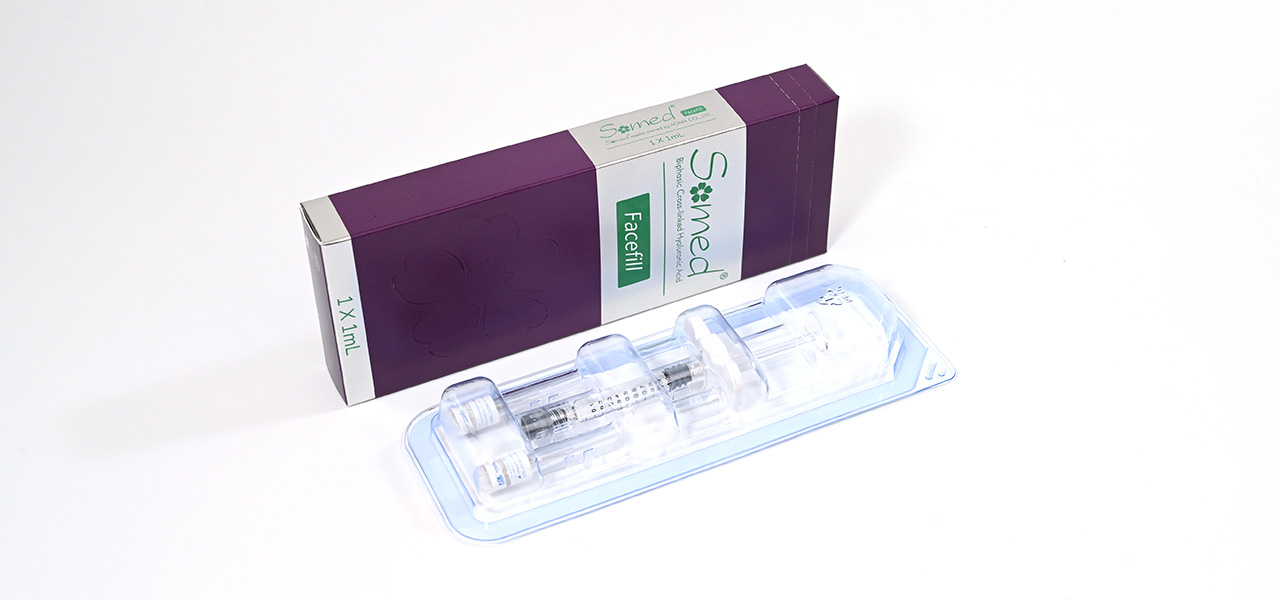
Non-Negotiable Checks When Sourcing BDDE-Crosslinked Dermal Fillers
Whether you are a clinic owner sourcing finished products for patient treatment or a brand builder looking for an OEM/ODM manufacturing partner, a few simple checks will help you avoid costly quality issues:
No dermal filler is entirely risk-free, even when produced under the strictest quality controls. But BDDE-crosslinked HA fillers have the longest clinical track record, the most predictable results, and the lowest adverse event rate of any volumizing filler on the market, which is why they remain the clinical gold standard for aesthetic practices worldwide. Cutting corners on quality to save a small percentage on unit cost almost always leads to far larger losses from client complaints, reputational harm, and legal liability. For clinic owners and brand builders weighing filler options, the conversation around BDDE crosslinking does not need to be overcomplicated. Look past the marketing buzzwords, ask for hard test data, and partner with suppliers that can prove consistent quality batch after batch. That is the most reliable path to safe, consistent results for every client.

Copyright @ 2026 AIMA International Group Co., Ltd.