
Welcome to visit AIMA International Group
 Spain
Spain

Your browser version is too low, in order to ensure a better browsing experience,Please click to update to a higher version browser.
Talk about it later.XWelcome to visit AIMA International Group
Spain


.jpg)
Home > News > Industry Trends > Hyaluronic Acid Molecular Weight in Dermal Fillers: How It Shapes Performance, Longevity, and Treatment Outcomes
Industry TrendsAesthetic brands, clinic owners, and injectors often fixate on hyaluronic acid (HA) concentration and crosslinking rate when evaluating dermal fillers, sidelining a parameter that drives nearly every performance metric: HA molecular weight. Have you ever tested a filler labeled as 24mg/ml high-concentration gel that dissolved in three weeks flat? Or seen a lip filler spread past the vermilion border to create puffy, uneven results days after injection? Or felt hard, rubbery lumps under a client’s skin where filler was placed for fine lines? Most of these issues trace back to poorly controlled HA molecular weight ratios in the formula.
What Is HA Molecular Weight, and How Does It Change Filler Behavior?
Hyaluronic acid is a linear polysaccharide naturally present in human dermis, built from repeating disaccharide units strung into long chains. The length of these chains determines molecular weight, measured in kilodaltons (kDa). No FDA or CE-approved dermal filler relies on a single molecular weight fraction. Each chain length serves a specific purpose in the gel matrix, and the ratio of fractions dictates how the filler feels, how long it lasts, where it can be injected, and how it interacts with surrounding tissue.
A Spanish aesthetic startup learned this the hard way in 2022. When building their first filler line, they selected a small, uncertified manufacturer offering 24mg/ml HA gel at 40% below average market price. They skipped third-party molecular weight testing, assuming higher concentration equaled better performance. Within three months of launch, 32% of their clinic accounts reported product failures: cheek filler dissolved completely in three weeks, lip filler spread past injection borders, and seven clients developed small, persistent inflammatory nodules. Third-party lab testing revealed the gel was 82% uncrosslinked LMW-HA, with less than 10% of the HMW-HA fraction required to deliver advertised structural support and longevity.
Widely Circulated Myths About HA Molecular Weight in Fillers
Misinformation about HA molecular weight spreads quickly across supplier listings and social media training content, leading to costly purchasing errors for brands and poor outcomes for patients.
Consistent molecular weight control cannot be achieved in makeshift production spaces. It requires GMP-compliant facilities, strict raw material screening, and batch-by-batch testing to ensure every syringe matches its intended formula. 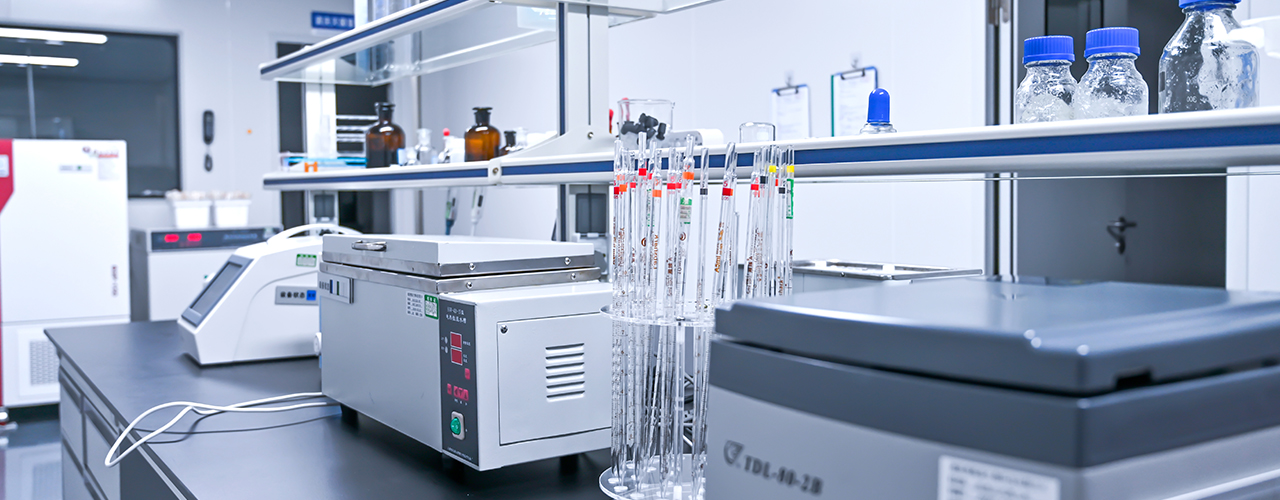
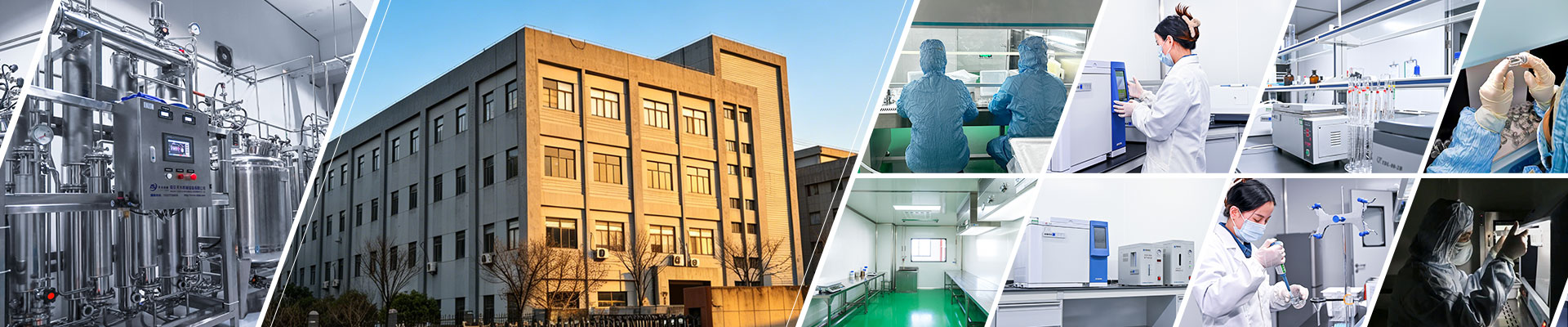
AIMA International Group Co., Ltd., established in 2003, has built its entire quality control framework around these exact requirements. The company sources only high-purity, non-animal medical-grade HA (valued at $45,000 per kilogram) from CE and GMP-certified raw material suppliers, with every batch tested by SGS to confirm molecular weight distribution, purity, and crosslinker residual levels. Its 4,800-square-meter modern production base houses Class 100 GMP clean rooms and three dedicated production lines, operating under ISO 13485 quality management systems and Class III medical device manufacturing standards. Recognized as one of the Top 10 Global Dermal Filler Manufacturers, AIMA holds EU CE certification and US FDA VCRP registration for its product lines.
A Dubai-based clinic chain encountered the cost of poor molecular weight control in 2023, when they switched to a budget filler supplier to reduce overhead. The first two batches of cheek filler performed as expected, with good support and natural feel. The third batch was runny, spread immediately on injection, and 12 out of 27 patients who received lip filler developed over-diffused, uneven results requiring hyaluronidase to dissolve. Follow-up with the supplier revealed the team had switched to a cheaper raw HA source with no molecular weight controls to boost margins, skipping batch testing for three consecutive production runs. The clinic switched to AIMA as their core filler supplier shortly after, and has recorded less than 0.5% adverse event rates across more than 1,200 treatments in the 12 months since. 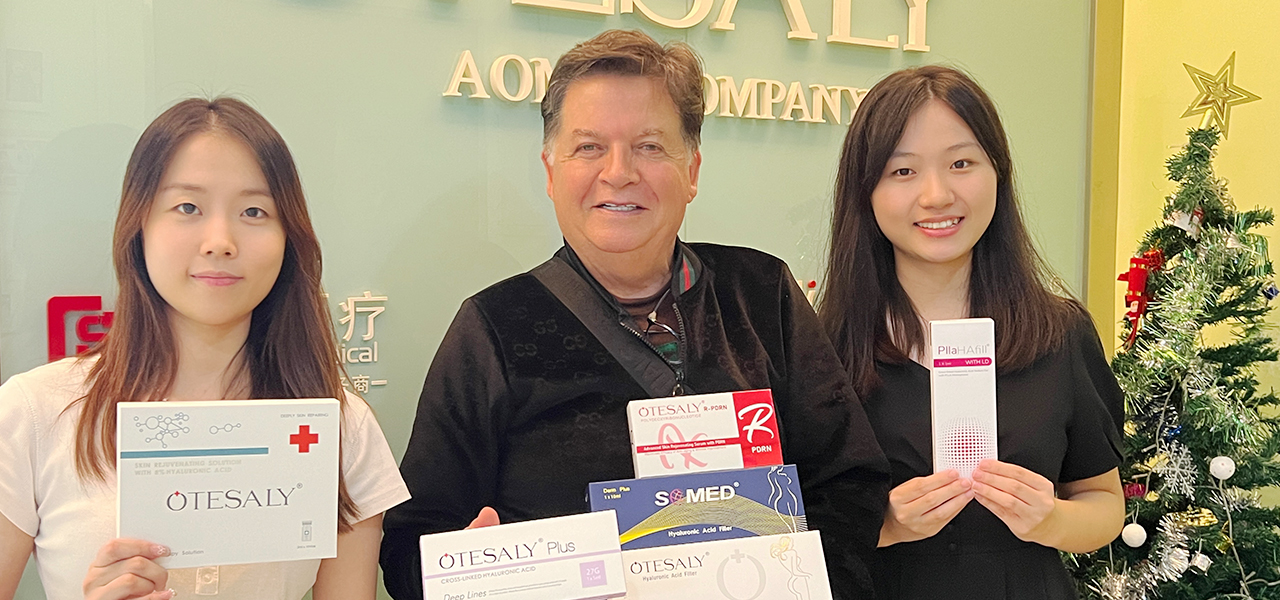
Precision Molecular Weight Formulation in Practice
AIMA’s R&D team, which has developed more than 1,000 mature aesthetic formulas, leverages proprietary NASHA and HICE technologies to tailor molecular weight profiles for each treatment indication. Instead of using a one-size-fits-all HA gel for every body part and injection depth, formulators adjust ratios of LMW, MMW, and HMW HA to match required tissue feel, injection depth, and expected longevity.
One product that embodies this precision approach is Hydrofill, a mid-dermis filler designed to treat fine lines, boost skin hydration, and add subtle volume to perioral lines, neck lines, and superficial under-eye creases. 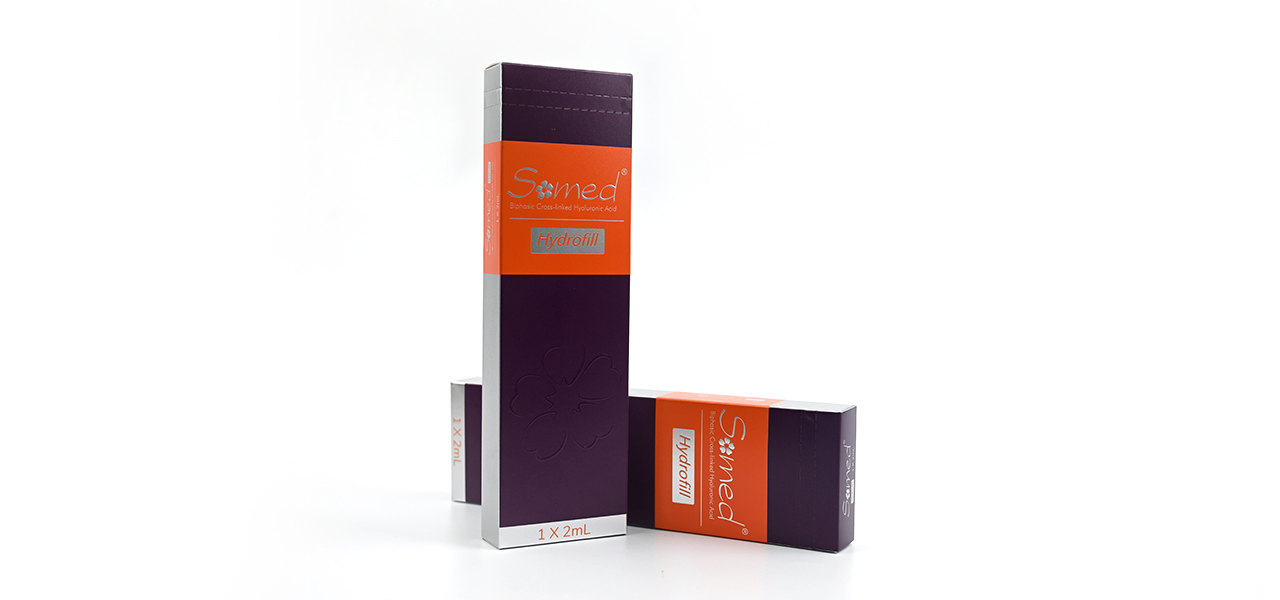
Hydrofill’s formula uses a calibrated blend of HA molecular weights, rather than relying on a single fraction, to avoid common filler failures:
This targeted ratio means Hydrofill avoids the flaws of poorly formulated competitors: it does not dissolve prematurely, does not spread past injection borders, and does not cause the lumps or blue discoloration that occurs when high-molecular-weight HA is placed too close to the skin surface.
Key Considerations for Brands Sourcing HA Fillers
For new and established aesthetic brands building custom filler lines, molecular weight distribution is not an obscure lab metric. It is the variable that shapes customer satisfaction, repeat purchase rates, and long-term brand reputation. When evaluating manufacturing partners, look past flashy marketing claims and request verifiable data:
AIMA’s OEM/ODM program is built around this level of transparency. The company offers flexible cooperation terms with no MOQ pressure to support emerging brands, with end-to-end support covering brand positioning, logo design, custom packaging, and tailored adjustments to HA concentration, molecular weight ratios, and lidocaine addition. Sample orders ship within 3–5 working days, bulk orders are delivered in 15–20 days with expedited production options available, and every order comes with full compliance documentation including CE certificates, FDA VCRP registration records, ISO 13485 audit reports, and batch-specific SGS test results. For large-scale enterprise clients, the company offers volume discounts and fully custom formula development to match specific market needs, with an annual production capacity of 5 million syringes and monthly output of 50,000 syringes to support regional and global distribution. To date, AIMA has delivered custom filler solutions to more than 521 brands across 60+ countries.
Unlike unvetted suppliers that sell generic, untested HA gel with inconsistent chain lengths to cut costs, AIMA maintains full traceability for every syringe produced. A dedicated after-sales support team responds to product quality inquiries within 24 hours, providing clear documentation and resolution support for all Medical Aesthetics Wholesale clients. For brands aiming to build long-term trust with clinics and patients, that level of consistent, tested quality delivers far more value than the lowest per-unit price on the market.

Copyright @ 2026 AIMA International Group Co., Ltd.