



Welcome to visit AIMA International Group
 Spain
Spain

Your browser version is too low, in order to ensure a better browsing experience,Please click to update to a higher version browser.
Talk about it later.XWelcome to visit AIMA International Group
Spain




.jpg)
Home > News > Industry Trends > A Complete Guide to Dermal Filler Regulatory Documentation for Global Aesthetic Brands
Industry TrendsHave you ever spent months refining your dermal filler formulation, lining up retail and clinic partners, and running pre-launch ad campaigns, only to have your entire shipment seized at port because your regulatory documentation fell short of local requirements?
Last year, a startup aesthetic brand based in Barcelona learned this lesson the hard way. The brand sourced 20,000 syringes of hyaluronic acid filler from a small unvetted manufacturer offering 30% below market pricing, planning to launch across 12 Spanish clinics in time for summer wedding season. When the shipment arrived at Valencia Port, customs officials requested a full set of CE-mandated technical files, batch release records, and raw material traceability reports. The supplier could only produce a scanned copy of a 5-year-old CE certificate that no longer applied to the current product formulation. The shipment sat in port for 47 days, racking up €12,200 in detention fees before being sent back to the origin country. The brand lost €78,000 in pre-booked sales and clinic partnerships before it even sold a single syringe.
Many new brand owners assume regulatory documentation starts and ends with a scanned CE or FDA certificate posted on a supplier’s sales page. Dermal fillers are classified as Class III medical devices in most major markets, meaning the required documentation trail covers every step of the product lifecycle, from raw material sourcing to end-user post-market surveillance. Missing even one component of this trail can lead to seized shipments, rejected registration applications, or permanent market bans.
Core documentation requirements for dermal fillers across regulated markets include:
Many cut-rate suppliers will flash a single certificate on their sales page, but cannot produce the full set of auditable records required to clear customs or pass a local health authority audit. What happens when you get audited 6 months after launch, and your supplier can’t pull 3-year-old batch records for your products?
A mid-sized aesthetic brand based in Los Angeles ran into exactly this issue in 2023. The brand had built a loyal social media following for its numbing dermal filler line, and planned a major Black Friday launch across 80 U.S. medspas. They sourced their lidocaine-infused HA filler from a Korean supplier that advertised FDA registration, only to hit a wall during the VCRP submission process. The supplier could not provide valid drug master file (DMF) records for the lidocaine component, nor could they produce non-animal origin test reports for the HA raw material dated within the last 12 months. The registration process dragged on for 6 months, pushing the launch well past the holiday shopping window. Pre-order cancellation rates hit 42%, and the brand lost out on an estimated $210,000 in projected Q4 sales.
After working with hundreds of brands navigating cross-border filler sales, the team at AIMA International Group Co., Ltd. has identified the most frequent documentation gaps that derail launches:
Founded in 2003, AIMA earned its place as a recipient of the “Top 10 Dermal Filler Manufacturer” industry award by building compliance into every stage of production, rather than treating paperwork as an afterthought. The company operates as a full-service medical aesthetic product manufacturer offering end-to-end OEM/ODM support for brands of all sizes.
Unlike trading companies or small workshop operations that piece together paperwork from third parties, AIMA builds every element of its regulatory documentation in-house, aligned with global market requirements, across its 4,800 square meter GMP Class 100 clean room production facility.
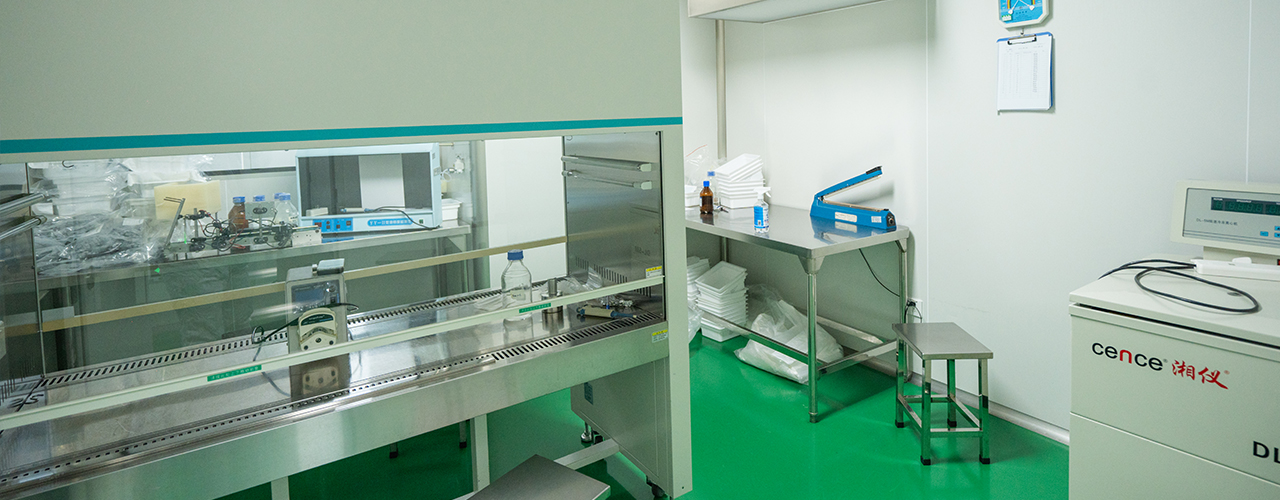
The production site runs 3 dedicated production lines, operating under strict ISO 13485 quality management systems and Class III medical device manufacturing specifications. Every step of production is documented in real time, from raw material intake to final syringe packaging, leaving no gaps in the traceability trail. The company holds proprietary NASHA and HICE cross-linking technologies, with a library of over 1000 mature, tested filler formulations supported by full pre-built regulatory dossiers.
AIMA uses medical-grade non-animal derived hyaluronic acid sourced exclusively from CE GMP-certified suppliers, with a raw material value of $45,000 per kilogram. Every incoming batch of raw material undergoes independent third-party testing via SGS, with full test reports stored in a secure, easily accessible database for clients. With an annual production capacity of 5 million syringes (50,000 units per month), AIMA has provided custom dermal filler solutions for over 521 brands across 60+ countries, so the regulatory team is intimately familiar with the specific documentation requirements for every major market. The company holds active EU CE certification and U.S. FDA VCRP registration for its core filler lines.
One of AIMA’s most widely requested dermal filler SKUs for global brands is Facefill Lidocaine, a smooth, malleable HA filler formulated for mid-to-deep dermal injection to treat nasolabial folds, cheek volume loss, and fine facial lines, with 0.3% lidocaine added to reduce patient discomfort during injection.
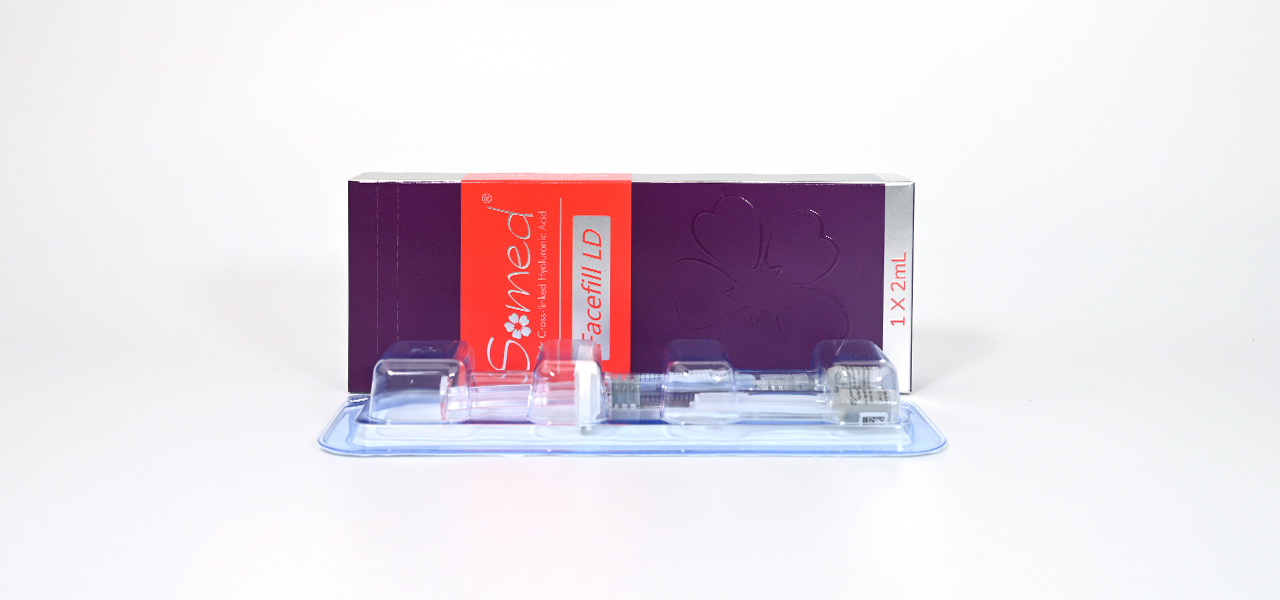
For every batch of Facefill Lidocaine produced for private label and OEM/ODM clients, AIMA provides a complete, audit-ready documentation package that eliminates the paperwork headaches associated with cross-border sales and market registration. The standard documentation set for this SKU includes:
Take a UAE-based aesthetic brand that partnered with AIMA in 2022 to launch its own line of lidocaine dermal fillers. The brand had previously worked with a different supplier that provided incomplete paperwork, leading to a 3-month delay in Dubai Municipality registration.
When the brand switched to AIMA for Facefill Lidocaine production, the regulatory team provided a full SFDA-aligned dossier within 7 days of the sample order. The brand completed its local registration in 28 days, and now moves 1,200 syringes per month across 23 clinics in Dubai and Abu Dhabi.
Steer clear of suppliers that make blanket promises of “100% guaranteed registration approval” for every market. Local health authorities make independent review decisions, and no manufacturer can control the final outcome of a registration audit. What you can and should expect from a legitimate partner is fully transparent, auditable documentation that meets every stated regulatory requirement for your target market, with dedicated specialists available to answer questions from customs officials or health authorities throughout the registration and post-market period.
AIMA’s OEM/ODM support covers the full brand launch process, from initial brand positioning, logo design, and custom packaging, to tailored adjustments of filler formulation and cross-linking density to match your brand’s performance goals. The company offers flexible cooperation terms with no MOQ pressure to support emerging brands testing their first product lines, alongside volume-based discounts for large enterprise clients scaling across multiple regions. Sample orders ship in 3-5 business days, with bulk orders delivered in 15-20 days, and expedited production options available for time-sensitive launches.
For clients purchasing through Medical Aesthetics Wholesale channels, the same documentation guarantee applies: every wholesale order of AIMA dermal fillers comes with a full compliance package, dedicated post-sales support for customs and registration queries, and access to historical batch records for the full 5-year record retention period. Many brands make the mistake of treating regulatory documentation as a one-time checkbox to clear at the time of shipment. In reality, compliance is an ongoing requirement. AIMA stores all batch records and regulatory files for a minimum of 5 years after production, so if you receive an audit request from a health authority 2 or 3 years after your order, you can reach out to the team and receive the exact records you need within 48 hours. This level of long-term support is rarely offered by low-cost suppliers, who often close up shop or rebrand under a new name after a few years to avoid compliance scrutiny.
If you have ever lost sleep over missing paperwork, port delays, or rejected registration applications for your dermal filler line, you already know how much value a reliable, documentation-forward manufacturing partner brings. The cost of cutting corners on regulatory documentation is always higher than the upfront savings from choosing a cheaper, unvetted supplier. You can spend years building a brand reputation for safe, effective dermal filler products, but a single compliance gap can erase that work overnight. When you work with a manufacturer that prioritizes auditable, complete regulatory documentation from raw material intake to post-market support, you can focus on building your brand and serving your clinic clients, instead of chasing down missing paperwork or negotiating with customs officials.

Copyright @ 2026 AIMA International Group Co., Ltd.


