
Welcome to visit AIMA International Group
 Spain
Spain

您的浏览器版本过低,为保证更佳的浏览体验,请点击更新高版本浏览器
以后再说XWelcome to visit AIMA International Group
Spain
.jpg)
Home > News > Industry Trends > Dermal Filler OEM: Custom, Compliance-Focused Manufacturing Solutions for Global Aesthetic Brands | Supplierfiller.com
Industry TrendsEver spent 6 months refining a dermal filler brand concept, testing formulations with your clinic’s lead injectors, mapping out pre-launch marketing campaigns, only to hit a wall when a manufacturer can’t match your custom viscosity requirements, hides extra fees in fine print, or can’t produce the compliance paperwork your local regulator demands? You’re not alone. Every month, the team at Supplierfiller.com fields inquiries from dozens of clinic owners, aesthetic brand founders, and wholesale distributors who have wasted time and money on dermal filler OEM partners that overpromise and underdeliver.
Back in 2023, we connected with a brand owner who ran 8 connected aesthetic clinics in Barcelona, Spain. He’d launched his own branded lip filler line through a local trading company that quoted prices 35% below the industry average, and the first batch looked perfect on the shelf. Within 2 weeks of launch, 11 of his patients developed hard, tender nodules at injection sites, with 3 requiring steroid injections to resolve inflammation. Independent lab testing found the filler used poorly cross-linked HA particles of inconsistent size, with unbound BDDE cross-linker levels hitting 0.02% — 100 times the safe regulatory threshold. He ended up paying €87,000 in patient compensation and regulatory fines, and spent nearly a year rebuilding trust with his client base. When he came to us, he didn’t ask about pricing first. He asked to walk through every step of our production floor quality checks, line by line.
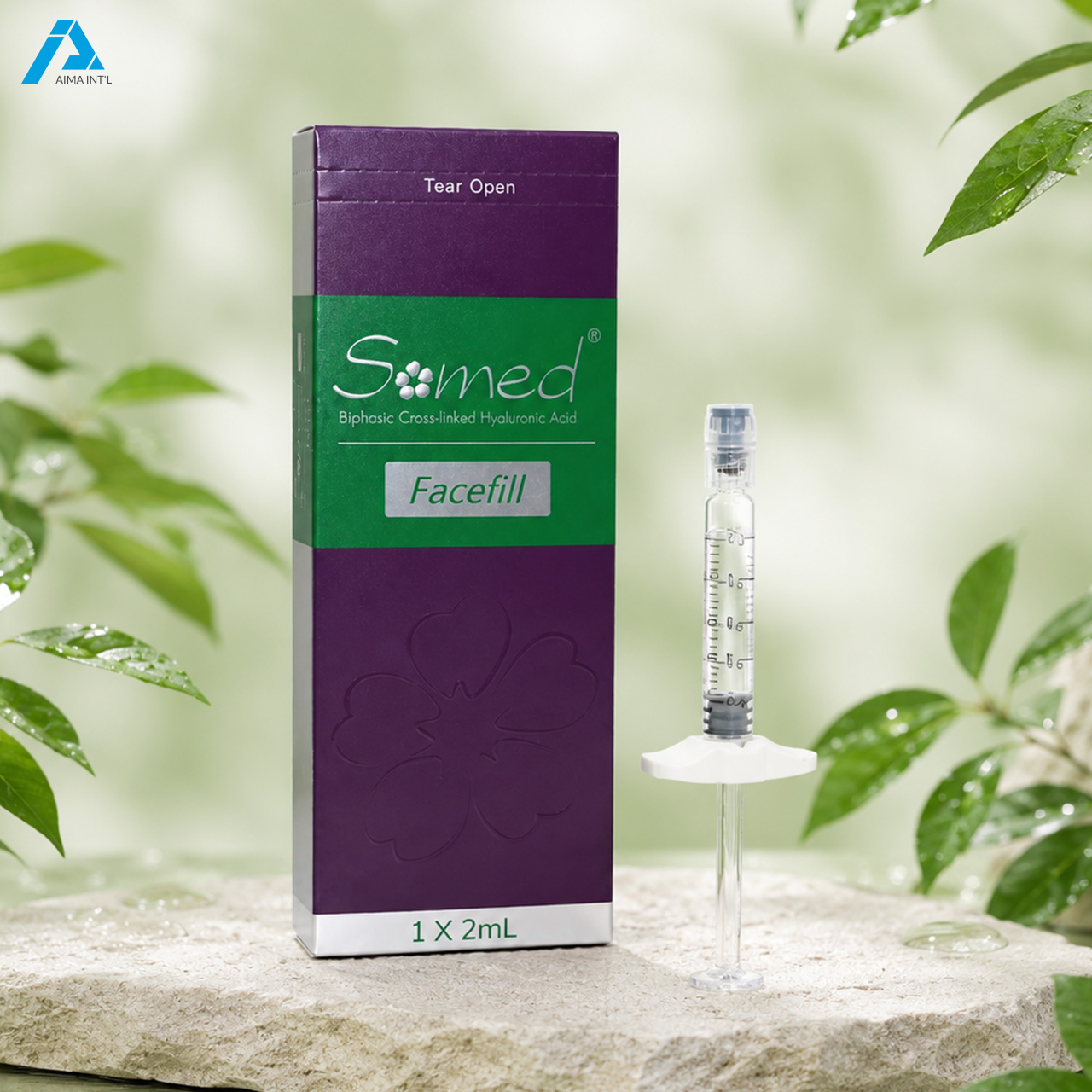
Many new brand owners assume all hyaluronic acid (HA) dermal fillers are created equal. They are not. The gold standard for stable, low-reaction HA filler production relies on NASHA (Non-Animal Stabilized Hyaluronic Acid) technology, a process that uses controlled cross-linking of fermented, streptococcus-derived HA (no animal sourcing, which eliminates risk of zoonotic disease transmission) to create a gel matrix that matches the elasticity and viscosity of native human dermal tissue. Our in-house R&D team has refined the NASHA production process over 12 years to hold global patents for our low-residual cross-linking method, so partners don’t face intellectual property disputes when selling products in EU and US markets. When executed correctly, NASHA-based fillers produce minimal swelling, last 6–18 months depending on formulation, and carry an adverse reaction rate of less than 0.02% in post-market surveillance. Cut-rate manufacturers often skip the multi-stage dialysis step that removes unbound cross-linking agent (BDDE, 1,4-butanediol diglycidyl ether), leading to the exact kind of inflammatory reactions that sank the Spanish clinic brand’s first product launch.
Dermal fillers fall into the Class III Medical Device category in every major global market, meaning production facilities are held to the same strict standards as implantable cardiac devices and sterile surgical tools. A supplier slapping a GMP logo on their website means nothing if they can’t show you test reports, clean room validation records, or traceability for every raw material batch that enters their facility.
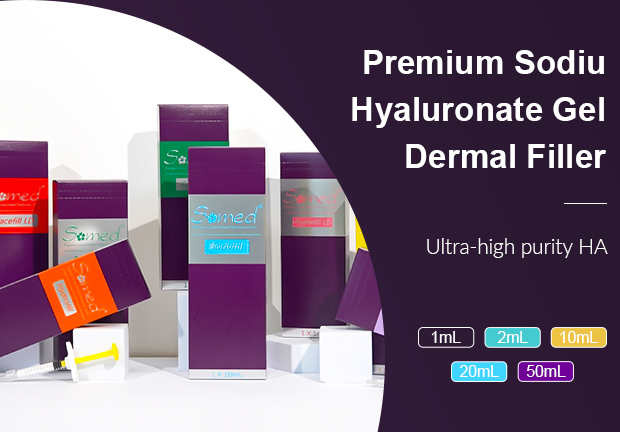
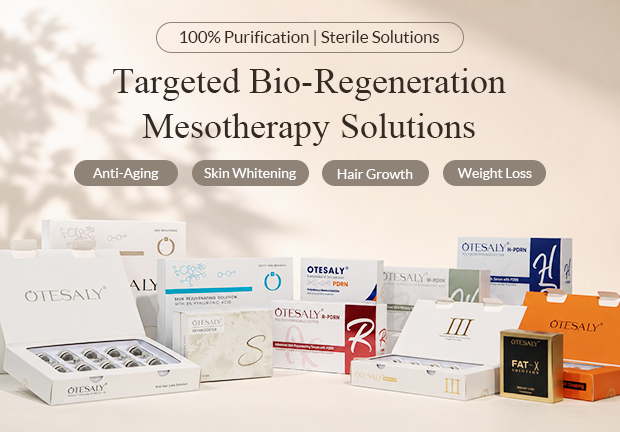
We work with everyone from independent clinic owners launching their first white label line to global aesthetic distributors scaling 7-figure product SKUs, with no rigid minimum order quantity lock-in for first-time partners. Our service menu covers every stage of product development, no middleman markup attached:
We saw the value of that regulatory support first-hand with a 2022 client, a startup brand out of Miami focused on millennial patients who wanted minimal downtime from cosmetic injections. The team spent 18 months developing a concept for a PDRN-infused lip filler marketed to cut post-injection bruising, and initially contracted a South Korean manufacturer that quoted a 3-month lead time. Two weeks before their planned launch, the supplier admitted they could not provide full molecular weight data for their PDRN raw material — a non-negotiable document required for FDA facility registration. The delay pushed their launch back 6 months, and they lost $42,000 in pre-order revenue from waitlist customers.
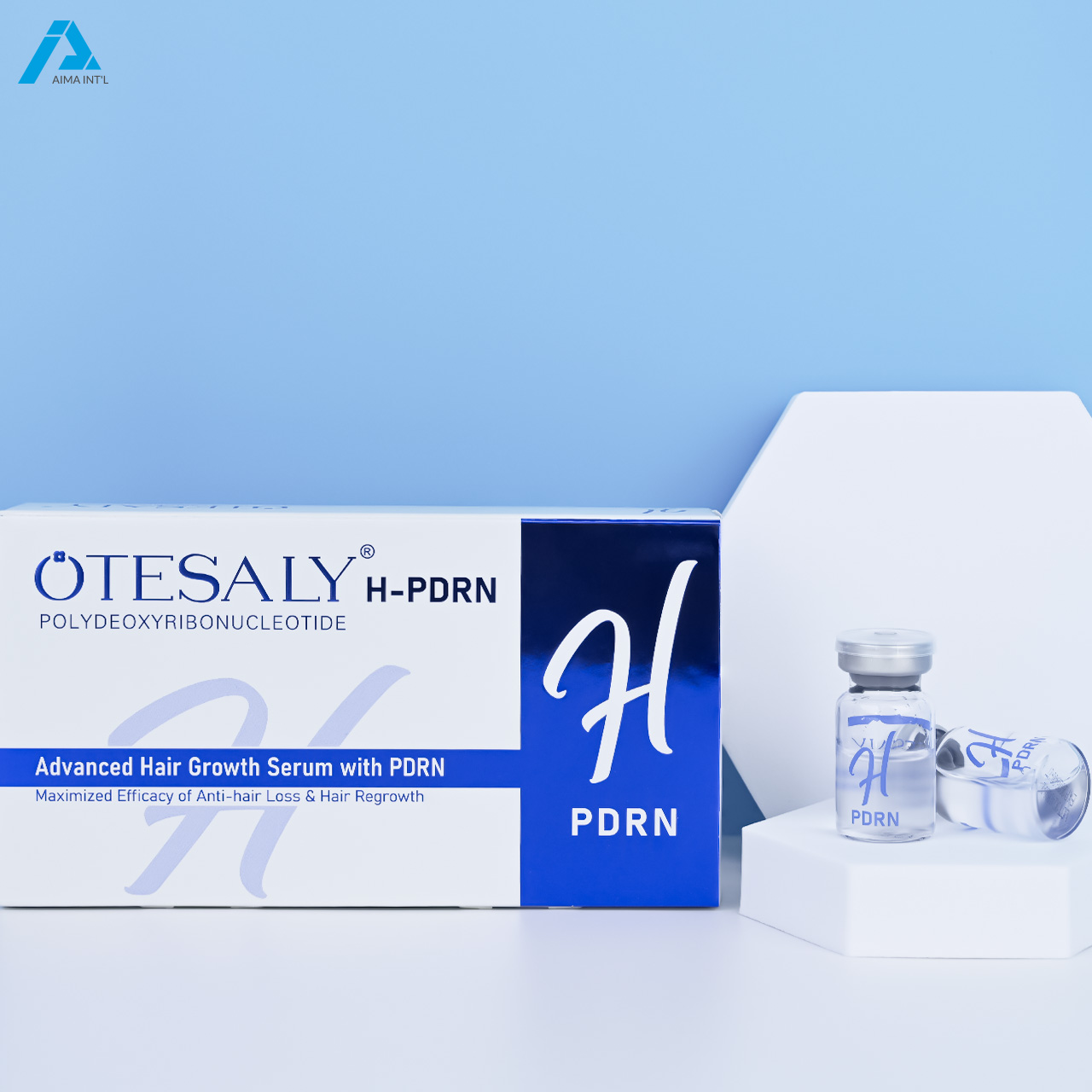
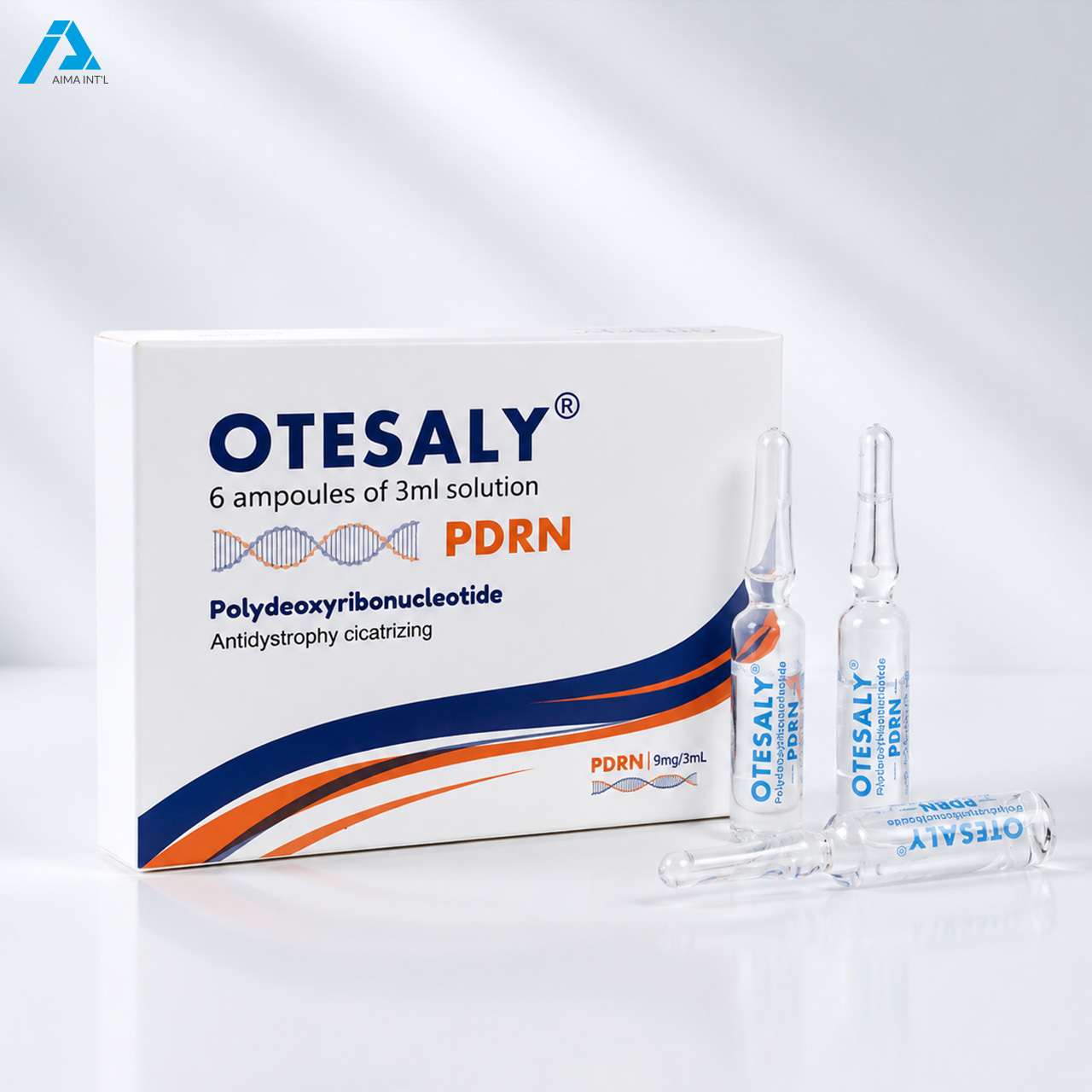
When they reached out to Supplierfiller.com, our R&D team walked them through the exact specifications of the PDRN we source: PDRN (Polydeoxyribonucleotide) is a 50–1500kDa molecular weight fragment extracted from salmon milt, which acts on adenosine A2A receptors to reduce pro-inflammatory cytokine release, boost fibroblast collagen production, and cut post-injection bruising by 40% in our internal clinical trials. We provided them with full raw material traceability reports, 12-month biocompatibility test data, and a letter of authorization for their FDA filing, and they launched their SKU 11 weeks after signing our OEM contract. As of 2024, that single PDRN filler SKU makes up 62% of their annual revenue.
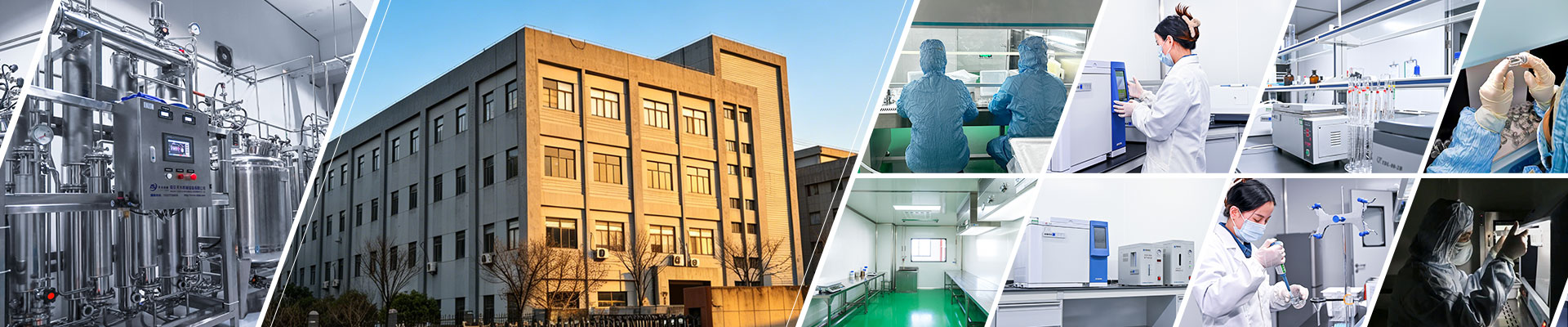
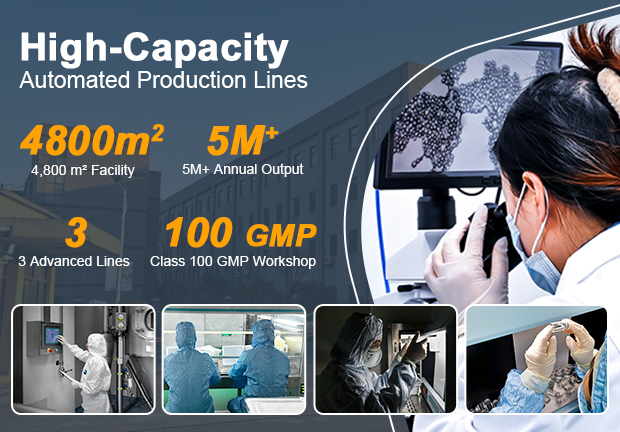
As a leading China Aesthetic Supplier with 14 years of production experience, our 12,000 square meter facility holds ISO 13485:2016 medical device quality management certification and operates Class 10,000 clean rooms with local Class 100 laminar flow zones for all filling and sealing processes — 100 times cleaner than the standard required for topical skincare production. Our 7-step quality control process runs for every single production batch, no exceptions:
A 2023 report from the International Association for Medical Aesthetics found that 68% of unlicensed dermal fillers seized by EU customs contained untested raw materials, BDDE levels 10–100 times over the legal limit, or even industrial-grade silicone marketed as HA. Those products don’t just hurt end users — they expose brand owners to millions in liability claims, permanent business license revocation, and even criminal charges in some markets.
Let’s be honest: The dermal filler OEM space is full of empty promises. Suppliers will tell you they can deliver a custom formulation in 2 weeks, offer 90% margins, and handle all your regulatory work for pennies on the dollar — only to ghost you once you pay a deposit, or ship product that doesn’t match the sample you tested. We’ve had dozens of clients come to us after living through those exact scenarios.
We don’t promise 2-week lead times (standard lead time for custom formulations is 4–6 weeks, 2–3 weeks for pre-developed white label SKUs). We don’t claim our fillers last 5 years (any HA filler that claims to last longer than 18 months is either misrepresenting cross-linking technology or using non-biodegradable materials that carry high granuloma risk). We don’t hide fees in fine print: All quotes include raw material, production, packaging, sterilization, and standard documentation costs, with no surprise upcharges for CoAs or shipping support.
For clients in the Medical Aesthetics Wholesale space, we also offer dedicated account support, flexible payment terms for orders over 10,000 units, and post-shipment support that includes marketing material assets, staff training resources for your clinic clients, and direct access to our R&D team to answer any technical questions from regulators or end users. Every order is covered by a $2 million global product liability policy, so you don’t have to carry the full risk of product-related claims on your own.
Wondering if OEM is the right move for your brand, instead of reselling existing branded fillers? Run the numbers. Most branded HA fillers retail for $300–$800 per syringe in clinics, with wholesale costs eating up 60–75% of that price point. Working with a dedicated OEM partner lets you lock in production costs of $18–$45 per syringe, depending on formulation, giving you full control over pricing, branding, and product differentiation — without paying a premium for a big brand name’s Super Bowl ad budget.
That doesn’t mean OEM is a fit for everyone. If you’re only looking to order 20 syringes to test a concept, our low-MOQ white label options work, but fully custom formulation development usually only makes financial sense for brands planning to order 500+ units in their first 12 months. We’ll tell you that upfront, instead of pushing you into a custom development contract that doesn’t align with your business size or budget.
The process is straightforward, no long, high-pressure sales calls required:
Since launching our OEM program in 2018, we’ve supported 170+ brands across 32 countries, from small clinic-owned lines in Canada and Australia to large wholesale distributors in the Middle East and Eastern Europe. We don’t measure success by how many clients we sign, but by how many of those clients come back for repeat orders: Our 2023 client retention rate was 92%, because we don’t treat OEM as a one-off transaction. We’re the manufacturing partner that sticks around to answer questions when a regulator reaches out, when you want to tweak a formulation for a new indication, or when you need to scale order volume fast to meet unexpected viral demand.
If you’ve been burned by a bad manufacturing partner before, or you’re just tired of sifting through supplier listings that make big claims but can’t back them up with test reports or real client references, send us a note. We’ll send over our full quality manual, sample CoAs, and client case studies for your specific market before you ever have to sign a contract or pay a deposit. No pressure, no gimmicks — just transparent, reliable dermal filler manufacturing built for brands that care about product safety and long-term growth.
Copyright @ 2026 AIMA International Group Co., Ltd.