
Welcome to visit AIMA International Group
 Spain
Spain

Your browser version is too low, in order to ensure a better browsing experience,Please click to update to a higher version browser.
Talk about it later.XWelcome to visit AIMA International Group
Spain
.jpg)
Home > News > Industry Trends > Custom Packaging for Dermal Fillers & Aesthetic Products: Compliant, Tailored Brand Solutions
Industry TrendsIn 2022, a founder of a startup medical aesthetic brand from Los Angeles walked into AIMA’s office with a stack of customs detention notices. His first batch of hyaluronic acid dermal fillers, produced by a small local contract manufacturer, was held at the Port of Los Angeles for 97 days. The packaging failed to meet FDA VCRP requirements: it missed the traceability code for non-animal derived raw materials, and did not print the required warning statements for Class III medical devices. The brand incurred 32,000 USD in port storage fees, and lost planned launch partnerships with three Southern California medspa chains before the products even cleared customs.
This is not an isolated story. Thousands of brands building their own aesthetic product lines treat custom packaging as a simple print job, slapping a logo on a generic box without accounting for the strict compliance rules and brand identity value that packaging carries for medical-grade products. Custom packaging for dermal fillers, skin boosters, and other injectable aesthetic products is a systematic process that ties together regulatory alignment, material safety, functional design, and brand recognition, rather than a surface-level design task.
Anyone who has worked in the medical aesthetic space knows injectable products operate under far stricter rules than everyday cosmetics. A lipstick packaged in the wrong box might lead to a customer complaint. A dermal filler packaged in the wrong box can lead to customs seizures, regulatory fines, product degradation, or even patient safety risks. Key differences include:
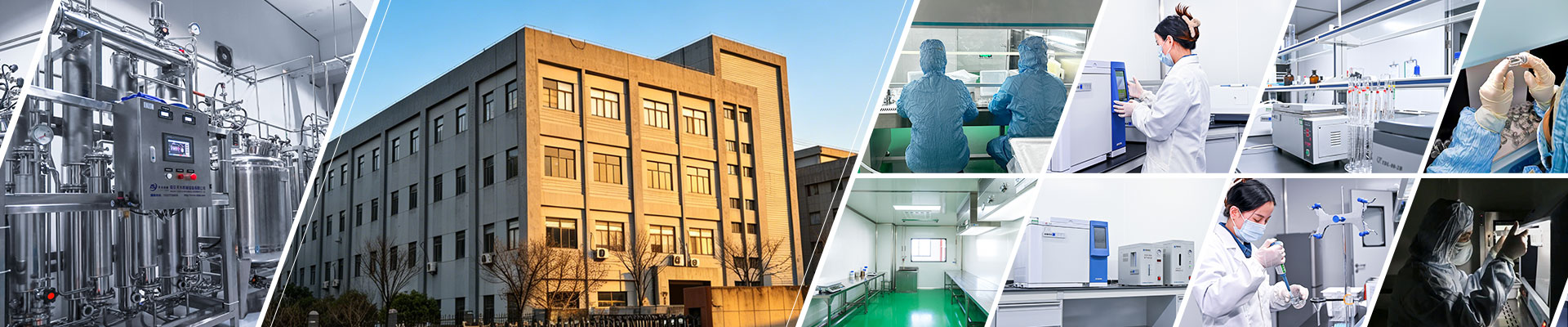
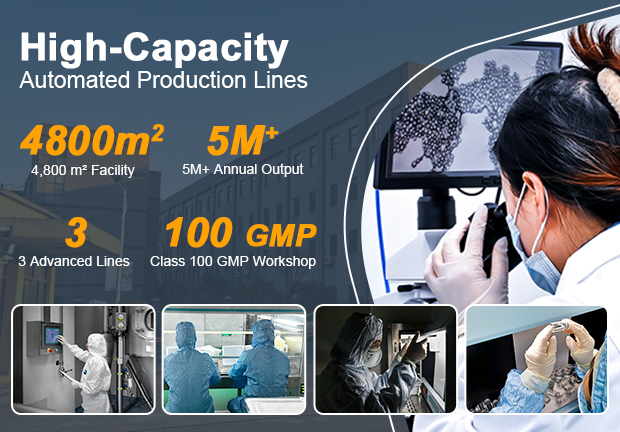
AIMA International Group Co., Ltd. has manufactured medical aesthetic products since 2003. Our 4,800 square meter modern production facility runs Class 100 GMP clean rooms and three dedicated production lines. All packaging material inspection, printing, filling, and sealing processes take place within controlled clean room environments to eliminate microbial contamination risks during packaging handling.
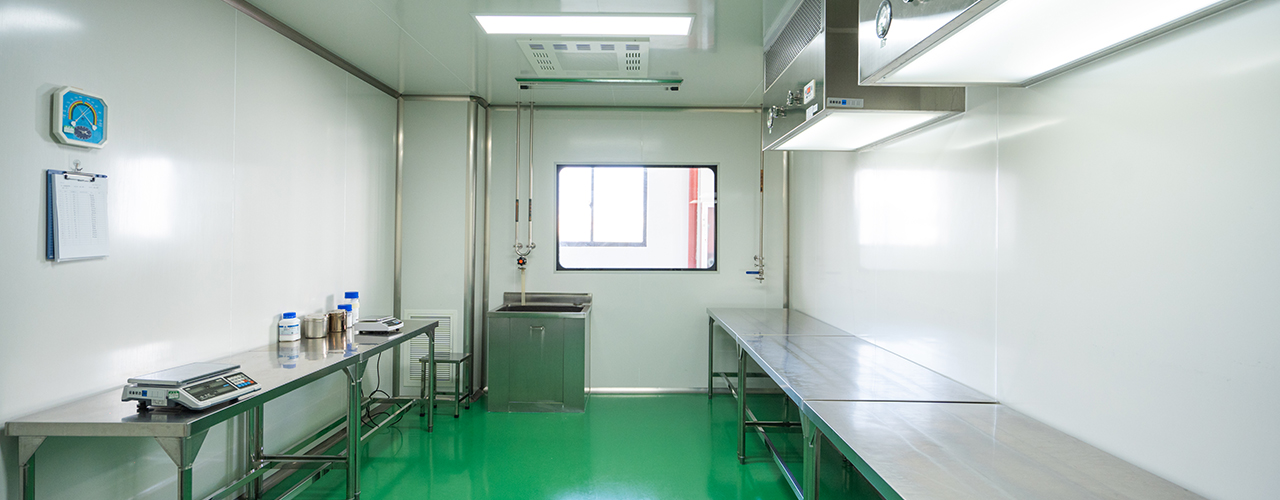
Our end-to-end OEM/ODM support covers every step of brand building: brand positioning, logo design, custom packaging development, and formula and concentration adjustments. We operate with a No MOQ Pressure model to support emerging brands that are testing product-market fit, while offering volume discounts for large-scale enterprise clients.
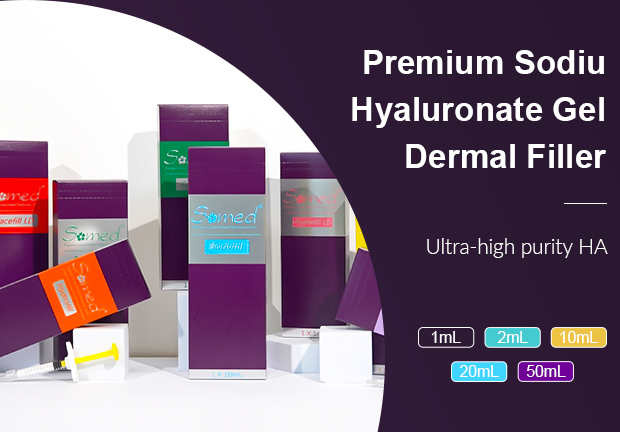
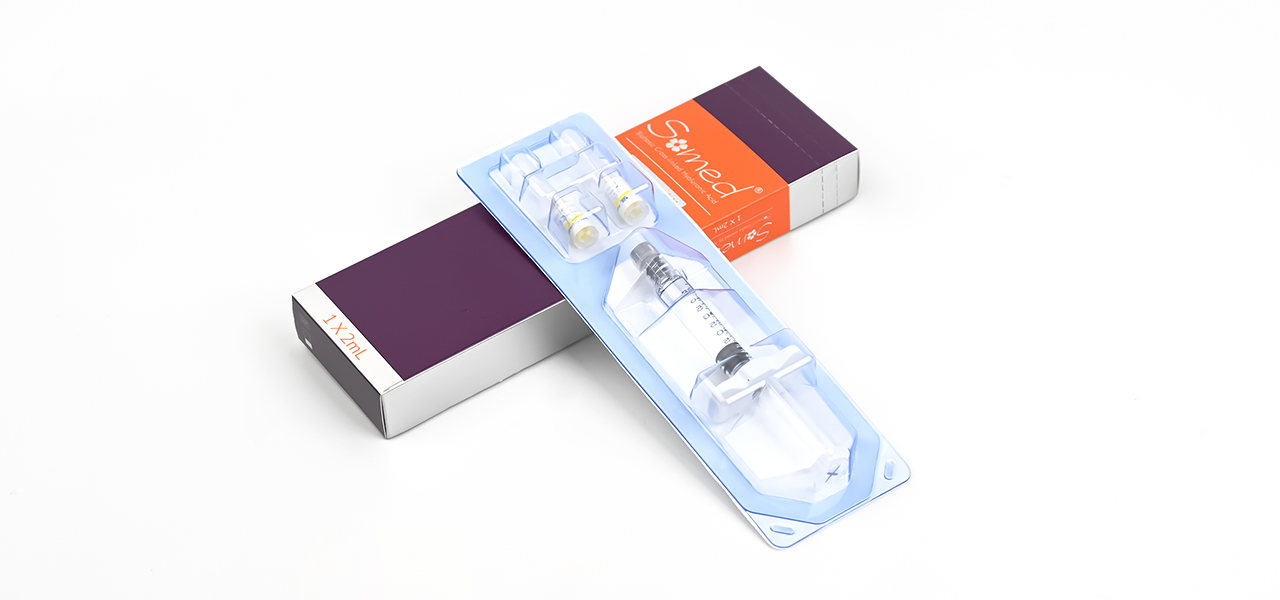
Many brands launch their first dermal filler line with our flagship Hydrofill range. Built with our proprietary NASHA and HICE technologies, Hydrofill uses 45,000 USD per kilogram high-purity medical-grade non-animal derived hyaluronic acid, sourced from suppliers that hold CE GMP certification, with every batch tested by third-party labs including SGS. For Hydrofill orders, clients can fully customize every element of their packaging:
Sample orders with full custom packaging ship in 3-5 working days. Bulk orders have a standard lead time of 15-20 days, with expedited production options available for brands with tight launch deadlines. Our annual production capacity reaches 5 million units, with a monthly output of up to 50,000 units, enough to support brands from initial test runs to large-scale regional distribution. To date, we have delivered custom packaging and production solutions for more than 521 aesthetic brands worldwide, and hold the industry honor of being named one of the Top 10 Dermal Filler Manufacturers globally.
We connected with one of those brands at the 2023 Dubai Beauty Exhibition. The brand, a mid-sized aesthetic company from Poland, had sold dermal fillers for four years with annual revenue close to 2 million EUR, but used generic white-box packaging provided by their previous manufacturer. Their packaging looked nearly identical to at least 12 other filler brands on display at the show.
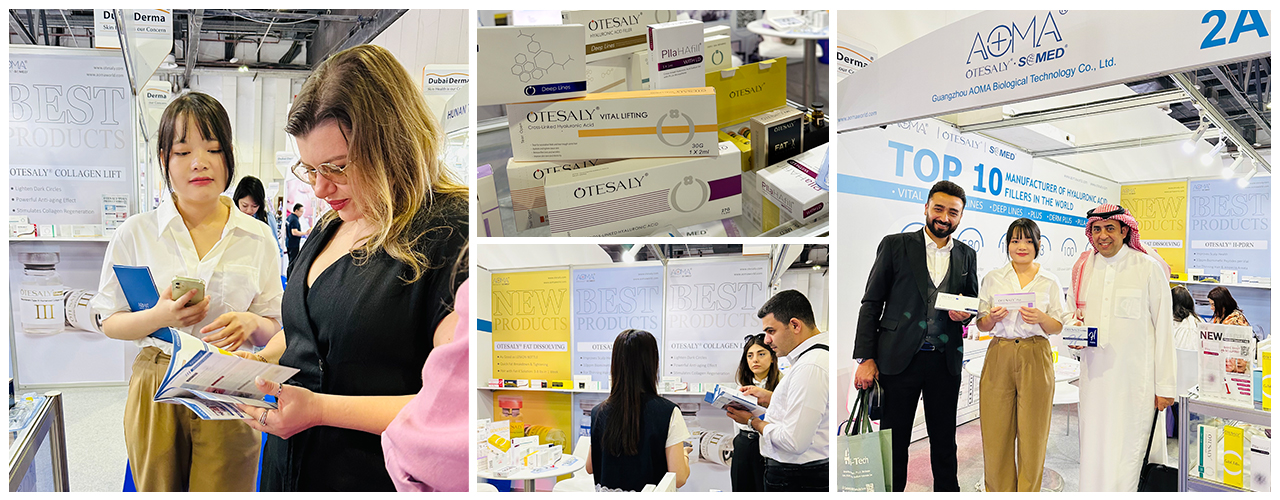
The brand’s team shared that they handed out nearly 400 samples at the show the year prior, but only saw a 2.7% follow-up conversion rate, well below the industry average of 8%. When they followed up with medspa purchasers, most said they mixed the white-box samples in with half a dozen other generic filler samples they collected, and could not remember which brand was which. After signing on with AIMA, the brand rolled out a full custom packaging refresh: rose-hued soft-touch boxes for their lip filler SKU, deep navy matte boxes for deep facial volumizing SKUs, embossed silver foil logos, and scannable anti-counterfeiting codes on every unit. After the packaging update, their Q4 2023 repeat purchase rate jumped 21%, and their sample follow-up conversion rate at the 2024 Dubai Beauty Exhibition hit 11.3%.
Packaging does not talk. But in the 3 seconds it takes a purchaser or injector to pick up a product from a tradeshow table or clinic shelf, the texture, design, and markings on the box deliver the first impression of your brand. Have you ever returned from a trade show with a bag full of samples, only to realize you cannot tell half the brands apart? That is the cost of generic packaging.
After 20 years in the industry, we have seen every possible packaging misstep cost brands time, money, and customer trust. Our team builds checks into every step of the packaging process to help clients avoid these common issues:
All production at our facility follows ISO 13485 quality management system standards, with processes aligned to Class III medical device manufacturing specifications. Our products hold FDA VCRP registration and full EU CE certification, so brands can sell with confidence across global markets. For Medical Aesthetics Wholesale partners, we assign dedicated account support specialists to handle after-sales needs, from providing compliance documents for customs clearance to processing replacements for packaging damaged in transit. We provide a full set of verification documents with every shipment, including packaging biocompatibility test reports, product certificates of analysis, and all required regulatory certifications, so partners never have to scramble for paperwork during audits or customs checks. Our support team responds to all after-sales inquiries within 48 hours, with clear resolution plans for any issue that arises.
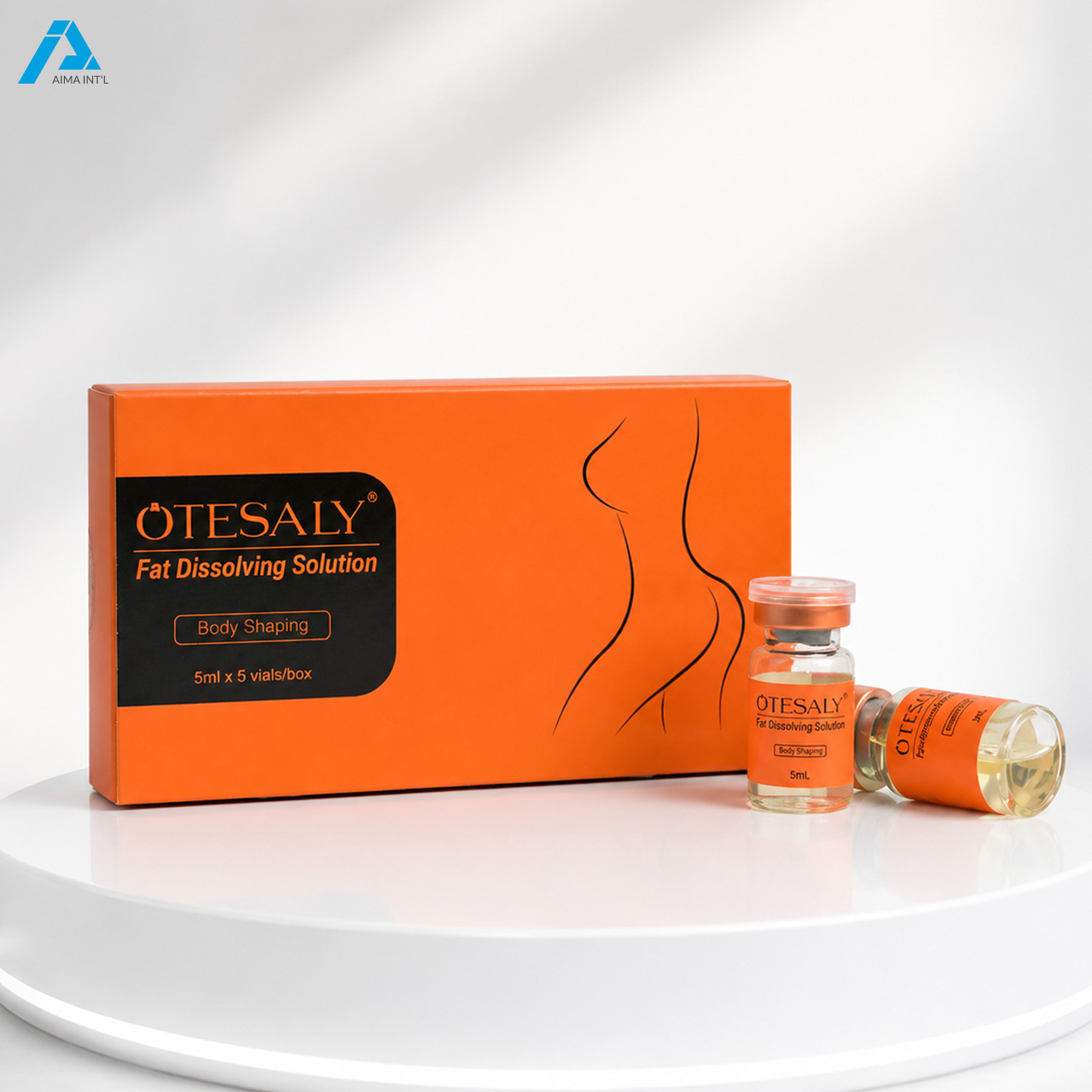
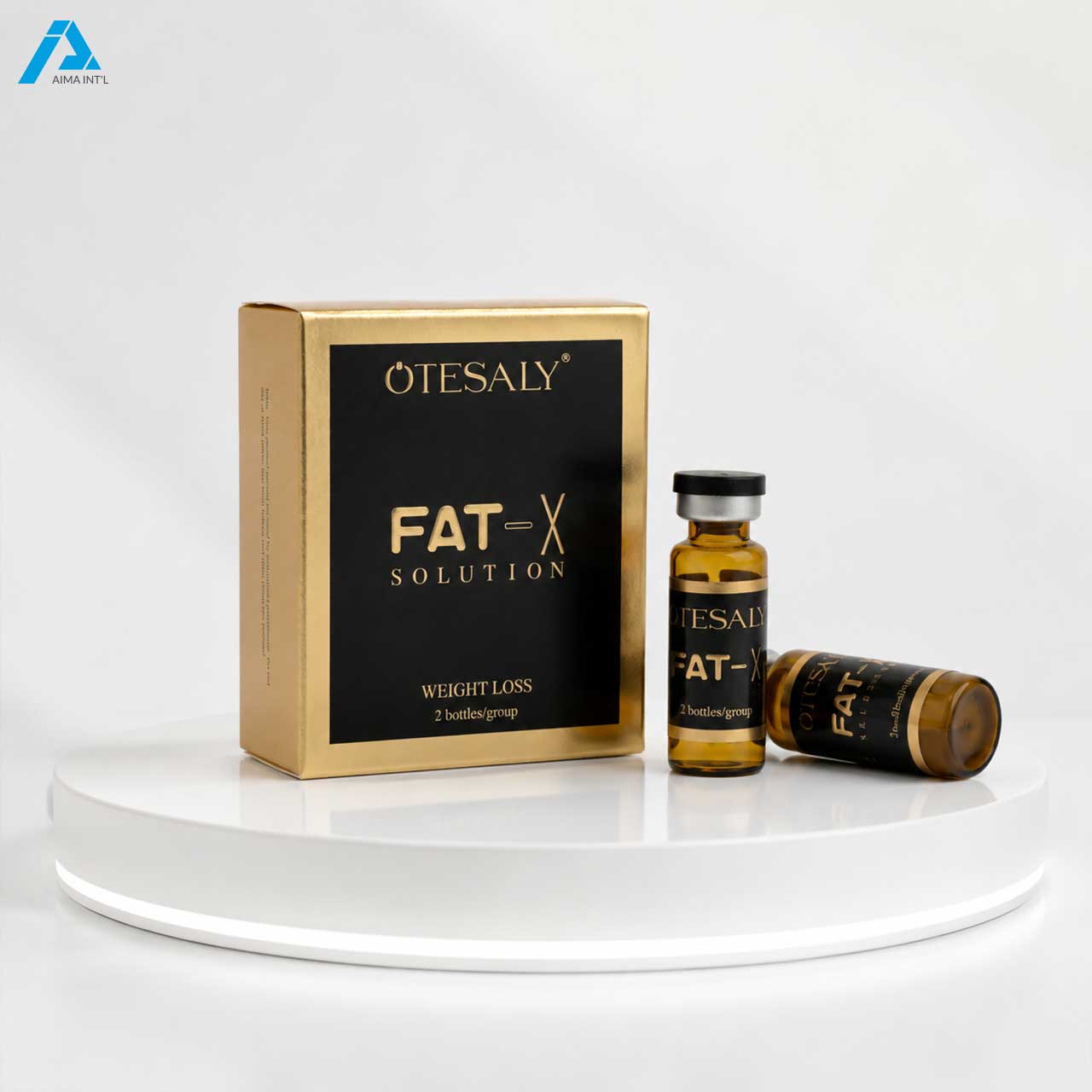
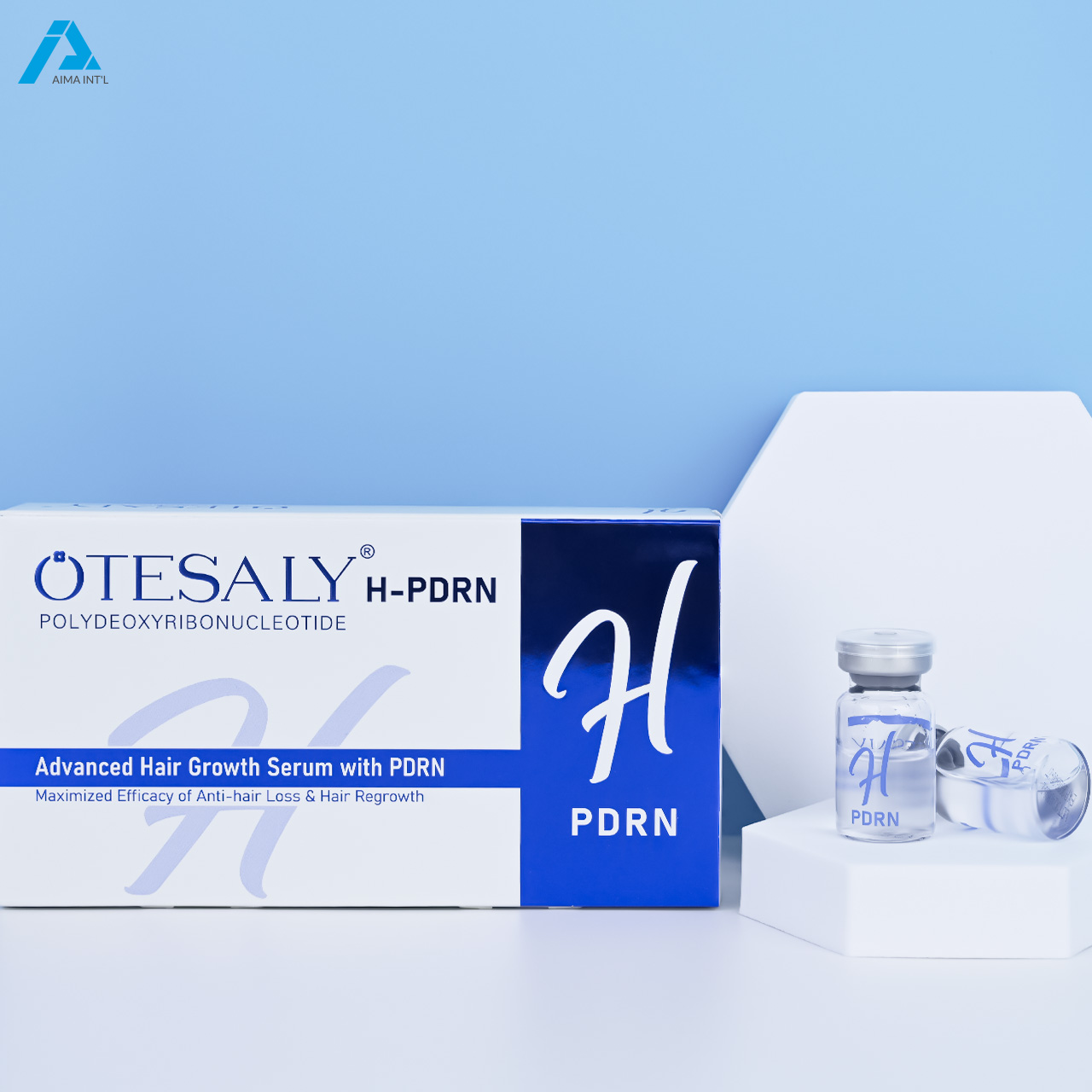
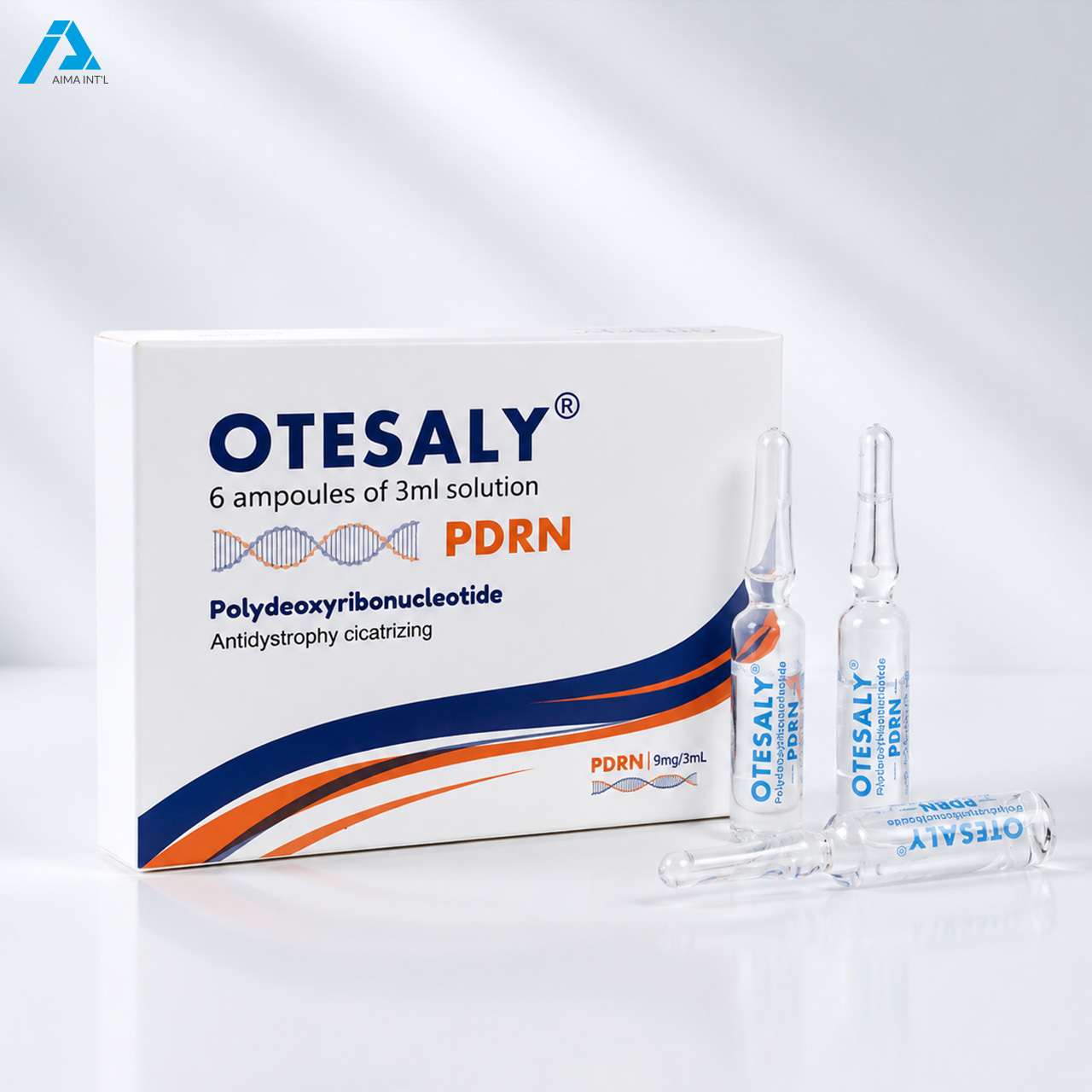
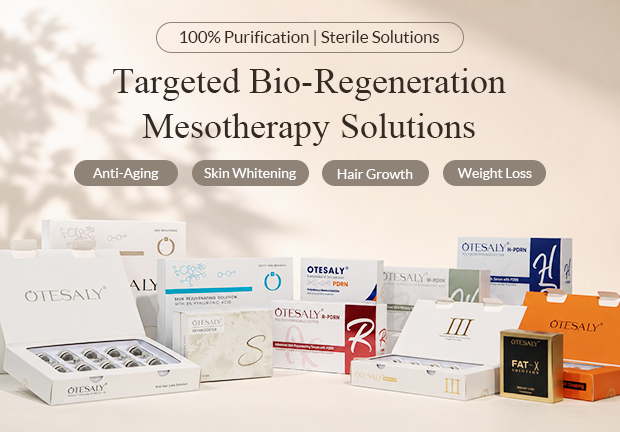
Our R&D team holds more than 1,000 mature formulations across dermal fillers, skin boosters, PDRN ampoules, collagen injectables, fat-dissolving solutions, and hair growth products, so brands can build full product lines with consistent, custom packaging that matches their brand identity. We once worked with a luxury anti-aging brand that requested fully biodegradable sugarcane paper boxes paired with metallic syringe plungers for their high-end filler line. Our sourcing team located medical-grade biodegradable packaging materials that met all sterile barrier requirements in 12 days, delivered production samples that matched the client’s vision, and fulfilled their first 3,000 unit order on the requested timeline. That brand has now worked with us for three years, with distribution across 17 European countries.
Many brands reach out to us initially looking for a supplier that can handle small-batch custom packaging. Over time, they find the packaging support is just one piece of what we offer. We adjust our support as brands grow: helping early-stage teams navigate compliance and launch on a tight budget, working with growing brands to refine packaging usability and build stronger brand recognition, and supporting scaled brands to reduce supply chain costs and speed up delivery times. Since 2003, we have watched more than 500 brands grow from small founder-led teams to regional market leaders. A well-designed, compliant custom package is the first point of trust between a brand and the clinicians and patients who use its products.
Copyright @ 2026 AIMA International Group Co., Ltd.