
Welcome to visit AIMA International Group
 Spain
Spain

Your browser version is too low, in order to ensure a better browsing experience,Please click to update to a higher version browser.
Talk about it later.XWelcome to visit AIMA International Group
Spain


.jpg)
Home > News > Industry Trends > Brand Logo Design for Medical Aesthetics Brands: Build Recognition & Trust for Your Custom Dermal Filler Line
Industry TrendsMost entrepreneurs entering the dermal filler space pour 90% of their startup budget into formula testing, distributor outreach, and clinic partnership negotiations. When it comes time for brand logo design, they hire a freelance graphic designer who mostly works with fast beauty brands, pick a trendy pastel color and curly script font, and send the files off to the packaging printer.
Weeks later, they drop off sample boxes at their target clinics, only to have procurement managers push the stock back across the desk. The glitter accents, loopy lettering, and cutesy icon read like a drugstore lip gloss, not an injectable medical device that will be placed in sterile treatment rooms and administered to patients. Have you ever wasted budget on a design that failed before you even made your first sale?
Logo design for consumer beauty brands follows one set of rules: grab attention fast, trigger emotional desire, and stand out on crowded retail shelves. Injectable medical aesthetics products—from dermal fillers to skin boosters to collagen stimulators—play by a completely different rulebook. The first job of a logo here is not to go viral on TikTok. It is to signal safety, clinical rigor, and regulatory compliance to clinic owners, injectors, and patients, before anyone reads a single word of your product brochure.
Back in 2022, a Barcelona-based founder reached out to our team at AIMA International. She’d spent six years working as an aesthetic nurse at a top local clinic, built a loyal client base, and decided to launch her own line of hyaluronic acid fillers. She paid 1,200 EUR for a logo from a designer who specialized in indie beauty brands, chose a soft millennial pink gradient with hand-drawn floral accents, and printed 5,000 product boxes to prepare for launch. She visited 17 clinics to pitch her line, and 14 turned her down immediately. The feedback was identical: the packaging looked like a casual cosmetic product, not something they felt comfortable injecting into a patient’s face. She was stuck with 20,000 EUR worth of useless packaging, unable to even give samples away.
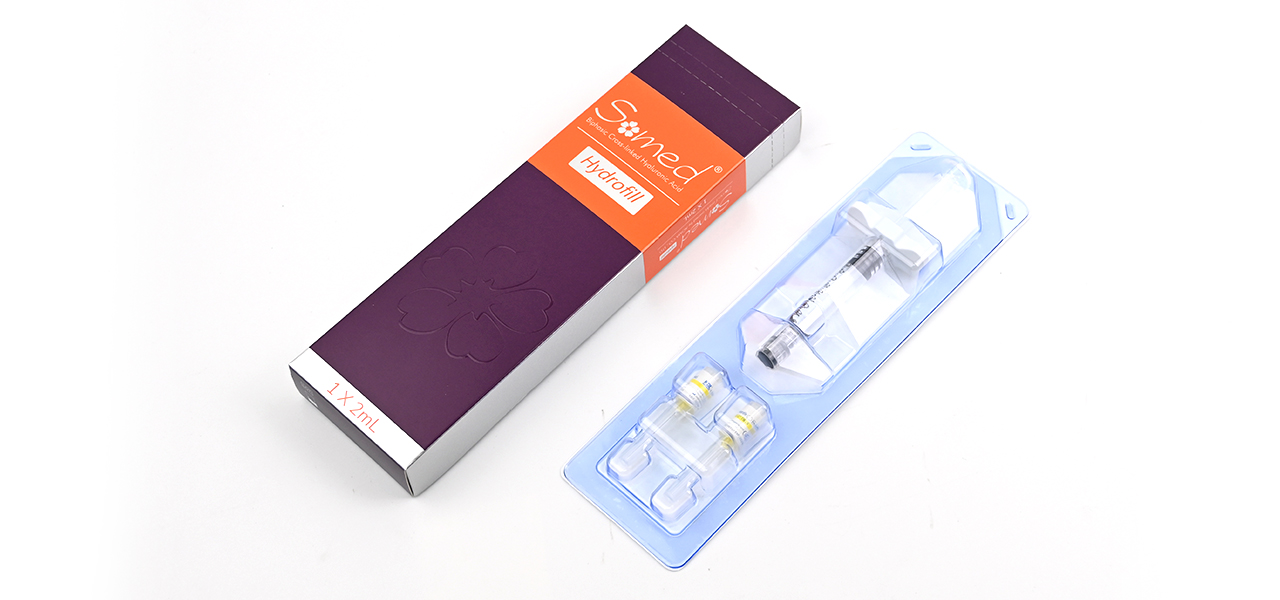
Data from the 521 brands we’ve supported over two decades of manufacturing shows a clear pattern. For dermal filler lines with identical formulas, pricing, and clinical support, logos that aligned with clinical professional perceptions had a 47% higher first-month sell-through rate than logos that leaned into casual beauty trends. Clinic owners make stocking decisions in seconds. A logo that feels out of place in a medical setting will not get a second look, no matter how good your product formula is.
There is no one “right” logo style for every aesthetics brand. The best designs tie directly to your core product, target audience, and sales channels. We guide every client through three non-negotiable checks during the design process:
A Los Angeles-based medspa chain learned this lesson the hard way in 2023. They’d developed their own private label filler line, and designed a logo in-house with sharp diamond shapes and bright fire-engine red branding. They ran a three-month pilot across their six locations, and found patients consistently hesitated when presented with the house brand. Even when nurses explained the formula was soft, natural, and made with the same high-grade HA as the premium international brands they carried, 32% of patients chose to pay more for the name-brand option. Post-consult surveys revealed the issue: the sharp angles and bright red color made patients assume the filler would be hard, painful to inject, and look unnatural. We adjusted their logo to use rounded edges, swapped the bright red for a muted burgundy that still felt premium, and kept the same core brand mark to retain existing recognition. In the second month after the redesign, their private label filler sales hit twice the volume of the third-party brand they’d carried for years.
Talented graphic designers exist in every market. Very few of them spend their days reading MDR updates, testing dermal filler rheology, or talking to clinic owners about what makes them trust a new product line. Hire a designer without deep aesthetics industry experience, and you will pay for that learning curve out of your own budget.
AIMA International Group Co., Ltd. has operated as a dedicated medical aesthetics manufacturer since 2003, and holds a top-10 ranking among global dermal filler manufacturers. Our 4,800 square meter production facility houses Class 100 GMP clean rooms and three dedicated production lines, with in-house R&D teams mastering both NASHA (Non-Animal Stabilized Hyaluronic Acid) and HICE (Highly Cohesive Crosslinking Technology) to create fillers that balance natural feel, long duration, and low swelling risk. We source medical-grade, non-animal derived hyaluronic acid priced at 45,000 USD per kilogram, with all raw material suppliers holding full CE GMP certification and undergoing regular third-party testing via SGS. Our formula library holds over 1,000 proven, market-tested formulations, with a total annual production capacity of 5 million units, and monthly output reaching 50,000 units.
Our OEM/ODM support does not stop at filling syringes and sealing boxes. We offer end-to-end support for new and established brands, covering brand positioning, brand logo design, custom packaging, and custom formula and concentration adjustments tailored to your target market. Our service model is built to remove the common barriers that keep new brands from launching:
We have watched new brands waste months of launch time tweaking font sizes and color swatches without tying those decisions to actual business goals. A founder building a budget-friendly filler line for first-time aesthetic patients might accidentally pick a luxury-focused logo with metallic accents and serif typography that makes patients assume the product costs 500 USD per syringe. When they price the product at 150 USD to match their target market, patients assume the low price means low quality, because the logo set an expectation of a premium price point. Our design team starts every project with a deep dive into your target audience, core sales channels, price point, and hero product benefits, so every design choice moves you closer to actual sales, instead of just winning design awards.
After 20 years in the industry, we have seen every possible logo misstep. Some are small fixes. Others cost brands tens of thousands of dollars in fines, legal fees, and wasted inventory.
A Canadian brand once launched a filler line with a logo that used a stylized molecular structure graphic meant to represent hyaluronic acid. The design was sleek, modern, and memorable—until they received a cease-and-desist letter from a global pharmaceutical company, which held a trademark on a nearly identical molecular graphic used for their blockbuster filler product. The brand settled the claim for 70,000 CAD, and was forced to scrap all existing packaging, marketing materials, and branded social media content two months after launch.
An Australian brand used a split before/after face icon in their logo to signal transformative results. The design violated Australia’s TGA rules for therapeutic goods advertising, which prohibit before/after imagery on injectable product branding. The brand was fined 120,000 AUD, and their products were removed from all clinic stockists until they completed a full brand redesign.
Countless new brands overload their logos with icons: syringes, water droplets, collagen fibers, crowns, flower petals, abstract shapes. The design looks great on a large computer screen, but when scaled down to fit a 1ml syringe label, all those tiny elements blur into an unrecognizable smudge. Patients cannot remember your brand name, and clinic staff struggle to pick your product out of a storage fridge full of similar boxes.
You can spend six figures on formula development, clinical testing, and distributor outreach. A single avoidable logo mistake can wipe out that entire investment before you make your first 100 sales.
A strong brand logo does not need to be complicated. It does not need to follow the latest TikTok design trend. It simply needs to signal clinical credibility to the clinics that stock your product, feel approachable and safe to the patients who choose your line, and stay memorable enough that patients ask for your brand by name at their next appointment. If you are preparing to launch your own aesthetics line, or struggling to gain traction with a current brand identity that feels misaligned with your goals, you can reach our team directly through supplierfiller.com to request case studies from brands in your target market, and talk through your product roadmap with no sales pressure.
Copyright @ 2026 AIMA International Group Co., Ltd.