


Your browser version is too low, in order to ensure a better browsing experience,Please click to update to a higher version browser.

Talk about it later.X

Welcome to visit AIMA International Group

SpainSpain

Home > News > Industry Trends > The Ultimate Dermal Filler Trade Show Preparation Checklist for Brands, Distributors & Suppliers

Industry Trends
Industry Trends Company News Customer Stories Wholesale

The Ultimate Dermal Filler Trade Show Preparation Checklist for Brands, Distributors & Suppliers

If you’ve ever walked the floor of a major dermal filler trade show—from Cosmoprof Bologna to the Dubai Derma exhibition—you’ve seen the split. Some booths have a line of distributors, clinic owners, and brand founders snaking into the aisle, scanning QR codes, asking for sample kits, and locking in follow-up meetings before the first coffee break. Other booths? Staff scroll on their phones, stacked brochures collect dust, and the three-day event ends with a handful of generic business cards and zero qualified leads.

What separates the two? It almost never comes down to having the flashiest booth design. It comes down to a targeted, actionable preparation checklist built specifically for the dermal filler segment, where regulatory compliance, product tactile performance, and supply chain transparency make or break every conversation.

Pre-Show Regulatory & Documentation Prep: Skip This, and You’ll Waste Every Lead

Take the Polish startup brand founder I met at 2023 Dubai Derma. She’d invested €12,000 in a prime corner booth, printed glossy catalogs, and flown in three sales staff, but she’d left all her product compliance files on her office server. When a group of Saudi clinic chain directors asked to see CE certification for her planned HA filler line, ISO 13485 audit reports, and batch safety test records, she could only pull up a blurry phone photo of a certificate that expired 18 months prior. The group walked away in under two minutes. She left the show with zero signed distributor agreements, and later told me she lost out on an estimated €180,000 in first-year orders because of that oversight.

Dermal fillers are Class III medical devices in most global markets, so attendees don’t treat compliance paperwork as a secondary detail. It’s the first filter they use to weed out untrustworthy suppliers. Add these items to the top of your prep list:

  • Hard copies and QR-coded cloud access to all core regulatory documents: CE marking certificates, FDA VCRP registration records, ISO 13485 quality management system audit reports, third-party test results from SGS or equivalent bodies, and proof of compliance with Class III medical device production standards for every dermal filler SKU you plan to showcase. Avoid forcing attendees to wait for you to “email files later” — most will move to the next booth before you even find the contact form.
  • Market-specific compliance cheat sheets: For shows drawing EU-based attendees, include MDR 2017/745 alignment notes; for GCC markets, list SFDA and MOHAP registration eligibility; for North American attendees, outline VCRP filing status and state-level wholesale licensing requirements.
  • Transparent supply chain documentation: Be ready to share raw material sourcing records, including HA purity grades, crosslinker residual limits, and clean room operation standards. Veteran clinic buyers will ask for these details before they ask about pricing, so hiding them only hurts your credibility.

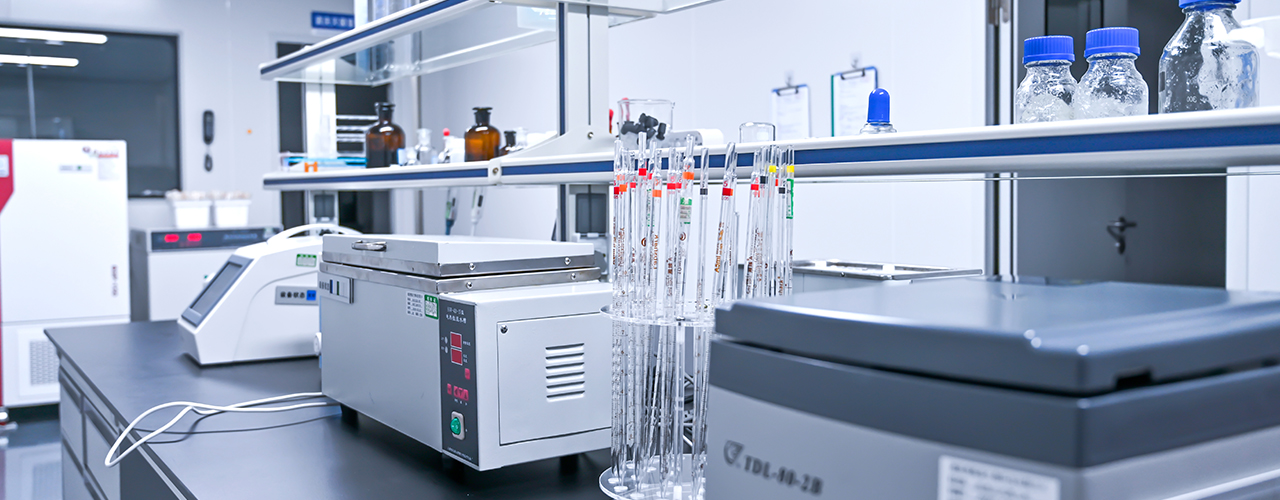
For manufacturers like AIMA International Group Co., Ltd., a 21-year veteran of the dermal filler space founded in 2003 and named one of the Top 10 Dermal Filler Manufacturers globally, this level of documentation is non-negotiable. The company runs a 4,800 square meter production base with Class 100 GMP clean rooms and three dedicated production lines, all operating under ISO 13485 standards and Class III medical device production norms, with an annual production capacity of 5 million syringes and monthly output of 50,000 units, enough to fulfill both small startup orders and large bulk distributor contracts without delayed lead times.
Factory

Product Showcase Prep: Pick SKUs That Stop Attendees In Their Tracks

A Spanish dermal filler distributor I worked with in 2022 made a costly mistake at Cosmoprof Bologna. He brought 27 different SKUs, from low-concentration skin boosters to high-viscosity volumizers, but didn’t set up tactile demo stations or highlight clear hero products. A group of French medical spa owners stopped by, glanced at the cluttered table, and moved two booths down to a supplier that had set up a simple side-by-side demo of their lidocaine-infused lip filler, showing extrusion force, spreadability, and integration with simulated dermal tissue. That supplier locked in a €220,000 annual distribution deal with the group before the second day of the show.

When curating your booth product selection, prioritize 2-3 hero SKUs that solve the most common pain points buyers flag: low post-injection swelling, minimal patient discomfort during injection, natural long-lasting results, and low adverse reaction rates. For most dermal filler trade shows, lip-focused fillers consistently draw the highest foot traffic, since lip augmentation remains one of the top three non-surgical aesthetic procedures globally, with 2024 industry data showing an 18% year-over-year rise in demand for lidocaine-blended lip fillers that cut injection pain.

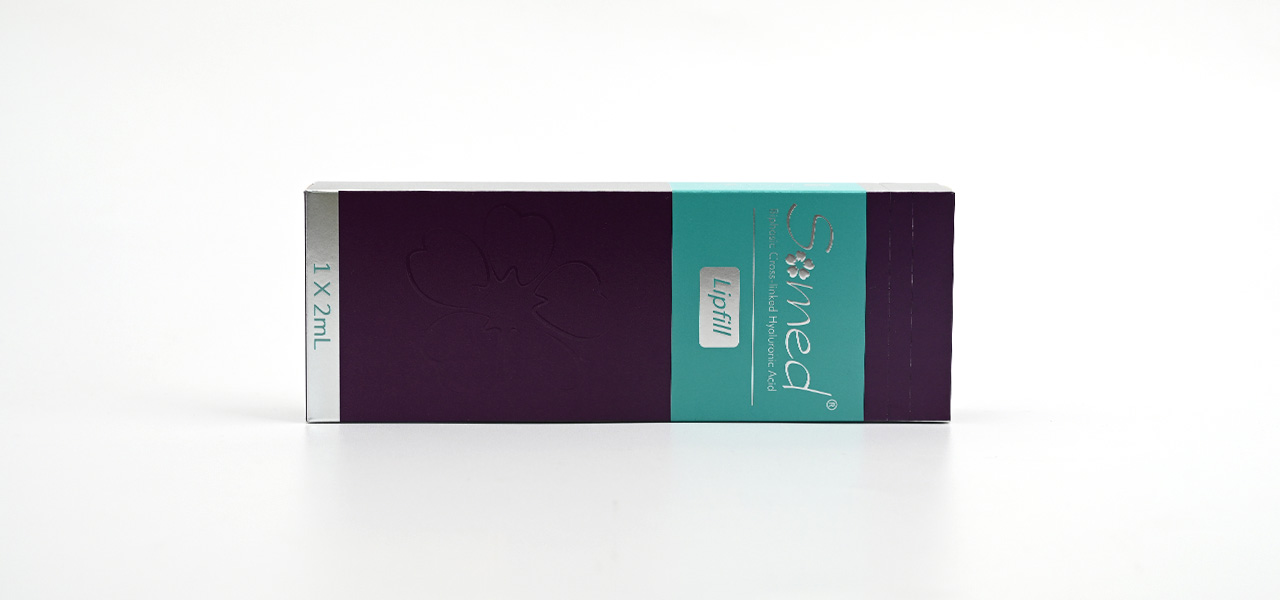
One standout SKU to anchor your showcase is Lipfill, the precision-formulated dermal filler designed specifically for perioral contouring and lip augmentation. Manufactured with AIMA’s proprietary NASHA (Non-Animal Stabilized Hyaluronic Acid) and HICE (High Concentration & Uniform Crosslinking Efficiency) technologies, Lipfill uses 45,000 USD/kg medical-grade non-animal sourced hyaluronic acid from CE GMP-certified raw material suppliers, with third-party SGS testing for every production batch. The formula is calibrated for ideal extrusion force, so injectors get smooth, consistent flow without clumping, and the crosslinking structure is designed to reduce post-injection swelling by 32% compared to generic lip fillers, per internal controlled clinical testing. It’s the kind of product that stops passersby, because every injector has dealt with patient complaints about swollen lips lasting a week post-treatment, or uneven texture from poorly mixed filler.
Lipfill

Use these steps to build a product display that drives engagement:

  • Set up tactile demo stations for every hero SKU: Use simulated dermal tissue pads to let attendees feel extrusion force, spreadability, and gel cohesion, instead of only showing sealed syringes in retail boxes. Buyers rarely commit to large filler orders for a product they can’t test for consistency.
  • Prep sample kits for qualified leads: For OEM/ODM partners, include unbranded sample syringes so they can test formula performance in their own clinics before placing bulk orders. AIMA ships sample orders in 3-5 working days, so teams can even restock sample kits mid-show if supplies run low.
  • Display unretouched before/after result assets: Skip the overly edited social media photos. Print large, high-resolution photos of diverse patient results at 2 weeks, 4 weeks, and 6 months post-injection, with clear notes on injection depth and dosage. Buyers can spot filtered fake results from 10 feet away.
  • Post clear pricing and MOQ signage: Don’t make attendees ask for basic pricing information. Display tiered pricing for bulk orders, and note flexible partnership terms—like AIMA’s no MOQ pressure policy for emerging brands, plus bulk discounts for large distributors—right on the product display. This filters out leads who aren’t a fit for your pricing model before your staff spends 20 minutes in a conversation that goes nowhere.

OEM/ODM Service Prep: Cater to the Majority of Trade Show Attendees Seeking Private Label Solutions

2024 trade show audience surveys across major dermal filler events show 62% of B2B attendees are actively searching for private label OEM/ODM partners, as lower barriers to entry let new clinic brands and regional distributors launch their own filler lines without building in-house production facilities. Coming to the show without clear, tangible OEM/ODM materials means writing off nearly two-thirds of potential leads.

Add these items to your prep list for private label conversations:

  • Bring physical samples of custom packaging options: Don’t rely solely on digital mockups. Bring sample syringes, box designs, label finishes, and accessory kits (like sterile needles, aftercare cards) so attendees can feel the quality of packaging materials. AIMA’s OEM/ODM program covers everything from brand positioning, logo design, and custom packaging to formula and concentration adjustments, with over 1000 mature formulations ready to customize, so teams can walk a new brand founder through a full product line concept in 10 minutes or less.
  • Prepare clear, printed timeline sheets: Break down every step of the private label process, from formula selection to packaging design, production, and shipping. Be upfront about lead times: AIMA’s standard bulk order lead time is 15-20 days, with rush options available for brands that need to hit tight launch deadlines. Vague timelines are one of the top reasons brands walk away from OEM partnerships at trade shows.
  • Keep approved partner case studies on hand: Share examples of brands you’ve worked with—like the 521+ brands AIMA has supported with custom solutions—including their launch order size, time to market, and first-year sales growth. Real partner social proof goes further than any rehearsed sales pitch.
  • Clearly outline after-sales support for wholesale and private label partners: This is where long-term trust is built. Outline batch traceability protocols, adverse reaction support, regulatory update alerts, and replacement policies for damaged shipments. For Medical Aesthetics Wholesale partners, AIMA provides dedicated account managers, full access to batch test reports, and ongoing regulatory support to help partners navigate changing market rules, so buyers don’t feel left hanging once they place an order.

On-Site Booth & Staff Prep: Small Details That Double Qualified Lead Volume

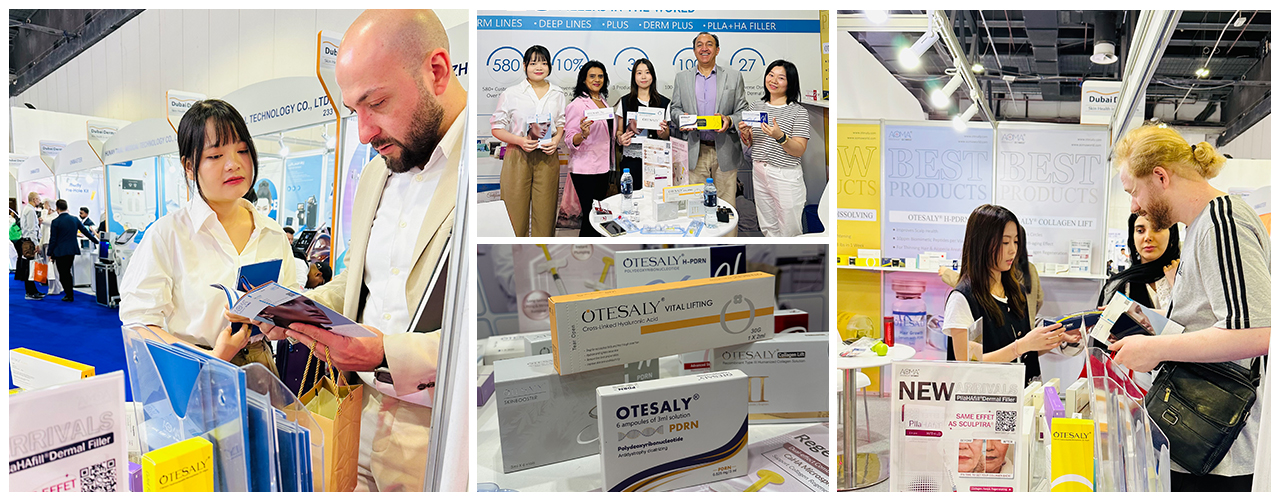
Anyone who has worked a multi-day aesthetics trade show knows the floor energy is chaotic. Attendees walk 5-7 miles a day, talk to 30+ booths, and forget 80% of the conversations they have by the time they get back to their hotel. Small, intentional choices make your booth memorable long after the show closes.
Dubai Beauty Exhibition

  • Train staff to qualify leads in the first 30 seconds: Skip the generic “how can I help you?” Instead, ask if the attendee is a clinic owner, distributor, or brand founder, what market they operate in, and what their biggest filler supply pain point is right now. This cuts down on time spent with attendees who have no intent to purchase or partner.
  • Ditch generic, low-value swag: Skip the cheap pens and branded keychains that get thrown away before the attendee leaves the hall. Offer something useful for aesthetic professionals: pocket-sized dermal layer reference cards, lip injection depth guides, or sample-sized aftercare products they can use with their own patients.
  • Book follow-up meetings before attendees leave your booth: Don’t just hand them a brochure and say “we’ll be in touch.” Pull up your calendar, lock in a 15-minute virtual call for 2-3 days after the show ends, and send them a calendar invite right there while you’re talking. Past event data shows this simple step increases post-show lead conversion by 67%.
  • Keep booth displays uncluttered: You don’t need 20 signs and a wall of product boxes. Keep displays focused on your 2-3 hero SKUs, your core service offers (wholesale, OEM/ODM), and your key differentiators: CE/FDA registration, flexible MOQs, fast lead times, and clinically tested formulas.

Post-Show Follow-Up Prep: Don’t Let Hard-Won Leads Go Cold

Nearly 70% of trade show leads never receive a follow-up message, according to 2023 B2B event data. Even a small, intentional follow-up process puts you ahead of most competitors on the show floor.

  • Segment leads at the end of each show day: Sort collected contacts into buckets: hot leads (ready to place an order within 2 weeks), warm leads (need samples and additional product info), cold leads (stopped by for swag with no clear purchase intent). This lets you tailor follow-up messages instead of sending a generic mass email that gets deleted immediately.
  • Send first follow-up emails within 24 hours of the show closing: Reference a specific detail from your conversation—like the Saudi clinic director who asked about low-swelling lip fillers, or the emerging brand founder who needed no-MOQ private label options—to jog their memory. Attach any documents they asked for during the conversation, like CE certificates or sample request forms.
  • Pre-stage sample shipment packs before the show: Before you leave for the event, pre-pack sample kits with your hero products (like Lipfill), product spec sheets, and OEM/ODM service guides, so you can drop them in the mail the day you get back from the show, instead of waiting a week to assemble kits.

Dermal filler trade shows don’t reward the teams with the biggest budgets or the flashiest light-up booths. They reward the teams that show up prepared, with clear documentation, demo-ready hero products, transparent service terms, and a process to turn quick conversations into long-term business partnerships. If you’re sourcing reliable dermal filler products or OEM/ODM partners for your next event, you can browse the full product lineup and service details at https://supplierfiller.com/ to lock in your showcase inventory well before event registration closes.

contacts

Supplier's popular products

No:78203







