



Welcome to visit AIMA International Group
 Spain
Spain

Your browser version is too low, in order to ensure a better browsing experience,Please click to update to a higher version browser.
Talk about it later.XWelcome to visit AIMA International Group
Spain




.jpg)
Home > News > Industry Trends > Supplier Onboarding for Aesthetic Distributors: Source Compliant, High-Margin Stock Without MOQ Hassles
Industry TrendsMarta, a Barcelona-based independent aesthetic distributor, lost €18,000 in 2023 to two common supplier pitfalls. Her previous manufacturer required a 500-unit per SKU minimum order, leaving her stuck with 1,200 units of slow-moving dermal filler 60 days from expiration. A separate shipment of uncertified PDRN ampoules was seized by Spanish medical regulators, netting her a €12,000 fine. She spent 11 weeks vetting new partners before finding a streamlined onboarding flow on supplierfiller.com, the vertical platform connecting verified medical aesthetic manufacturers with distributors worldwide.
Half a world away, the team at Gulf Aesthetic Supply, a mid-sized distributor serving 120 clinics across the UAE, lost a AED 120,000 annual contract with a leading clinic chain in 2022 when their previous supplier missed a delivery deadline by two weeks, right before the region’s biggest beauty industry event. They spent months testing suppliers before locking in a partnership that cut their delivery lead times in half and eliminated stockout risks during peak sales periods.
These stories are not outliers. Data from the International Association for Medical Aesthetics shows 62% of new aesthetic distributors fold within their first 18 months, and 78% of those failures tie back to missteps during the supplier onboarding process. Most new distributors focus exclusively on unit cost when evaluating partners, ignoring the compliance gaps, inflexible terms, and capacity limits that erode profits long-term.
The global dermal filler and aesthetic injectable market hit $15.2 billion in 2024, with distributors capturing gross margins between 35% and 55% on in-demand SKUs. Those margins vanish fast when you are stuck holding dead stock, paying regulatory fines, or issuing refunds for products that cause adverse patient reactions. Unlike retail or general cosmetics distribution, medical aesthetics operates under strict regulatory frameworks that vary by market, and distributors hold legal liability for every product they sell to clinics.
A solid onboarding process does more than just get you a price list. It verifies that your partner can deliver consistent quality, meet regulatory requirements for every market you serve, scale with your business as you add more clinic clients, and support you when issues arise. Many distributors turn to supplierfiller.com for this process because every manufacturer listed on the platform completes a pre-vetting process that checks certification status, production capacity, and client track records before they can list products, cutting down weeks of manual research for distributors.
Skip these steps, and you could end up writing off five- or six-figure losses before you hit your first year of sales. We pulled these checks from conversations with 72 top-performing aesthetic distributors across 23 countries, plus direct feedback from manufacturing partners that have served the industry for two decades.
Verify compliance documentation that stands up to regulatory audits
A lot of suppliers flash CE certificates on their website, but not all CE marks are created equal. Dermal fillers and injectable aesthetic products fall under Class III medical device rules in most markets, meaning they require a medical device CE certification, not a general cosmetic CE. You also need to confirm ISO 13485 quality management system alignment, third-party testing reports from firms like SGS, and relevant market registrations (such as FDA VCRP registration for U.S. distribution).
AIMA International Group Co., Ltd., a manufacturer named to the global Top 10 Dermal Filler Manufacturers list since 2019, makes all of these documents available for instant download to distributors going through onboarding on supplierfiller.com. Founded in 2003, the firm runs a 4,800 square meter modern production facility with Class 100 GMP clean rooms and three dedicated production lines, built to meet Class III medical device manufacturing standards.

The company sources high-purity, medical-grade, non-animal derived hyaluronic acid (valued at $45,000 per kilogram) from CE GMP-certified raw material suppliers, with every batch tested by third-party labs to eliminate cross-linker residue and biocompatibility risks. Its core production technologies, NASHA (Non-Animal Stabilized Hyaluronic Acid) and HICE (High Concentration & Uniform Crosslinking Efficiency)), are widely recognized in the industry for reducing post-injection swelling and extending product longevity without sacrificing natural feel.
Confirm order terms match your current business stage and growth goals
Marta’s first big loss came from a supplier that forced high minimum order quantities on new distributors, a common tactic for large manufacturers that prioritize big corporate clients over small, growing businesses. If you are just starting out, you do not need to order 1,000 units of a single SKU to test market demand. Look for partners that offer no MOQ pressure for new accounts, with tiered bulk discounts for larger distributors as you scale.
AIMA, for example, structures its onboarding terms to work for both emerging brands and large national distributors. Sample orders ship in 3-5 business days, bulk orders deliver in 15-20 days, and expedited production options are available for time-sensitive events like trade shows or peak clinic demand periods. The Gulf Aesthetic Supply team first connected with AIMA during the 2023 Dubai Beauty Exhibition, where they tested samples and walked through the onboarding flow in a 20-minute on-site meeting. They used the expedited production option to restock ahead of a major clinic promotion, avoiding the stockout issues that cost them their previous client.
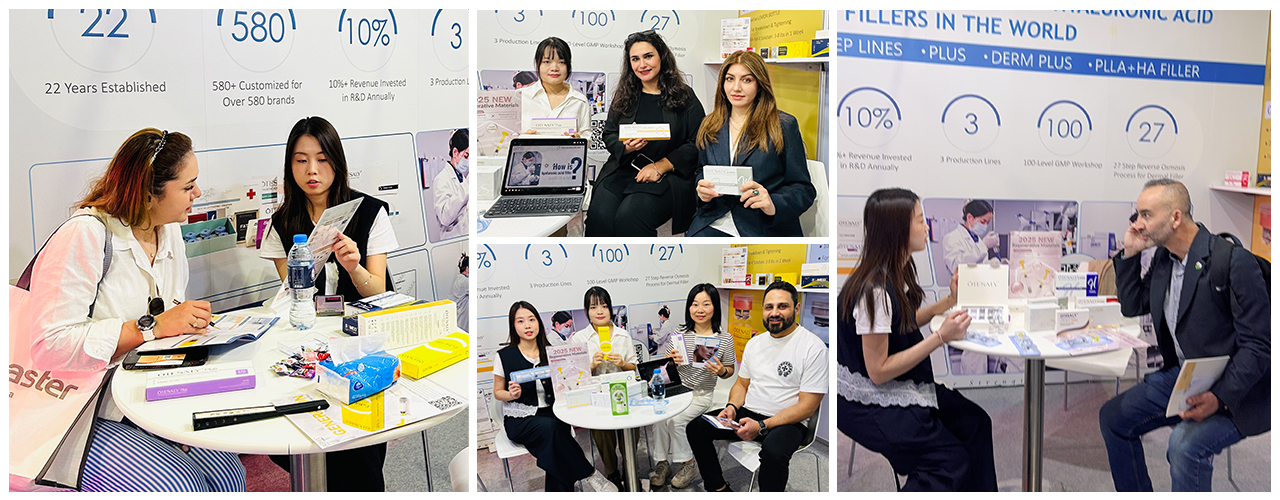
With a monthly production capacity of 50,000 units and annual output of 5 million units, the manufacturer can scale order volumes as a distributor grows, from 10-unit test orders to 100,000+ unit annual contracts without lead time delays.
Evaluate product portfolios against real clinic demand
You can sell a cheap filler once, but you will build long-term clinic loyalty with products that providers actually want to use. 2024 data from the American Society of Plastic Surgeons shows lidocaine-infused dermal fillers have a 47% higher patient satisfaction rate than non-lidocaine formulas, as the built-in anesthetic reduces injection pain without requiring additional nerve blocks. These SKUs also have 32% higher repurchase rates from clinics, making them a core staple for any distributor’s catalog.
One of the most requested SKUs for distributors completing onboarding via supplierfiller.com is Facefill Lidocaine, AIMA’s best-selling mid-face dermal filler formulated for nasolabial fold correction, cheek contouring, and mild facial volume loss.
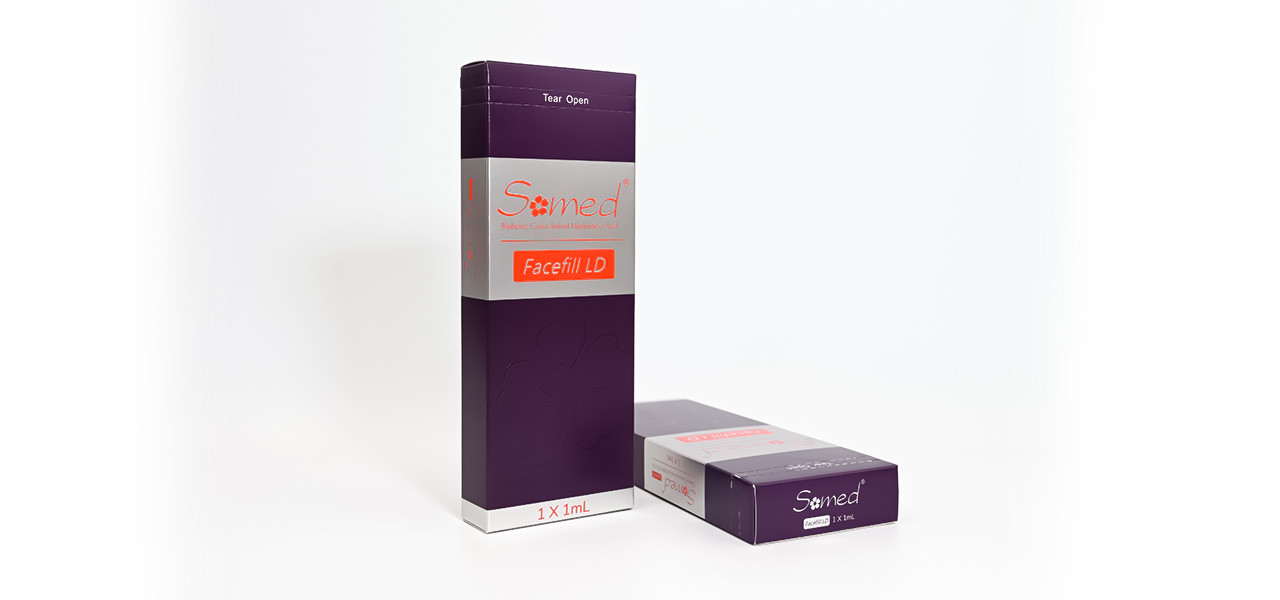
The formula uses the company’s NASHA and HICE technologies to deliver a smooth, easy-to-push consistency that providers prefer, with results lasting 8-12 months for most patients. Post-market surveillance data from 12,000+ patient treatments shows an adverse reaction rate of less than 0.3%, well below the industry average of 2.1% for HA fillers. Full compliance documentation for the SKU is available for EU, Middle East, and Southeast Asian markets, so distributors do not have to navigate complex registration processes alone.
Lock in clear post-sale support and custom service options
A lot of suppliers ghost distributors the second a payment clears. If a clinic calls you with a question about product usage, a batch-specific compliance request, or a quality concern, you need a partner that responds in hours, not weeks. Ask about dedicated account management, access to marketing and training materials for clinics, and clear resolution policies for quality issues during onboarding, not after you place a large order.
For distributors building their own private label brands, AIMA offers end-to-end OEM/ODM support covering brand positioning, logo design, custom packaging, and even formula and concentration adjustments to match specific market preferences. The company’s R&D team holds a library of more than 1,000 mature formulas across fillers, biostimulators, skin boosters, and hair restoration products, and has delivered custom solutions for more than 521 brands globally. All accounts get access to a dedicated support team that can pull batch-specific compliance documents within 24 hours, resolve quality concerns within 48 hours, and provide provider training materials to help distributors sell more effectively to clinics. All transactions completed through the platform are backed by the Medical Aesthetics Wholesale buyer protection program, which verifies product authenticity, mediates order disputes, and ensures distributors have every document needed to pass local regulatory checks.
You do not need a 50-person compliance team to onboard a reliable supplier. This four-step workflow cuts the average onboarding time from 11 weeks to 7 days, based on data from distributor partnerships on supplierfiller.com:
Complete pre-vetting via a verified industry platform
Skip the random social media ads and cold emails from unvetted traders. Use a platform specialized in medical aesthetic supply chains, where manufacturers have already submitted their certifications, production facility details, and client references for review. You can download audit reports, watch production facility walkthroughs, and read unfiltered reviews from other distributors before you ever reach out to a sales rep.
Test samples and align on your product mix
Never place a bulk order before testing samples with 2-3 of your most trusted clinic providers. Ask for feedback on push force, molding ability, post-injection side effects, and patient feedback to make sure the product matches what your client base wants. During this stage, you can also ask for custom formulation tweaks if you serve a niche market, such as softer fillers for lip augmentation or more volumizing formulas for body contouring.
Negotiate clear terms and finalize contracts
Any veteran distributor has a horror story about a contract that promised 7-day delivery but turned into 45 days of radio silence, with zero accountability for delays. Make sure your written contract includes clear lead time guarantees, quality defect resolution policies, discount tiers for larger orders, and intellectual property protections if you are using custom branding or formulas. Avoid partners that refuse to put these terms in writing.
Place a test order and set up ongoing support
Start with a small test order to verify packaging integrity, shipping speed, batch code traceability, and product consistency with the samples you tested. Once you confirm the first order meets your standards, connect your account manager to your sales and operations teams to set up reorder reminders, compliance file access, and training support for your clinic clients.
Even experienced distributors slip up on these points when rushing to add new products to their catalog:
Chasing the lowest unit cost above all else. Saving $2 per unit on 1,000 units puts $2,000 back in your pocket, but a single regulatory fine for uncertified product can cost $20,000 or more, and a single adverse patient reaction from low-quality filler can ruin your reputation across an entire region. A Polish distributor learned this the hard way in 2023, when a shipment of cut-price fillers with excessive cross-linker residue was seized by regulators, resulting in a 120,000 PLN fine that put him out of business.
Skipping batch testing because a brand is well-known. Parallel imported or counterfeit aesthetic products are a growing problem globally, with 1 in 5 dermal fillers sold through unregulated channels identified as counterfeit in 2023 EU market checks. Even if you work with a well-known brand, verify that your supply channel is authorized and that every batch has matching traceability documentation.
Ignoring production capacity when signing on. A small manufacturer might give you great pricing when you are ordering 50 units a month, but if you land a big clinic chain contract for 5,000 units a month and they can only produce 3,000, you will lose that contract to a competitor that can keep up with demand. Always ask for verified production capacity data during onboarding, not just verbal promises that they “can handle any order size.”
If you have spent hours cold emailing suppliers, chasing missing compliance certificates, or sitting on piles of dead stock from bad partnerships, you already know how much time and capital a smooth onboarding process saves. You do not need to juggle 10 different suppliers to build a profitable aesthetic distribution business. Partnering with a pre-vetted manufacturer through supplierfiller.com cuts out layers of middlemen, eliminates rigid MOQ requirements, and gives you access to the same product quality used by top global aesthetic brands.
Why waste another quarter testing unvetted suppliers when you can work with a partner that has already supported 521+ brands across 60+ countries, with the certifications, capacity, and support to help you grow?

Copyright @ 2026 AIMA International Group Co., Ltd.


