
Welcome to visit AIMA International Group
 Spain
Spain

Your browser version is too low, in order to ensure a better browsing experience,Please click to update to a higher version browser.
Talk about it later.XWelcome to visit AIMA International Group
Spain

.jpg)
Home > News > Industry Trends > Private Label Skin Booster Packaging Design: A Practical Guide for Aesthetics Brand Owners
Industry TrendsBack in Q2 2023, our sales team took a call from a medspa owner based in Miami. She’d partnered with an unvetted small-batch manufacturer to launch her own branded skin booster line, cutting corners on packaging design by using the factory’s generic template and slapping an unsubstantiated “FDA Approved” claim on the outer box. Her first shipment of 2,000 units was seized at customs the moment it hit the Port of Miami, and 300 additional units leaked in transit due to poorly sealed vial stoppers. Total out-of-pocket loss? $78,000, plus three months of wasted work building buzz for a product that never made it to her shelves.
Too many new entrants to the private label aesthetics space pour 90% of their energy into perfecting formulas, negotiating ad rates, and locking in clinic partnerships, then treat packaging design as a last-minute box-ticking exercise. For injectable products like skin boosters, dermal fillers, and PDRN ampoules, packaging is never just a container. It is the first line of regulatory defense, the first tangible interaction a customer has with your brand, and a core factor that determines if your product clears customs, gets stocked by premium clinics, and earns repeat purchases from end users.
Have you ever dumped ad spend into a product launch, only to watch conversion rates sit at a fraction of the industry average, with no clear reason why? A Seoul-based DTC aesthetics brand came to us in 2022 with exactly that problem. The team, made up of former beauty content creators, had selected a well-formulated PDRN-infused hyaluronic acid skin booster, priced it for mid-tier buyers, and poured $200,000 into TikTok and Coupang ad placements. Their click-through rate ran 18% above the category average, but conversion landed at a dismal 0.3%. Post-cancellation surveys revealed 68% of users who abandoned checkout said the product “looked like an unregulated white label, too risky to inject.” The brand had used their previous manufacturer’s free, plain white box design, with paper labels that peeled off at the edges and no visible security or authenticity markers. Even with a formula that matched the performance of top global brands, customers wrote it off as a cheap knockoff before they ever tried it.
Packaging for private label injectables serves three non-negotiable functions that generic, one-size-fits-all designs almost never deliver:
Our standard private label Skinbooster formula is tested for compatibility with 17 different medical-grade packaging materials before it ever hits the production line, so brands never have to worry about unexpected chemical reactions between formula and container.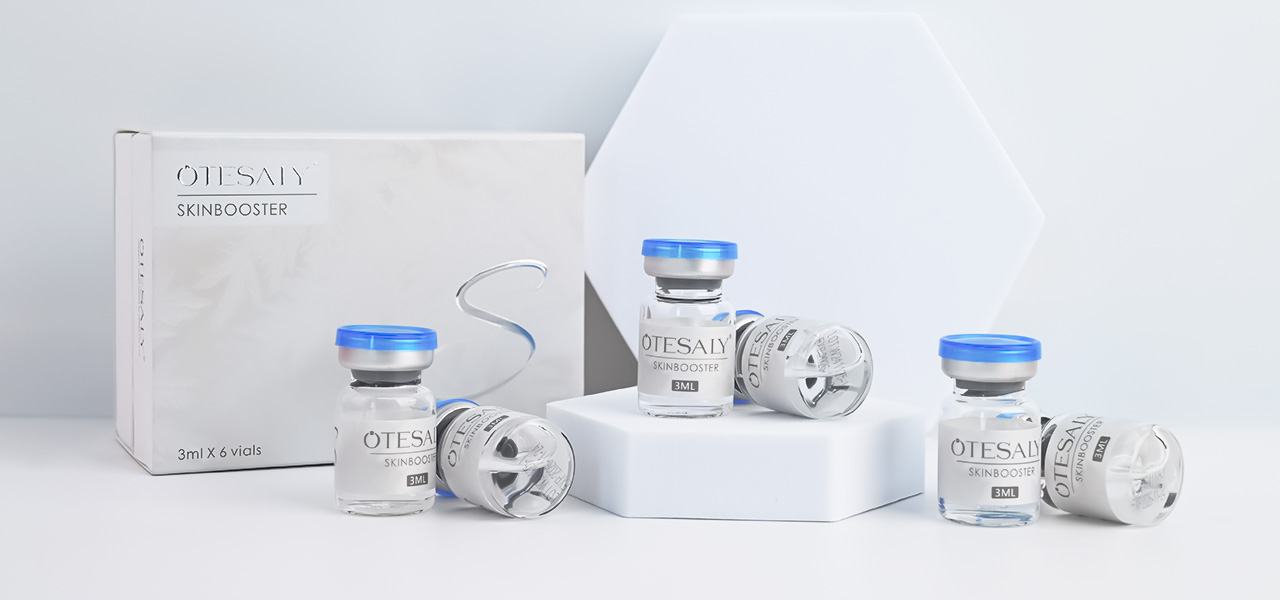
Many designers who cut their teeth on cosmetic packaging bring the wrong priorities to medical aesthetic projects, prioritizing flashy graphics over the functional and regulatory requirements that make a product sellable. Over 20 years of working with aesthetics brands, we’ve narrowed down three rules that separate high-performing private label packaging from designs that cost brands money.
First, map mandatory compliance elements before drafting any creative concepts. Our in-house design team starts every project by creating a compliance template tailored to a brand’s target market, blocking out required space for regulatory marks, lot codes, warning statements, and language requirements before selecting colors, fonts, or graphics. For brands selling into the Middle East, we pre-allocate space for Arabic-language instructions; for Southeast Asian markets, we reserve room for halal certification marks; for EU and U.S. clients, we cross-reference every label element against the latest regulatory updates to avoid last-minute reprints that delay launches.
Second, match packaging materials to the specific formula, not just the lowest price point. High-crosslinking dermal fillers require thicker, more shatter-resistant borosilicate vials to withstand pressure during filling and shipping, while low-viscosity skin boosters need coated butyl rubber stoppers to create a tight seal without leaching materials into the thin, watery formula. We run compatibility tests on every new packaging and formula combination, exposing sealed units to extreme temperature ranges (38°C heat, -5°C cold) to simulate cross-continental shipping, and test seal integrity under pressure to eliminate leak risks.
Third, align design choices with your core sales channel. Packaging that works for a high-end medspa will fall flat on a social media shop, and vice versa. Clinic-focused lines benefit from muted, professional color palettes, clean sans-serif fonts, and premium finishes like embossed logos that look polished on clinic display shelves. DTC e-commerce brands benefit from high-contrast, recognizable designs that stand out in social media unboxing content, plus scannable authenticity QR codes that let customers verify product legitimacy before use. Distribution-focused brands need built-in anti-diversion markers, like region-specific lot codes, to prevent cross-territory undercutting that erodes pricing power for retail partners.
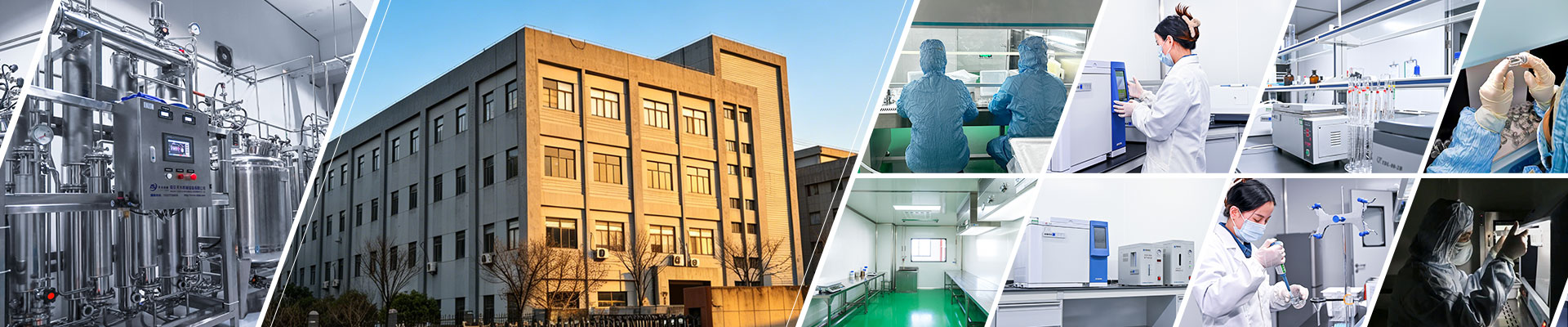
All packaging materials go through three rounds of quality inspection in our 4,800 square meter GMP Class 100 clean production facility before moving to the filling line, with zero tolerance for cracks, printing errors, or material defects.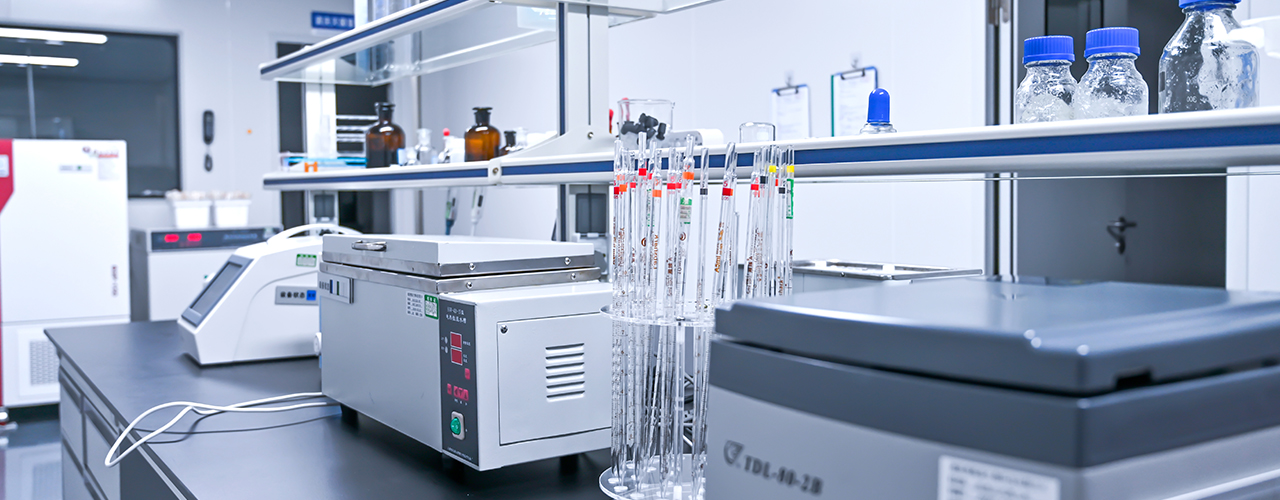
AIMA International Group Co., Ltd. launched in 2003 as a dedicated medical aesthetics manufacturer, building out OEM/ODM services for brands around the world over the past two decades. We hold a Top 10 Dermal Filler Manufacturer industry award, operate three dedicated production lines, and hold ISO 13485 quality management certification, Class III medical device production qualifications, EU CE certification, and U.S. FDA VCRP registration. Our in-house R&D team holds patents for NASHA and HICE formulation technology, works with CE and GMP-certified raw material suppliers audited regularly by SGS, and maintains a library of over 1,000 proven formulations across dermal fillers, PDRN products, fat dissolvers, hair growth solutions, and skin boosters.
We built our private label packaging program to eliminate the common pain points brands face when launching custom lines, from hidden design fees to impossible MOQ requirements that lock new brands out of the market. Our full-service support covers every step from initial brand positioning to retail-ready finished products:
To date, we’ve delivered custom private label solutions for over 521 aesthetics brands across 40+ countries, many of which started as small medspa operations and grew into regional leaders stocked in premium clinic chains and retail beauty outlets.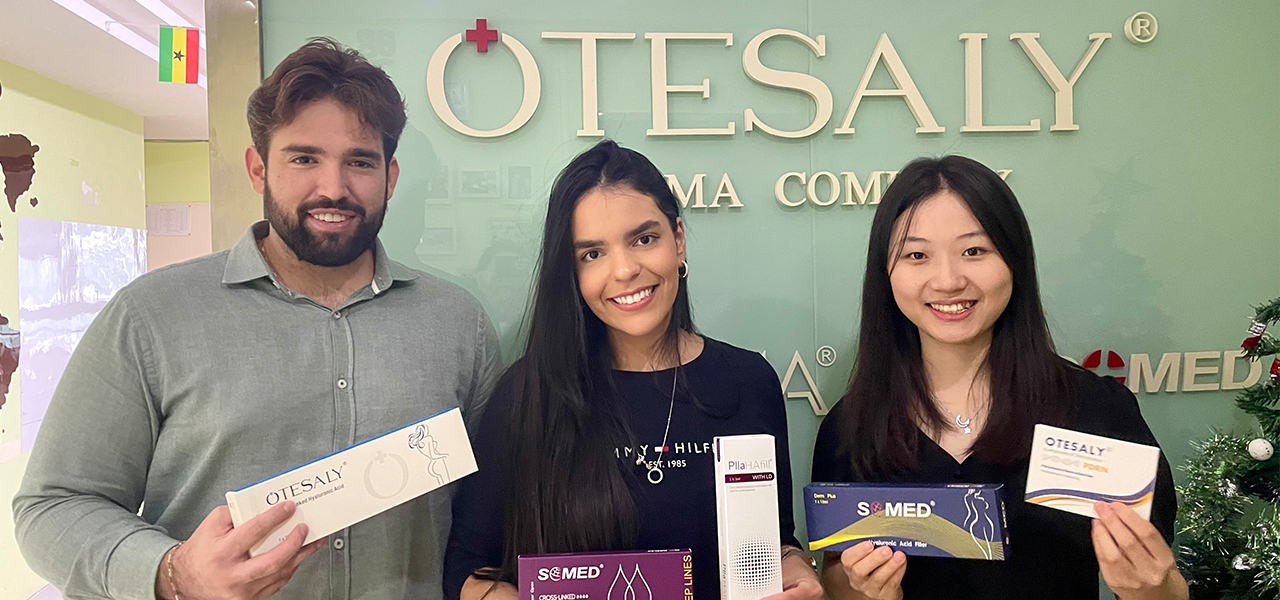
You will find no shortage of manufacturers offering private label services at 20-30% lower quotes than ours. Ask those suppliers three simple questions before you sign a contract: Can you provide third-party compatibility test reports for your packaging and formula combinations? Will you take financial responsibility if your packaging design fails regulatory checks and gets my shipment seized? Can I print my fully custom brand design on a 100-unit test order, with no extra fees? Most will dodge the questions, or point to “industry standard” practices with no concrete guarantees.
Think of the months you spend negotiating clinic partnerships, building social media buzz, and refining your brand voice. All that work can vanish the second a customer holds a flimsy, generic box in their hand, or a customs agent flags your shipment for a missing regulatory mark. Packaging is not an afterthought. It is the tangible representation of the quality you promise to every customer who trusts your brand with their skin.
If you are mapping out your first private label launch, or struggling to fix low conversion rates or compliance issues with your current supplier, reach out to our team with your target market, price point, and brand vision. We will share relevant packaging case studies, compliance checklists for your region, and transparent pricing with no hidden fees, so you can launch a line that looks as professional as the formula inside.
Copyright @ 2026 AIMA International Group Co., Ltd.