



Welcome to visit AIMA International Group
 Spain
Spain

Your browser version is too low, in order to ensure a better browsing experience,Please click to update to a higher version browser.
Talk about it later.XWelcome to visit AIMA International Group
Spain




.jpg)
Home > News > Industry Trends > Poly-L-Lactic Acid Injectable Quality Control: A Practical Guide for Aesthetic Brands and Distributors
Industry TrendsTalk to any veteran aesthetic clinic owner or brand operator about poly-L-lactic acid (PLLA) injectables, and you will likely hear war stories about late-onset nodules, granulomas, and unexplained swelling that derailed client trust and cost brands six-figure sums in settlements. Most of these issues are not tied to poor injection technique. They trace straight back to gaps in poly-L-lactic acid injectable quality control during manufacturing.
In 2022, we connected with a startup aesthetic brand founder from Spain who learned this lesson the hard way. She sourced private label PLLA injectables from a small, unvetted contract manufacturer in Southeast Asia, drawn to a quote 35% below the industry average. The samples looked identical to premium PLLA brands on the market, so she placed an order for 2,000 units and distributed them to 12 local clinics.
Within three months, 47 clients reported hard, tender nodules on their cheeks, with some symptoms lingering for six months. She sent leftover units to a third-party lab for testing and uncovered three critical quality failures:
She ultimately spent close to 1.2 million euros on client settlements and PR crisis management. Her brand’s e-commerce store rating dropped to 2.1/5, and she nearly shut down operations entirely.
Many new market entrants assume PLLA injectable production is as simple as filling vials with lyophilized poly-L-lactic acid powder. In reality, there are 72 distinct quality checkpoints from raw material sourcing to final product release. A single misstep at any point can create cascading risks for distributors, clinics, and the patients who receive the injections.
The global PLLA filler market is flooded with products marketed as “medical-grade,” but few meet the strict quality thresholds required for safe, consistent results. As you evaluate suppliers, hold every product to these measurable standards:
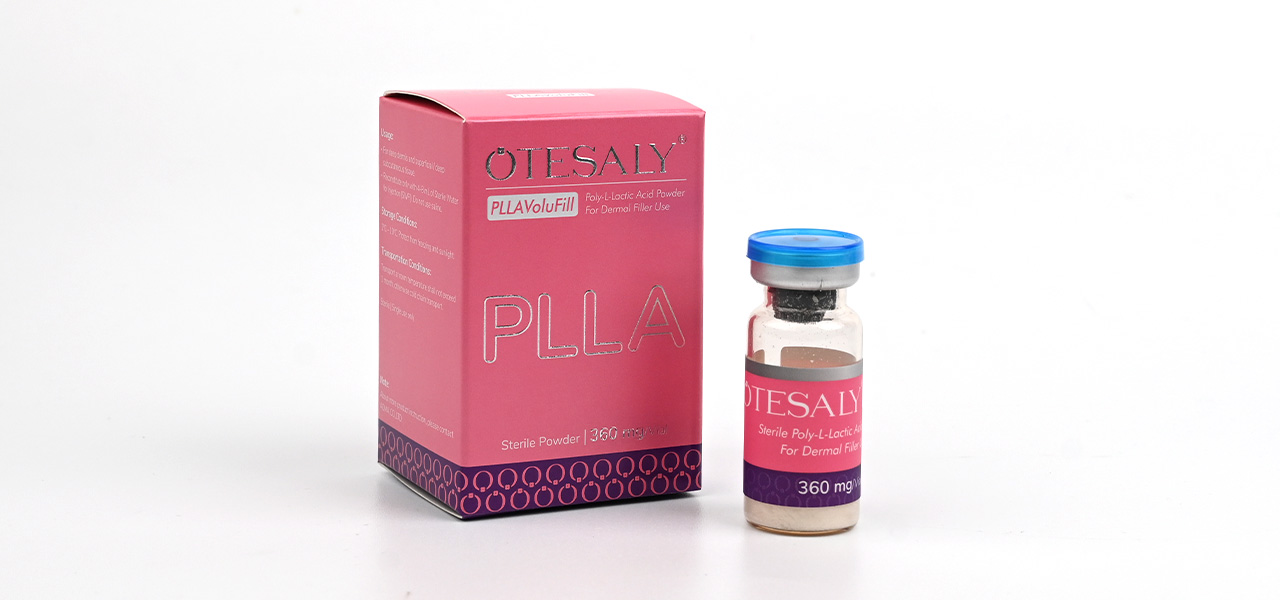
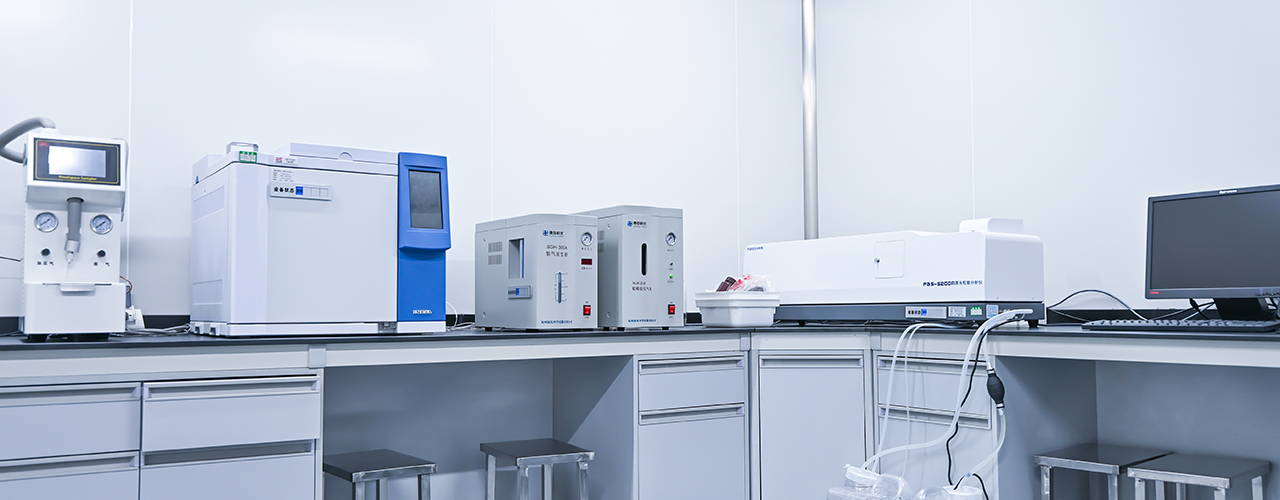
You do not have to source from unlicensed backyard operations to run into quality issues. Even established brands have been burned by suppliers who cut corners on documentation and process controls to boost margins.
In 2023, we met a large Saudi Arabian aesthetic distributor at the Dubai Beauty Exhibition. A few months prior, he had placed a 50,000-unit order for PLLA injectables from a low-cost supplier, with plans to distribute stock across 300 clinics and medical centers across Saudi Arabia. The shipment was seized at customs because the supplier could not provide full raw material traceability records or biocompatibility test reports required for local medical device registration.
He spent three months trying to source the missing documentation, only to discover the supplier’s endotoxin test reports had been forged. The entire shipment was sent back, costing him $280,000 in lost inventory. Worse, he missed the Ramadan aesthetic sales peak — the highest-demand period of the year in the Gulf region — and 17 exclusive clinic partners dropped his brand to work with competitors, leading to more than $1 million in lost annual revenue.
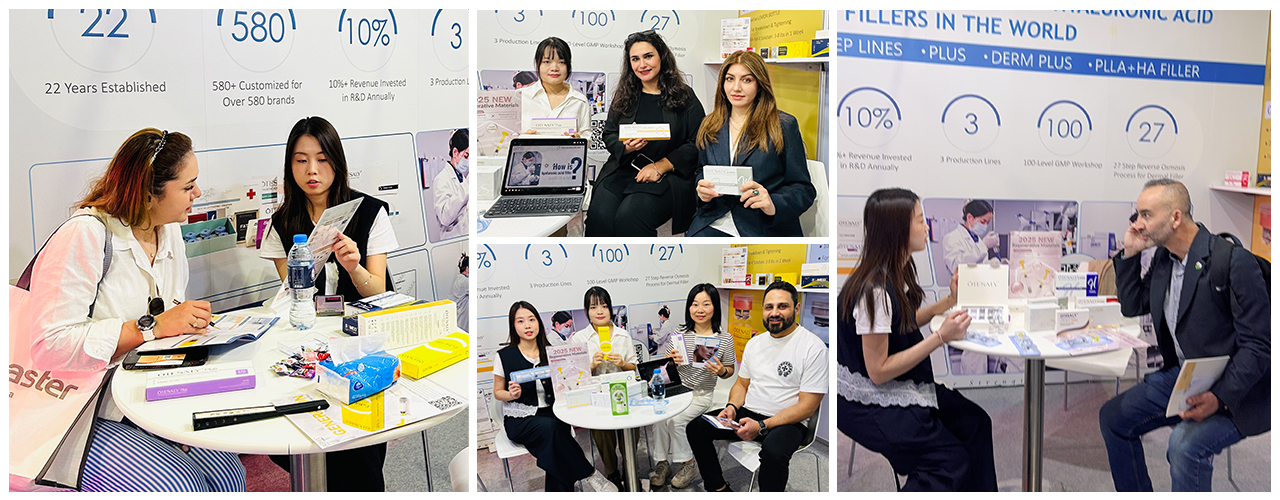
These stories are far more common than you might think. Many suppliers advertise CE or FDA approval for their PLLA products, but hold certifications for cosmetic-grade formulations, not Class III medical devices. They skip critical testing steps to cut costs: using industrial-grade PLLA instead of medical-grade polymer, eliminating the fine sieving step for microspheres, cutting lyophilization cycles from 48 hours to 12 hours to speed up production, or skipping final sterility testing for entire batches. These gaps are nearly impossible to spot from a single sample vial. They only come to light when patients report adverse reactions, or when a shipment is held at the border for missing documentation — and by then, the damage is done.
AIMA International Group Co., Ltd. has manufactured medical aesthetic products since 2003, earning a spot among the top 10 dermal filler manufacturers globally. To date, we have delivered custom aesthetic solutions for more than 521 brands across 60+ countries. We do not treat quality control as an afterthought — it is built into every step of our production process for PLLAVoluFill and all our injectable lines, aligned with ISO 13485 quality management standards and Class III medical device manufacturing requirements. Our facilities hold EU CE certification and US FDA VCRP registration, so partners never have to worry about compliance gaps when registering products in their local markets.
Our quality framework is built around four core pillars for PLLA production:
The global PLLA filler market is growing fast, with 2023 sales topping $1.2 billion as more patients seek long-lasting collagen-stimulating results. This growth has drawn dozens of new suppliers into the space, many competing on rock-bottom prices that seem too good to pass up. Do the math: high-purity non-animal sourced medical-grade raw materials used in premium injectables — from medical-grade PLLA polymer to the non-animal hyaluronic acid we use in our HA filler lines, which costs as much as $45,000 per kilogram — carry significant production costs before accounting for cleanroom operations, multi-stage testing, and regulatory compliance. Any price that falls far below the market average is almost certainly tied to cut corners in quality control.
For injectable products that stay in a patient’s body for 1–2 years, skimping on quality is never a good bet. We have worked with hundreds of brands that learned this the hard way, losing years of brand equity and six- or seven-figure sums after running into quality issues with low-cost suppliers. The Spanish founder who reached out to us in 2022, for example, launched her rebranded PLLA line using PLLAVoluFill in early 2023. She has sold more than 120,000 units to date, with zero reported adverse events tied to product quality, and took home a local aesthetic industry new brand award last year. The Saudi distributor we met in Dubai now places a monthly 8,000-unit order for PLLAVoluFill, and has expanded his distribution network to cover the UAE and Qatar this year.
If you are searching for a reliable PLLA injectable partner, or struggling with inconsistent quality from your current supplier, we encourage you to request samples of PLLAVoluFill to test independently. Run particle size tests, check endotoxin levels, evaluate reconstitution stability, and compare performance against any other product on the market. Quality is not a marketing claim printed on a brochure. It is the confidence you feel when you hand a product to a clinic, knowing it will deliver consistent, safe results for every patient.

Copyright @ 2026 AIMA International Group Co., Ltd.


