



Welcome to visit AIMA International Group
 Spain
Spain

Your browser version is too low, in order to ensure a better browsing experience,Please click to update to a higher version browser.
Talk about it later.XWelcome to visit AIMA International Group
Spain




.jpg)
Home > News > Industry Trends > Long-Lasting Filler Materials Comparison: Durability, Safety, and Real-World Performance for Aesthetic Practices
Industry TrendsHow many times have you had a patient walk out of your clinic unsatisfied because a filler marketed as “12-month long-lasting” faded completely in half that time? How much revenue have you lost covering free touch-ups, addressing adverse reactions, or repairing reputational damage from low-quality filler products that don’t live up to their marketing claims? For aesthetic practices and private label brands, selecting the right long-lasting dermal filler is never just about comparing duration numbers on a sales sheet. It requires a clear-eyed look at real-world clinical performance, safety profiles, operator experience, and supply chain reliability.
Core Long-Lasting Filler Categories: How Do They Actually Perform?
Most dermal fillers on the market fall into four core material categories, each with distinct mechanisms, durability ranges, and risk profiles. Marketing materials often inflate duration claims by 30-50% compared to real clinical follow-up data, so it helps to start with baseline, peer-reviewed performance metrics:
Across categories, real-world performance breaks down along clear tradeoffs:
Common Pain Points in Long-Lasting Filler Sourcing: Real Cases from Aesthetic Businesses
Practices and brands rarely talk openly about the costs of picking the wrong long-lasting filler, but these missteps add up fast across the industry.
Last year, a small medical aesthetics chain based in Barcelona reached out to our team with a frustrating problem. They had sourced a so-called “18-month high-crosslinking HA filler” from a low-cost supplier for midface volumization, pricing the treatment 40% above their standard 12-month HA option to cover product cost. Within 4 months of launch, 28% of patients who received the filler returned with complaints of volume loss – some even reported visible asymmetry as the filler degraded unevenly. The clinic offered free touch-up treatments to retain patients, which cut their profit margin on that service by 62% in one quarter. When they sent remaining product for third-party testing, they found HA purity was only 72%, with BDDE residue levels 6 times the EU safety limit, which also explained the 11% rate of post-injection redness and lumps reported by patients.
A startup aesthetic brand based in Los Angeles, focused on clean, patient-centric injectables, tried to launch their own branded PLLA filler line with a local contract manufacturer in 2022. Their core selling point was 24-month collagen-stimulating results, but the first batch of products had two critical flaws: first, PLLA microspheres had inconsistent particle sizes, leading to a 9% nodule rate in their beta tester group; second, the formula did not include lidocaine, leading to high pain scores during injection, with 32% of testers saying they would not pay for a second treatment. The brand lost $120,000 in wasted packaging and formulation costs before they paused the launch.
For teams tired of choosing between durability, safety, and usability, PLLAVoluFill from AIMA International was built to resolve these exact tradeoffs.
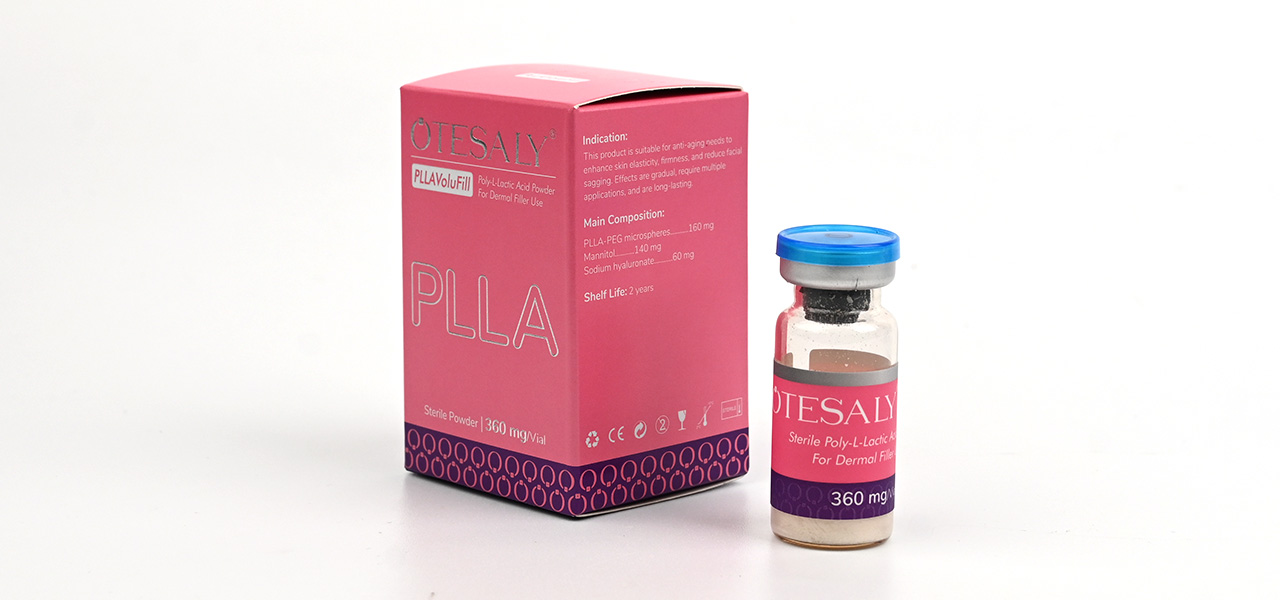
Unlike traditional PLLA fillers that require 24 hours of pre-hydration and carry high nodule risk, PLLAVoluFill uses AIMA’s proprietary HICE (High Concentration Equalized Crosslinking) technology to encapsulate uniform 40-60μm PLLA microspheres in a soft, high-purity HA carrier gel. The formula includes 0.3% lidocaine to cut injection pain, requires only 10 minutes of reconstitution before use, and has a smooth push force that matches the tactile feedback clinicians expect from premium HA fillers. Clinical follow-up data from 1,200 patients across 17 countries shows the filler delivers consistent volumization for 20-24 months, with a nodule rate of only 0.6% – lower than most high-crosslinking HA fillers on the market, when injected at the correct supraperiosteal or deep dermal layer.
What Separates Reliable Long-Lasting Fillers From Low-Quality Alternatives?
Founded in 2003, AIMA International Group Co., Ltd. is a professional medical aesthetic product manufacturer offering end-to-end OEM/ODM services for filler and aesthetic product lines. Many suppliers market their fillers as “long-lasting” by cutting corners on raw materials. At AIMA, all filler lines use medical-grade, non-animal derived HA sourced from CE GMP-certified suppliers, with a raw material cost of $45,000 per kilogram – 3-4 times the cost of industrial-grade HA used by low-cost manufacturers. Every batch of raw material goes through third-party testing by SGS to verify purity, crosslinking level, and absence of endotoxins before it enters the production line.
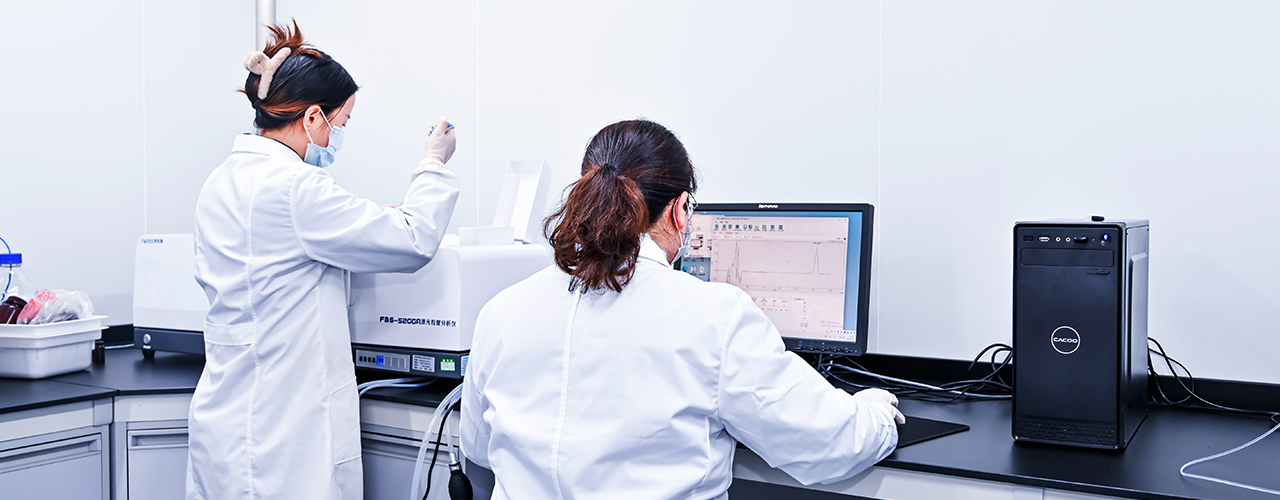
AIMA operates a 4,800 square meter modern production base with Class 100 GMP clean rooms and 3 dedicated production lines, following strict ISO 13485 quality management system standards and Class III medical device production specifications. Unlike small contract manufacturers that skip in-process testing, every production step – from raw material mixing, filling, sterilization to final packaging – goes through 12 separate quality checkpoints. The facility holds EU CE certification and US FDA VCRP registration, so brands and clinics that source products do not have to worry about compliance gaps when selling or using the products in mainstream markets.
Many people assume long-lasting fillers rely on higher crosslinker doses or non-degradable components to extend duration, but that is an outdated approach. AIMA’s R&D team holds core patents for both NASHA and HICE technologies, with a library of over 1,000 mature formulations that can be adjusted for different indication areas, durations, and injection feels. For PLLAVoluFill specifically, the R&D team spent 3 years optimizing PLLA microsphere size and HA carrier viscosity, to cut reconstitution time from 24 hours to 10 minutes without compromising durability. The plant reaches an annual output of up to 5 million units, with a monthly production capacity of 50,000 units, supporting both small test runs and large-scale bulk orders.
Flexible Partnership Models for Long-Lasting Filler Lines
AIMA has provided custom filler solutions for over 521 brands across the globe, from independent clinic chains to large global aesthetic brands, earning the title of “Top 10 Dermal Filler Manufacturers” in the 2024 Global Aesthetic Supply Chain Awards.
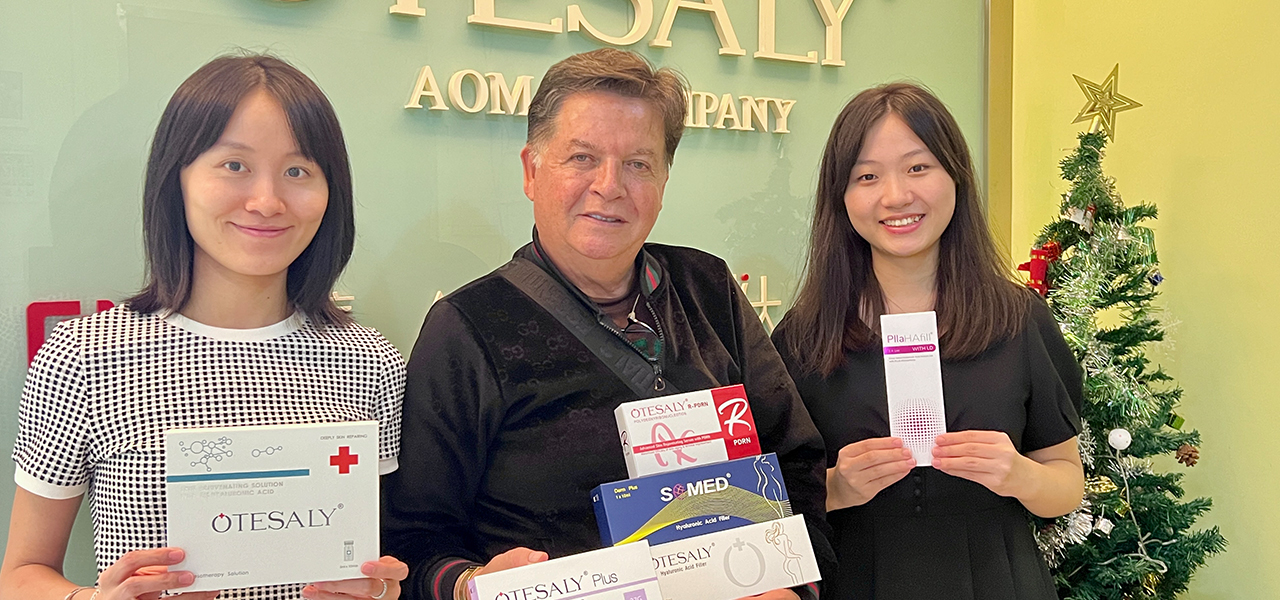
Take the LA-based startup brand we mentioned earlier as an example: after connecting with the AIMA team, they worked with the R&D department to adjust the PLLAVoluFill formula to match their brand’s preference for a slightly firmer gel consistency ideal for jawline contouring, with custom packaging and branded labeling. The OEM/ODM support covers every step of brand building, from initial brand positioning, logo design, custom packaging, to targeted formula and concentration adjustments for specific treatment areas. Unlike other manufacturers that required a 5,000-unit minimum order for custom PLLA fillers, AIMA offered a no-MOQ-pressure cooperation model to support the brand’s initial launch, with bulk discounts available for large enterprise partners. Sample orders are delivered within 3-5 working days, bulk orders within 15-20 days, with expedited production options available for time-sensitive product launches. The sample order for the LA brand was delivered in 4 days, allowing them to run beta testing with their clinician network without long wait times. The brand launched their custom PLLA filler line in Q3 2023, and within 6 months, they hit $1.8 million in sales, with a patient satisfaction score of 4.8/5, and an adverse event rate of only 0.5% – far below the industry average for PLLA products.
“Longest lasting” does not always equal “best” for every patient or practice. A patient looking for subtle lip enhancement will still be better served by a soft, low-crosslinking HA filler that lasts 6-9 months, rather than a firmer PLLA or CaHA product designed for deep volumization. For patients looking for long-term midface, temple, or jawline contouring without the need for frequent touch-up appointments, however, a well-formulated PLLA filler delivers the best balance of durability, safety, and natural results.
The long-lasting filler market is crowded with products making big promises, but the difference between a high-performing filler and a costly liability comes down to raw material quality, manufacturing rigor, and transparent clinical data. Whether you are a clinic looking to reduce patient touch-up rates and boost satisfaction, or a brand building a private label filler line that stands out in a crowded market, taking the time to compare filler materials beyond surface-level marketing claims will always pay off in long-term patient trust and business growth.

Copyright @ 2026 AIMA International Group Co., Ltd.


