



Welcome to visit AIMA International Group
 Spain
Spain

Your browser version is too low, in order to ensure a better browsing experience,Please click to update to a higher version browser.
Talk about it later.XWelcome to visit AIMA International Group
Spain




.jpg)
Home > News > Industry Trends > PLLA vs HA Filler: Key Differences, Longevity, Use Cases & Which Fits Your Practice
Industry TrendsWalk into any medspa or cosmetic dermatology clinic in North America, Europe, or the Middle East, and you will hear the same question from both new injectors and veteran practice managers: when choosing between PLLA vs HA filler, which delivers better patient satisfaction, higher margins, and fewer headaches for the practice?
We heard this exact question from two separate clinic owners in 2023. The first ran a 3-injector practice in Miami, Florida, that stocked only cross-linked HA fillers across all treatment areas. Over 6 months, they tracked 17 patients who returned 6-8 weeks post midface injection complaining their filler had “disappeared” faster than expected, with many stating they would not pay for repeat treatments at the same price point. The second operated a high-end medspa in Dallas, Texas, that had switched its entire volumizing filler line to pure PLLA to market longer-lasting results. Within 3 months, their front desk team was fielding 8-10 calls a week from confused patients who saw zero visible change immediately after their appointment, convinced their injector had made a mistake.
These are not isolated incidents. The global dermal filler market is saturated with marketing that frames PLLA and HA as competing, mutually exclusive options, forcing buyers to pick one set of tradeoffs over the other. The reality is far more nuanced.
Hyaluronic acid (HA) fillers are gel-based formulations made from crosslinked hyaluronic acid, a sugar molecule naturally present in human skin and connective tissue. Medical-grade HA used in premium fillers is non-animal derived, produced via bacterial fermentation to eliminate risk of animal-related allergic reactions. When injected into the dermis or subcutaneous layer, the HA gel binds to water molecules to add immediate volume, smooth lines, and shape facial contours. All HA fillers are fully reversible with hyaluronidase, an enzyme that breaks down HA gel within 24-48 hours to correct overcorrection, asymmetry, or adverse events.
Poly-L-lactic acid (PLLA) fillers are classified as collagen biostimulators, rather than immediate volumizing gels. PLLA is a biocompatible, biodegradable synthetic polymer that has been used in surgical sutures for decades. When injected as micron-sized spheres into deep dermal layers, PLLA does not add immediate volume on its own. Instead, it triggers a mild, controlled inflammatory response that signals fibroblasts to produce new native collagen over 4-6 weeks, gradually building volume and improving skin thickness as the microspheres break down naturally in the body.
The two filler types serve overlapping but distinct clinical purposes, and their performance varies widely across the metrics patients and practices care about most:
Many clinic owners and wholesale buyers get stuck choosing one filler type over the other, assuming they have to stock separate SKUs to meet every patient’s needs. This is exactly why manufacturers with mature R&D pipelines have developed hybrid formulations that bridge the gaps between pure HA and pure PLLA options. 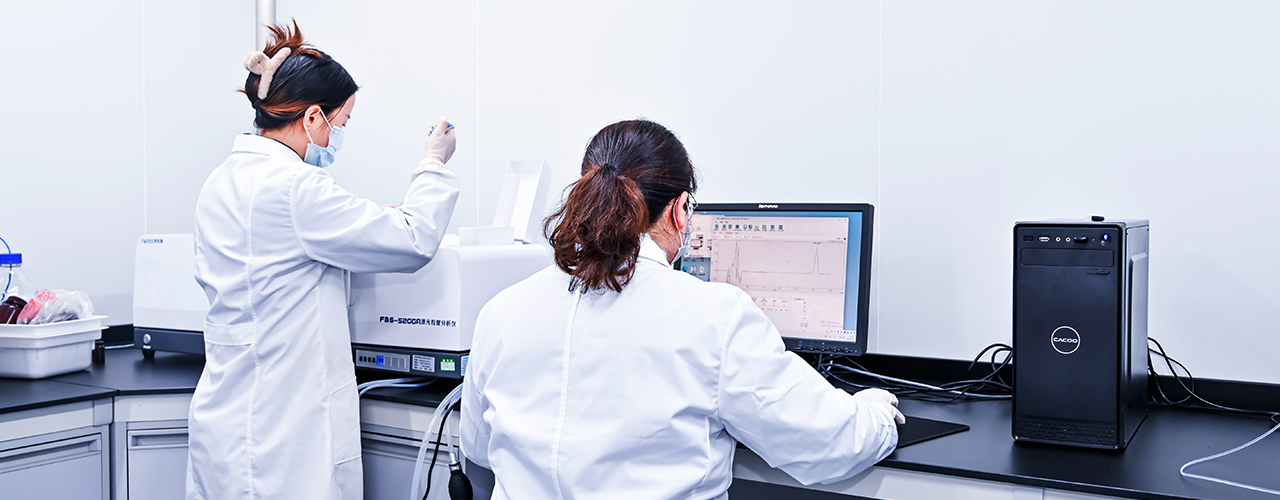 As a dermal filler manufacturer operating since 2003, AIMA International Group Co., Ltd. built its 4,800-square-meter production facility with Class 100 GMP clean rooms and 3 dedicated production lines to meet global demand for both standalone and blended filler formulations. The company holds ISO 13485 quality management certification, follows Class III medical device production standards, is listed on the U.S. FDA VCRP registry, and holds full EU CE certification for its filler lines, earning it a spot among the top 10 dermal filler manufacturers globally.
One of the most in-demand SKUs to come out of this facility is PllaHAfill Lidocaine, a hybrid filler formulated to eliminate the core pain points of both pure HA and pure PLLA products. 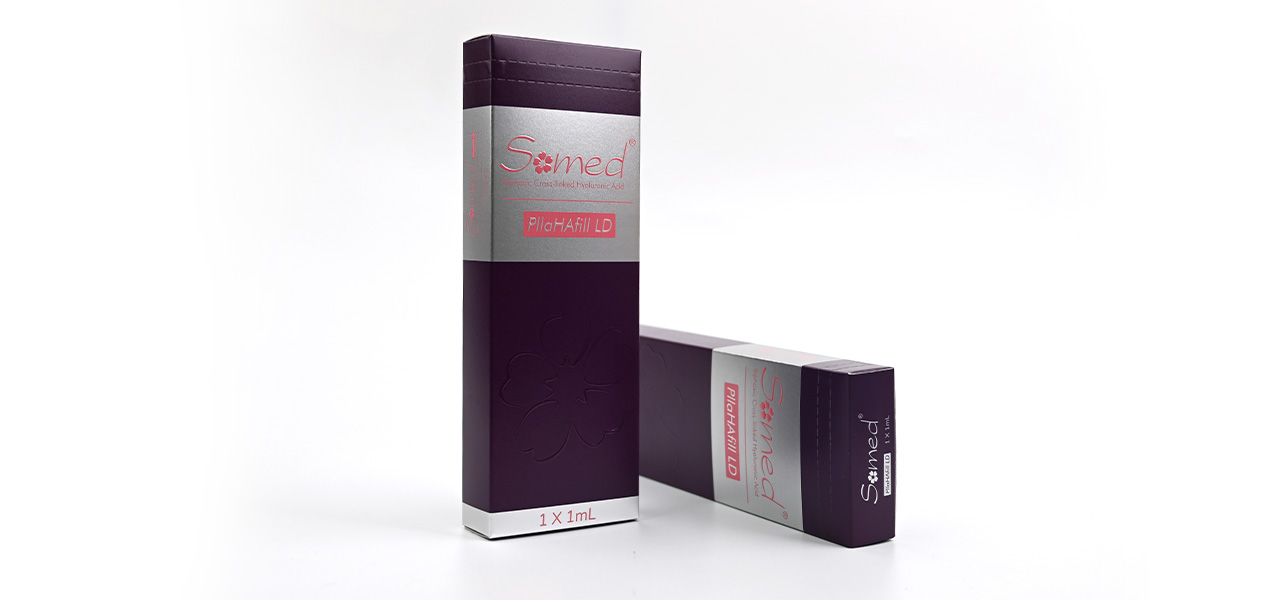 The formulation blends high-purity, medical-grade non-animal HA (sourced from CE GMP-certified suppliers at a raw material value of $45,000 per kg, with regular third-party purity testing from SGS) with uniform, medical-grade PLLA microspheres, plus 0.3% lidocaine to reduce procedural discomfort. Unlike pure PLLA, the HA base delivers immediate visible volume right after injection, so patients leave their appointment with the contouring they expect, rather than waiting weeks for collagen to build. The PLLA microspheres, suspended evenly in the HA gel, gradually stimulate natural collagen production in the dermis over 3-6 months, extending result longevity to 18-22 months — nearly double the lifespan of standard mid-tier HA fillers. The HA carrier also creates a smoother push force for injectors, reducing the risk of clumping or nodule formation that can occur with unblended PLLA, even when injected by providers who are newer to collagen-stimulating products. The production team leverages both NASHA and HICE crosslinking technologies to tune the gel’s elastic modulus (G’) to match mid-deep dermal injection needs, creating a natural feel that integrates with native tissue rather than feeling stiff or artificial under the skin.
Misinformation about filler performance runs rampant in supplier marketing and social media content, leading many buyers to stock products that do not match their patient base. These are the most persistent myths we see lead to lost revenue and patient dissatisfaction:
If you are sourcing fillers for your clinic, medspa, or private label brand, cutting corners on supplier due diligence can lead to product seizures, adverse patient events, and permanent reputational damage. We have worked with 521+ brands across 47 countries since 2003, and we consistently see buyers make the same costly mistakes when comparing PLLA vs HA filler suppliers:
We regularly connect with clinic owners and brand founders at global industry events to hear first-hand what their patients are asking for, rather than developing products in a disconnected lab. 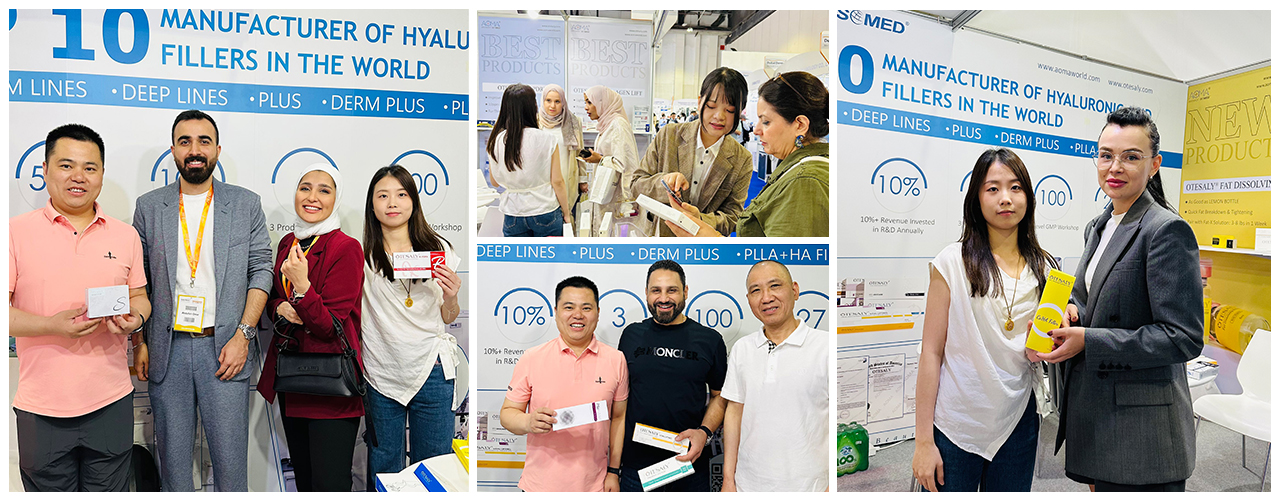 Last year at the Dubai Beauty Exhibition, 68% of the clinic owners we spoke to mentioned they were losing patients to competitors who offered longer-lasting filler options, but they did not want to switch fully to pure PLLA because of the steep learning curve for injectors and the lack of immediate results for patients. That feedback directly informed our latest formulation adjustments to PllaHAfill Lidocaine, balancing immediate HA volume, long-term PLLA collagen stimulation, and a smooth push profile that works for injectors with all levels of experience.
Go back to the two clinic owners we mentioned earlier. The Miami-based practice that struggled with fast HA metabolism added PllaHAfill Lidocaine to their lineup for midface and nasal base injections, and saw their 6-month touch-up rate drop by 47%, with patient satisfaction scores for “value for money” jumping from 3.2/5 to 4.6/5 in 6 months. The Dallas-based medspa that dealt with patient frustration over delayed PLLA results switched their collagen-stimulating filler stock to the hybrid formula, and saw post-injection inquiry emails about “no results” drop by 82%, because patients could see immediate contour improvement as they waited for collagen production to kick in.
You do not have to pick sides in the PLLA vs HA filler debate. HA fillers remain the gold standard for first-time patients, fine lines, lip augmentation, and cases where reversibility is a top priority. PLLA fillers fill a niche for patients who want long-term collagen stimulation and minimal touch-ups for deep volume loss. Hybrid formulations fill the middle ground, cutting out the biggest downsides of each standalone option while keeping their core benefits.
When you source from a qualified manufacturer like AIMA International Group Co., Ltd., you do not just get access to individual HA, PLLA, or hybrid filler SKUs. You get a partner with 20+ years of manufacturing experience, reliable production capacity, and a track record of helping 521+ brands build filler lines that actually match what their customers want. All orders come with dedicated after-sales support, including training materials for injectors, regulatory document support, and flexible order terms that grow with your business. You can browse the full filler catalog, including HA options, PLLA volumizers, and hybrid formulations, at supplierfiller.com to find the right SKUs for your needs.

Copyright @ 2026 AIMA International Group Co., Ltd.


