



Welcome to visit AIMA International Group
 Spain
Spain

Your browser version is too low, in order to ensure a better browsing experience,Please click to update to a higher version browser.
Talk about it later.XWelcome to visit AIMA International Group
Spain




.jpg)
Home > News > Industry Trends > PLLA Particle Size and Reconstitution: A Practical Guide for Aesthetic Clinics and Wholesale Buyers
Industry TrendsMost aesthetic practitioners who work with poly-L-lactic acid (PLLA) fillers spend hours comparing product longevity, collagen stimulation claims, and pricing before placing a wholesale order. Many overlook the two factors that cause 80% of PLLA-related clinical complaints and operational headaches: PLLA particle size and reconstitution consistency.
Have you ever vortexed a PLLA vial for the full time listed on the package insert, only to find tiny clumps stuck to the vial wall? Have you followed every injection rule to the letter, still had patients return with palpable subcutaneous nodules 2 weeks post-treatment? More often than not, the issue lies not in your injection technique, but in poor particle size control during the manufacturing process.
A common myth floating around aesthetic supplier circles claims smaller PLLA particles equal better results. That take ignores decades of clinical data on how PLLA interacts with dermal tissue. Particle performance breaks down into two measurable, verifiable metrics: core size range, and particle size distribution width.
Optimal size range for soft tissue filler use falls between 50μm and 70μm for spherical PLLA particles. Particles smaller than 20μm get phagocytosed by macrophages within 2-3 weeks of injection, too fast to trigger sustained type I collagen production. Patients will see immediate volume from the carrier solution, only to watch results fade completely in a month — a complaint we hear constantly from clinics that stock budget, unbranded PLLA. Particles larger than 100μm create their own set of problems: they require larger bore needles for injection, create uneven push force during administration, and tend to clump together under the skin, leading to fibrous encapsulation and visible or palpable nodules that can require intralesional steroid injections or even surgical removal to resolve.
Size distribution width, measured as span value, matters even more than average particle size. Cheap PLLA produced via basic mechanical grinding often has a span value above 2.0, meaning particle sizes can range from 5μm to 150μm in a single vial, even if the label lists an “average” size of 60μm. The fine particles in these mixes hydrate first to form a thick gel that traps larger particles into micro-clumps invisible to the naked eye, even after extended vortexing.
We saw this play out with a dermatologist running an independent clinic in Madrid back in 2022. He had sourced a low-cost PLLA from a local regional distributor, which advertised a 60μm average particle size and a 2-minute vortex time for reconstitution. After treating three patients for midface volume loss, two returned 2 weeks post-treatment with tender, pea-sized nodules in their cheek areas. When he sent unopened vials from the same batch to our lab for testing, we found 30% of particles measured over 90μm, 15% measured under 15μm, and microscopic inspection revealed 200μm+ particle agglomerates in every reconstituted sample. Those clumps were the direct cause of the adverse events.
Reconstitution is often treated as a trivial pre-injection step: add diluent, shake, inject. Anyone who has worked with PLLA across multiple brands knows reconstitution behavior varies wildly between products, and almost all of that variation traces back to particle design.
Common reconstitution pain points reported by clinics include: powder floating on the diluent surface, clumps that refuse to break down even after 10+ minutes of vortexing, visible residue stuck to the vial wall or stopper, and rapid separation of the suspension after mixing. Each of these issues links directly to particle properties:
A Thai brand founder reached out to us in 2023 after a disastrous first PLLA product launch. He had worked with a small local contract manufacturer to produce his branded PLLA filler, and within 3 months of launch, 22 partner clinics filed complaints about inconsistent reconstitution. Some batches mixed fully in 60 seconds, others required 10 minutes of vortexing and still left wall residue, and two batches separated into clear diluent and tight particle sediment within 5 minutes of mixing. Our lab tested samples across 6 of his production batches and found average particle size ranged from 32μm to 89μm between lots, with a mix of spherical and sharp, angular particles. The manufacturer had skipped particle sieving and surface treatment steps entirely to cut costs, making consistent reconstitution impossible.
These are exactly the issues we design our production lines to eliminate.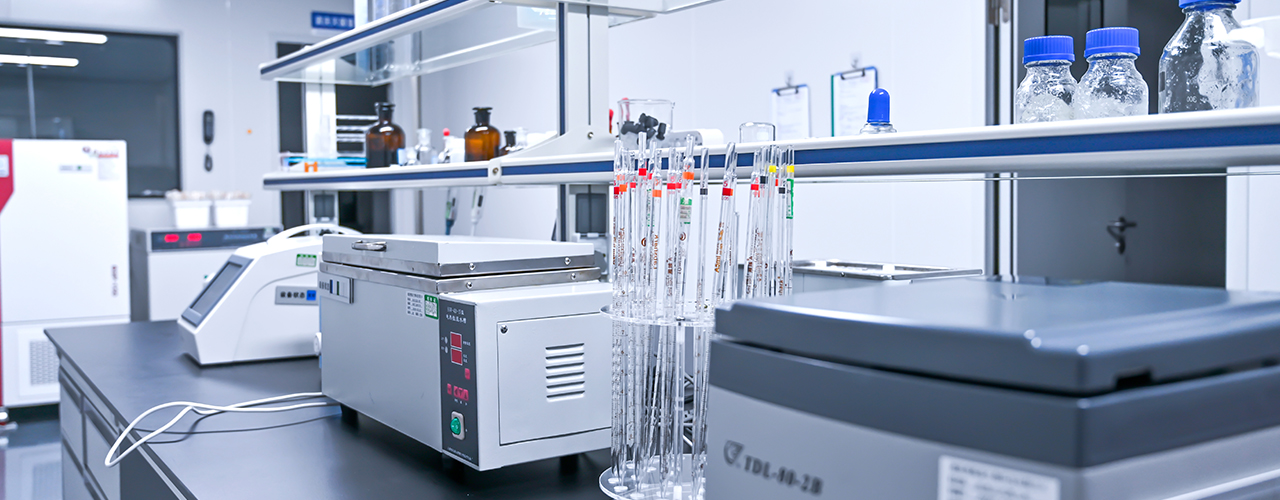 Our 4,800 square meter GMP Class 100 clean room facility is staffed by an R&D team holding core patents for both NASHA technology for hyaluronic acid filler production and HICE technology for uniform PLLA particle formation. We use a three-stage air jet sieving process to lock PLLA particle size into the 50-70μm optimal range, with a span value under 0.5 — far tighter than the industry average span of 1.2-1.5. All raw materials are sourced from CE GMP certified suppliers, with regular third-party testing via SGS to meet strict medical-grade purity requirements. Every batch of PLLA raw material goes through laser particle size testing before moving to filling; any batch that falls outside size specifications is discarded entirely. We also apply cold plasma surface treatment to every batch of PLLA particles to increase hydrophilicity, so diluent wets particles instantly on contact, no floating powder or wall residue.
Even with perfectly manufactured, consistent PLLA particles, poor reconstitution technique can lead to subpar results or adverse events. This is the same protocol we share with all our clinic and brand partners for predictable outcomes:
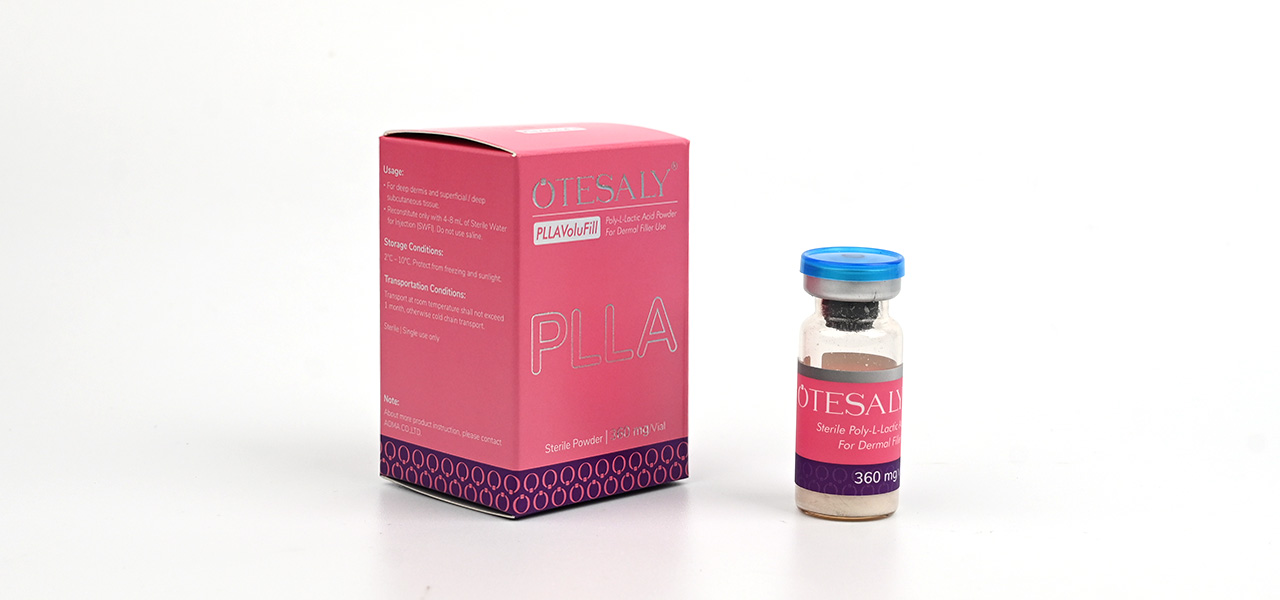 Our PLLAVoluFill formulation was developed specifically to solve the common pain points clinics and brands face with generic PLLA products. Each vial contains 150mg of medical-grade, non-animal derived PLLA, with tightly controlled 50-70μm spherical particles, a span value of ≤0.5, and plasma-treated hydrophilic surfaces. The matched diluent includes 0.3% lidocaine for patient comfort, and the full reconstitution process takes 60 seconds total from diluent addition to ready-to-inject suspension, with no clumping, no wall residue, and no visible separation for 30+ minutes after mixing. The uniform particle size allows smooth injection through a 27G needle, with consistent push force across the entire syringe, and 24-month clinical follow-up data shows a nodule rate of 0.08% — well below the industry average of 2.3%.
As a Top 10 Global Dermal Filler Manufacturer operating since 2003, AIMA International Group Co., Ltd. holds ISO 13485 certification, meets Class III medical device production standards, and maintains full CE marking and US FDA VCRP registration for all PLLA product lines. Our production lines run at a monthly capacity of 50,000 units, with annual output reaching 5 million units, and we maintain a library of over 1000 mature aesthetic formulations for OEM/ODM partners. We work with brands at every stage of growth, with no MOQ pressure for new brands and volume discounts for large-scale distributors, sample orders ship in 3-5 business days, and bulk orders deliver in 15-20 days with expedited production options available.
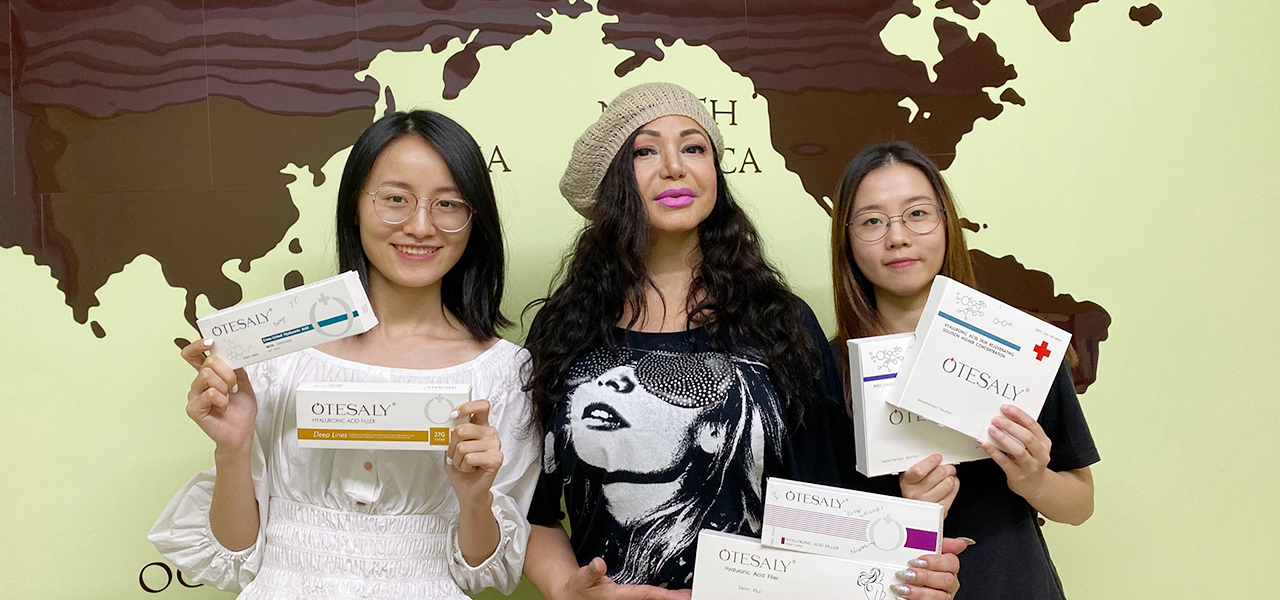 To date, we have delivered custom PLLA and dermal filler solutions for over 521 brands across 60+ countries. Every wholesale order of PLLAVoluFill comes with batch-specific laser particle size test reports, step-by-step reconstitution training materials for clinic teams, and full regulatory documentation for customs clearance. Our technical support team is available around the clock to answer clinical or product questions, and we stand behind every batch with a clear quality guarantee: if any product fails to meet labeled particle size specifications or reconstitution performance, we arrange full returns or replacements at no cost to the buyer.
PLLA pricing on the wholesale market can vary by a factor of 10 between suppliers, and many buyers fixate on per-vial cost without testing core performance metrics. You do not need a fancy lab to spot a poorly manufactured PLLA product. Order samples from 2-3 suppliers, run a side-by-side reconstitution test following the same protocol, and note which products float, clump, separate, or require extra vortexing. That simple test will tell you more about real-world performance than any glossy marketing brochure.
If you are sourcing PLLA fillers with consistent particle size, predictable reconstitution, and full regulatory support for your clinic or brand, you can reach our team directly through supplierfiller.com to request free test samples and wholesale pricing.

Copyright @ 2026 AIMA International Group Co., Ltd.


