



Welcome to visit AIMA International Group
 Spain
Spain

Your browser version is too low, in order to ensure a better browsing experience,Please click to update to a higher version browser.
Talk about it later.XWelcome to visit AIMA International Group
Spain




.jpg)
Home > News > Industry Trends > PDRN vs Hyaluronic Acid Skin Booster: Key Differences, Benefits, and Which to Choose for Your Aesthetics Practice
Industry TrendsIf you have spent any time researching skin booster options for your clinic or private label line on supplierfiller.com, you have likely seen the ongoing debate between PDRN and hyaluronic acid (HA) formulas. Injectable skin boosters have become one of the fastest-growing segments in medical aesthetics, with global sales climbing 22% year over year in 2023, as clients shift away from harsh resurfacing treatments toward options that deliver natural, gradual skin improvement. Many practice owners and brand builders assume the two ingredients are interchangeable, or that one is universally “better” than the other — but that line of thinking leads to mismatched client expectations, wasted product, and avoidable negative reviews.
To cut through marketing fluff, it helps to start with the basic science of each ingredient, stripped of brand buzzwords.
Hyaluronic acid (HA) skin boosters are injectable formulas made of non-crosslinked or lightly micro-crosslinked HA, a naturally occurring sugar molecule found in human connective tissue. HA’s core trait is its ability to bind up to 1,000 times its weight in water. When injected into the superficial dermis, it creates tiny, soft cushions of hydration that plump fine dehydration lines, smooth rough skin texture, and create a dewy, glowing appearance. Traditional HA boosters do not change the structure of your skin long-term — they simply add temporary hydration that is gradually metabolized by the body over time.
PDRN (Polydeoxyribonucleotide) skin boosters are made of purified short-chain DNA fragments, most commonly sourced from salmon milt (sperm cells), processed to remove all protein impurities. Unlike HA, PDRN does not work by adding volume or hydration on its own. It binds to A2A adenosine receptors on dermal fibroblasts, triggering a cascade of cellular repair: it boosts production of type III collagen and elastin, reduces pro-inflammatory cytokines that cause redness and breakouts, and speeds up DNA repair in sun-damaged skin cells. Most PDRN formulas use a small amount of HA as a carrier solution to deliver a small immediate hydration boost, but the core results come from the skin’s own repair response.
The gap between how these two ingredients perform in a real clinic setting is far larger than most product descriptions make it sound. Key differences break down into four core categories:
Take the small Miami-based medspa we partnered with in 2023. The owner initially stocked only HA skin boosters, and noticed a consistent gap in client satisfaction: 28% of her client base — mostly adults in their 30s with post-inflammatory hyperpigmentation from old acne, and frequent gym-goers with oily, barrier-compromised skin — reported that HA boosters left their skin feeling dewy for 3-4 days, then returned to their baseline texture, with no improvement in redness or scarring. She initially thought she was using the wrong HA concentration, until we walked her through the core mechanism difference: HA can only add hydration, it cannot repair the damaged dermal structure causing long-term texture issues.
A lot of misinformation floats around aesthetics forums and supplier directories about how these two ingredients stack up. Let’s clear up the most repeated false claims:
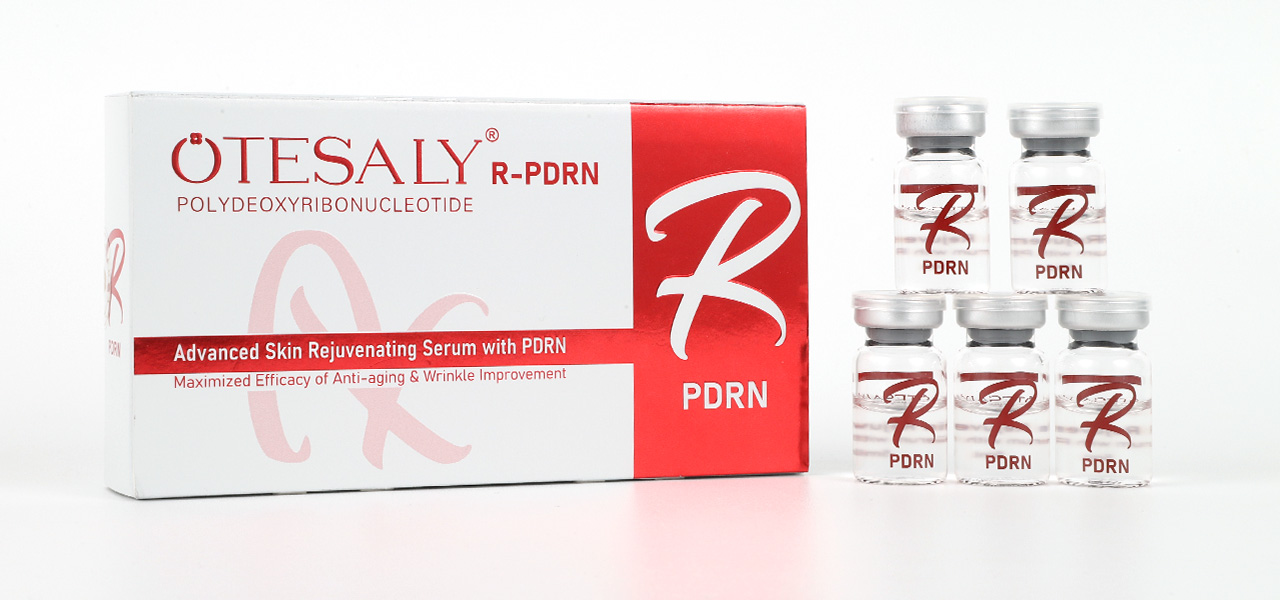 Our HA-based skin boosters use our patented NASHA technology to create soft, natural-feeling micro-gels that spread evenly under the skin without forming lumps, a common complaint with lower-quality HA formulas.
Picking between PDRN and HA options does not have to be a guessing game. We work with hundreds of clinic owners and brand builders to curate product lines, and these three rules consistently lead to the highest client satisfaction and reorder rates:
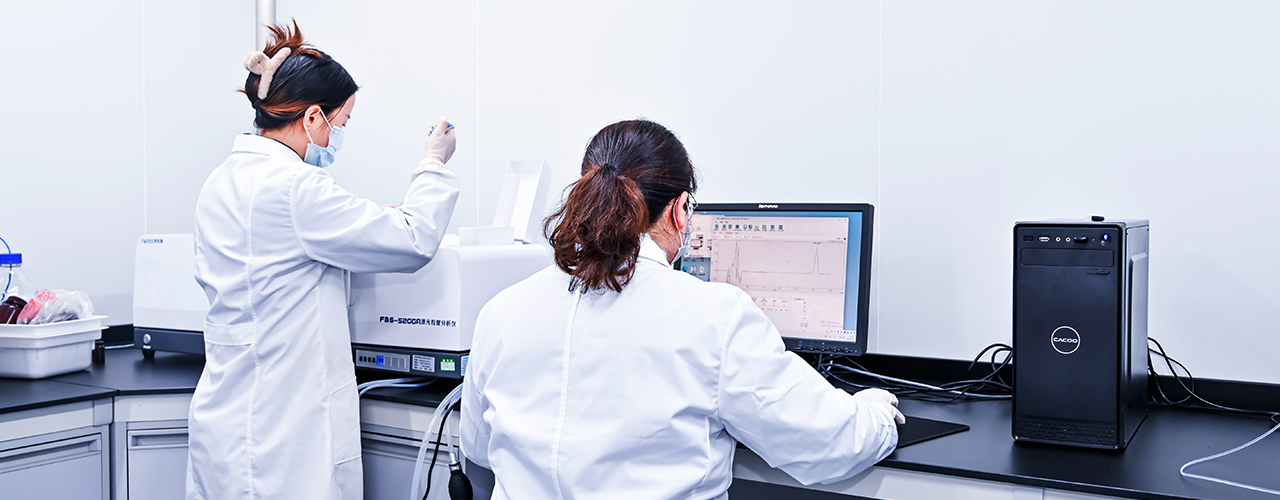 As a medical aesthetics manufacturer operating since 2003, AIMA International Group Co., Ltd. runs a 4,800 square meter GMP Class 100 clean room facility with 3 dedicated production lines, reaching a total annual production capacity of 5 million units, with monthly output of up to 50,000 units. Every batch of raw material is tested by third-party labs including SGS before entering production. For HA-based boosters, we use non-animal sourced medical-grade HA valued at $45,000 per kg, sourced only from CE GMP certified suppliers. Our PDRN formulas go through 7 rounds of purification to remove 99.9% of residual protein, cutting adverse reaction rates to less than 0.02% across all our partner clinics. Our production follows strict ISO 13485 quality management standards and Class III medical device manufacturing specifications, so partners can access global markets without extra compliance hurdles.
A Dubai-based clean beauty brand we worked with in 2024 initially sourced generic PDRN boosters from a small unvetted supplier to cut costs. Their first 200 units sold to local clinics led to 17 reports of prolonged redness and small papules at injection sites, because the PDRN used had not been properly purified, with 12% residual fish protein content. They reached out to our team to rebuild their formula, and we adjusted the PDRN concentration, added a low-molecular-weight HA buffer to reduce irritation, and provided full compliance documentation for UAE market registration. We originally connected with the brand’s founder at the Dubai Beauty Exhibition where we showcased our full range of skin booster and dermal filler products to regional distributors. Within 3 months of launching the reformulated product, their clinic reorder rate jumped to 72%, with zero reported adverse events.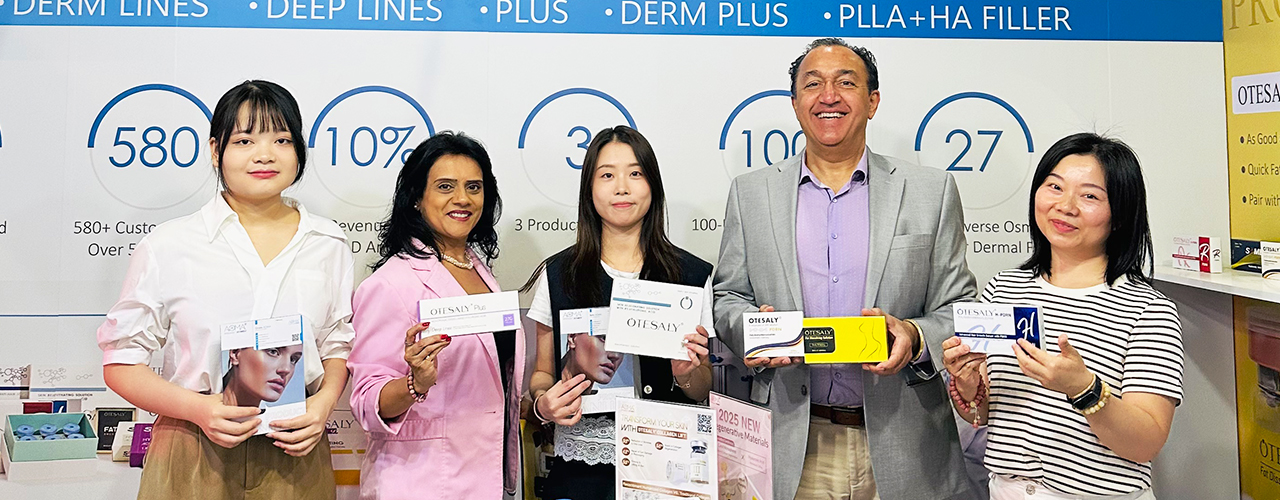
As a recipient of the “Top 10 Dermal Filler Manufacturers” industry award, we tracked outcomes across 12,000 client treatments from 47 partner clinics in 2023, comparing results from pure HA skin boosters, pure PDRN boosters, and custom blended formulas:
Many suppliers make overblown claims about their products — you will see brands advertising PDRN results that last 12+ months, or HA boosters that “build collagen” without any clinical data to back those claims. Steer clear of any supplier that cannot provide batch-specific CoAs (certificates of analysis), full regulatory documentation for your target market, or transparent information about their raw material sources.
For all medical aesthetics wholesale orders with AIMA, we provide ongoing after-sales support, including access to our clinical training team for injector education, ready-to-use marketing assets for your brand, and full batch-specific compliance documentation to support market registration in your region. We do not make unsubstantiated claims about product longevity or results, and share full clinical trial data for every formula with our partners before they place an order. Our OEM/ODM program covers end-to-end support, from brand positioning, logo design, and custom packaging to tailored formula adjustments for PDRN and HA concentration, added active ingredients, and texture preferences. We operate with no MOQ pressure to support emerging brands building their first product line, and offer volume-based discounts for large-scale enterprise partners. Sample orders ship in 3-5 working days, bulk orders are completed in 15-20 days, and expedited production timelines are available for time-sensitive launches.
Next time you are weighing whether to stock PDRN or HA skin boosters, stop framing it as an either/or choice. The most successful aesthetics brands don’t pick one ingredient over the other — they match the right formula to the right client, source products from transparent, compliant manufacturers, and build treatment protocols that deliver both immediate gratification and long-term skin results. Have you had clients who saw no results from HA boosters alone, or had bad reactions to low-quality PDRN? Those are exact gaps the right formulation partner can help you fill.

Copyright @ 2026 AIMA International Group Co., Ltd.


