



Welcome to visit AIMA International Group
 Spain
Spain

Your browser version is too low, in order to ensure a better browsing experience,Please click to update to a higher version browser.
Talk about it later.XWelcome to visit AIMA International Group
Spain




.jpg)
Home > News > Industry Trends > PDRN Sourcing and Quality Standards: A Practical Guide for Aesthetic Brands, Distributors, and Clinic Owners
Industry TrendsHow many aesthetic brand owners have lost tens of thousands in inventory costs, or faced regulatory penalties, because they cut corners when sourcing PDRN products?
PDRN has become one of the fastest-growing SKUs across global aesthetic markets, outpacing traditional hyaluronic acid booster growth by 22% in 2023 according to the International Association for Aesthetic Plastic Surgery. Its ability to support tissue repair, reduce inflammation, and boost collagen production makes it a staple for mesotherapy, hair restoration, post-procedure recovery, and anti-aging treatments. But the rush to capitalize on PDRN demand has flooded the market with substandard, adulterated, and non-compliant products that put buyers and end users at risk.
In 2023, a small Barcelona-based aesthetic brand specializing in mesotherapy treatments sourced 12,000 units of unbranded PDRN ampoules from a cross-border trading platform, lured by a price point 60% lower than average market rates. The supplier claimed the products contained 99% pure salmon-derived PDRN, with full CE documentation. Three weeks after launch, the brand received 11 customer reports of persistent redness, localized swelling, and tiny papules at injection sites. Lab testing later found the PDRN in the ampoules was extracted from discarded salmon processing waste (skin, scales, and bone meal) rather than purified salmon sperm cells, with endotoxin levels 17 times the limit allowed for injectable medical devices. The brand paid out €124,000 in customer refunds and regulatory fines, and spent four months rebuilding trust with its clinic client base.
A U.S.-based medspa chain with 18 locations across Texas and Florida ran into a different sourcing snag in early 2024. The team placed a $272,000 order for PDRN skin boosters from a South Korean supplier, who shared digital copies of CE certificates and FDA registration letters during negotiations. When the shipment arrived at the Port of Houston, CBP agents seized the entire lot after finding the provided registration documents were doctored, and the products carried no valid U.S. cosmetic registration. The chain missed its planned spring launch for PDRN treatments, lost pre-order revenue from 400+ existing clients, and spent $18,000 in customs storage fees before arranging for the shipment to be destroyed.
These stories are not rare outliers. They are predictable outcomes for buyers who rely on surface-level price checks and unverified supplier claims instead of following structured sourcing and quality evaluation frameworks for PDRN.
Many buyers assume PDRN quality can be judged by advertised concentration alone. The reality is that risks hide at every step of the supply chain, from raw material harvesting to final packaging. Focus your vetting process on these measurable, verifiable criteria:
AIMA International Group Co., Ltd., a manufacturer operating out of a 4,800-square-meter production base since 2003, follows exactly these traceability protocols for all its PDRN lines. Its Class 100 GMP clean rooms run three dedicated production lines, with every raw material batch sourced from CE GMP-certified suppliers, and regular independent audits from SGS to verify raw material purity. The company sources high-value, medical-grade raw materials (including 45,000 USD/kg non-animal sourced hyaluronic acid used as a carrier in many PDRN formulations) rather than cutting costs on low-grade inputs.
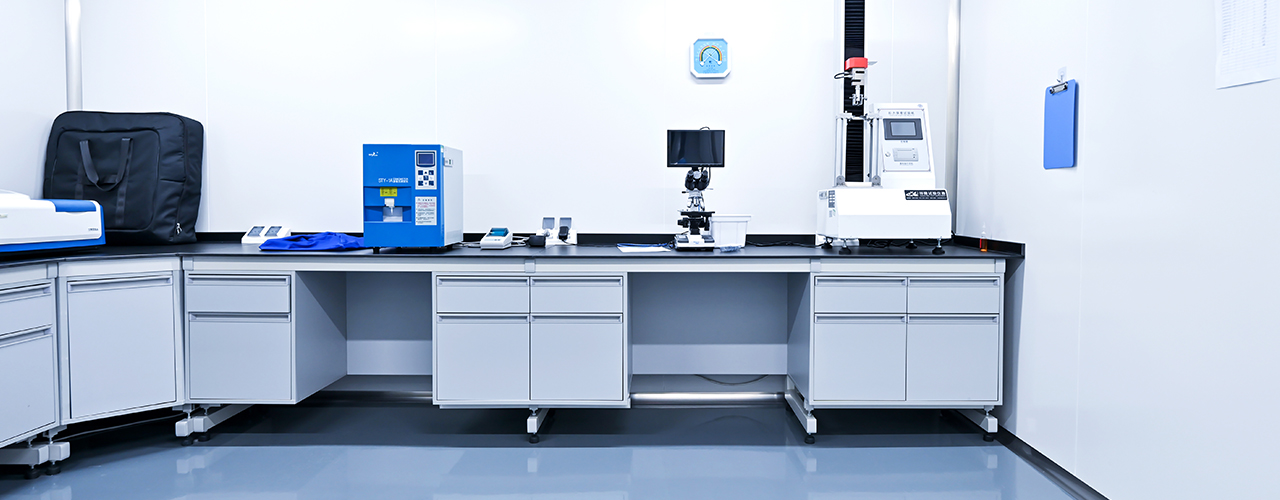
Many buyers fixate on stated PDRN concentration (often advertised as 5mg/ml or 10mg/ml) but ignore the physical and chemical properties that determine product safety and efficacy. First, PDRN purity for dermal or injectable use must hit a minimum of 98% — anything lower will contain residual proteins, cell fragments, or extraction solvents that can trigger immune reactions in end users. Second, molecular weight distribution matters more than total concentration. Clinical data shows PDRN fractions between 800kDa and 1200kDa deliver the optimal balance of tissue repair stimulation and sustained release, without causing excessive inflammation or being metabolized too quickly after application. Products with a wide molecular weight spread (with fractions below 100kDa or above 2000kDa) will deliver inconsistent results, even if the total PDRN content matches advertised levels.
Aseptic filling processes must be validated to achieve a sterility assurance level (SAL) of 10^-6, meaning there is less than a one-in-a-million chance of a viable microorganism being present in a sealed product unit. Endotoxin levels must stay below 0.5EU/ml for injectable PDRN, a threshold many low-cost suppliers fail to meet because they skip expensive depyrogenation steps during production. Packaging components (vials, stoppers, syringes) must also be tested for leachables and extractables, to prevent chemical contaminants from leaching into the product over its shelf life.
One product line that meets all these non-negotiable standards is AIMA’s PDRN Ampoule, formulated for mesotherapy use across skin rejuvenation, post-laser recovery, and scalp care applications.
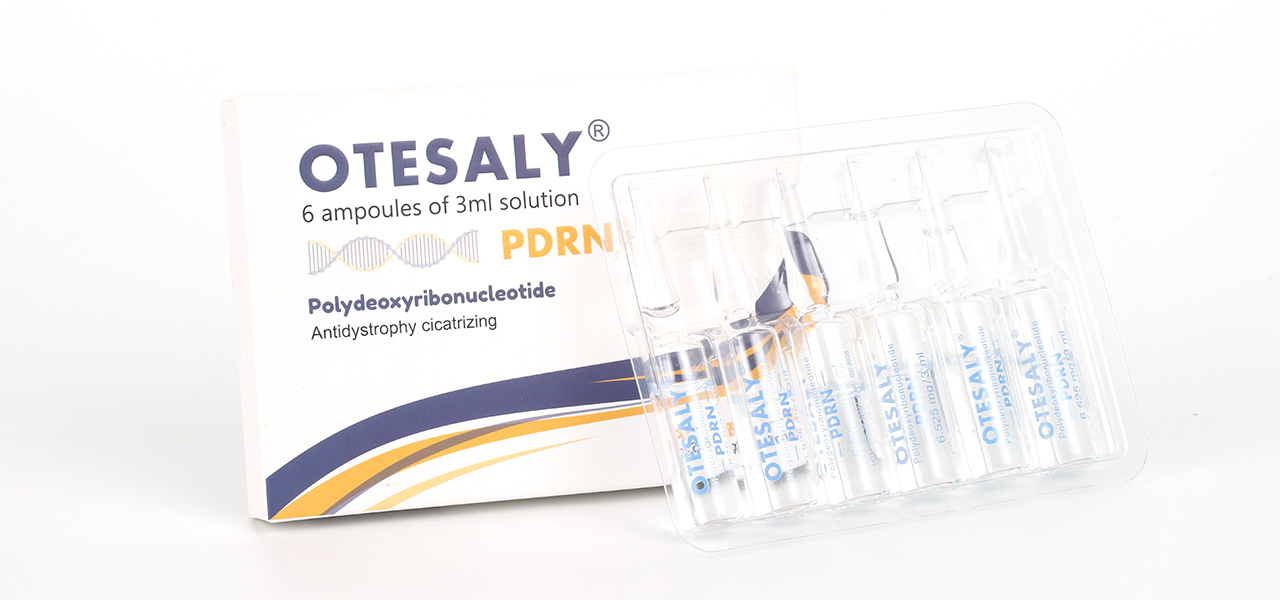
Each batch is produced using HICE technology, one of the company’s core proprietary manufacturing processes that preserves PDRN molecular structure during sterilization, avoiding the degradation that comes with standard high-heat sterilization methods. The formula uses the same medical-grade non-animal HA as the company’s dermal filler lines as a hydrating carrier, with PDRN purity tested at 99.2% across every production run, molecular weight tightly controlled between 900kDa and 1100kDa, and endotoxin levels consistently measuring below 0.2EU/ml. Every ampoule lot ships with a full COA, accessible via a scannable QR code on the outer packaging, so buyers can review third-party test results without waiting for supplier emails.
PDRN’s premium price point makes it a prime target for bad actors across the supply chain. After working with more than 521 brands across 60+ countries, the AIMA team has documented dozens of common scams targeting new buyers.
If a supplier quotes PDRN ampoule prices more than 40% below the average market rate, walk away. Raw, pharmaceutical-grade PDRN alone costs roughly 2,800 USD per kilogram before processing, filling, packaging, and sterilization costs are factored in. Prices too good to be true almost always indicate diluted, adulterated, or fake product. Some suppliers sell ampoules labeled as PDRN that contain nothing but HA, saline, or even low-grade salmon DNA extracted from fish food processing waste.
Another common red flag is suppliers who refuse to share original, verifiable certificate copies, or who pressure buyers to place large orders without offering sample testing. Some trading companies will share certificates belonging to entirely different manufacturers, or alter expiration dates and product codes on PDF copies of legitimate documents.
Many unvetted suppliers demand extremely high minimum order quantities for first-time buyers, with no flexibility for new brands testing product-market fit. Reputable manufacturers with stable production capacity will offer flexible terms, including low or no MOQ pressure for emerging brands, with volume discounts for larger enterprise clients.
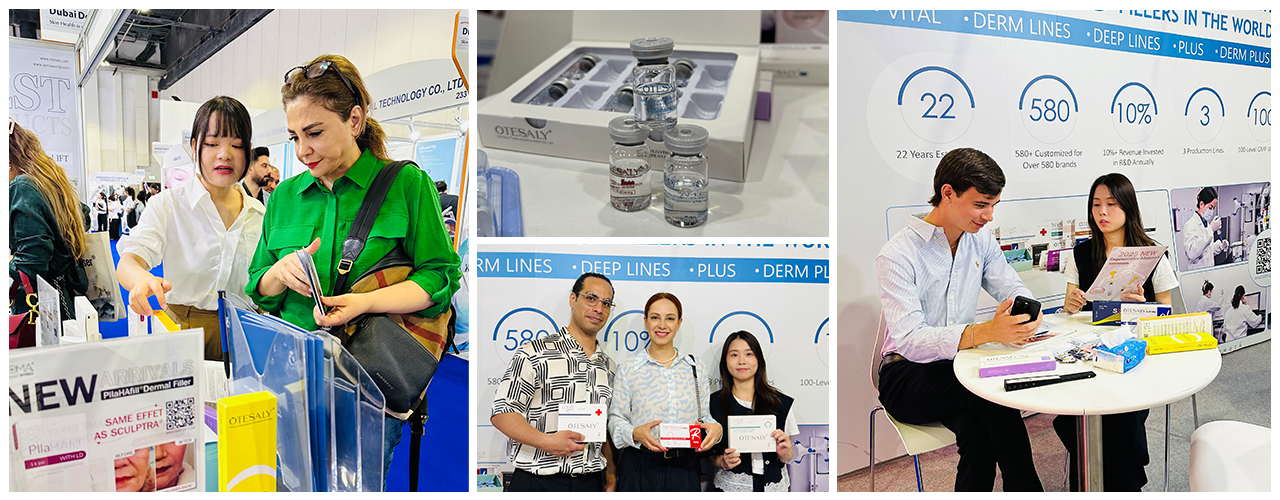
AIMA regularly showcases its full PDRN and dermal filler lines at global industry events including the Dubai Beauty Exhibition, where buyers can test product samples, review physical copies of compliance documents, and speak directly to production and R&D teams instead of negotiating with anonymous third-party traders online.
The company’s flexible cooperation model supports new brands with end-to-end OEM/ODM services, from brand positioning, logo design, and custom packaging to tailored formula adjustments for specific skin or hair care indications. Sample orders ship within 3-5 business days, with bulk production runs completed in 15-20 days, and expedited production options available for clients with tight launch timelines. Its R&D team holds more than 1,000 mature formulations across filler, skin booster, and PDRN categories, so brands don’t need to invest in costly, time-consuming formula development from scratch.
Sourcing work doesn’t end when a shipment arrives at your warehouse. Every new batch of PDRN product should go through incoming quality checks before it is sold to clinics or end users. Verify that batch numbers on outer packaging match the numbers on provided COAs, check vial seals for damage or tampering, and send random samples from each lot to an independent lab for periodic spot testing, especially when working with a new supplier.
Work only with suppliers who stand behind their product quality after delivery. Medical Aesthetics Wholesale channels for AIMA products include full after-sales support, with clear policies for shipping damage replacement, batch traceability for every unit sold, and ongoing access to updated compliance documents to support customs clearance and local market registration. Unlike trading companies that disappear after a sale is finalized, the manufacturer holds Class III medical device production qualifications, ISO 13485 certification, CE marking for applicable product lines, and FDA VCRP registration, with a track record of 20+ years in the aesthetic manufacturing space that earned it a spot among the Top 10 Dermal Filler Manufacturers globally.
A buyer from a UAE-based distributor once noticed a small batch of PDRN ampoules had slightly misaligned label printing during an incoming check. The AIMA team arranged for a full replacement of the affected 800 units within 48 hours, without requiring the distributor to ship the mislabeled stock back, and adjusted its packaging line quality check process to catch similar alignment errors before products leave the factory. That level of accountability is rare when working with unvetted middlemen, who often shift blame to shipping companies or upstream suppliers when issues arise.
With an annual production capacity of 5 million units and monthly output of 50,000 units, the manufacturer can scale with clients as they grow, from small startup brands placing 100-unit sample orders to large enterprise clients placing 100,000+ unit quarterly orders. The R&D team also regularly updates PDRN formulations based on client feedback, adjusting PDRN concentration, carrier texture, and added active ingredients to match local market preferences — for example, developing lighter, fast-absorbing PDRN ampoule formulations for Southeast Asian tropical climates, and higher-concentration formulations for mature skin markets in Northern Europe.
Sourcing PDRN does not require chasing the lowest possible price, or overpaying for branded products marked up by layers of distributors. It requires a clear, consistent framework for evaluating raw material traceability, production standards, regulatory compliance, and after-sales support. Buyers who put that framework in place avoid the costly fines, inventory losses, and reputational damage that come with substandard product, and build long-term product lines that clients can trust.

Copyright @ 2026 AIMA International Group Co., Ltd.


