



Welcome to visit AIMA International Group
 Spain
Spain

Your browser version is too low, in order to ensure a better browsing experience,Please click to update to a higher version browser.
Talk about it later.XWelcome to visit AIMA International Group
Spain




.jpg)
Home > News > Industry Trends > Mesotherapy Packaging and Stability: A Complete Guide for Aesthetic Brands and Clinics
Industry TrendsLast year, a small Spanish aesthetic startup reached out to our team after losing €120,000 on a botched mesotherapy ampoule order. They had partnered with a low-cost contract manufacturer that used cheap soda-lime glass ampoules and uncoated rubber stoppers to cut costs. After 35 days of ocean freight to their Barcelona warehouse, 12% of the units showed stopper leaching, independent lab tests found PDRN active content had dropped to 42% of labeled values, and 3% of ampoules had micro-cracks that caused product leakage. They had to destroy the entire batch, and missed their launch window at the region’s largest aesthetic trade show.
That story is far from unique. Mesotherapy products deliver active ingredients 1-3mm deep into the dermal layer via microneedling, injection guns, or nano-needling, unlike topical skincare that sits on the stratum corneum. A packaging failure that erodes product stability does not just lead to wasted inventory. Back in 2022, a chain of aesthetic clinics in Southeast Asia sourced uncertified brightening mesotherapy ampoules from an unvetted supplier. The packaging had poor oxygen barrier properties, so the glutathione in the formula oxidized and turned yellow during transit. Twenty-seven patients developed localized redness and persistent nodules after treatment. The clinic paid out over $110,000 in medical compensation, saw in-person visits drop 60% in three months due to negative reviews on Instagram and local review platforms, and spent a full year rebuilding customer trust.
Why Mesotherapy Stability Ties Directly to Patient Safety and Brand Longevity
Many new brand owners assume stability issues only mean a product is less effective. For mesotherapy formulations, that assumption can lead to irreversible reputational and legal damage. Dermal tissue does not have the same protective barrier as the skin surface. Contaminants from leaching packaging materials, degraded active ingredients, or micro-glass shards from poorly designed ampoules can trigger granulomas, chronic inflammation, or systemic allergic reactions.
Regulators across the EU, US, and Southeast Asia now require full stability data for all injectable mesotherapy products as part of market approval. Brands that skip proper packaging validation and stability testing can face product recalls, fines, or permanent bans from selling in major markets. Have you ever wondered why some mesotherapy ampoules sell for $2 per unit while others cost $12? The gap rarely comes from the active ingredients alone. Most of the price difference traces to packaging quality and the rigor of stability testing protocols.
Core Packaging Design Choices That Determine Mesotherapy Shelf Life
Packaging is not just a pretty box to hold your product. It is the primary barrier between sensitive active ingredients and the external environment, and the first line of defense against contamination. Every choice, from glass type to seal design, impacts how well a formula holds up from production to patient application.
Stability Testing Protocols That Separate Reputable Suppliers From Cut-Rate Operators
A supplier that claims their mesotherapy product has a 2-year shelf life without sharing full testing data is selling you guesswork, not a validated product. Legitimate manufacturers run three tiers of stability testing on every formulation and packaging combination, not just a quick check in a temperature-controlled warehouse.
The first tier is accelerated stability testing, where products are stored at 40°C ±2°C with 75% ±5% relative humidity for six months. Teams test active content, pH, sterility, package seal integrity, and appearance at 1, 2, 3, and 6 month marks to simulate extreme storage and shipping conditions, such as the 60°C temperatures found in shipping containers crossing the equator. The second tier is long-term stability testing, where products are stored at 25°C ±2°C with 60% ±5% relative humidity for the full labeled shelf life (usually 24 months), with testing every three months. The third tier is transit simulation testing, which includes -10°C to 55°C temperature cycling, 1.2m drop tests, and vibration testing to replicate the bumps and temperature swings of road, air, and ocean freight.
As one of the top 10 dermal filler manufacturers named by Global Aesthetic Review in 2023, AIMA International Group Co., Ltd.—the team behind supplierfiller.com—has built its production and testing processes around these exact standards since its founding in 2003.
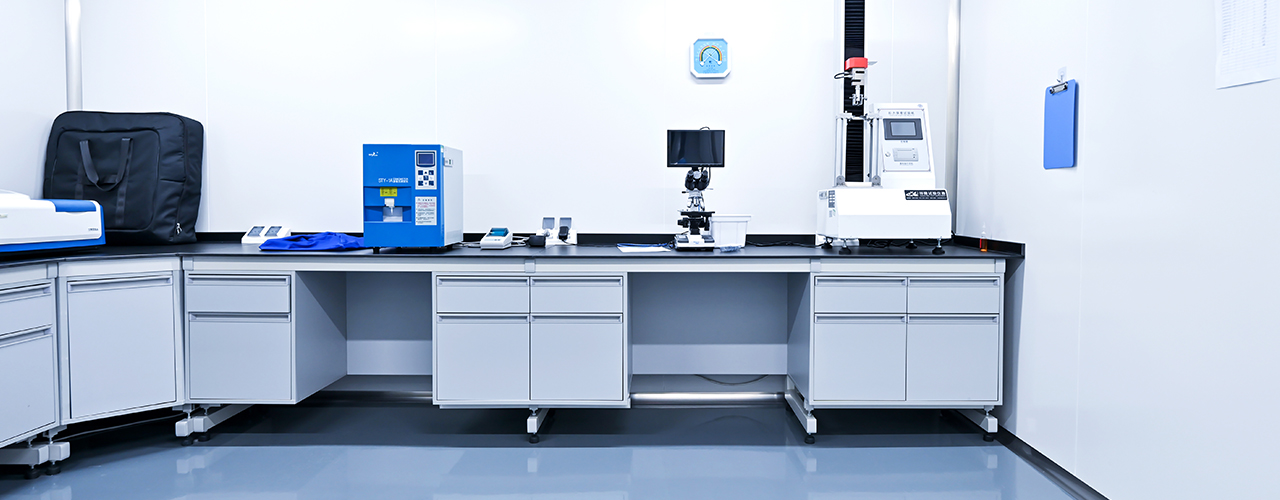
The company runs a 4,800 square meter modern production facility with Class 100 GMP clean rooms and three dedicated production lines, with an annual output of 5 million units and monthly capacity of 50,000 units. All production follows ISO 13485 quality management standards and Class III medical device manufacturing specifications, with FDA VCRP registration and EU CE certification for all core product lines. The team holds patents for NASHA and HICE core technologies, which stabilize active ingredient molecular structures without adding unnecessary preservatives that can cause irritation. All raw materials are medical-grade, non-animal sourced hyaluronic acid (valued at $45,000 per kilogram), sourced from CE GMP certified suppliers, with regular third-party testing from SGS to verify purity. The in-house R&D team holds over 1,000 mature mesotherapy and dermal filler formulations ready for customization.
A perfect example of this packaging and stability focus is the brand’s PDRN Ampoule, a best-selling mesotherapy formulation for skin repair and rejuvenation.
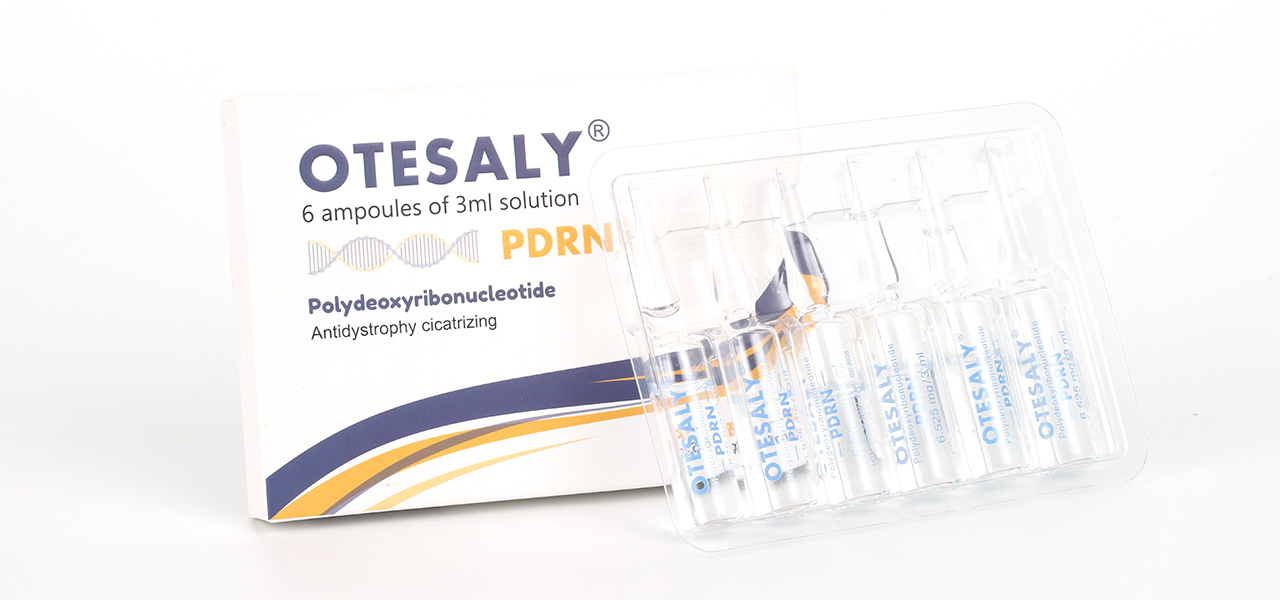
The product uses Type I amber borosilicate glass ampoules with coated bromobutyl stoppers, with 100% helium leak testing on every unit to eliminate seal failures. The precision-scored break points reduce glass shard risk to 0.01% of units, well below the EU medical device standard of 0.1%. Internal stability test data shows the formula retains 96.8% of PDRN activity after six months of accelerated testing, and 94.2% of labeled activity after 24 months of long-term storage, with zero detected leaching or pH shift across the full shelf life.
Common Packaging and Stability Mistakes That Derail Mesotherapy Brands
After working with over 521 aesthetic brands across 47 countries, the AIMA team has seen the same costly mistakes pop up again and again, usually when brands chase the lowest possible unit price.
Unlike many contract manufacturers that force clients to order tens of thousands of units to access custom packaging, AIMA’s OEM/ODM services cover every step from brand positioning, logo design, custom packaging selection, to formula and concentration adjustments, with no MOQ pressure to support new and emerging brands. Large-scale enterprise partners also access tiered bulk discounts to scale as their business grows. Sample orders ship in 3-5 working days, bulk orders deliver in 15-20 days, with expedited production options available for time-sensitive launches.
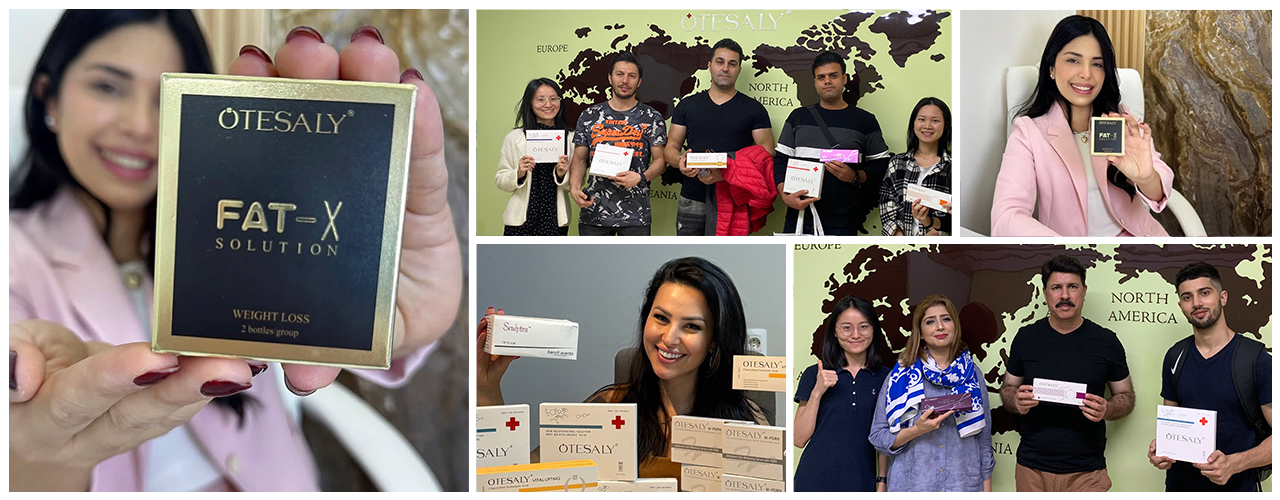
One Polish startup brand partnered with AIMA in 2023 to launch their first PDRN mesotherapy line, starting with an initial order of just 300 units with custom branded packaging. The team helped the brand select high-barrier amber ampoules with aluminum blister wraps, adjusted the formula’s buffer system to lock in PDRN activity across temperature fluctuations, and provided full CE-aligned stability documentation to support their local market registration. Within a year, the brand grew to a top-10 online mesotherapy seller in Poland, with steady monthly orders of 8,000 units.
How to Validate a Supplier’s Packaging and Stability Claims
You do not need a lab degree to verify if a mesotherapy supplier is telling the truth about their packaging quality and stability. Ask for three simple sets of documents before placing a bulk order, and walk away if a supplier cannot provide them:
All products listed on supplierfiller.com come with full, publicly accessible documentation for every SKU, with batch-specific COAs available for download at any time. The Medical Aesthetics Wholesale team stands behind every order with clear after-sales support: if a third-party lab finds product quality issues tied to packaging failure or stability shortfalls, the team covers 100% of product value and associated shipping costs, with zero hidden fine print. Many low-cost suppliers disappear after delivery, blaming shipping companies or client storage practices for issues that trace back to cut-rate packaging and skipped testing.
If you are building a new mesotherapy line or looking to replace an unreliable supplier, start your evaluation with packaging and stability, not unit price. A $2 per unit ampoule that fails in transit, causes patient reactions, or gets pulled by regulators is far more expensive than a slightly higher-priced unit that remains stable, safe, and effective for its full labeled shelf life. You can request free samples of any mesotherapy product from supplierfiller.com to run your own side-by-side stability tests—leave samples in a warm, sunlit spot for a month, and compare color, viscosity, and active content retention against cheaper alternatives. The difference will be impossible to miss.

Copyright @ 2026 AIMA International Group Co., Ltd.


