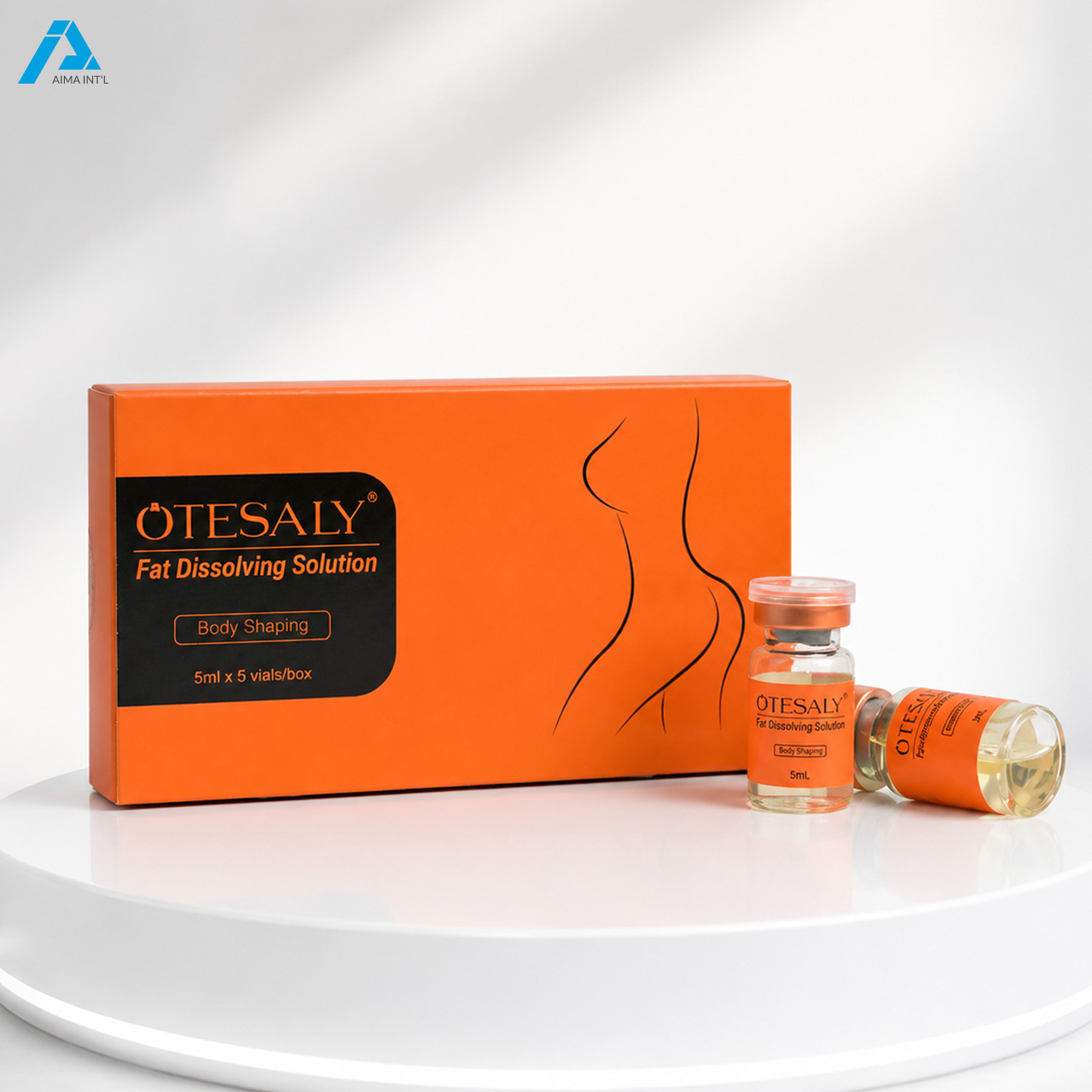
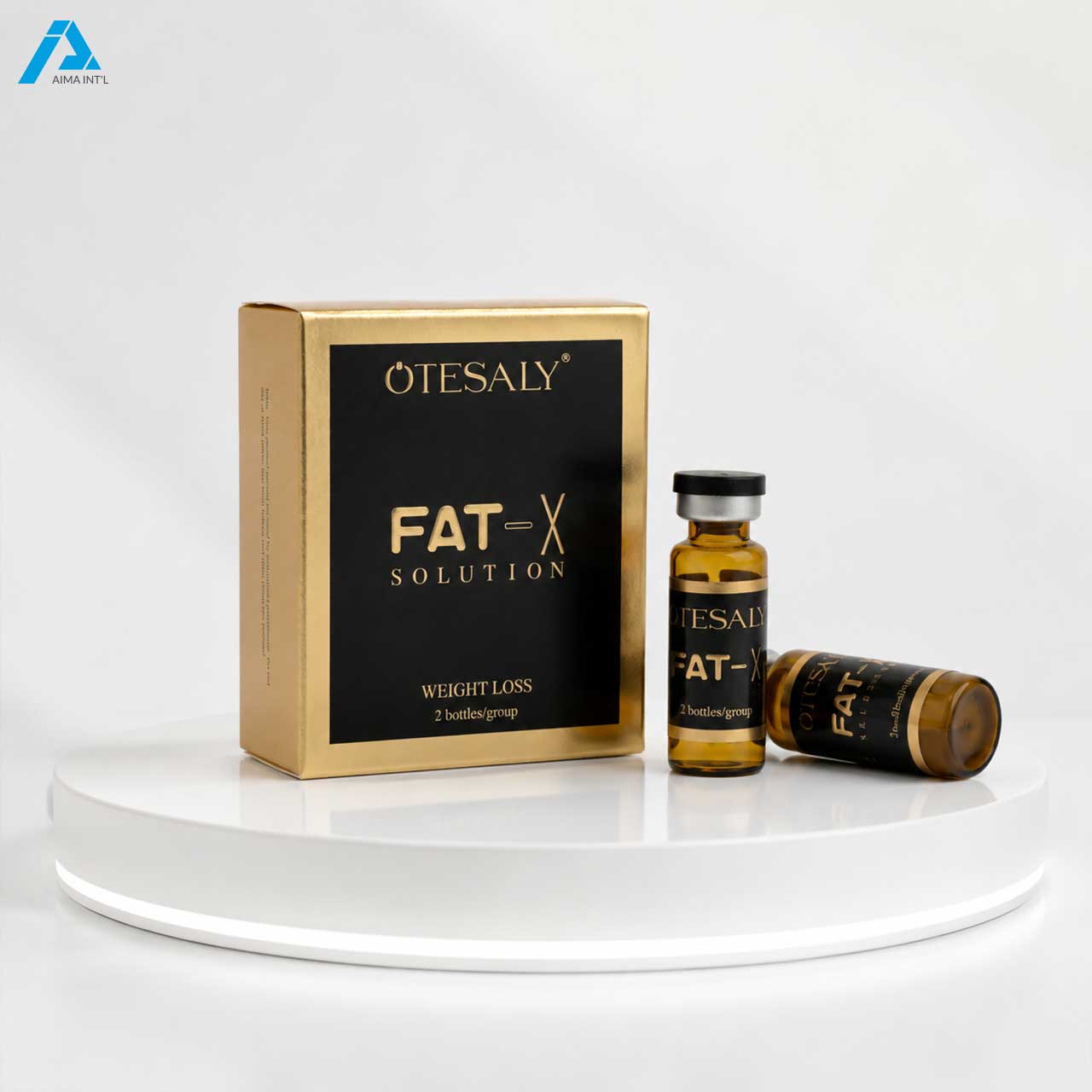
Walk into any mid-sized aesthetics clinic in Seoul, Miami, or Dubai, and you will notice a quiet shift. Shelves that once held only household-name dermal filler and skin rejuvenation products now display custom-branded serums, boosters, and injectables emblazoned with the clinic’s own logo. Ask the clinic owner why, and you will hear the same set of answers: better margins, stronger client loyalty, fewer supply chain disruptions.
Think building a custom medical aesthetics product line requires millions in capital, an in-house R&D team, and years of regulatory navigation? That was the reality 10 years ago. Today, private label manufacturing models have lowered the barrier to entry, and shifting consumer demand is rewriting the rulebook for what succeeds in the space.
Private Label’s Rising Share of the Global Medical Aesthetics Market
Recent industry analytics put the 2024 global medical aesthetics market value at $164 billion, with private label products holding 27% of total market share—up from just 12% in 2019. Projections show that share will climb to 38% by 2028, outpacing growth for legacy national brands across nearly every non-invasive treatment category.
Take Mia Carter, a nurse practitioner running a 3-treatment-room aesthetics clinic in Miami, Florida. For the first four years of operation, she stocked only nationally recognized branded injectables and skin treatments. Her profit margins per treatment hovered around 28%, and she regularly lost clients to competing clinics that offered the exact same branded products at lower prices. During 2023’s peak holiday booking season, a national supply chain delay for her go-to skin hydrating injectable left her unable to fulfill 47 pre-booked appointments, costing her an estimated $28,000 in revenue and pushing 19 regular clients to switch to nearby providers.
Stories like Mia’s are not outliers. Clinic operators and independent brand builders across North America, Europe, and the Middle East are increasingly turning to private label partners to take back control over their inventory, pricing, and brand identity. This shift is not a passing fad—it is anchored in tangible, long-term changes rippling across the entire medical aesthetics supply chain.
Core 2025 Medical Aesthetics Industry Trends Reshaping Private Label Demand
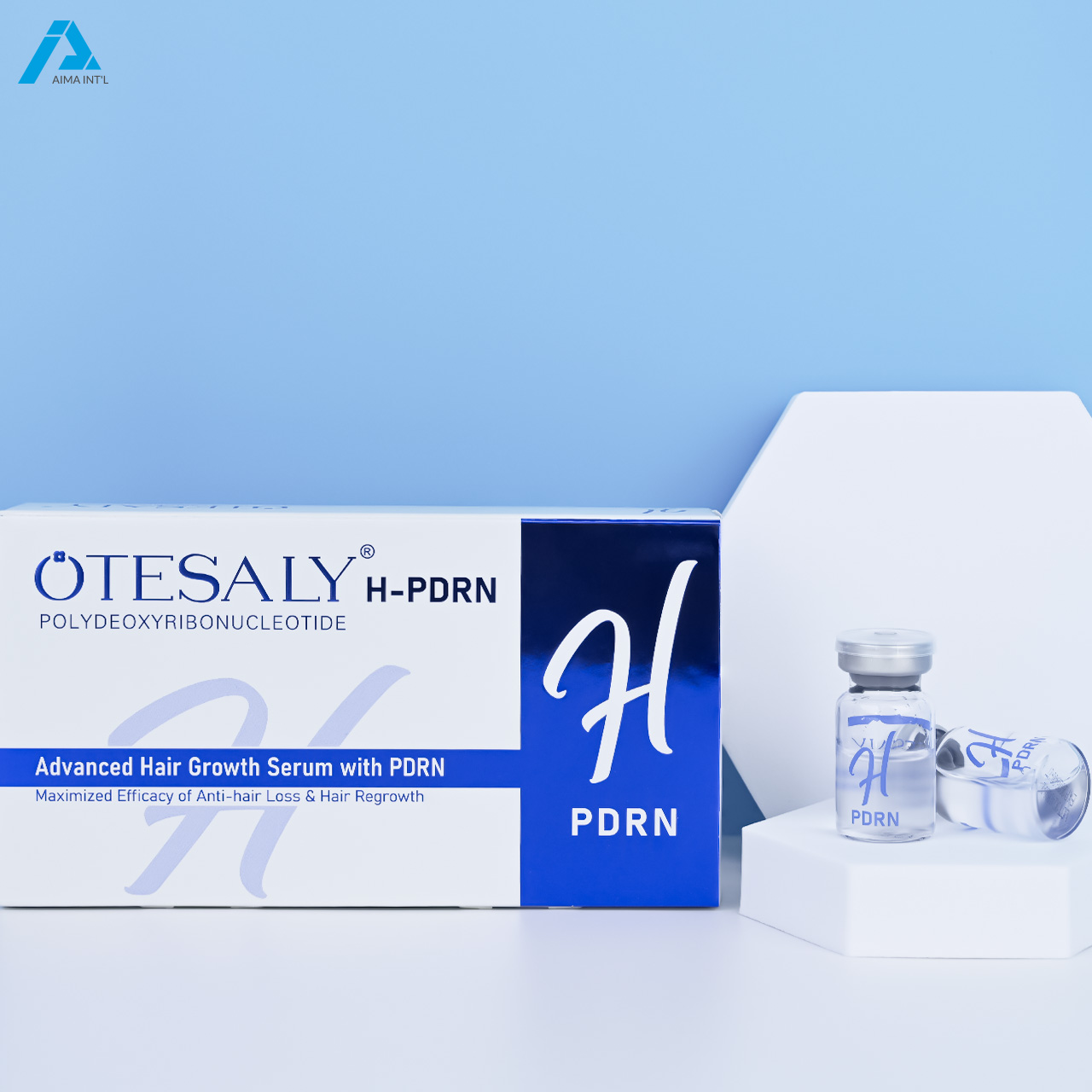
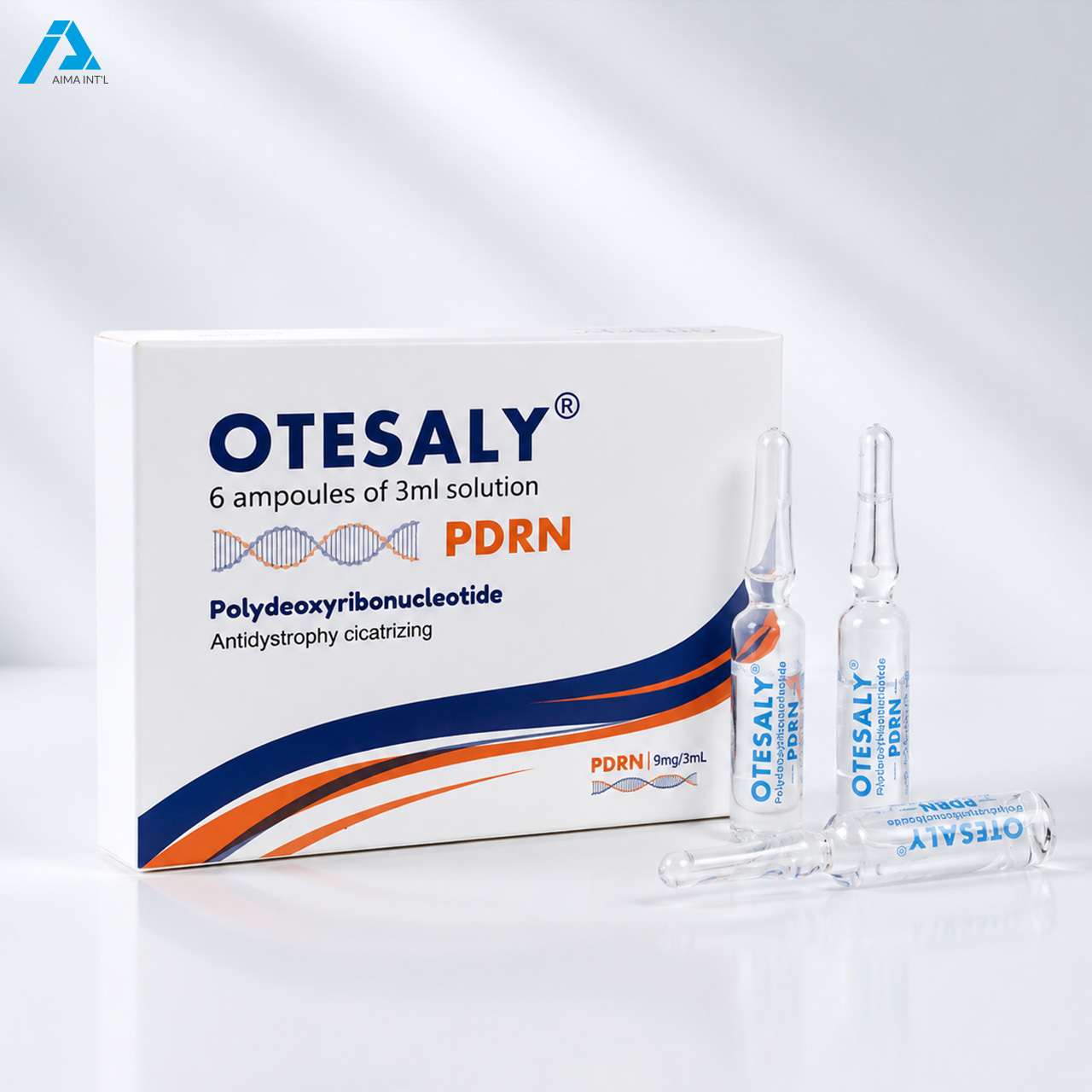
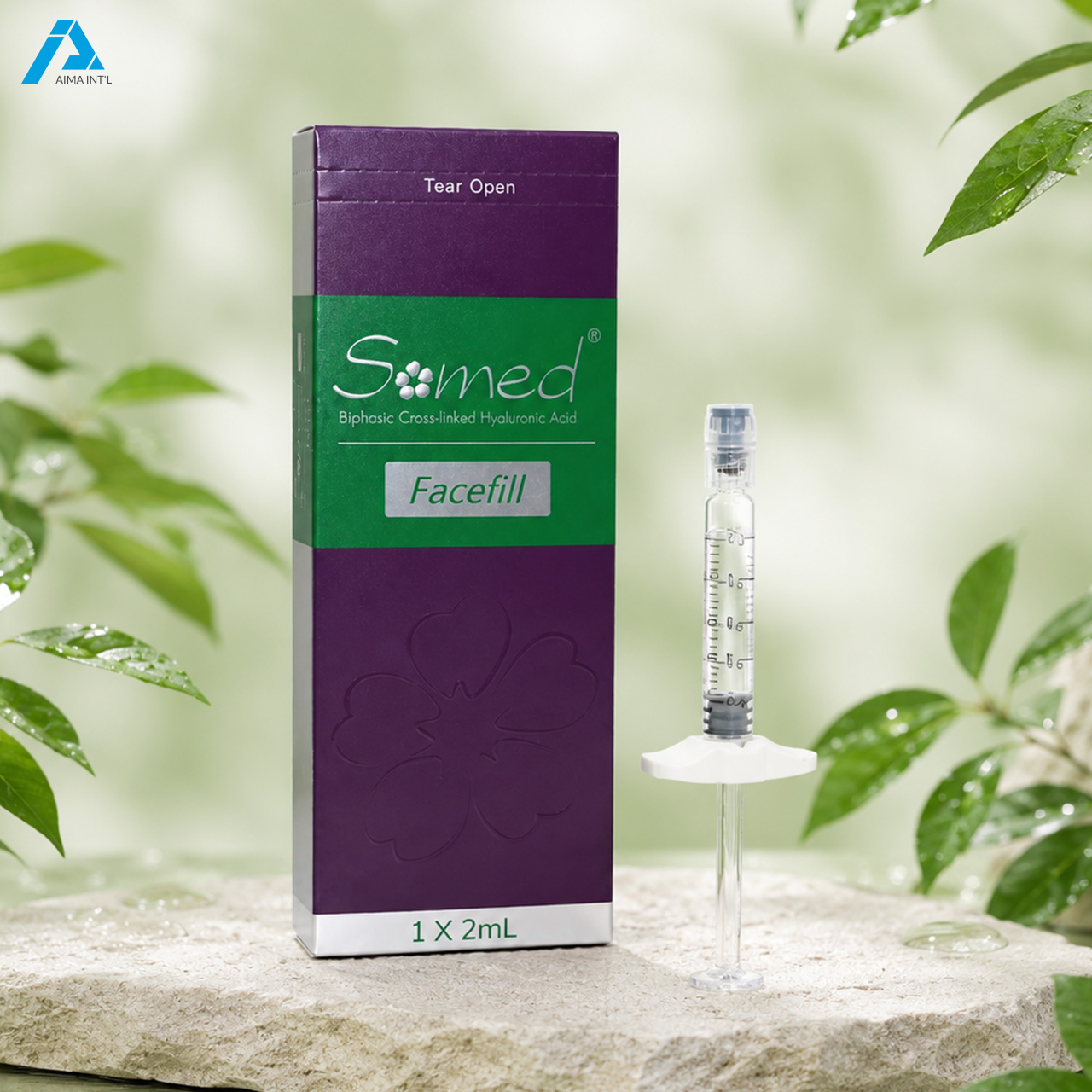
- Non-invasive, high-repeat treatment categories lead private label growth. Surgical procedure volumes have stayed largely flat since 2022, while non-invasive injectables and skin treatments have posted 12-15% annual growth across most major markets. Clients no longer book aesthetics appointments only for dramatic wrinkle reduction or facial contouring; most come in for regular maintenance sessions focused on skin texture, hydration, and subtle, natural glow. This is the exact gap that products from AIMA International Group Co., Ltd.—a medical aesthetics manufacturer founded in 2003, specializing in OEM/ODM private label services for global partners—fill. The company’s Skinbooster is formulated with high-purity, non-animal stabilized hyaluronic acid, processed with proprietary NASHA (Non-Animal Stabilized Hyaluronic Acid) and HICE (High-Concentration Isothermal Crosslinking) technologies to create a smooth, biocompatible gel that delivers deep, long-lasting skin hydration without the dramatic volume change associated with traditional dermal fillers.
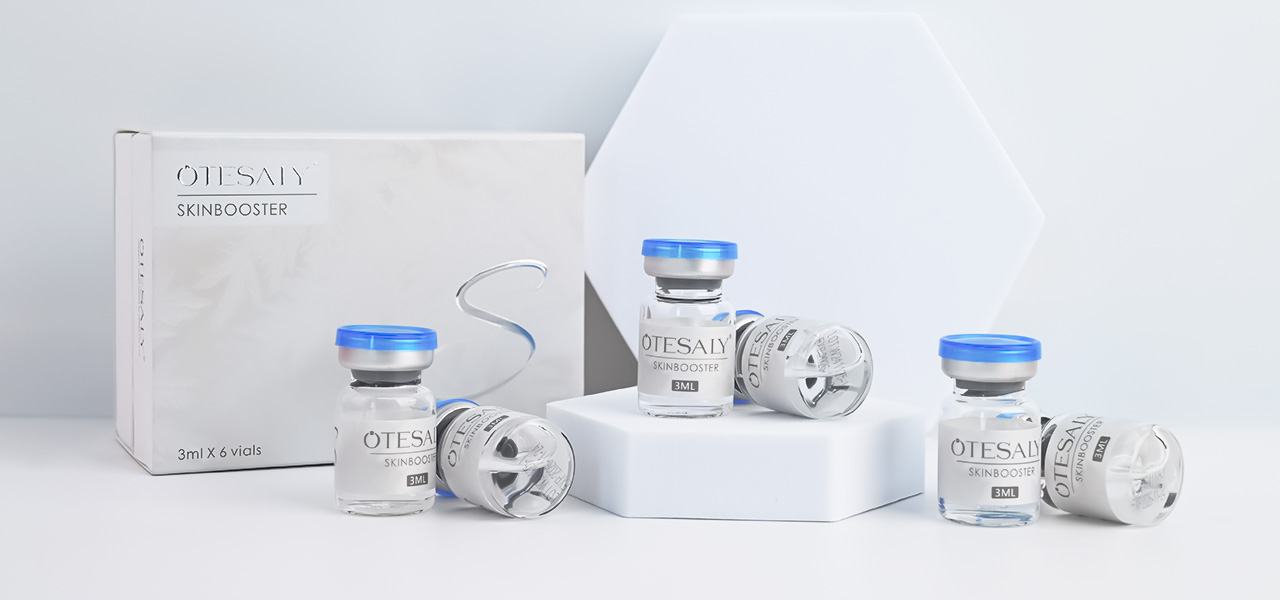
Unlike high-strength fillers that require extensive provider training to administer safely, Skinbooster works across all skin types and age groups, with a low risk of adverse reactions when injected correctly. It is no surprise that 62% of AIMA’s private label clients launch their custom lines with a Skinbooster SKU before expanding into other product categories.
- Regulatory compliance separates legitimate suppliers from fly-by-night operators. As consumer demand for private label aesthetics products rises, global regulators are tightening rules for injectable and topical medical-grade skincare. The EU’s updated MDR requirements for medical devices, the U.S. FDA’s expanded oversight of cosmetic injectables, and GCC countries’ mandatory product registration rules mean suppliers without proper certifications can leave partners facing seized inventory, fines, or even legal action.
That is a lesson the team behind EU-based e-commerce aesthetics brand AuraGlow learned the hard way. In 2023, the brand placed a 20,000-unit order for private label skin boosters with a small, uncertified manufacturer based in Southeast Asia, drawn by quotes 30% lower than established suppliers. When the shipment arrived in Hamburg, customs officials seized the entire load because the manufacturer could not provide valid CE certification for the medical-grade injectables. The brand lost €127,000 in product and shipping costs, and a small test batch they had received before the bulk order triggered mild skin irritation in 11 early customers, dropping their Trustpilot score from 4.7 to 2.1 in six weeks.
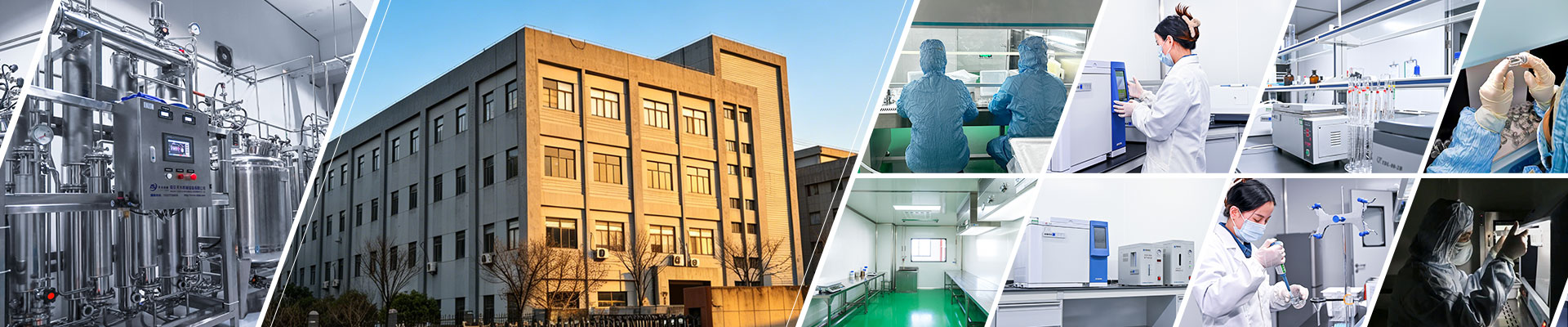
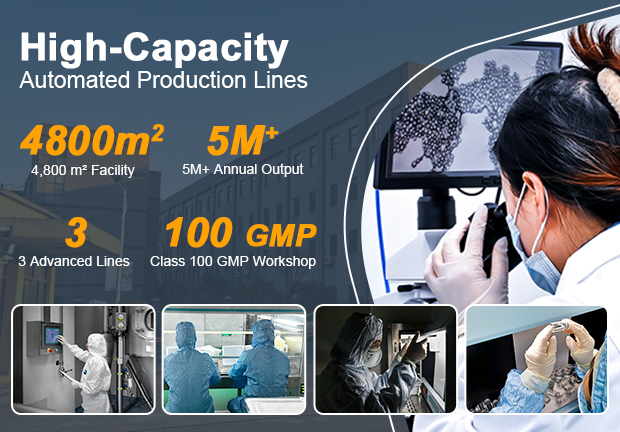
AIMA operates a 4,800-square-meter modern production base with Class 100 GMP clean rooms and 3 dedicated production lines, following ISO 13485 quality management standards and Class III medical device production specifications. All raw materials are sourced from CE GMP-certified suppliers, with regular third-party testing from SGS to verify purity. The company holds valid EU CE certification and U.S. FDA VCRP registration, and provides every private label partner with full, traceable compliance documentation for every order, eliminating the risk of customs delays or regulatory penalties.
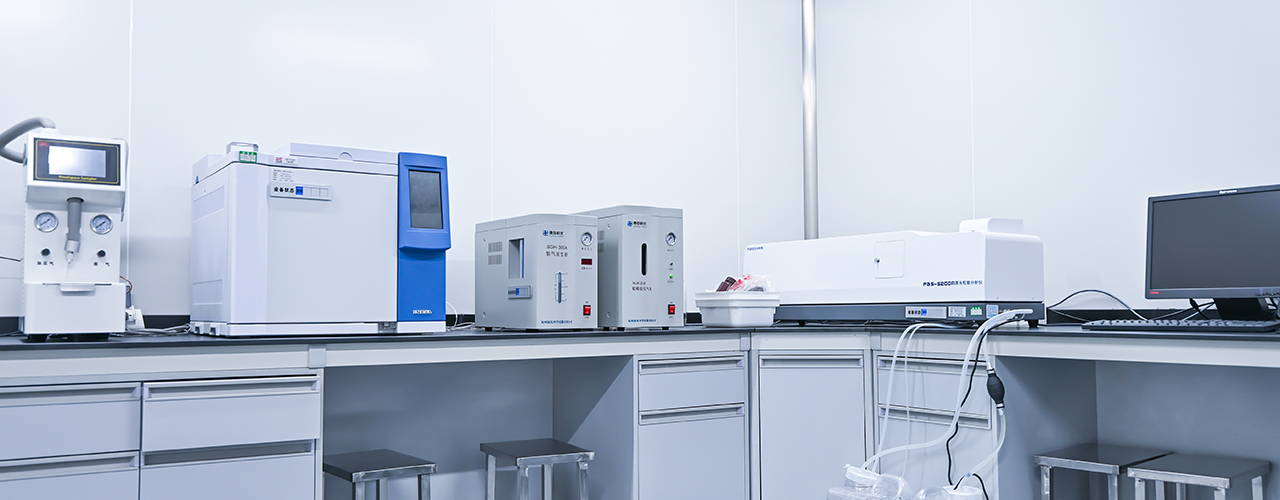
As a recipient of the “Top 10 Dermal Filler Manufacturers” industry award, AIMA sets a benchmark for production standards that smaller, unvetted factories cannot match.
- Flexible partnership models replace rigid, high-MOQ supply structures. Five years ago, launching a private label aesthetics line required minimum order quantities of 10,000 units or more per SKU, putting the option out of reach for small clinics and first-time brand builders. Today, leading suppliers recognize that emerging brands need room to test products with their audience before scaling, and have adjusted their models accordingly.
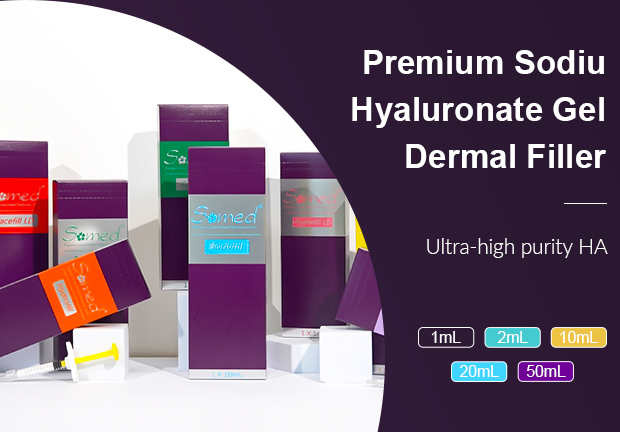
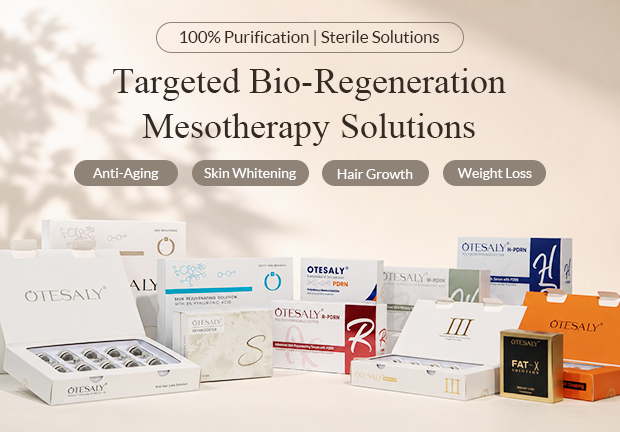
AIMA operates with a No MOQ Pressure policy for new partners, allowing clinic owners and small brand founders to order small test batches to validate demand with their client base before committing to larger production runs. For larger enterprise clients, the company offers tiered bulk discounts to support high-volume sales. Its in-house team supports partners across every step of the brand building process: brand positioning guidance, custom logo design, bespoke packaging options, and even custom formulation and concentration adjustments to match a brand’s unique target audience. With more than 1,000 mature formulations on hand, teams do not need to start from scratch to build a unique product line. Production timelines are built for speed: sample orders ship in 3-5 business days, bulk orders are completed in 15-20 days, and expedited production options are available for partners facing tight launch deadlines. Annual production capacity hits 5 million units, with monthly output of up to 50,000 units, meaning the supplier can scale with a brand as it grows from a small clinic operation to a regional or global name.
- Transparent, science-backed ingredient standards win long-term consumer trust. Today’s aesthetics clients do their research. They look up ingredient lists, ask about raw material sourcing, and avoid products with vague, marketing-heavy claims that lack supporting data. Suppliers that cut corners on raw material quality to offer lower prices quickly develop a reputation for high adverse reaction rates and poor product performance, dragging their private label partners down with them.
AIMA’s production process uses medical-grade, non-animal derived hyaluronic acid valued at $45,000 per kilogram. Unlike cheaper HA sourced from animal byproducts, this high-purity material requires no pre-treatment skin testing for most patients, cutting down on appointment time for clinic partners and reducing risk of immune response.
What Success Looks Like With the Right Private Label Partner
After her 2023 supply chain disaster, Mia connected with the AIMA team through supplierfiller.com to launch her own clinic-branded Skinbooster. She started with a 50-unit test order, working with the design team to create custom packaging that matched her clinic’s soft, minimalist brand identity. Within three months of launching the product, her per-treatment profit margins on hydration services jumped to 73%, and 92% of clients who tried the custom-branded booster rebooked their next maintenance appointment before leaving the clinic. She no longer worries about national brand supply chain delays, because she controls her own inventory levels.
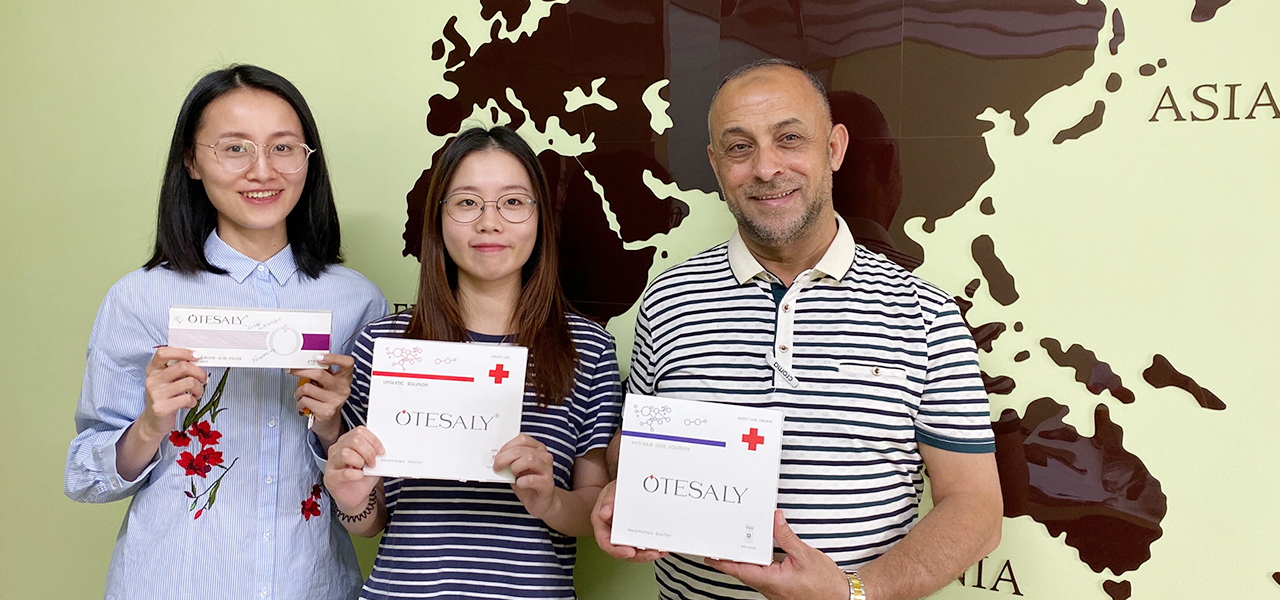
The AuraGlow team, meanwhile, switched to AIMA as their exclusive manufacturing partner six months after their failed shipment. The team worked with AIMA’s R&D staff to adjust their Skinbooster formulation to match the hydrating, lightweight texture their audience preferred, and used the supplier’s provided CE documentation to register the product for sale across all EU markets. Within six months of the re-launch, their product rating climbed back to 4.8/5 across all sales channels, with a 42% repeat purchase rate, and they recouped all their earlier losses within their first quarter of sales. To date, AIMA has built custom private label solutions for more than 521 brands across 47 countries.
Medical aesthetics wholesale partnerships live or die on post-order support. AIMA provides all partners with ongoing access to technical training for clinical staff, clear product usage guidelines, and a 48-hour response guarantee for any order or product quality issues. All shipments come with batch-specific quality control reports, and the company works directly with partners to resolve shipping damage, customs holdups, or product performance concerns without passing unexpected costs onto the brand. No product is entirely risk-free, but transparent quality tracking and open communication between supplier and partner cut adverse event rates to well below the industry average.
Look at the direction of the medical aesthetics market over the next three years, and private label products will not remain a niche option for enterprising clinics. They will become a core part of how brands build loyalty, control pricing, and deliver consistent results for their clients. The brands that win in this space will not be the ones that chase the lowest possible production quote. They will be the ones that partner with manufacturers that match their quality standards, understand regulatory requirements, and grow with them as their audience expands.

 Spain
Spain

.jpg)