
Welcome to visit AIMA International Group
 Spain
Spain

Your browser version is too low, in order to ensure a better browsing experience,Please click to update to a higher version browser.
Talk about it later.XWelcome to visit AIMA International Group
Spain

.jpg)
Home > News > Industry Trends > Class III Medical Device Medical Aesthetics OEM: Compliant Custom Injectable Solutions for Global Brands
Industry TrendsScroll through any global B2B marketplace for aesthetic supplies, and you will see dozens of listings advertising “CE-certified Class III dermal fillers” priced at $1.80 to $2.20 per unit. Anyone who has sourced medical-grade injectable materials knows that price point does not even cover the cost of premium raw material, let alone GMP production, sterilization, regulatory testing, and proper documentation. For brands building a presence in the medical aesthetics space, finding a reliable partner for Class III Medical Device manufacturing is the biggest barrier to long-term success, and missteps can cost tens of thousands in lost inventory, regulatory fines, and customer trust.
All the custom manufacturing solutions referenced here are accessible directly via supplierfiller.com, the official B2B portal for AIMA International Group Co., Ltd., a dedicated medical aesthetics manufacturer founded in 2003 that specializes in flexible OEM/ODM services for brands of all sizes.
What actually separates a legit Class III medical device aesthetics OEM from the dozens of unvetted suppliers flooding B2B platforms? It starts with understanding exactly what the Class III designation requires, and where most suppliers cut corners to offer rock-bottom prices.
What Qualifies as a Class III Medical Device in Medical Aesthetics?
Regulatory bodies including the U.S. FDA and EU under the MDR 2017/745 framework categorize medical devices by risk level. Class III represents the highest risk category, reserved for products that are implanted into the human body, support or sustain life, or carry a measurable risk of illness or injury if used improperly. In the aesthetics space, this category covers injectable dermal fillers placed below the dermis, long-acting implantable volumizers, and injectable products containing pharmaceutical active ingredients like lidocaine.
This classification is far more rigorous than the standards applied to topical skincare, skinbooster ampoules classified as cosmetics, or even Class III medical devices like microneedling tools. Class III device manufacturers must maintain fully traceable production records for every batch, conduct regular clinical safety evaluations, operate in certified cleanroom environments, and hold product-specific certifications from notified regulatory bodies. A CE certificate for a topical serum, for example, does not cover injectable filler products – a detail that trips up far too many new brand owners.
In 2022, a Poland-based indie beauty brand focused on medspa distribution reached out to our team after losing €127,000 in seized inventory. The brand had contracted a cut-rate OEM supplier out of Southeast Asia that claimed to sell CE-marked Class III dermal fillers, but when their shipment arrived at the Port of Rotterdam, customs officials found the submitted CE certificate was registered for topical hyaluronic acid serums, not injectable medical devices. The entire stock was destroyed, the brand’s third-party marketplace store was suspended for 6 months, and they faced an additional €40,000 in regulatory fines.
Core Gaps Most Medical Aesthetics OEM Partners Fail to Address for Class III Device Lines
Over 21 years in the industry, we have spoken to hundreds of brand owners that walked away from bad OEM partnerships with lost capital and damaged reputations. Most of these failures trace back to a handful of consistent gaps:
A U.S.-based medspa chain with 12 locations across Texas and Florida came to us in early 2023, after tying up $210,000 in dead stock with a domestic OEM partner. The partner required a 100,000-unit minimum order for their branded lidocaine dermal filler line, but the chain only moved 1,200 units a month across all locations. They were stuck with 82,000 units nearing expiration, with no option to return stock or adjust formulations to match client demand.
AIMA’s Class III Medical Device Manufacturing Capabilities for Aesthetics Brands
AIMA holds an industry-recognized position as one of the Top 10 Dermal Filler Manufacturers globally, with a track record of producing compliant Class III medical device products for markets across 47 countries. Our entire production operation is built to meet ISO 13485 quality management system standards, with full alignment to global Class III medical device manufacturing specifications.
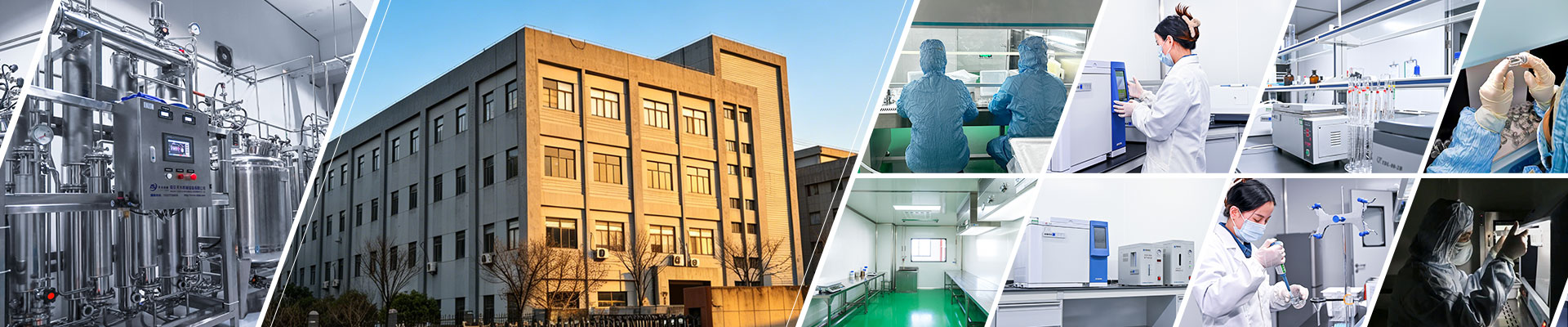
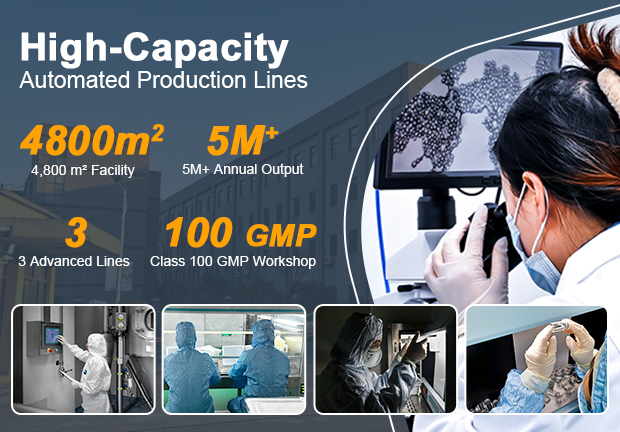
Our 4,800-square-meter modern production facility is purpose-built for Class III medical device manufacturing, outfitted with Class 100 GMP cleanrooms and 3 dedicated, fully automated production lines.

Our production and R&D teams hold deep expertise across two core patented technologies that set our injectable products apart from generic market offerings:
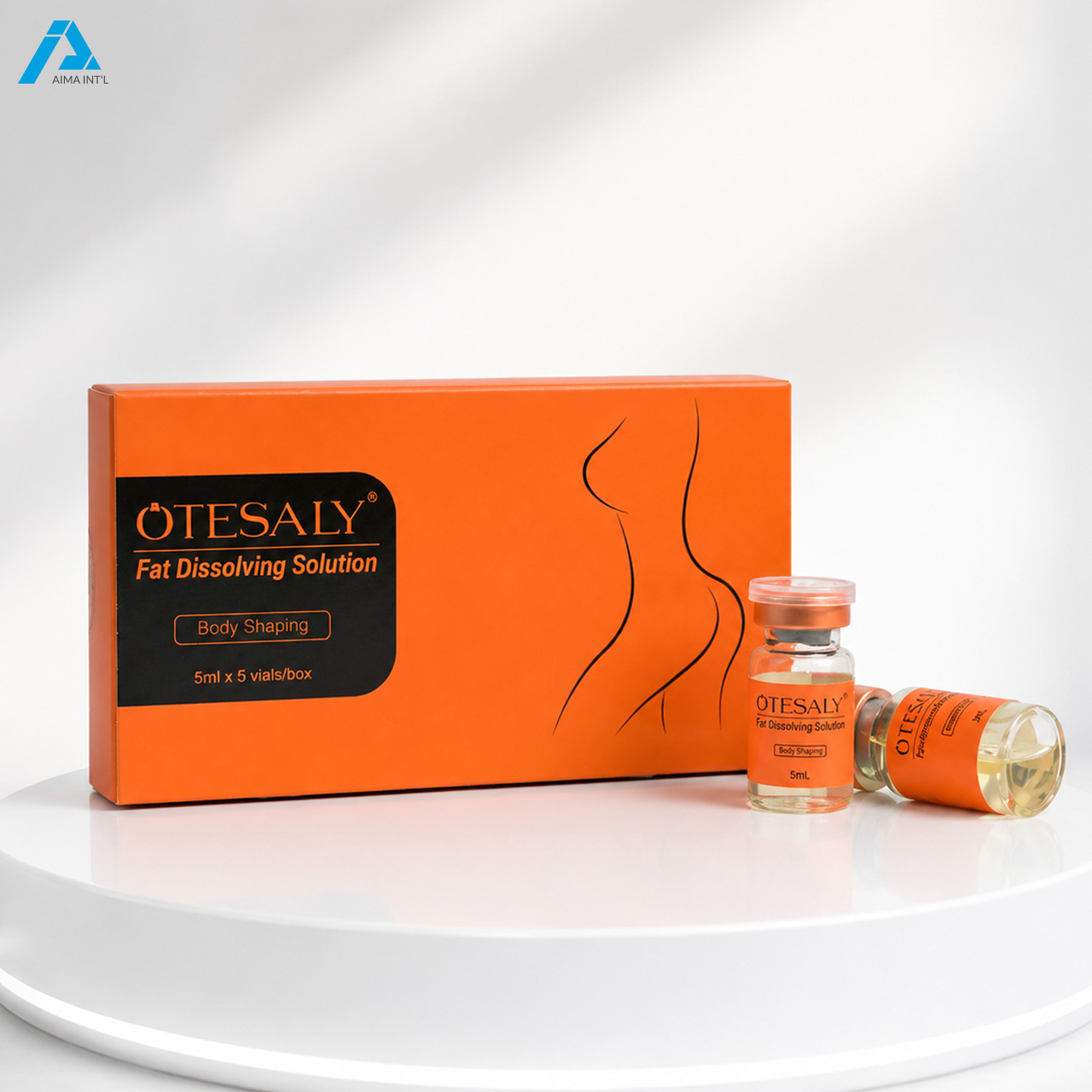
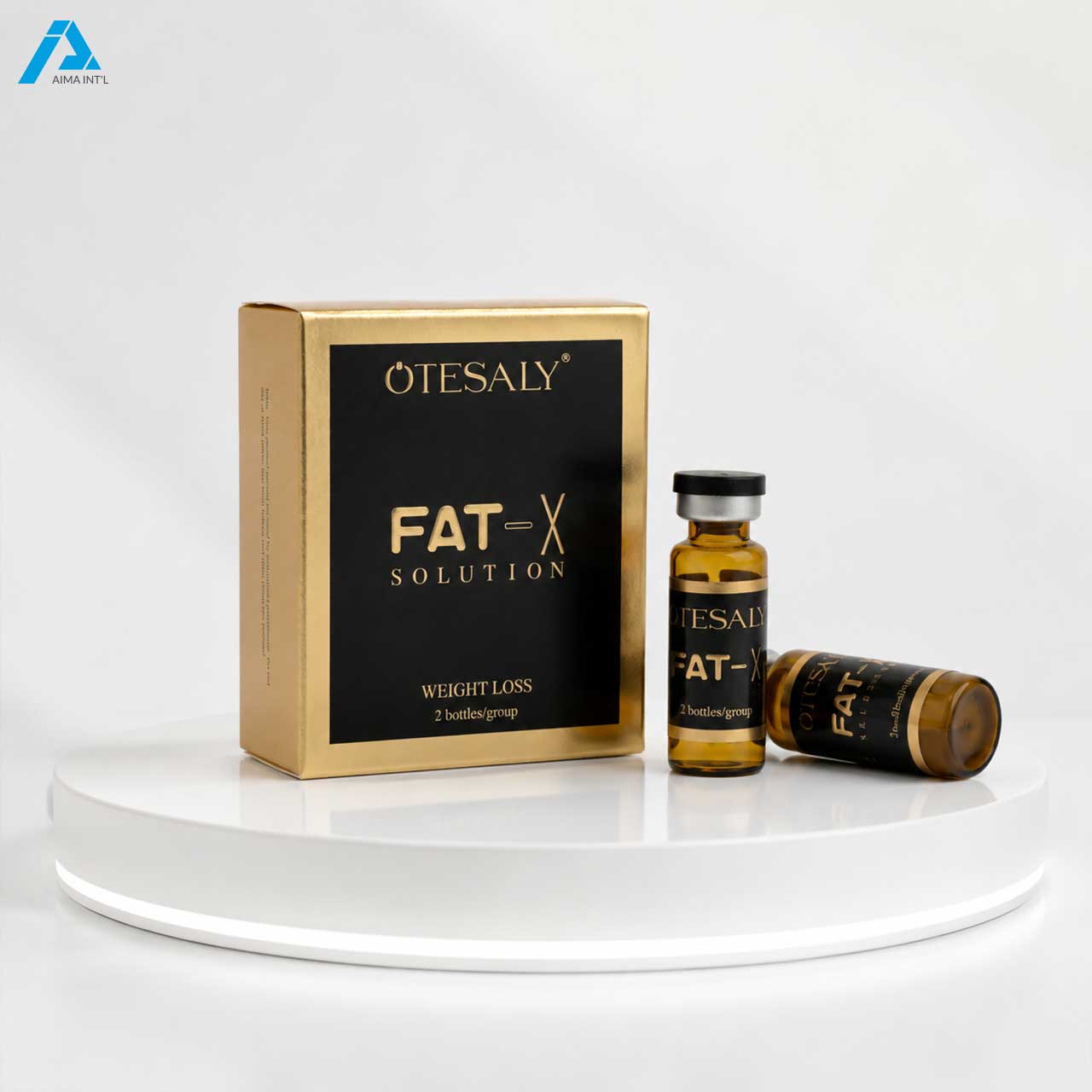
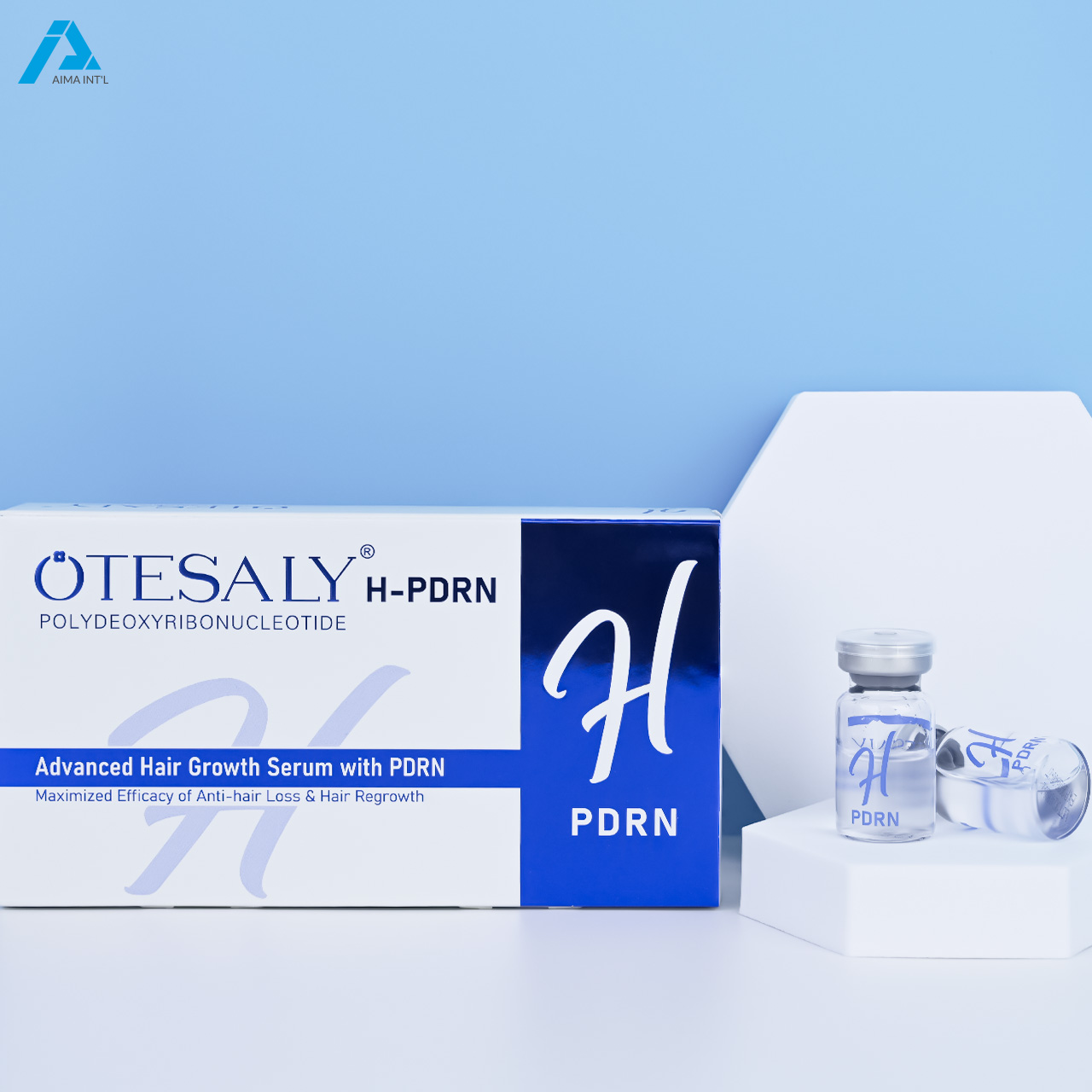
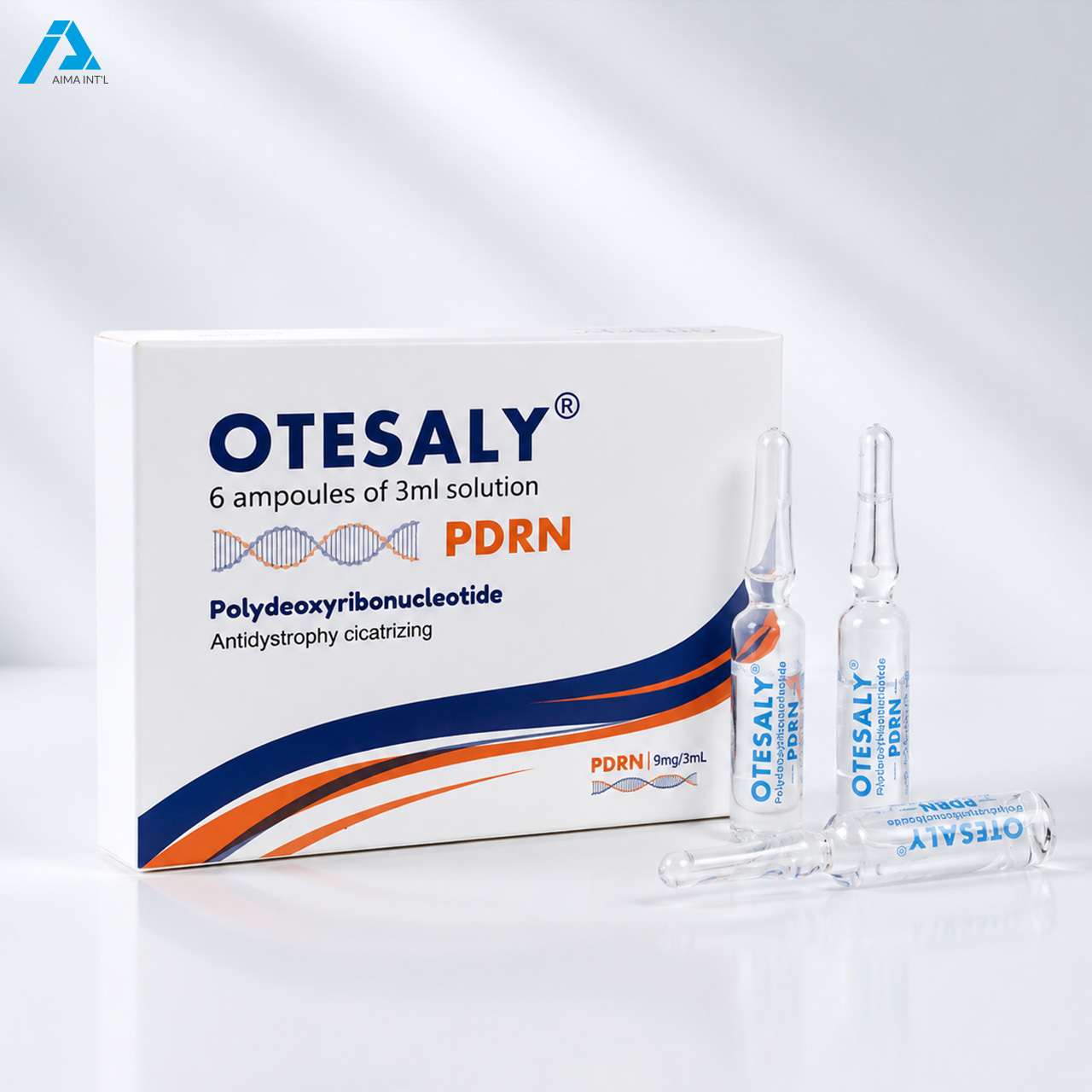
Every batch of raw material goes through third-party testing by SGS and other authorized labs before entering production, with full traceability records kept for 10 years per global medical device reporting requirements. Our in-house R&D lab maintains a library of over 1000 mature, clinically validated formulations across dermal fillers, PDRN ampoules, skin boosters, and fat-dissolving solutions, so brands do not need to start formulation development from zero.
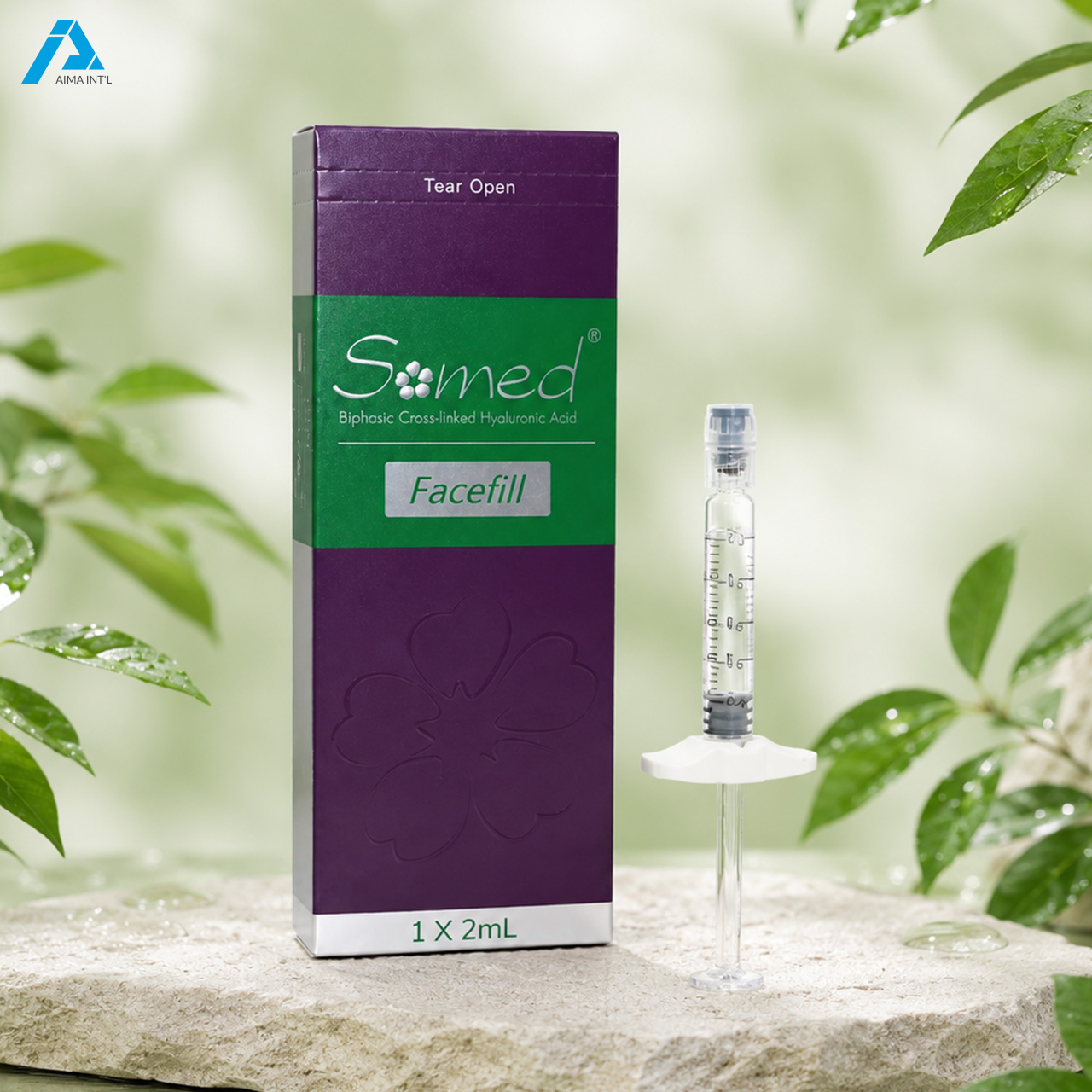
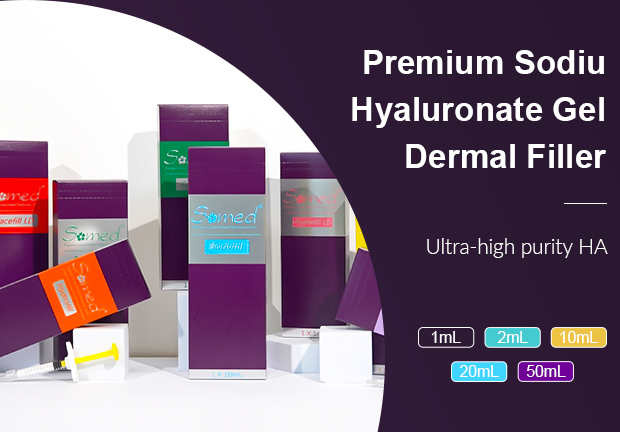
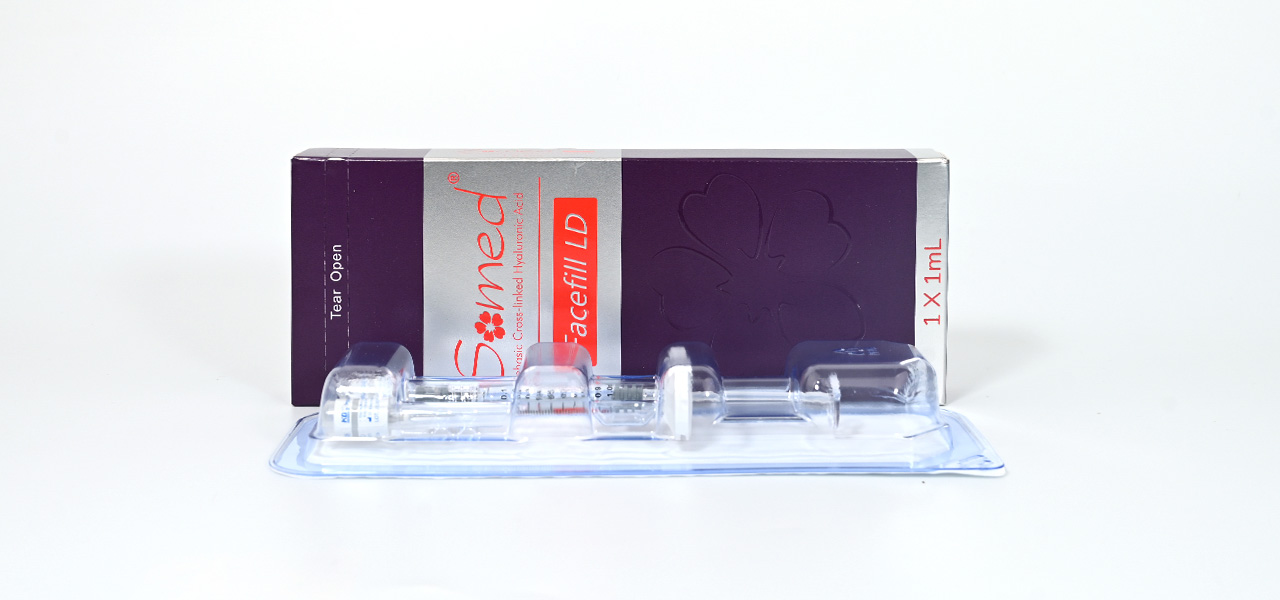
One of our most requested Class III medical device SKUs for private label is Facefill Lidocaine. Formulated with 24mg/ml of evenly crosslinked HA and 0.3% pharmaceutical-grade lidocaine, the product is indicated for mid-to-deep dermal placement to address nasolabial folds, add volume to the cheek area, and restore soft tissue contour in the temple region. The integrated lidocaine cuts patient-reported injection pain by 72% in our independent clinical tests, removing the need for separate topical numbing for most patients. The product holds full CE certification for Class III medical device use, meets FDA VCRP registration requirements, and is currently sold by our partner brands across Europe, North America, the Middle East, and Southeast Asia.
Flexible Medical Aesthetics OEM Services Built for Every Brand Stage
We built our OEM program to address the exact pain points we heard from hundreds of brand owners over two decades in business, with no rigid, one-size-fits-all requirements. Our current production capacity reaches 5 million units annually, with monthly output of up to 50,000 units, allowing us to scale support as brands grow from small test launches to national distribution.
Core offerings for all OEM partners include:
The Poland-based indie brand that faced customs seizure launched their private label Facefill Lidocaine line with us in Q4 2022, starting with an initial 800-unit test order. Within 18 months, they scaled to 12,000 units per month, supplying 72 medspas across 6 EU markets. The Texas medspa chain made the switch to our OEM program in Q2 2023, matching their monthly order size directly to their 1,200-unit monthly usage rate, and cut excess inventory holding costs by 89% in their first 6 months of partnership.

To date, we have delivered custom Class III medical device aesthetics solutions for over 521 brands worldwide, with case studies and client references available for review directly on supplierfiller.com.
Common Misconceptions About Class III Medical Device OEM in Aesthetics
Many new brand owners hold incorrect assumptions about what it takes to launch a compliant Class III device line, often leading them to either overspend on unnecessary overhead or take dangerous risks with unvetted suppliers.
One common myth is that Class III device OEM is prohibitively expensive for small brands. While regulatory requirements are strict, our no-MOQ model and pre-built library of clinically validated formulations cut entry costs by 60% compared to building an in-house production line or working with large multinational OEMs that cater exclusively to Fortune 500 beauty companies. You do not need a seven-figure startup budget to launch a safe, compliant injectable line.
Another myth is that all HA fillers are functionally identical, regardless of manufacturer. We have tested dozens of grey-market fillers sent to us by brands for quality analysis, and found BDDE residual levels as high as 1200ppb, with total aerobic bacteria counts exceeding allowable limits by 30 times. These are products that carry measurable risk of permanent scarring, infection, or disfigurement for end patients, and the brands that sell them face permanent reputational damage when issues arise.
A third myth is that OEM services end when products leave the factory. We work with brands long after production is complete, supporting them with marketing material drafts, clinical data snippets for their sales teams, and ongoing formulation updates as market trends shift. For example, when demand for longer-lasting PLLA volumizing fillers grew 47% in the Middle East market in 2024, we worked with 19 of our existing clients to adjust their product lines to include PLLA-based volumizing fillers within 6 weeks, helping them capture market share before competitors could launch similar offerings.
If you are planning to launch or refresh a private label medical aesthetics line, and need a partner that understands the full scope of Class III medical device regulatory requirements, you can browse our full product catalog, request free samples, and get a custom OEM quote directly through supplierfiller.com. You will not be locked into oversized order commitments, or left navigating regulatory paperwork alone. We have spent 21 years refining our manufacturing and support process to remove the friction from building a compliant, profitable aesthetics brand.
Copyright @ 2026 AIMA International Group Co., Ltd.