
Welcome to visit AIMA International Group
 Spain
Spain

Your browser version is too low, in order to ensure a better browsing experience,Please click to update to a higher version browser.
Talk about it later.XWelcome to visit AIMA International Group
Spain
.jpg)
Home > News > Industry Trends > Mature Formulas for OEM Dermal Filler: Launch and Scale Your Aesthetics Brand Without Costly R&D Missteps
Industry TrendsHave you ever poured six figures into developing a proprietary dermal filler line, only to face batch inconsistency issues, adverse reaction reports from early testers, or regulatory pushback that pushed your launch date back 18 months? You are not alone. Data from the 2024 Global Aesthetics Supply Chain Report shows 68% of emerging dermal filler brands fold within their first two years, not because of poor marketing or low demand, but because they partnered with OEM suppliers that relied on untested, half-baked formulas instead of proven, market-validated options.
What Actually Counts as a “Mature Formula” for Dermal Fillers?
Browse any OEM dermal filler supplier’s website, and you will see the phrase “mature formulas” splashed across service pages. Few teams take the time to define what that label actually means. Many suppliers apply the term to lab samples that have gone through three or four test batches, with no clinical data, no long-term stability tracking, and no regulatory paperwork to back up safety claims. A truly mature dermal filler formula meets four non-negotiable benchmarks:
Cut corners on any of these benchmarks, and you risk shipping product that causes injector frustration, patient adverse events, or customs seizures that sink your brand before it gains traction.
Why Mature Formulas Make or Break OEM Dermal Filler Partnerships
In 2022, a boutique aesthetics brand based in Miami, Florida, approached AIMA International Group Co., Ltd. after a disastrous first run with a budget OEM supplier. The brand had paid $40,000 upfront for a “custom HA filler formula” that the supplier claimed was “market ready.” When the first 2,000 units arrived, the brand’s in-house medical advisory board found 12% of syringes had uneven crosslinking, leading to palpable nodule formation in 18 of their first 100 patients. The brand lost $120,000 in refund requests, negative social media coverage, and a 3-month launch delay.
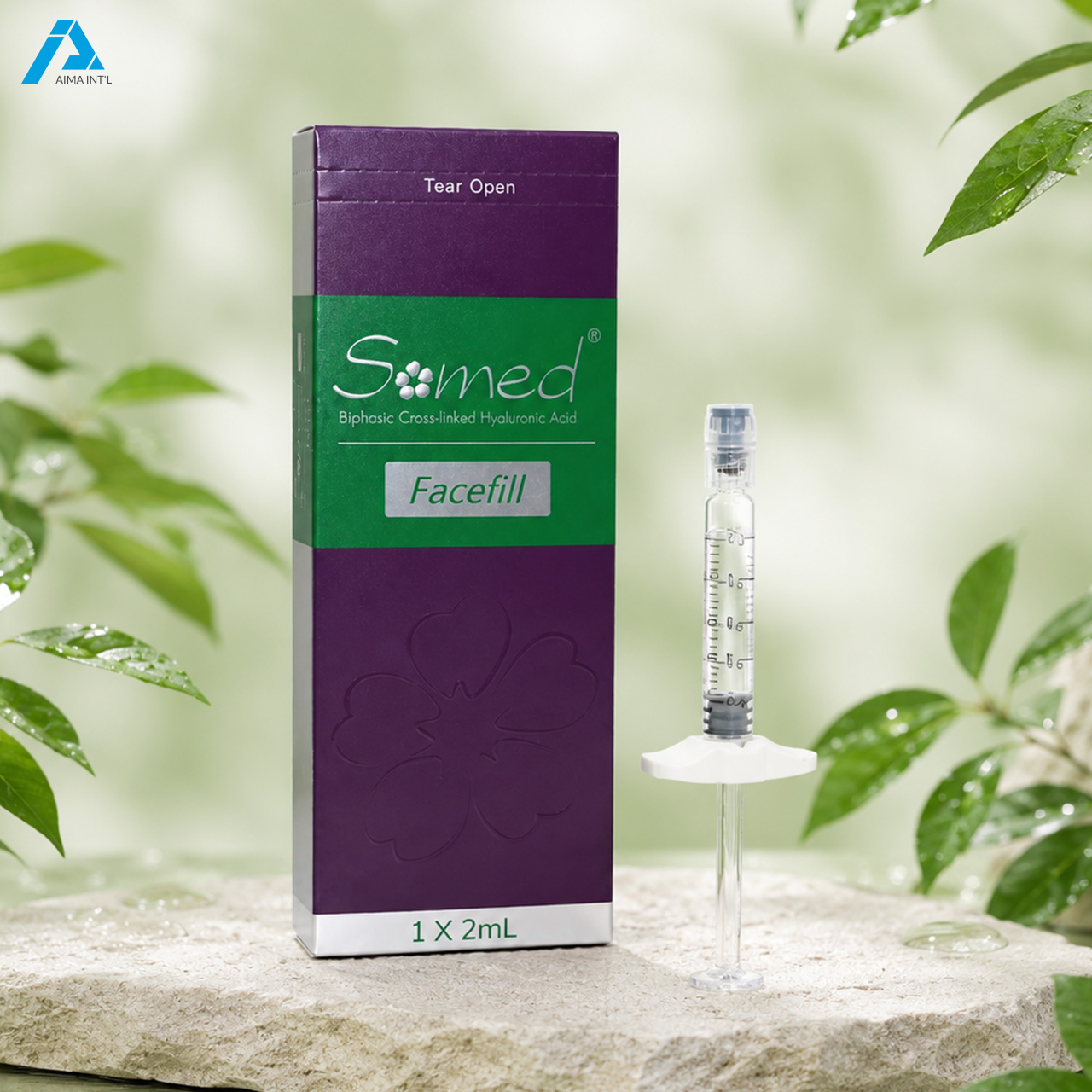
AIMA’s team did not ask them to start from scratch. Instead, they walked the brand through the company’s library of 1000+ mature dermal filler formulas, each with full clinical dossiers, batch stability records, and pre-cleared regulatory documentation. The brand selected a mid-viscosity facial filler formulated with 0.3% lidocaine for reduced injection pain, optimized for nasolabial folds, cheek augmentation, and perioral line correction.
This formulation, sold globally as Facefill Lidocaine, has been on the market since 2018, with over 12 million syringes distributed across 47 countries.
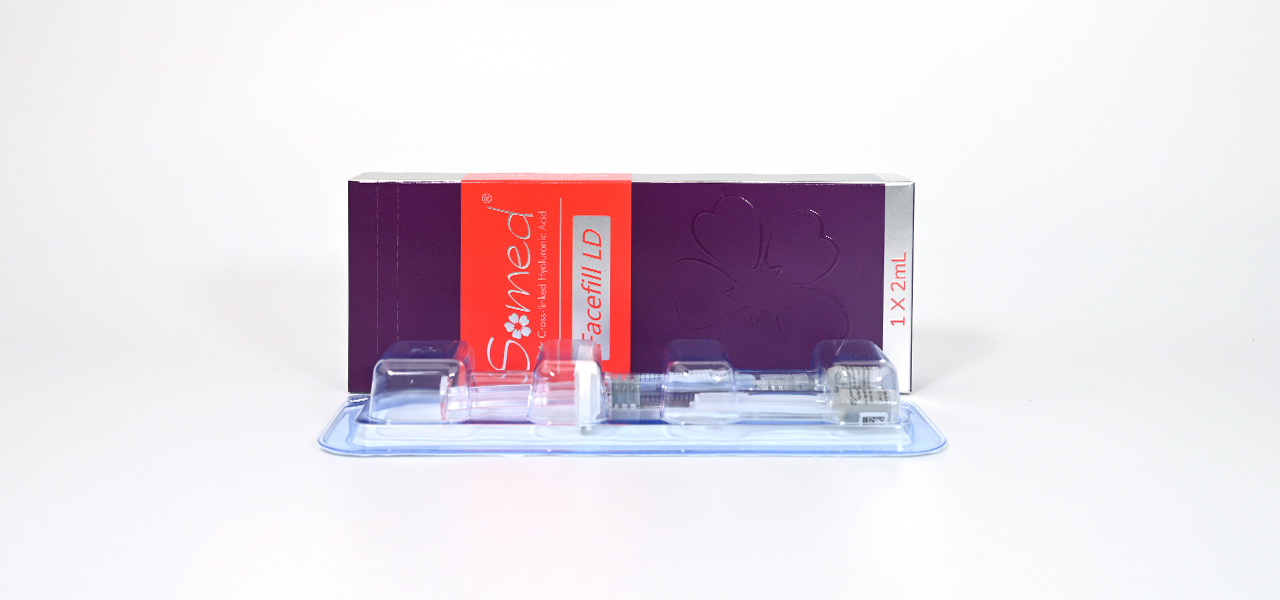
The Miami brand only requested minor customizations: custom branded syringe labeling, matte white packaging to match their minimalist brand identity, and a small adjustment to extrusion force to match the preference of their network of 40+ injector partners. The first custom order shipped 35 days after contract signing. Within six months of launch, the brand hit monthly sales of 12,000 syringes, with a 94% patient satisfaction rate and zero reports of severe adverse reactions. The brand has since expanded its line to three additional filler SKUs, all built from AIMA’s mature formula library.
A second client, a leading medical aesthetics chain based in Germany with 82 clinics across the EU, spent 2.1 million Euros over two years trying to develop an in-house dermal filler line. Their internal R&D team hit a wall when they could not get crosslinking consistency right for a high-volumizing cheek filler, and their submission for CE marking was rejected twice due to incomplete raw material traceability records. They reached out to AIMA in 2023, looking for an OEM partner that could cut their time to market without compromising the clinical standards their clinics were known for.
AIMA’s team matched them with a high-G prime mature HA filler formula, adjusted to their requested 24mg/ml HA concentration to support deep sub-dermal injection for midface lifting. Since the formula already held full CE certification and came with a complete technical file, the chain completed its private label registration and rolled out the product across all clinics in six months. The brand now sources 1.2 million syringes annually from AIMA, with a 70% lower total cost than their in-house R&D projection.
How AIMA Builds and Validates Its Library of Mature OEM Dermal Filler Formulas
Founded in 2003, AIMA holds a recognized position as one of the top 10 dermal filler manufacturers globally, with two decades of experience refining injectable formulations for markets across the world. The company’s R&D is built around two core, patented production technologies that set its formulas apart from generic OEM offerings:
Raw material quality sits at the foundation of every mature formula. Many suppliers cut costs by using low-grade HA sourced from unvetted suppliers, with residual protein contaminants that trigger swelling or immune reactions. AIMA uses medical-grade, non-animal derived HA with a raw material cost of $45,000 per kilogram. All raw material suppliers hold CE GMP certification, and every incoming batch undergoes third-party testing by SGS to confirm purity, molecular weight, and absence of contaminants.
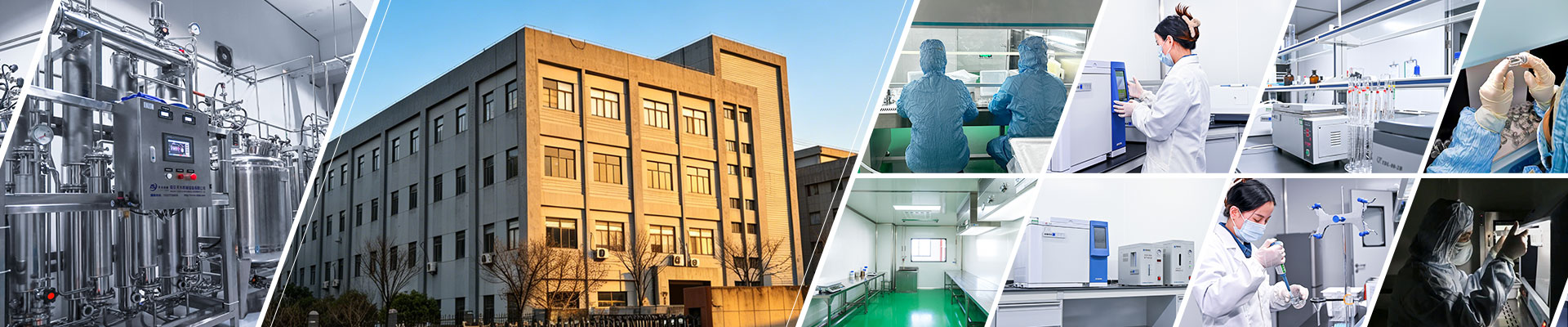
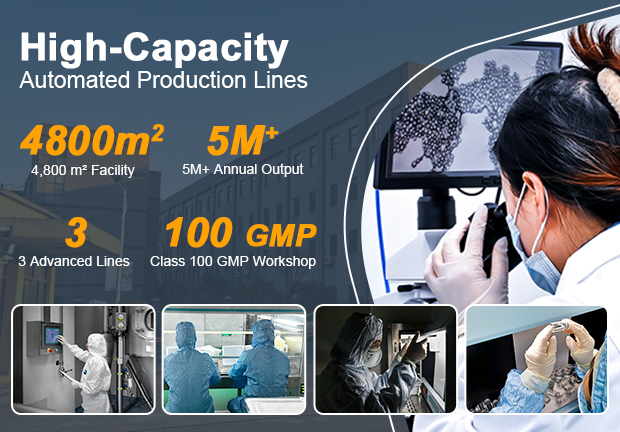
Production takes place in a 4,800 square meter modern production base, outfitted with Class 100 GMP clean rooms and 3 dedicated, fully automated production lines. The facility holds an annual production capacity of 5 million syringes, with monthly output reaching 50,000 syringes to support both small emerging brands and large global clients.
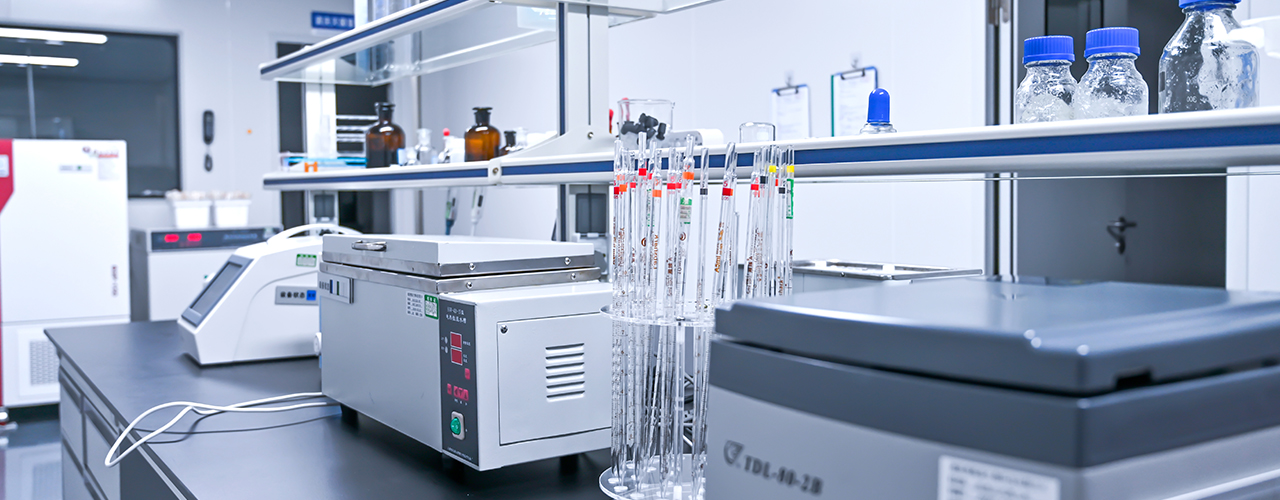
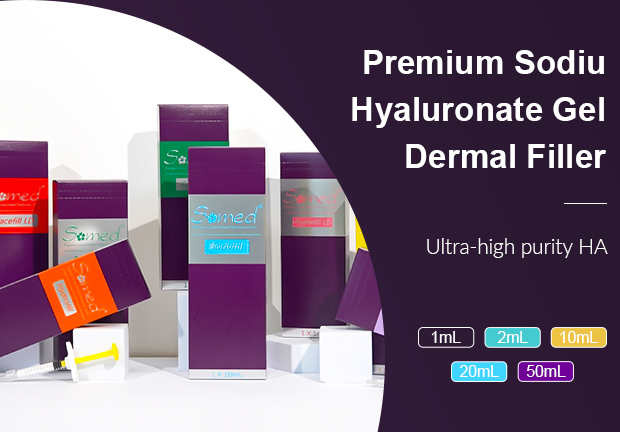
Over 20 years of formulation work, the R&D team has built a library of more than 1000 mature dermal filler formulas, covering HA fillers across all viscosity ranges, CaHA-based volumizers, PLLA collagen stimulators, skinboosters, and complementary aesthetic injectables. Every formula in the library goes through a rigorous 7-stage validation process before it is offered to OEM clients:
Flexible OEM Support That Works for Brands of All Sizes
Many new brands assume OEM dermal filler partnerships require massive minimum order quantities that lock up their startup capital. AIMA designed its program to remove that barrier. There is no MOQ pressure for emerging brands testing the market. Sample orders ship in 3-5 business days, so founders can share product with key opinion leaders and clinical advisors before placing large orders. Larger brands and clinic chains qualify for volume-based discounts, with bulk orders delivered in 15-20 days, plus expedited production options for time-sensitive launches.
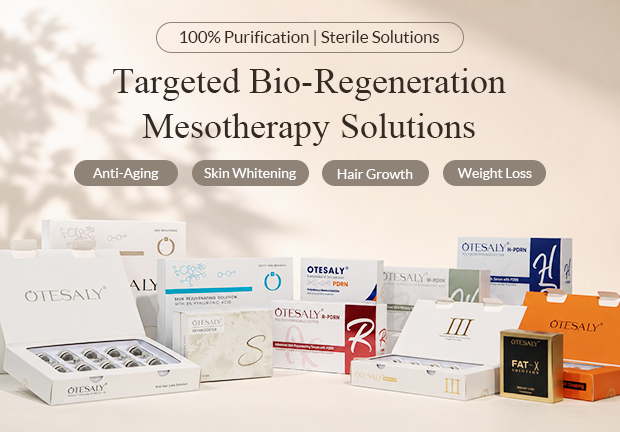
Clients get end-to-end support that goes far beyond formula access. The in-house brand team helps with brand positioning, logo design, and custom packaging that matches a brand’s visual identity. Formulators can adjust HA concentration, crosslinking density, lidocaine content, and even add ancillary ingredients like PDRN for enhanced skin rejuvenation, all starting from a mature formula base—so clients do not have to take on the risk of building a formula from zero.
Every order comes with full traceability documentation, batch-specific CoA reports, and access to AIMA’s regulatory team to support market registration in the EU, North America, Middle East, and APAC. Production follows ISO 13485 quality management standards, and all dermal filler lines meet Class III medical device production specifications. AIMA holds FDA VCRP registration and EU CE certification for its core filler lines, so clients do not have to navigate costly regulatory audits on their own. For medical aesthetics wholesale clients, the post-delivery support team responds to inquiries within 24 hours, including technical support for injector training questions, shipping logistics coordination, and resolution for any batch-related concerns. To date, AIMA has delivered custom OEM solutions for more than 521 aesthetics brands across 60+ countries.
Common Misconceptions About Mature Formula OEM Dermal Filler Services
As mature formula OEM services grow in popularity, a handful of persistent myths keep brands from taking advantage of this lower-risk path to market:
Myth: Using a mature formula means my brand will have the exact same product as every other competitor. The mature formula acts as a proven base. Clients can adjust viscosity, add active ingredients, change packaging, select custom syringe sizes, and even tweak the rheology profile to match their target market’s preferences. For example, a brand targeting lip augmentation clients might take a standard mid-viscosity HA formula and adjust the cohesivity to reduce migration risk, while a brand targeting mature clients with severe volume loss might increase G prime for better lifting capacity—all without going through the risky, time-consuming process of developing a new formula from scratch.
Myth: Mature formulas are more expensive than custom R&D options. Run the numbers. A full custom dermal filler R&D process costs between $150,000 and $500,000, takes 18-36 months, and carries a 72% failure rate, per 2024 medical aesthetics R&D data. Starting with a mature formula cuts R&D costs by 90% on average, reduces time to market to 4-8 weeks for standard customizations, and carries near-zero risk of formula-related failure. The Miami brand mentioned earlier calculated that using AIMA’s mature formula saved them $210,000 in avoided R&D costs, refund payouts, and delayed revenue.
Myth: Any OEM with a GMP facility can produce high-quality fillers from mature formulas. GMP certification is a baseline, not a guarantee. A supplier might have a clean room, but if they do not control every step of the production process—from raw material testing to final syringe filling—even a proven formula can produce bad batches. AIMA runs in-line quality checks at every production stage: raw material inspection after delivery, gel crosslinking monitoring, syringe filling weight checks, final seal integrity testing, and post-packaging sterility tests. This process ensures the mature formula performs exactly as it did during clinical trials, every single batch.
Launching a dermal filler brand does not require reinventing the wheel, or sinking years of capital into untested R&D. The brands that win in this competitive space are the ones that partner with suppliers who have done the hard, unglamorous work of validating formulas, building compliant production systems, and proving product performance across real-world markets. For brands ready to launch without the risk of formula failures, regulatory delays, or costly batch issues, mature formula OEM dermal filler partnerships offer a faster, lower-risk path to building a sustainable, profitable aesthetics brand.
Copyright @ 2026 AIMA International Group Co., Ltd.