
Welcome to visit AIMA International Group
 Spain
Spain

Your browser version is too low, in order to ensure a better browsing experience,Please click to update to a higher version browser.
Talk about it later.XWelcome to visit AIMA International Group
Spain

.jpg)
Home > News > Industry Trends > Automated Production and Stringent Quality Control: How AIMA International Delivers Consistent, Compliant Aesthetic Injectables for Global Brands
Industry TrendsHave you ever tallied the real cost of a bad batch of dermal fillers? For a U.S.-based emerging aesthetic brand in 2022, that number hit $78,000 in direct clinic refunds, plus 3 months of lost sales and a 22% drop in their social media brand sentiment score. Their first production run with a small, low-cost contract manufacturer used mostly manual mixing and filling processes. When the products reached clinics, injectors reported wildly inconsistent push force across syringes—some units required excessive pressure to dispense, others flowed so freely product migrated outside target injection zones. Third-party testing found cross-linking density varied by 12% between units in the same batch, a gap large enough to create visible nodules, uneven results, and patient dissatisfaction.
That story is far from unique. A large European aesthetic retail chain lost two national distribution contracts in 2021 after an entire 230,000 Euro shipment of dermal fillers was held at EU customs. The manufacturer lacked proper quality control documentation, and random border testing found elevated endotoxin levels in 3 tested units. The shipment was destroyed, the chain missed its peak season launch window, and it took 18 months to rebuild trust with distributor partners. These aren’t failures of marketing or pricing. They are direct failures of two non-negotiable pillars of injectable manufacturing: automated production, and end-to-end quality control.
All details of the manufacturing and QC processes outlined here are publicly available to review on supplierfiller.com, where brand owners, wholesale buyers, and clinic procurement teams can access certification documents, request samples, and build custom quotes for OEM/ODM projects.
Dermal fillers and other injectable aesthetics fall into the highest risk category of medical devices in most global markets. They are placed directly into dermal and subdermal tissue, so even tiny deviations in formulation, sterility, or consistency can lead to adverse events: patient allergic reactions, nodule formation, infection, or poor aesthetic outcomes. Manual production workflows, which still dominate small-batch aesthetic manufacturing in many regions, leave too much room for preventable error.
Common gaps in manual and semi-automated production lines include:
These gaps don’t just create bad customer experiences. They create legal liability, regulatory fines, and permanent damage to brand reputation that no amount of influencer marketing can fix.
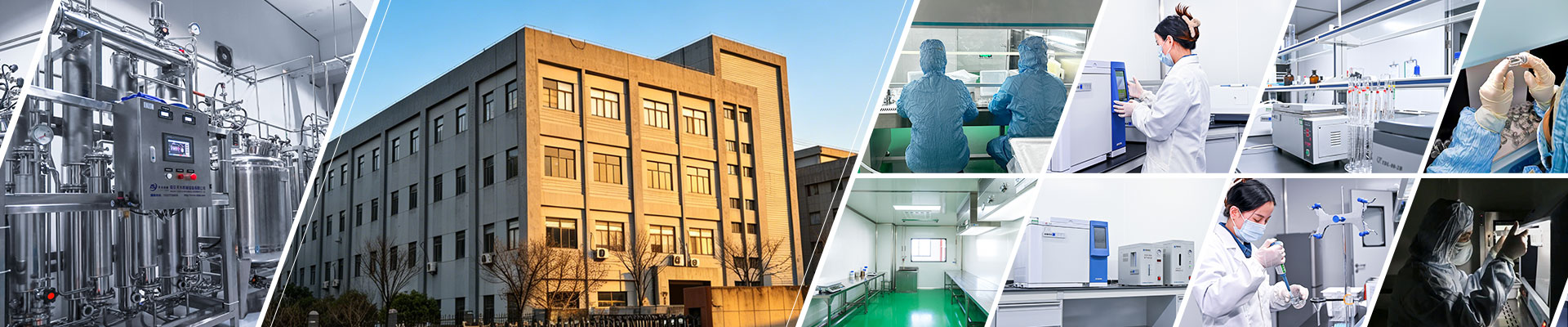
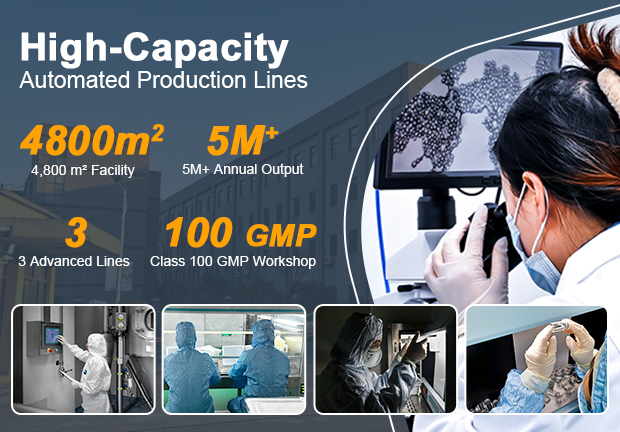
AIMA International Group Co., Ltd. has manufactured medical aesthetic products since 2003, earning a spot among the top 10 global dermal filler manufacturers for its consistent output and regulatory compliance. Its 4,800 square meter modern production facility operates with Class 100 GMP clean rooms and 3 dedicated, fully automated production lines, built specifically for injectable HA product manufacturing.
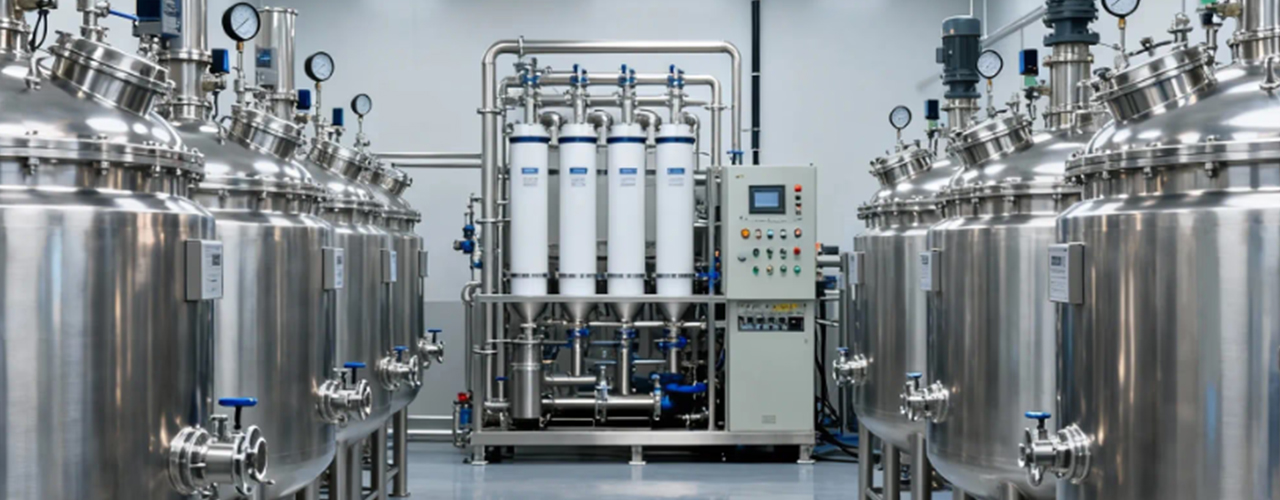
The facility leverages two core, proprietary HA processing technologies, with clear, documented performance standards:
All raw materials used in production meet strict global standards. The facility sources medical-grade, non-animal HA at a purity level that costs $45,000 per kilogram, from suppliers that hold full CE and GMP certification. Third-party auditors from SGS conduct regular, unannounced inspections of raw material storage and production processes to confirm adherence to standards.
The automated production line removes almost all human contact with product during manufacturing, from raw material input to final sealed syringe:
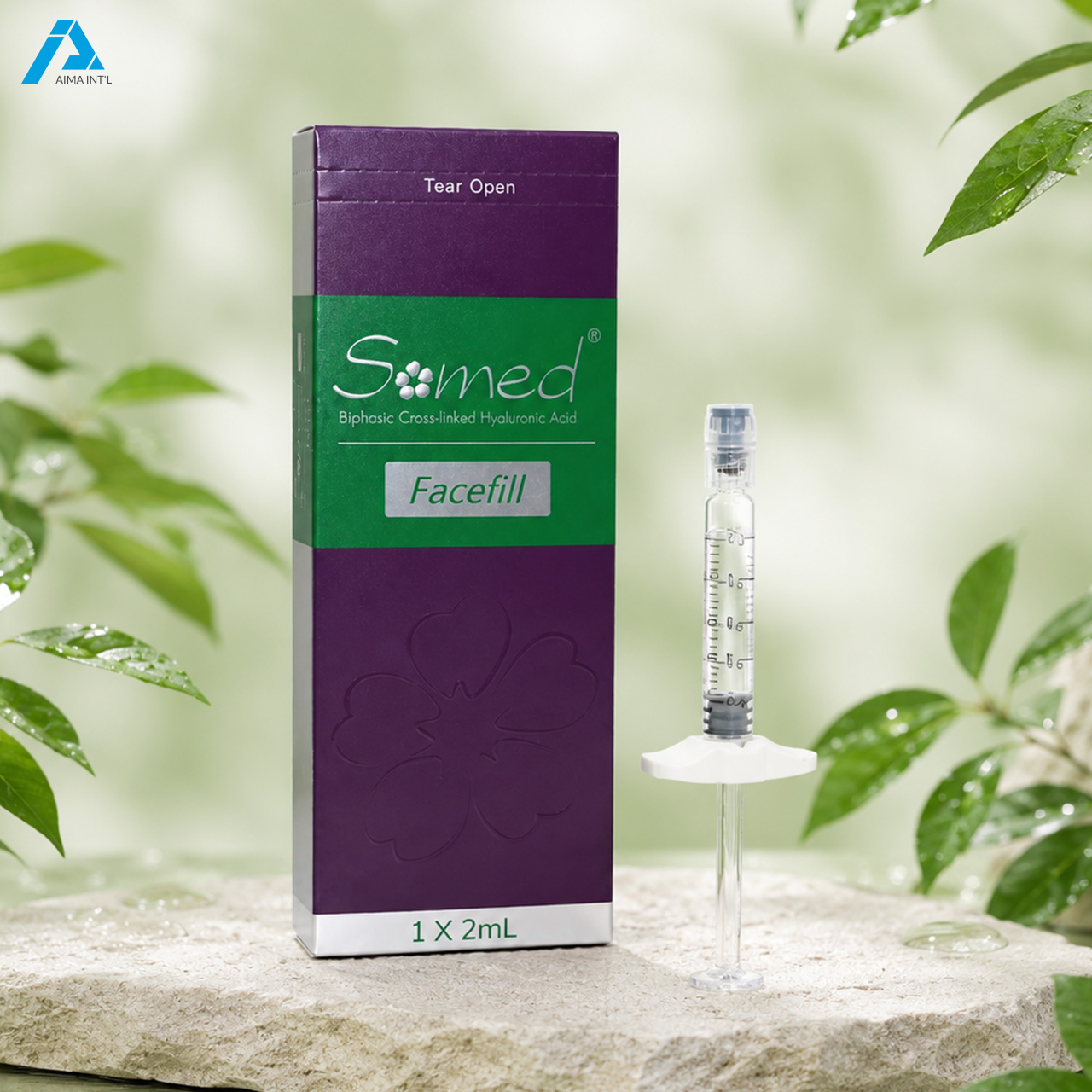
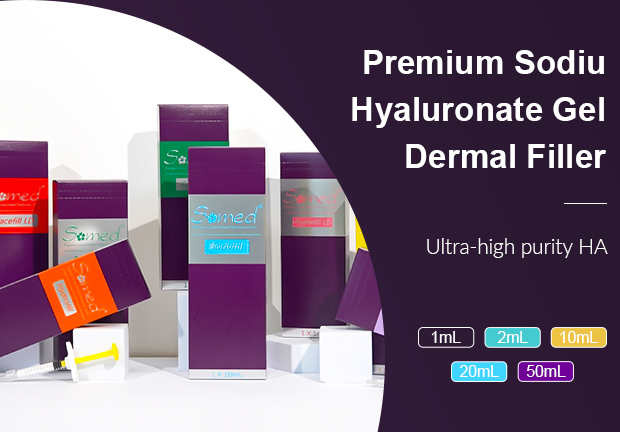
This setup supports a total annual production capacity of 5 million units, with monthly output reaching 50,000 units to support both small emerging brands and large global wholesale clients. One of the flagship products manufactured on this line is Facefill, a mid-to-deep dermal HA filler designed for midface volume restoration, nasolabial fold correction, and facial contouring.
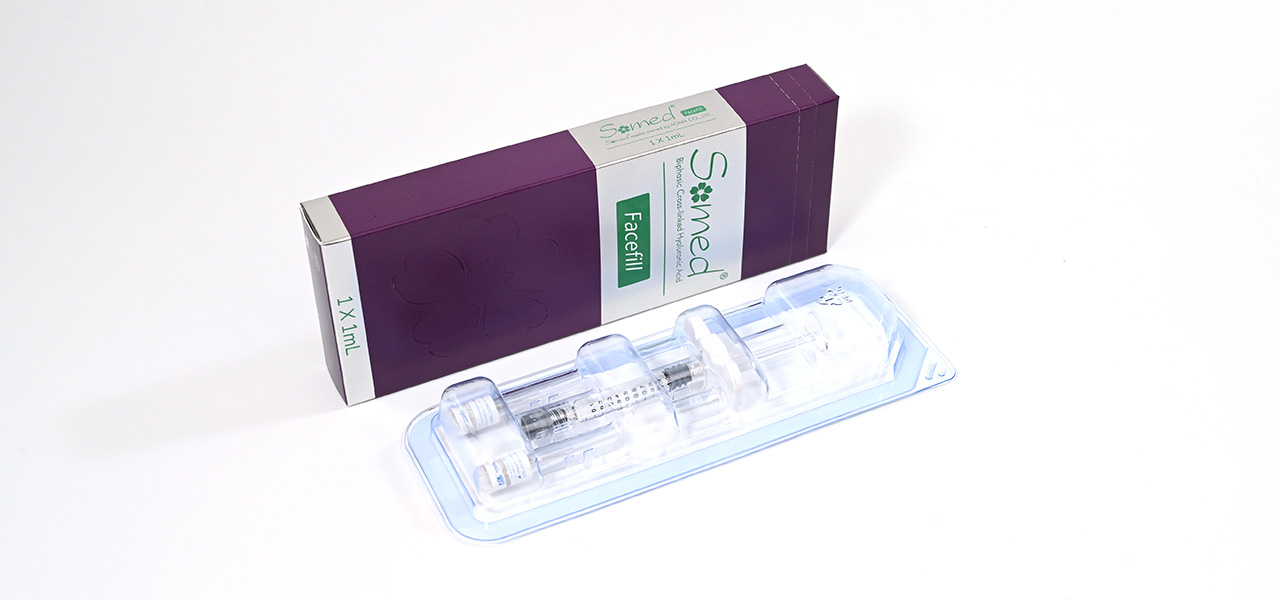
Because Facefill is produced on a fully automated line, every syringe delivers identical gel viscosity and push force. Injectors don’t need to adjust their injection pressure mid-treatment, which reduces patient discomfort and cuts down on risk of product migration or uneven placement. The formulation has been tested across 120,000+ clinical uses globally, with an adverse event rate 72% lower than the industry average for comparable HA fillers.
Automated production only delivers reliable results if paired with a rigorous, multi-stage quality control system. AIMA’s quality framework is built to meet ISO 13485 medical device quality management standards, and aligns with Class III medical device manufacturing requirements across all major markets. The facility holds U.S. FDA VCRP registration and full EU CE certification for its core filler lines, with documentation available for every production batch.
QC checks happen at every stage of production, rather than being reserved for a single final inspection:
For medical aesthetics wholesale clients and OEM/ODM partners, this documentation is available on demand within 48 hours, eliminating the customs delays that come with incomplete or forged compliance paperwork. Every unit is marked with a unique traceability code that links back to its full production record: raw material lot numbers, production line staff, test results, and shipping destination, for full supply chain transparency.
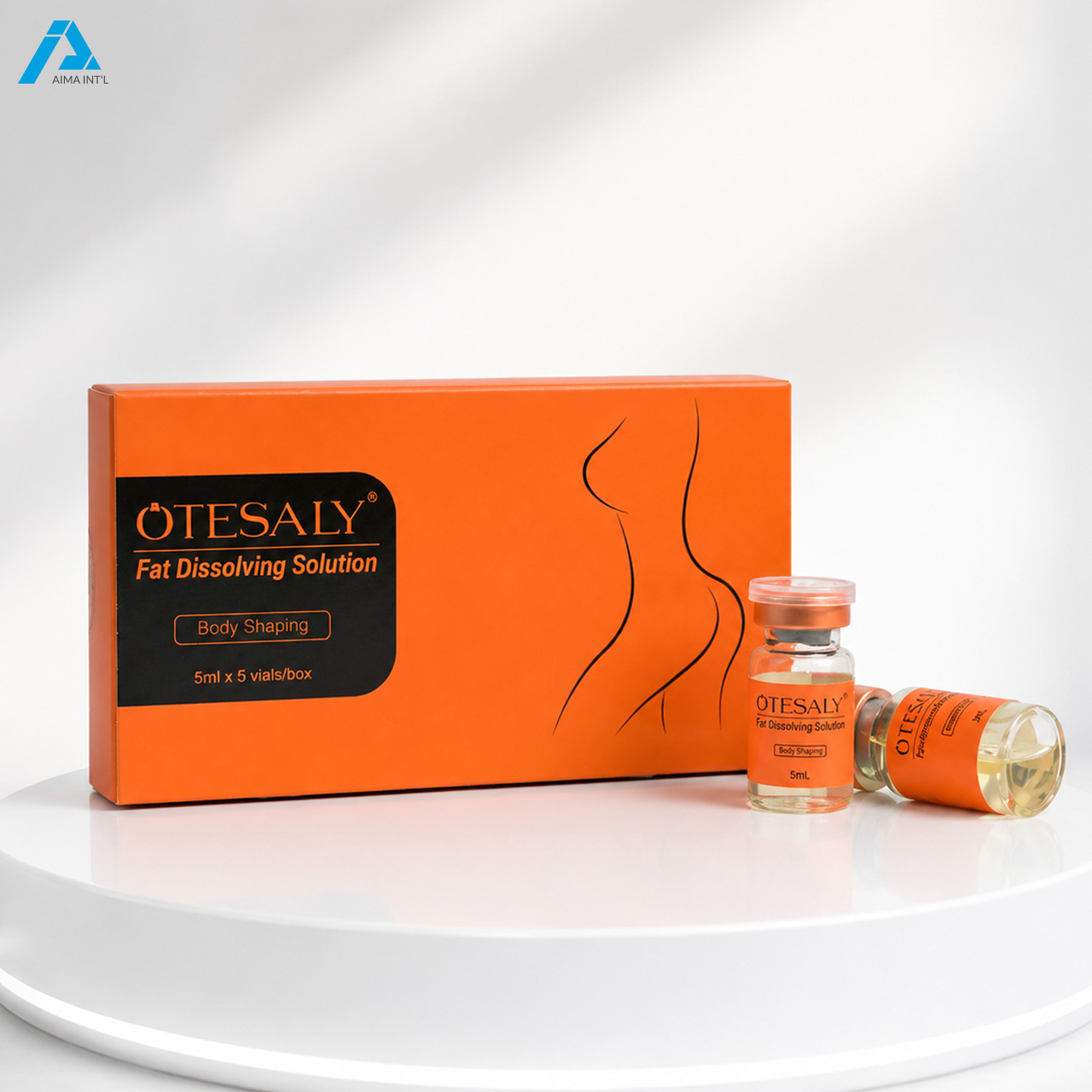
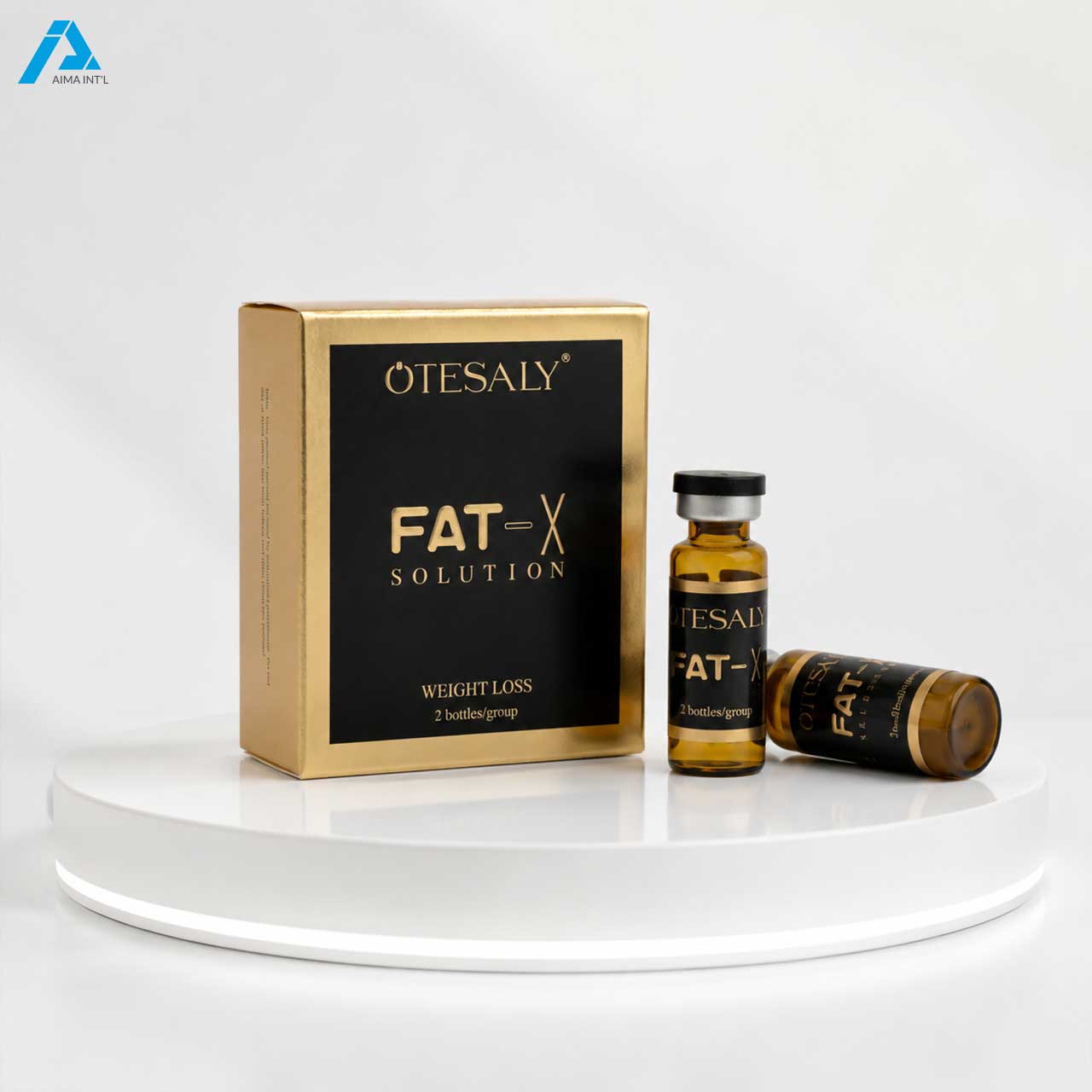
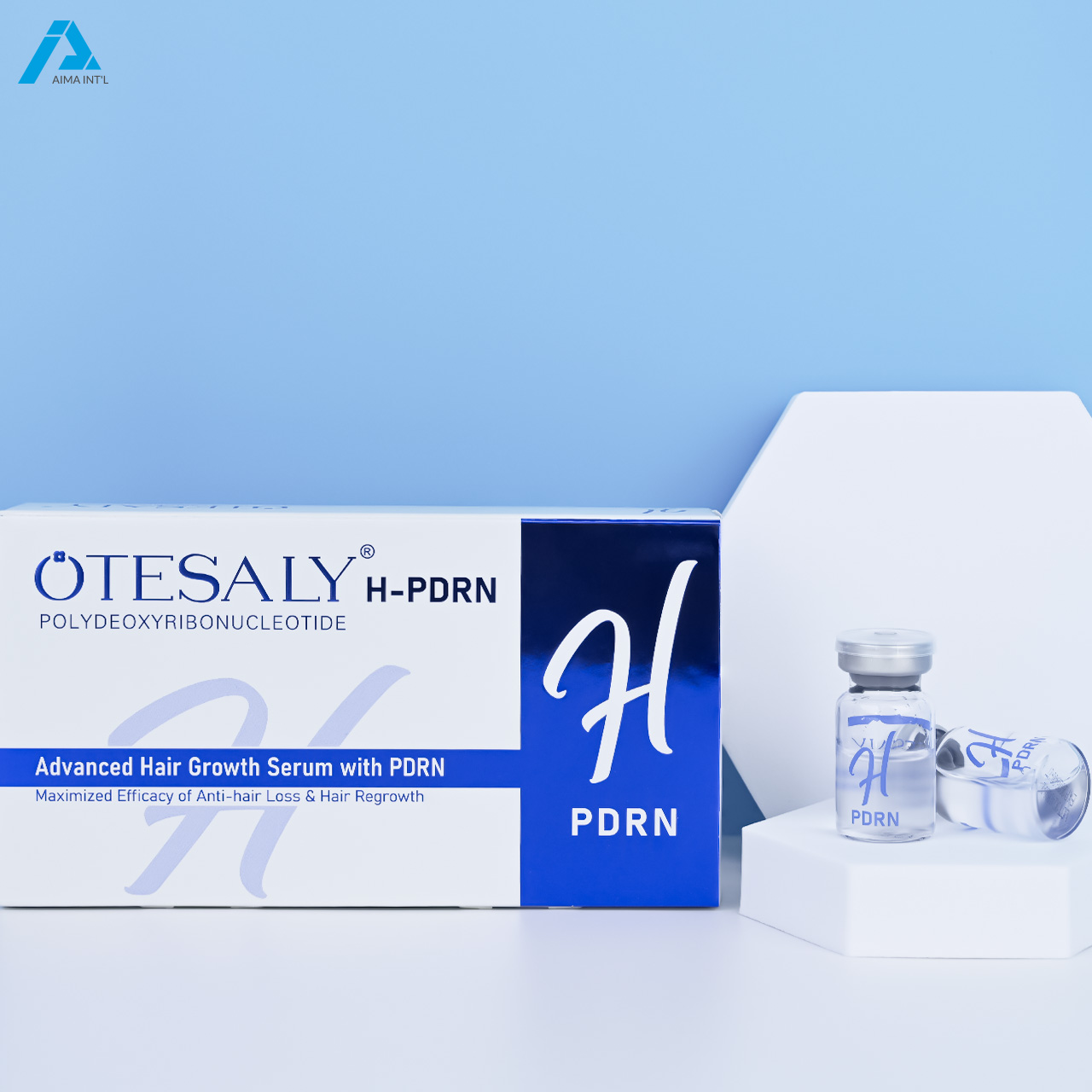
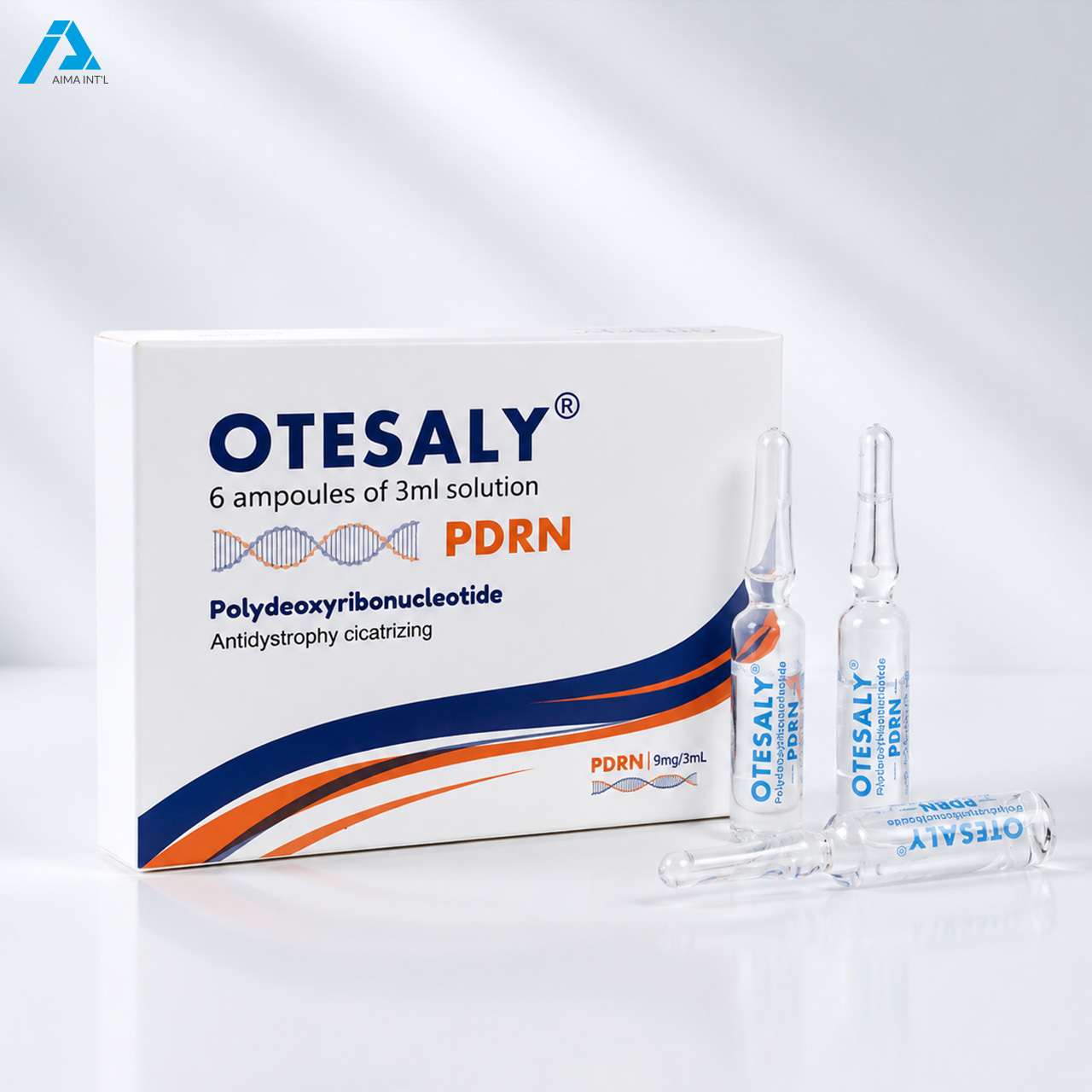
A robust production and QC system doesn’t mean much if it’s locked behind high MOQs, rigid order terms, or slow support. AIMA’s OEM/ODM program is built to support brands at every stage of growth, with a library of more than 1,000 mature, tested formulations spanning dermal fillers, skin boosters, PDRN ampoules, fat dissolving solutions, and hair growth products. Services cover the full brand launch process: brand positioning guidance, logo design, custom packaging, and formulation adjustments to match specific concentration, longevity, and texture requirements.
Order terms are flexible to reduce risk for new brands: there is no MOQ pressure for startup partners, so new brands can test products with small initial runs without tying up capital in excess inventory. For large enterprise clients and wholesale distributors, volume-based discounts are available to support margin targets. Lead times are structured to keep brands on schedule: sample orders ship in 3-5 working days, bulk production runs are completed in 15-20 days, and expedited production options are available for time-sensitive launches.
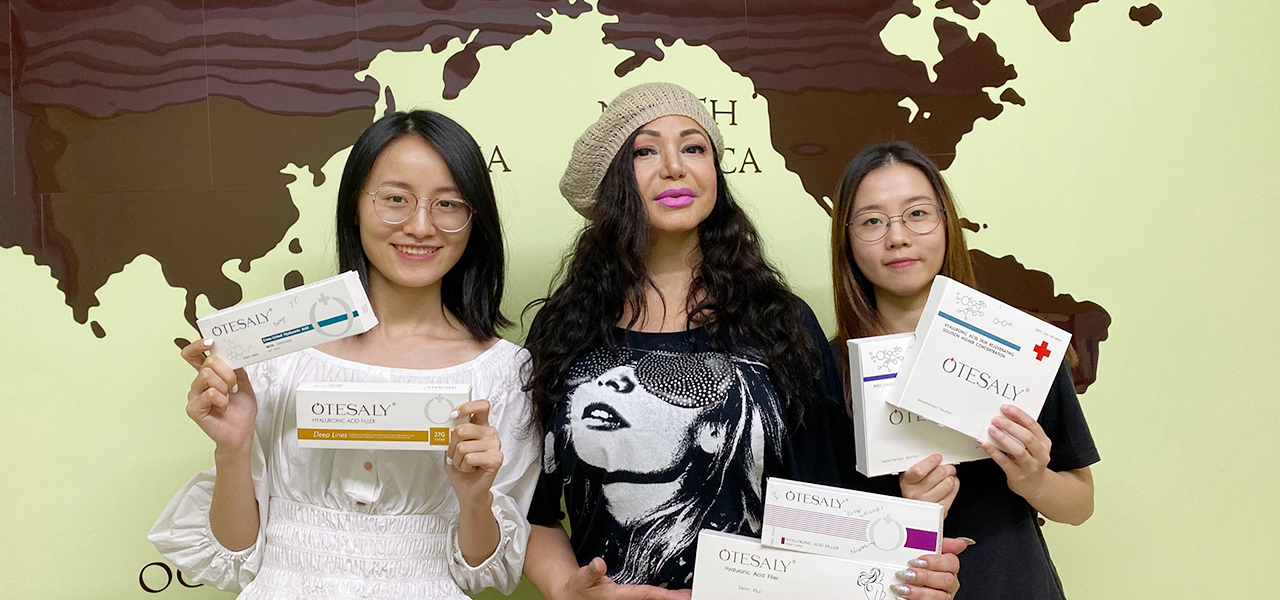
To date, the team has delivered custom manufacturing solutions for more than 521 brands across 62 countries. The U.S. emerging brand that lost $78,000 to a bad production run in 2022 signed on as an OEM partner later that year, starting with a 300-unit custom run of Facefill adjusted for deep midface injection. The first batch passed all their independent clinic testing with zero reports of inconsistent push force or adverse events, and the brand now orders 120,000 units annually, with distribution across 120 clinics on the U.S. West Coast. The European retail chain that lost its distribution contracts after the failed 2021 shipment moved its entire filler line to AIMA production in 2022, and has since cleared 12 consecutive shipments through EU customs with zero detentions or quality issues, growing its distribution network to 11 countries.
Post-delivery support matches the rigor of the production process. Clients receive dedicated account support for order tracking, documentation requests, and post-delivery issue resolution. Any shipment with confirmed manufacturing defects or transit damage is eligible for free replacement or full refund within 72 hours of notification, with no lengthy claim processes or hidden fees.
The dermal filler market is crowded with suppliers offering rock-bottom prices, but very few can back those prices with fully automated production, auditable QC records, and global regulatory compliance. Cutting corners on production and QC might save a few dollars per unit in the short term, but the cost of a single bad batch can erase years of brand building work. Teams interested in reviewing production records, testing samples, or building a custom product line can reach out directly via supplierfiller.com to start a conversation.
Copyright @ 2026 AIMA International Group Co., Ltd.