



Welcome to visit AIMA International Group
 Spain
Spain

Your browser version is too low, in order to ensure a better browsing experience,Please click to update to a higher version browser.
Talk about it later.XWelcome to visit AIMA International Group
Spain




.jpg)
Home > News > Industry Trends > Injectable Skin Booster: Formulation Science, Sourcing Pitfalls, and Reliable Manufacturing Solutions for Global Aesthetic Businesses
Industry TrendsData from the International Society of Aesthetic Plastic Surgery (ISAPS) 2023 annual report puts injectable skin booster procedures among the fastest-growing treatments in the global medical aesthetics space, clocking 23.7% year-over-year growth. That outpaces traditional dermal fillers and neuromodulators by a wide margin, driven by consumer demand for subtle, “no-makeup” skin improvements that avoid the overfilled, stiff look associated with older injection techniques. Walk into any aesthetic clinic from Seoul to Madrid to Dubai, and you will find skin booster treatments as a core entry-level service, priced anywhere from $150 to $800 per session for end clients.
Why do wholesale prices for injectable skin boosters swing so wildly across suppliers, with per-unit costs ranging from $7 to $42? The gap has nothing to do with brand markup alone. It traces back to raw material quality, manufacturing process, and regulatory compliance — three factors that make or break a product’s safety, efficacy, and long-term profitability for clinics and private label brands. Many new entrants to the aesthetics space learn this lesson the hard way, after investing thousands into inventory that underperforms, causes adverse reactions, or gets seized at customs.
What Defines a Real Injectable Skin Booster, Anyway?
New buyers often lump injectable skin boosters in with traditional hyaluronic acid (HA) dermal fillers, but the two products serve entirely different purposes, use different formulations, and are injected at different skin depths. Confusing the two leads to poor treatment outcomes, frustrated clients, and wasted marketing spend.
Traditional dermal fillers use highly crosslinked HA with a firm, gel-like consistency, injected into the deep dermis or subcutaneous tissue to add volume — think filling nasolabial folds, augmenting cheekbones, or defining jawlines. These formulas are designed for structural support, with longevity ranging from 6 to 18 months depending on crosslink density.
Injectable skin boosters, by contrast, use low-crosslinked or non-crosslinked high-purity HA, often blended with active ingredients like PDRN, amino acids, or glutathione. They are delivered into the superficial to mid dermis via micro-injections, where they work to rehydrate skin from the inside out, stimulate fibroblast activity to boost natural collagen production, and improve fine lines, rough texture, enlarged pores, and dullness. There is no volumizing effect, no stiff or “done” look — just gradual, natural skin improvement over 2-4 weeks after a course of 3 treatments spaced 3-4 weeks apart, with results lasting 6-9 months.
It is an open secret in the wholesale space that many low-cost skin boosters are little more than unpurified, cosmetic-grade sodium hyaluronate sealed in a syringe. These products break down within 48-72 hours of injection, deliver no measurable collagen boost, and leave clients wondering why they paid hundreds of dollars for a treatment that did nothing. Worse, some carry dangerously high levels of endotoxins or residual animal proteins that trigger long-term adverse reactions.
Sourcing Mistakes That Have Cost Brands Six-Figure Losses
Over 20 years of working with aesthetic brands and clinics across 60+ countries, we have seen every possible sourcing misstep. Two recent examples stand out as cautionary tales for any buyer evaluating injectable skin booster suppliers.
In 2023, a startup aesthetic brand founded by a dermatologist in Barcelona reached out to us after a catastrophic product launch. The founder had sourced injectable skin boosters from a small, uncertified workshop to cut costs, paying just $7.20 per unit — a price point lower than the raw material cost of medical-grade HA. Within three months of launch, 17 clients reported delayed redness, hard nodules, and in three cases, granulomatous reactions at injection sites, with symptoms lasting up to six weeks. The brand paid out nearly €120,000 in medical fees and client settlements, and faced a regulatory audit that nearly revoked the clinic’s medical license. Third-party testing revealed the product used cosmetic-grade HA with endotoxin levels 17 times the legal limit for injectable products, plus animal-derived protein residues that triggered the immune reactions.
A second case involved a large medical aesthetic chain in Bangkok, which planned to launch a private label injectable skin booster ahead of the 2022 Songkran festival rush. The brand wanted a custom formula: 20mg/ml HA blended with 0.5% PDRN, formulated to address post-sun damage and enlarged pores common in Thailand’s tropical climate. Three local suppliers turned down their request or imposed unworkable terms: two required a minimum order of 100,000 units (tying up nearly $1M in inventory), and the third charged an $80,000 custom formulation fee with a 45-day lead time that would have missed the promotional window entirely. When the team reached out to us, they had only 22 days left before their campaign launch.
These stories are not outliers. Most sourcing issues fall into four predictable categories:
What Makes a Premium Injectable Skin Booster Worth the Investment?
High-performing injectable skin boosters do not cut corners on raw materials or manufacturing process. AIMA International Group Co., Ltd., founded in 2003, is a recognized name in the space, honored as one of the Top 10 Dermal Filler Manufacturers globally. Our flagship injectable skin booster product, developed specifically for wholesale and private label partners, is formulated to outperform competing options on safety, efficacy, and ease of use for injectors.
Skinbooster, our core injectable skin booster line, is built with the same quality standards as our premium dermal filler range, but optimized for superficial dermal injection.
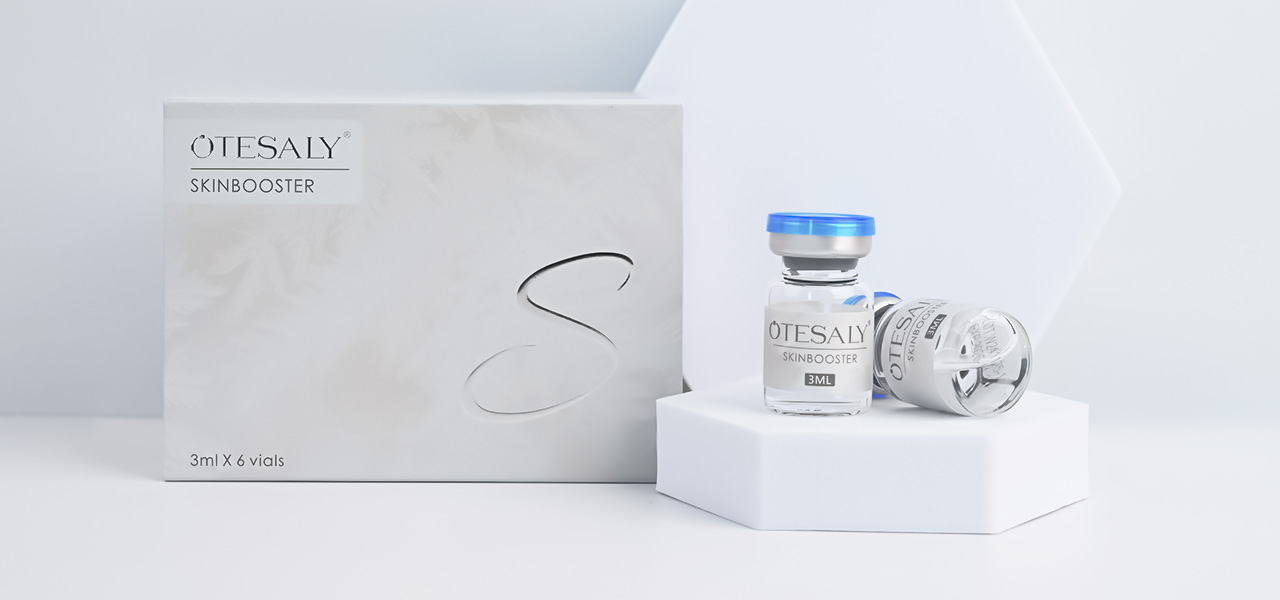
Every batch starts with raw material sourced from CE GMP-certified suppliers: medical-grade, non-animal derived HA valued at $45,000 per kilogram, tested by third-party labs including SGS to confirm purity before it enters our production line. Endotoxin levels are held to 0.03EU/ml, a standard 16 times stricter than the EU requirement of 0.5EU/ml, nearly eliminating risks of post-injection redness or inflammation.
We hold two core manufacturing technologies that set our products apart:
Our R&D team maintains a library of over 1,000 mature, clinically tested formulas, so partners can request custom blends without the high cost and long lead times of new product development. Options include PDRN-infused formulas for post-procedure repair, glutathione-blended formulas for brightening, and varying HA concentrations to match different skin types and age groups. Our base Skinbooster formula uses 18mg/ml HA with a balanced molecular weight profile, designed to deliver visible hydration in 3 days, with gradual collagen improvement visible over 2-4 weeks post-treatment.
Manufacturing Built to Support Every Stage of Brand Growth
Our production campus spans 4,800 square meters, with Class 100 GMP clean rooms and three dedicated production lines built to meet Class III medical device manufacturing standards, with full compliance to ISO 13485 quality management requirements.
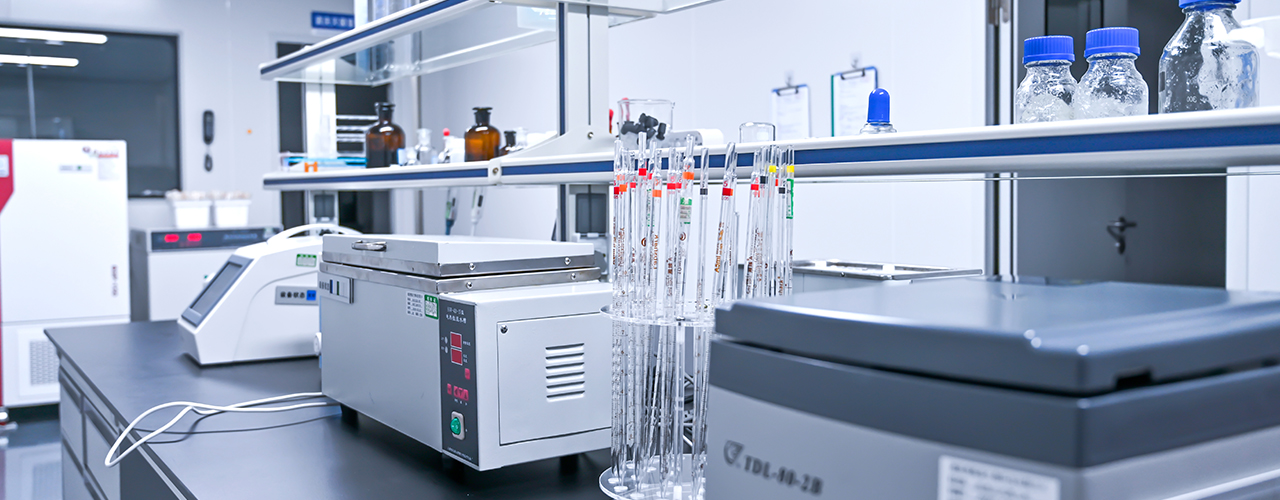
Total annual production capacity hits 5 million units, with stable monthly output of 50,000 units to avoid supply chain delays even during peak aesthetic season. For the Bangkok clinic chain that reached out to us ahead of Songkran, our R&D team prepared the custom 20mg/ml HA + 0.5% PDRN sample within 24 hours, shipped it via express courier for 3-day delivery, and moved their order to our priority production line after sample approval. We completed 2,000 units of their custom branded product in 12 days, with full custom Thai-language packaging, and delivered the shipment to their warehouse 3 days before their campaign launch. The promotion generated $1.8M in skin booster sales for the chain, and the brand has since signed a 3-year exclusive supply agreement with us.
Our OEM/ODM support covers every step of the product launch process, from initial brand positioning, logo design, and custom packaging, to formula tweaks and concentration adjustments for specific market needs. Unlike many manufacturers that force small brands to meet unattainable minimum order requirements, we operate with a No MOQ Pressure policy: emerging brands can place sample orders as small as a few dozen units to test market response, with no mandatory bulk inventory requirements. For larger chains and established brands scaling to annual order volumes over 100,000 units, we offer tiered bulk discount pricing to keep per-unit costs competitive.
Standard lead times are 3-5 working days for sample orders, and 15-20 days for full bulk orders, with an expedited production option for partners working on tight campaign timelines. To date, we have delivered custom injectable skin booster and dermal filler solutions to more than 521 brands across the globe, from independent clinic startups to multinational aesthetic chains.
Compliance and Support That Protect Your Business Long-Term
Global regulation of injectable aesthetic products grows stricter every year. The EU’s 2024 MDR updates require full traceability and valid CE certification for all injectable products sold in member states, the U.S. FDA has increased audits of VCRP-listed cosmetic injectable imports, and markets across Southeast Asia, the Middle East, and Latin America have rolled out tighter medical device import rules over the past two years. Many suppliers advertise “certified” products, but produce forged documents that fail official checks, leaving importers on the hook for seized inventory, fines, or even legal action.
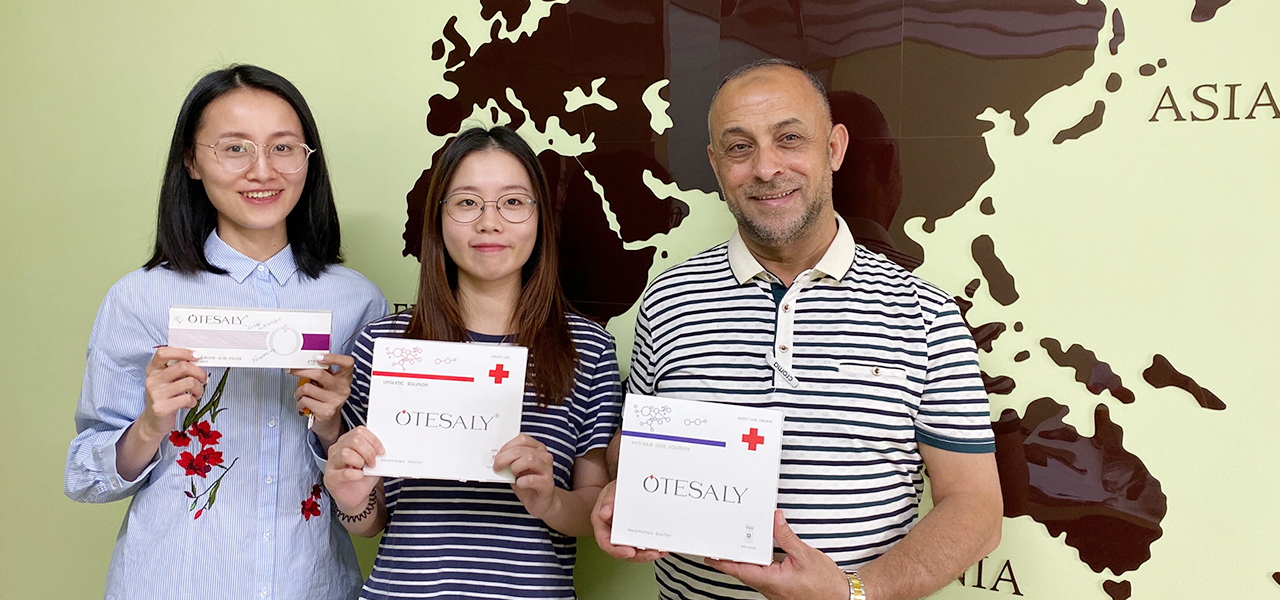
We prioritize compliance as a non-negotiable part of every partnership. Our Skinbooster line holds full EU CE certification and is registered with the U.S. FDA VCRP program. Every shipment leaves our facility with a full set of documentation: certificate of analysis, sterility test reports, batch traceability records, and all supporting paperwork required for import clearance. For partners pursuing local product registration in their home markets, our compliance team provides full documentation support to speed up the approval process.
Post-sales support is built into every partnership. Every client works with a dedicated account manager available to answer questions about orders, formulation adjustments, or documentation requests within 24 hours. If shipments arrive damaged, or if any product quality issue arises, our team will present a resolution — replacement, refund, or credit — within 48 hours, with no runaround or hidden fees.
The Barcelona startup that suffered losses from their previous low-quality supplier began working with us in late 2023, starting with 50-unit test orders to run their own clinical checks and client trials. Today, they place steady monthly orders of 1,200 units, with client-reported adverse reaction rates below 0.2% and treatment return rates hitting 68%. This year, they are expanding their product line to carry our Skinbooster in Portugal and France.
Aesthetic businesses run on trust. Clients book injectable treatments because they trust their provider to use safe, effective products that deliver the results they promise. Choosing a skin booster supplier is not about picking the lowest per-unit price. It is about partnering with a manufacturer that delivers consistent quality, valid regulatory documentation, flexible terms to match your business size, and reliable support when you need it. If you are sourcing injectable skin boosters for your clinic or private label brand, you can reach our team via supplierfiller.com to request free product samples, test the injection texture and formula performance, and discuss your custom product needs with no sales pressure.

Copyright @ 2026 AIMA International Group Co., Ltd.


