Your browser version is too low, in order to ensure a better browsing experience,Please click to update to a higher version browser.

Talk about it later.X

Welcome to visit AIMA International Group

SpainSpain

Home > News > Industry Trends > Dermal Filler Supplier Audit Checklist: Non-Negotiable Checks for Aesthetic Clinics & Private Label Brands

Industry Trends
Industry Trends Company News Customer Stories Wholesale

Dermal Filler Supplier Audit Checklist: Non-Negotiable Checks for Aesthetic Clinics & Private Label Brands

The global dermal filler market hit $5.8 billion in 2023, per Grand View Research, with no signs of slowing down as clinics and indie brands race to capture demand for non-surgical aesthetic treatments. For every reliable, compliant manufacturer in the space, though, there are a dozen fly-by-night operators selling cut-rate product with forged paperwork, substandard raw materials, and zero quality control.

Take GlowAesthetics, a Texas-based indie brand founded by a board-certified aesthetic nurse in 2022. The founder sourced a dermal filler supplier from a B2B marketplace offering prices 40% below the industry average, accepted emailed copies of compliance certificates at face value, and placed a 12,000-unit first order. Three months after launch, the brand received 37 reports of patients developing hard, tender granulomas at injection sites. Third-party testing found the filler used industrial-grade non-crosslinked HA, with BDDE crosslinker residue 17 times the ISO safety limit. The brand recalled all stock, paid out $2.3 million in patient settlements, and was placed on an FDA import alert barring it from bringing in aesthetic devices for three years.

A similar scenario played out for DermaPro, a Dubai-based clinic chain preparing to launch three new locations last year. The procurement team signed on with a supplier offering 32% off their usual filler costs, lured by samples that felt nearly identical to their long-time stock and a polished sales pitch. When two containers of product arrived at Jebel Ali Port, customs agents flagged the submitted CE certificate as forged— the certificate number actually belonged to a Polish skincare company’s face cream line, not injectable medical devices. The entire shipment was seized, the clinic lost AED 180,000 in pre-launch marketing spend, and the new location openings were delayed by two and a half months.

These are not rare, edge-case failures. They happen when teams skip structured, verifiable audits and rely on sales pitches, pretty sample packaging, and too-good-to-be-true pricing. The dermal filler supplier audit checklist below covers every non-negotiable check you need to run before signing a supply contract, no matter how big or small your order size.

1. Regulatory Compliance & Core Qualification Verification

The first filter eliminates suppliers with paper qualifications that do not hold up to regulatory scrutiny. Too many teams treat certificate collection as a box-ticking exercise, never bothering to verify that documents are real, in date, and cover the exact products they plan to purchase.

Add these items to your audit list:

  • ISO 13485 certification: Skip any supplier that only holds ISO 9001. ISO 13485 is the quality management standard built specifically for medical devices, including injectable dermal fillers. Verify the certificate number directly on the certifying body’s website, and confirm the scope of certification explicitly covers dermal filler manufacturing, not just cosmetic skincare products.
  • Market-specific regulatory approvals: For EU sales, require MDR-compliant Class III medical device CE certificates (not old MDD certificates, not cosmetic CE marks) and cross-check the notified body number against the EU’s NANDO database. For US sales, confirm FDA registration status, whether through VCRP for cosmetic-grade fillers or 510(k) clearance for medical-grade indications, and look up the registration number directly on the FDA’s public database. You wouldn’t accept a fake driver’s license as valid ID, so why accept an unvetted compliance certificate from a supplier?
  • Local manufacturing licenses: Confirm the supplier holds a valid license to produce Class III injectable medical devices from their home country’s health regulator, rather than a general cosmetic production permit.

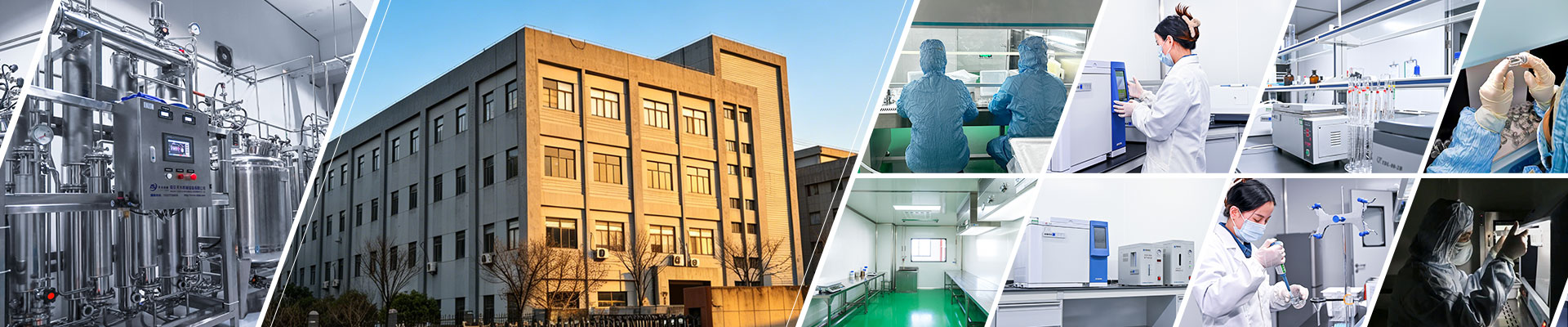
As one of the companies named to the global “Top 10 Dermal Filler Manufacturers” list, AIMA International Group Co., Ltd. has maintained fully verifiable compliance since its founding in 2003. All production follows ISO 13485 quality standards, meets Class III medical device manufacturing specifications, and holds active EU CE certification and US FDA VCRP registration. Every compliance document is available as a stamped, traceable copy for partners to submit to regulators or customs agents.
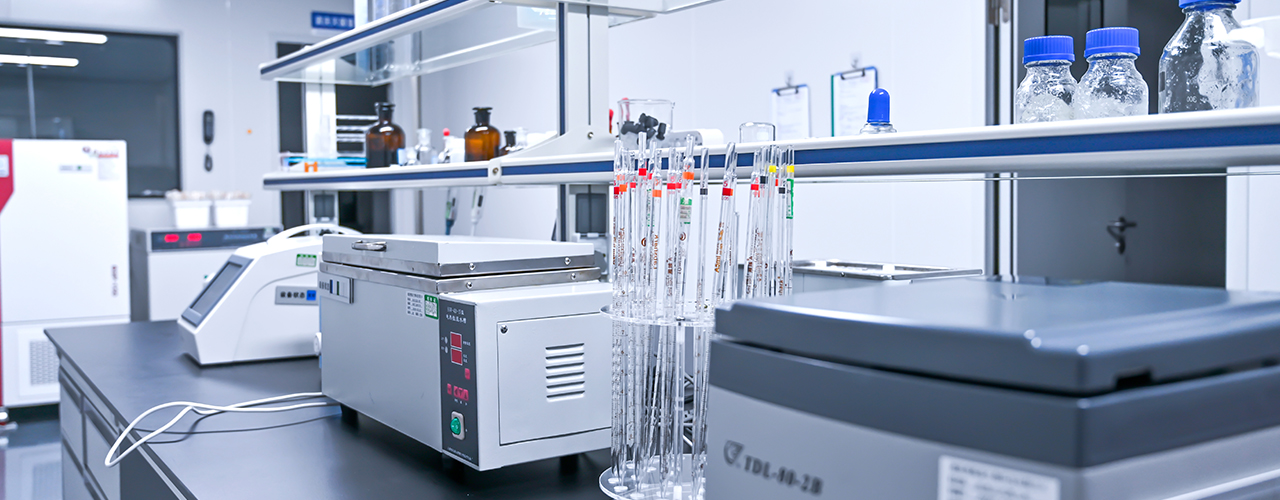
Factory

2. Raw Material Sourcing & Batch Quality Control

Roughly 70% of dermal filler safety risks trace back to raw material choices. Suppliers who cut corners will swap medical-grade ingredients for cheaper, untested alternatives to pad margins, with consequences ranging from mild allergic reactions to permanent tissue damage.

Audit these raw material checkpoints:

  • HA source and purity: Require non-animal sourced, medical-grade hyaluronic acid with a minimum purity of 99%, to eliminate risks of cross-species allergic reaction. Ask for the names and qualification documents of the supplier’s HA raw material providers, and confirm those providers hold CE and GMP certifications.
  • Safety threshold verification: Set clear requirements for endotoxic levels (below 0.5EU/ml), BDDE crosslinker residue (below 2μg/g), and microsphere particle uniformity (for CaHA or PLLA fillers). Require signed Certificates of Analysis (COAs) for every production batch, with terms in your contract allowing third-party testing of random batches at any time.
  • Cost reality check: Medical-grade, injectable non-animal HA currently trades for $40,000–$50,000 per kilogram on the global market. If a supplier quotes you $10 per 1ml filler, that math does not add up. Any price point too low to cover base raw material costs means the supplier is cutting corners somewhere. There is no “secret factory direct deal” that bypasses global raw material pricing.

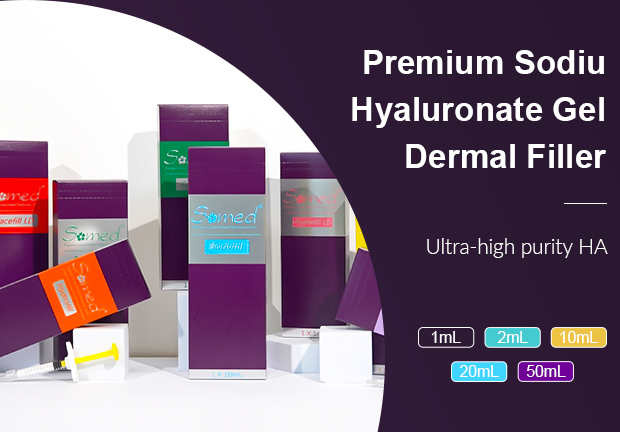
AIMA sources high-purity medical-grade non-animal HA at $45,000 per kilogram for its entire filler line, with all raw material providers passing regular SGS third-party audits. Its CaHafill Lidocaine filler, formulated for deep tissue volumizing and collagen stimulation, uses this high-purity HA as a carrier for uniform, biocompatible CaHA microspheres, with 0.3% lidocaine added to reduce patient discomfort during injection. Every batch undergoes full panel safety testing before release, with COAs available for every shipment.
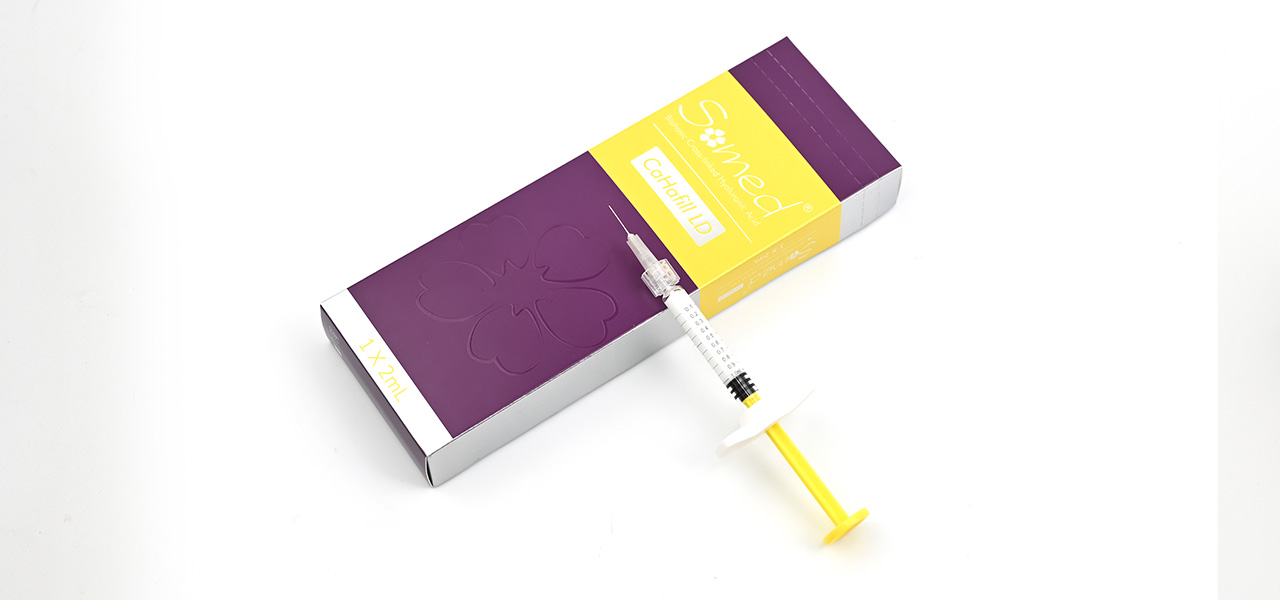
CaHafill Lidocaine

3. Production Environment & Process Control

Even with perfect raw materials, poor production controls can lead to microbe contamination, foreign particle buildup, or inconsistent crosslinking that renders product unsafe or ineffective. A sales sheet with photos of people in white coats is not evidence of a controlled production environment.

Check these production controls during your audit:

  • Cleanroom classification: Injectable dermal filler filling and sealing operations must take place in an ISO Class 5 (Class 100) GMP cleanroom, to limit airborne particle and microbe counts. Ask for a cleanroom validation report issued within the last six months by a CNAS or CMA accredited third party, rather than relying on staged social media photos.
  • End-to-end traceability: Every single unit of filler should carry a unique lot number that can be traced back to raw material batches, production line staff, sterilization records, and final quality test results. This traceability is mandatory for medical device recall protocols.
  • Core production technology: Established filler manufacturers hold proprietary crosslinking technologies—like NASHA (Non-Animal Stabilized Hyaluronic Acid) or HICE (Homogeneous Interpenetrating Crosslinked Elastomer) technology—that create consistent gel elasticity, lift capacity, and longevity. Small operations with generic mixing equipment cannot replicate these material properties, even if they use the same raw materials.

AIMA operates a 4,800 square meter modern production base with dedicated Class 100 GMP cleanrooms and three specialized filler production lines. The production team uses both NASHA and HICE crosslinking technologies across its product range, with quality checkpoints at every stage of production: raw material inspection, crosslinking, filling, sterilization, final packaging. No batch leaves the facility without passing sterility, endotoxin, crosslinker residue, and viscoelasticity testing.

4. R&D Capability & Product Stability Validation

Suppliers without in-house R&D teams typically sell generic, untested formulations sourced from third-party factories, with no ability to adjust formulations for specific market needs or troubleshoot product issues. Many skip long-term stability testing entirely, shipping product that will degrade, separate, or lose viscosity months before its labeled expiration date.

Add these R&D checks to your list:

  • Formulation library size: Established dermal filler manufacturers hold hundreds of mature formulations, covering different indication areas (lips, midface, body, fine lines), crosslink densities, lidocaine concentrations, and longevity profiles to match diverse client needs.
  • Stability test data: Ask for 12-month accelerated stability test data and 24-month long-term stability test data for every SKU you plan to purchase, confirming pH levels, viscoelasticity, sterility, and particle consistency hold steady across the full labeled shelf life.
  • Customization capacity: Verify the supplier can adjust formulation concentrations, crosslink density, and packaging to match your brand needs, rather than only offering one-size-fits-all white label stock.

AIMA’s in-house R&D team maintains a library of over 1,000 mature filler formulations, spanning HA-based fillers, CaHA volumizers, PLLA collagen stimulators, and skin booster products. The team supports full OEM/ODM customization, from initial brand positioning and logo design to custom packaging and formulation tweaks for specific market preferences.

5. Production Capacity, Delivery Terms & Cooperation Flexibility

Even the most compliant supplier becomes a liability if they cannot meet your order timelines or force you to take on more inventory than your business can support. Many new brands get locked into high-MOQ contracts that tie up their entire startup budget in inventory, while larger brands face delays when small suppliers outsource overflow orders to unvetted third-party factories to meet demand.

Audit these operational points:

  • Verifiable production capacity: Ask for monthly and annual production numbers, plus referenceable shipping records for clients with order sizes similar to yours. AIMA maintains an annual production capacity of 5 million units, with monthly output reaching 50,000 units, enough to support both small startup orders and large enterprise bulk contracts.
  • Flexible cooperation terms: Look for suppliers that offer low-MOQ options for emerging brands, with tiered bulk discounts for larger partners, rather than forcing all clients to meet identical high order minimums. AIMA operates with a “No MOQ Pressure” policy for new brands, to support teams testing product lines without large upfront inventory risk.
  • Clear delivery timelines: Confirm lead times for sample orders (3-5 working days is standard for stocked product) and bulk orders (15-20 days is typical for custom orders), plus options for expedited production when you need to restock quickly. Ask if the team provides full customs documentation to smooth clearance in your market.

To date, AIMA has delivered custom dermal filler solutions for over 521 brands across 60+ countries. Many of its Middle Eastern clients first connected with the team at the Dubai Beauty Exhibition, after experiencing supply chain disruptions, forged paperwork, or missed delivery windows with previous suppliers.
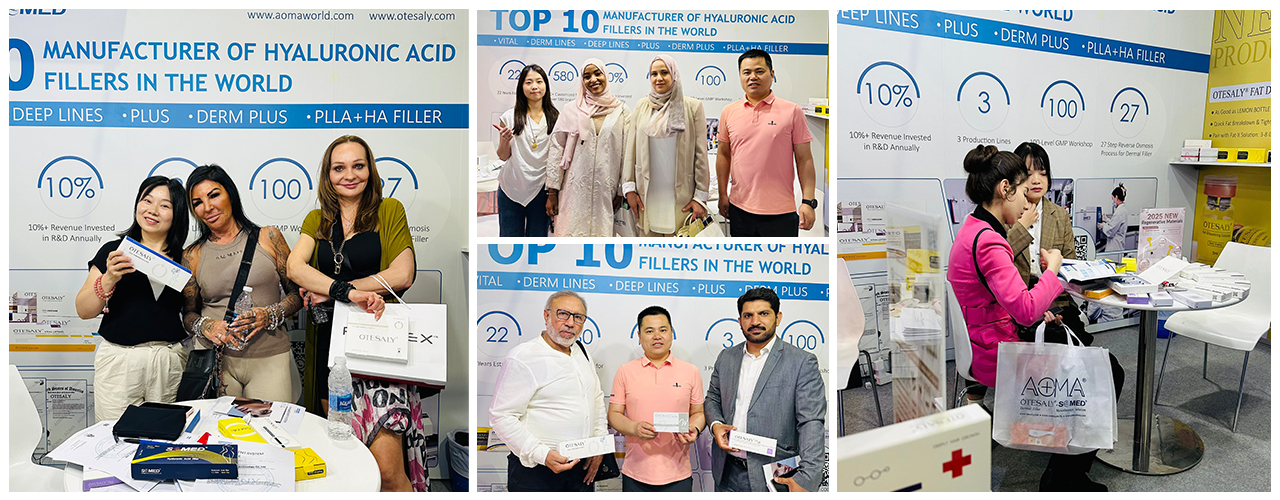
Dubai Beauty Exhibition

6. Post-Supply Support & Accountability

A lot of suppliers ghost clients the moment a shipment leaves their warehouse. If you hit a customs snag, get a batch with packaging defects, or need marketing or training support to sell product, you will be left to solve the problem on your own.

Confirm these support structures before signing:

  • Dedicated account support: You should have a single point of contact who responds to queries within 24 hours, who can provide replacement customs documents, batch records, or product information when you need it.
  • Written quality guarantees: Your contract should clearly outline liability for confirmed product quality issues, including recall support and replacement or refund terms for non-conforming batches. Verbal promises of “we’ll take care of you” hold no weight when you are facing a product recall.
  • Ongoing partner resources: Look for suppliers that provide product training for your clinical team, marketing assets for your brand, and regulatory updates as rules change in your target market.

As an established Medical Aesthetics Wholesale provider, AIMA includes clear quality accountability terms in every client contract, with full after-sales support for customs clearance, batch tracing, and issue resolution. The team does not require clients to accept untested product without recourse, and supports third-party batch testing for all partners.

Common Audit Mistakes That Lead to Costly Failures

Even teams that use a checklist can miss red flags if they fall into these common traps:

  • Making price the primary decision factor: As the earlier cost breakdown shows, compliant, safe dermal filler has hard production costs that cannot be negotiated away. A 30% below-market quote does not mean you found a great deal—it means the supplier is skipping raw material testing, cutting corners on cleanroom operations, or selling forged goods.
  • Accepting documents without verification: Forged CE and ISO certificates are widely available for purchase online for less than $100. Spending 10 minutes cross-checking a certificate number on an official regulator database will eliminate 80% of unqualified suppliers before you waste time on samples or negotiations.
  • Skipping on-site or third-party audits for large orders: If you are placing an order over $50,000, either visit the factory in person or hire a local third-party audit firm to confirm the production facility, cleanrooms, and production lines actually exist and match the photos the supplier sent. A surprising number of suppliers use stock factory photos or footage of other companies’ facilities to represent their own operations.

Streamlining Your Audit Process

You do not need a six-month audit process to pick a reliable supplier. Follow this four-step flow to move fast without cutting corners:

  • First, collect all compliance documents from prospective suppliers and verify every certificate number on official databases. Cut any supplier with missing, expired, or forged documents immediately.
  • Second, order paid samples of the SKUs you plan to stock. Test extrusion force, gel texture, and lidocaine effect with your clinical team, and send one random sample to a third-party lab for sterility, endotoxin, and crosslinker residue testing.
  • Third, confirm lead times, MOQ terms, and after-sales policies in writing, and ask for 2-3 client references in your region to confirm delivery reliability.
  • Fourth, for orders over $50,000, schedule an in-person or third-party factory audit to confirm production capabilities match the supplier’s claims.

Supplier audits are not a one-time task. Plan to review your supplier’s documentation, run random batch tests, and check in on production processes once a year to catch changes in quality or compliance before they turn into costly problems. Every unit of filler you sell carries your brand’s reputation, and impacts the safety of the patients who choose your practice or product. Skipping audit steps to save a few dollars per unit never pays off long term.
contacts

Supplier's popular products

No:78203