
Welcome to visit AIMA International Group
 Spain
Spain

Your browser version is too low, in order to ensure a better browsing experience,Please click to update to a higher version browser.
Talk about it later.XWelcome to visit AIMA International Group
Spain



.jpg)
Home > News > Industry Trends > Dermal Filler Manufacturing Lead Time: Key Factors, Real-World Pitfalls, and Reliable Timelines for Brand Partners
Industry TrendsAsk any dermal filler brand founder or clinic supply chain manager what causes the most last-minute revenue loss, and you will rarely hear complaints about ingredient costs or packaging design. More often than not, the answer ties back to misjudged dermal filler manufacturing lead times.
Take a 2023 experience from a small U.S.-based startup brand focused on mid-tier facial aesthetics. The team placed a 12,000-unit order for a private label PLLA dermal filler with a new supplier that quoted a 15-day production lead time, a timeline 30% shorter than the industry average. The team locked in Black Friday promotional slots with 17 influencer partners, pre-sold 4,200 units through their e-commerce site, and scheduled launch events at 9 partner medspas. When the production deadline passed, the supplier admitted a batch of raw HA failed purity testing, and they did not have backup stock of medical-grade material on hand. The order arrived 92 days late. The brand lost $127,000 in pre-order revenue, paid $18,000 in influencer cancellation fees, and saw a 41% drop in social media trust scores from followers who waited months for orders.
What Actually Counts Toward Dermal Filler Manufacturing Lead Time?
New brand partners often make the mistake of assuming lead time only covers the hours products spend on a filling line. In reality, the official lead time clock starts the moment an order is confirmed (with signed specifications and received deposit) and stops when finished, compliant units are ready for carrier pickup. Skipping over pre- and post-production steps when comparing supplier quotes is the number one reason teams face unexpected delays. Core steps counted in a transparent lead time include:
Common Factors That Extend Lead Times (And Catch Brands Off Guard)
A European chain of 27 aesthetic clinics ran into this exact issue in 2024, when their long-time dermal filler supplier notified them of a 45-day delay 3 days before their scheduled 30,000-unit order was set to ship. The supplier had failed a routine GMP audit, and their cleanroom production was suspended while they corrected air filtration issues. The chain had no backup supplier vetted, so they ran out of stock of their popular deep-volume filler for 6 weeks. Internal data from the chain showed an 18% increase in client churn that quarter, as regular patients traveled to competing clinics to get their scheduled touch-up treatments.
Most lead time delays trace back to predictable gaps in a manufacturer’s operations, rather than random “unforeseen circumstances.” The most frequent culprits include:
This is why the structure of a manufacturer’s facility directly correlates to how accurately they can quote and hit lead time targets. As one of the top 10 dermal filler manufacturers in the global aesthetic supply space, AIMA International Group Co., Ltd. (the manufacturer behind supplierfiller.com) has built its production model specifically to eliminate these common delay points. 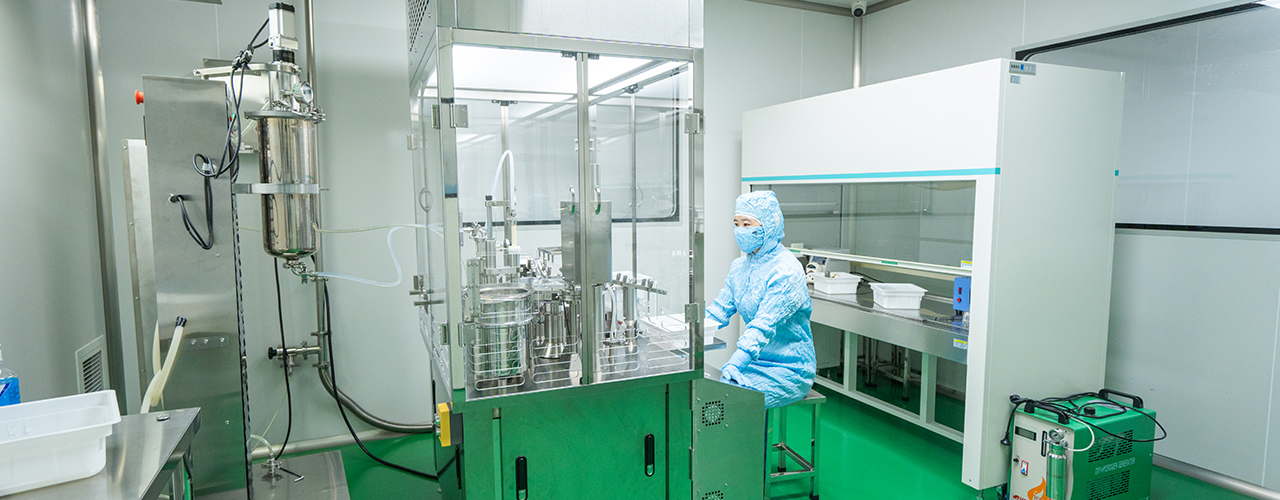
Founded in 2003, the company operates a 4,800 square meter modern production base outfitted with Class 100 GMP cleanrooms (workspaces with fewer than 100 airborne particles per cubic foot of air, the standard required for injectable medical device production) and 3 dedicated production lines, with an annual output of 5 million units and monthly production capacity of 50,000 units. Unlike smaller facilities that run on just-in-time raw material orders with no backup stock, AIMA maintains a 3-month reserve of high-purity medical-grade non-animal hyaluronic acid (valued at $45,000 per kg) sourced exclusively from CE GMP-certified suppliers, with every incoming batch tested by third-party labs including SGS before entering the production workflow. The in-house R&D team holds more than 1,000 mature, pre-tested dermal filler formulas built on patented NASHA (Non-Animal Stabilized Hyaluronic Acid) and HICE (High-Concentration Interpenetrating Crosslinking Elastomer) technologies, cutting down formula development time for custom orders from months to days.
Realistic Lead Times for Dermal Filler Orders (No Fine Print)
A common point of confusion for new brand partners is why lead times vary between order types. At supplierfiller.com, timelines are quoted as door-to-production-completion, with no hidden steps excluded from the initial estimate:
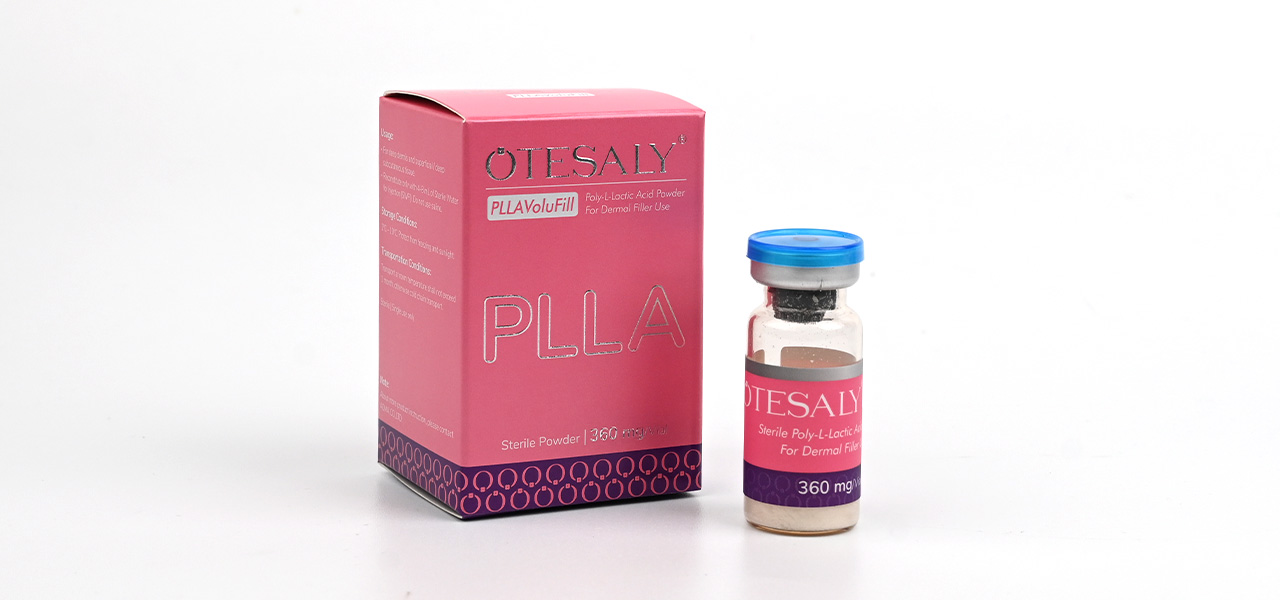
This flexible production model is built to support brands at every stage of growth. Unlike many manufacturers that lock emerging brands into high minimum order quantities that force them to tie up capital in excess inventory, AIMA offers no-MOQ-pressure terms for new brands, alongside volume discounts for large clinic chains and global aesthetic brands. The team meets hundreds of brand partners in person each year at global trade shows, including the Dubai Beauty Exhibition, where lead time questions consistently top the list of conversation topics. 
How We Eliminate Hidden Delays for Every Order
All production at the facility follows ISO 13485 quality management system standards, and adheres to Class III medical device production specifications. Every product holds valid EU CE certification and U.S. FDA VCRP registration, so brands do not face unexpected customs holds due to missing compliance paperwork. To date, the team has delivered custom dermal filler solutions for more than 521 brands across 60+ countries, with a 98.2% on-time delivery rate over the past 5 years.
Every brand partner works with a dedicated account manager who sends weekly production updates, including photos of batch progress, test result confirmations, and shipping timeline alerts. If a rare delay does occur (for example, a global shipping backlog that impacts custom packaging delivery), the account manager notifies partners within 24 hours, with clear revised timelines and available solutions, such as partial shipments of stock product to cover immediate inventory gaps.
For all medical aesthetics wholesale orders, the team provides full post-delivery support, including batch traceability records, marketing material support for brand teams, and fast response times for any product quality questions. Unlike suppliers that cut off communication once a shipment leaves the factory, AIMA maintains a dedicated support team for wholesale clients, with a 24-hour response window for all inquiries, plus access to all required compliance documents for every batch shipped.
How can you tell if a supplier’s quoted lead time is realistic, rather than a sales pitch to win your order? Ask three specific questions before signing a contract:
If a supplier cannot answer these questions clearly, the odds of facing a delayed shipment jump dramatically. A lead time that sounds too good to be true almost always comes with hidden costs, from lost pre-order revenue to churned clients who cannot wait for stock to arrive.
For brands building long-term presence in the dermal filler market, consistent lead times are the foundation of trust with retail clients, medspa partners, and end patients who plan their treatment schedules around product availability. Working with a manufacturer that has the production capacity, raw material reserves, and compliance track record to hit quoted timelines removes one of the largest sources of operational risk in the aesthetics supply chain.

Copyright @ 2026 AIMA International Group Co., Ltd.