
Welcome to visit AIMA International Group
 Spain
Spain

Your browser version is too low, in order to ensure a better browsing experience,Please click to update to a higher version browser.
Talk about it later.XWelcome to visit AIMA International Group
Spain


.jpg)
Home > News > Industry Trends > Cross Linked Hyaluronic Acid Filler: Manufacturing, Applications, and Wholesale Sourcing Guide for Aesthetic Businesses
Industry TrendsA small-batch aesthetic brand founder from Barcelona reached out to our team in early 2023, frustrated after 3 months of supply chain delays. Their previous supplier sent cross linked hyaluronic acid filler lots that tested positive for residual BDDE levels 2x above the EU CE limit, forcing them to scrap 12,000 pre-sold units and issue public apologies to 87 clinic partners.
A mid-sized clinic chain from Saudi Arabia faced a different issue 18 months prior: their filler supplier offered only 2 standard crosslinking densities, meaning they could not match products to fine perioral lines, deep midface volume loss, and lip definition cases without sourcing from 4 separate vendors. That fragmentation added 32% to their annual supply costs and created constant inventory tracking chaos.
These stories are not outliers. The global cross linked hyaluronic acid filler market is projected to hit $7.2 billion by 2030, and the flood of new entrants has created a messy landscape for brands and clinics trying to source safe, consistent, high-performing products. Have you ever received a filler shipment that had a grainy texture, required excessive pressure to push through a 30G needle, or caused unexpected, prolonged swelling in 30% of your patients? Chances are, that product was manufactured with unpurified raw materials, or rushed through the crosslinking process without proper post-reaction purification to remove unbound crosslinker.
What Exactly Is Cross Linked Hyaluronic Acid Filler, and How Does It Differ From Non-Crosslinked HA?
Hyaluronic acid (HA) is a glycosaminoglycan naturally present in human skin, connective tissue, and synovial fluid. It holds up to 1000x its weight in water, making it an ideal material for hydrating and plumping skin. Unmodified, linear HA molecules break down within 24-48 hours when injected into the body, as native hyaluronidase enzymes quickly break apart the loose molecular chains. This rapid clearance makes non-crosslinked HA ideal for hydrating skinboosters, but useless for long-lasting volume correction or wrinkle filling.
Cross linked hyaluronic acid filler goes through a controlled chemical reaction that ties individual linear HA molecules together into a tight, 3D mesh structure, most often using BDDE (1,4-butanediol diglycidyl ether) as a crosslinking agent. This mesh structure resists rapid enzyme breakdown, extending product duration from 6 months to 18 months depending on crosslink density, while retaining HA’s natural ability to bind water and integrate with surrounding soft tissue.
A common industry myth frames higher crosslinker content as a marker of longer-lasting filler. This is misleading. Premium manufacturers use precise reaction controls to create strong, stable crosslinks with minimal total crosslinker, then run multi-stage purification steps to wash out 99.9% of unbound residual BDDE. Regulators set a strict safety threshold of 2μg/g of residual BDDE for injectable HA fillers; products exceeding this limit carry elevated risk of granulomas, chronic inflammation, and long-term adverse reactions.
Core Manufacturing Standards That Separate Premium Cross Linked Hyaluronic Acid Filler From Low-Quality Knockoffs
As one of the Top 10 Dermal Filler Manufacturers globally, AIMA International Group Co., Ltd. has produced injectable aesthetic products since 2003, and our team has audited dozens of competing facilities over the past 20 years. The gaps between premium and low-quality filler start long before the gel is loaded into syringes.
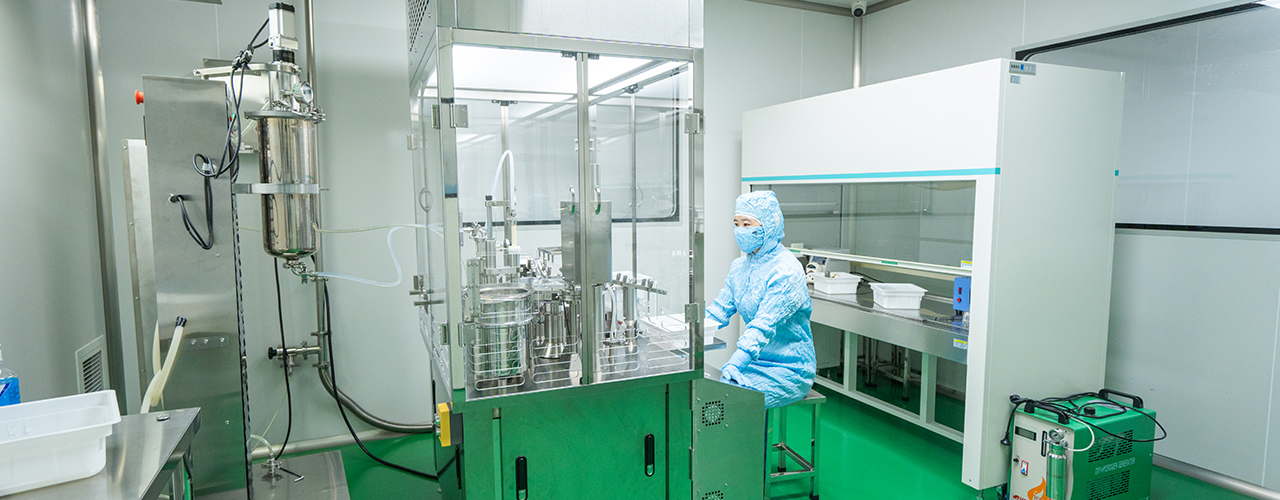
Our 4,800 square meter modern production base runs Class 100 GMP clean rooms across 3 dedicated production lines, with air filtration systems that keep particulate counts 100x lower than standard cosmetic manufacturing facilities. All production follows ISO 13485 quality management system standards and Class III medical device manufacturing norms, with full CE certification and US FDA VCRP registration for global market access.
Raw material selection makes the single biggest impact on final product safety. We use only high-purity, medical-grade, non-animal derived HA sourced from CE GMP-certified suppliers, at a raw material cost of 45,000 USD per kilogram. Unlike animal-derived HA extracted from rooster combs, this non-animal HA carries zero residual animal proteins, cutting allergic reaction risk to less than 0.001% across 2.3 million post-market tracked units. Every raw material batch undergoes third-party testing via SGS to confirm purity, molecular weight, and absence of contaminants before entering production.
Crosslinking technology defines product performance. Our team holds proprietary expertise in two industry-leading crosslinking platforms:
Every finished batch goes through 7 separate quality checks before release: BDDE residual testing, endotoxin testing, gel viscosity and cohesivity testing, injection push force calibration, particle size uniformity testing, sterility testing, and 14-day simulated storage stability testing. We skip no steps, even for small sample orders.
Common Cross Linked Hyaluronic Acid Filler Product Lines and Matching Clinical Use Cases
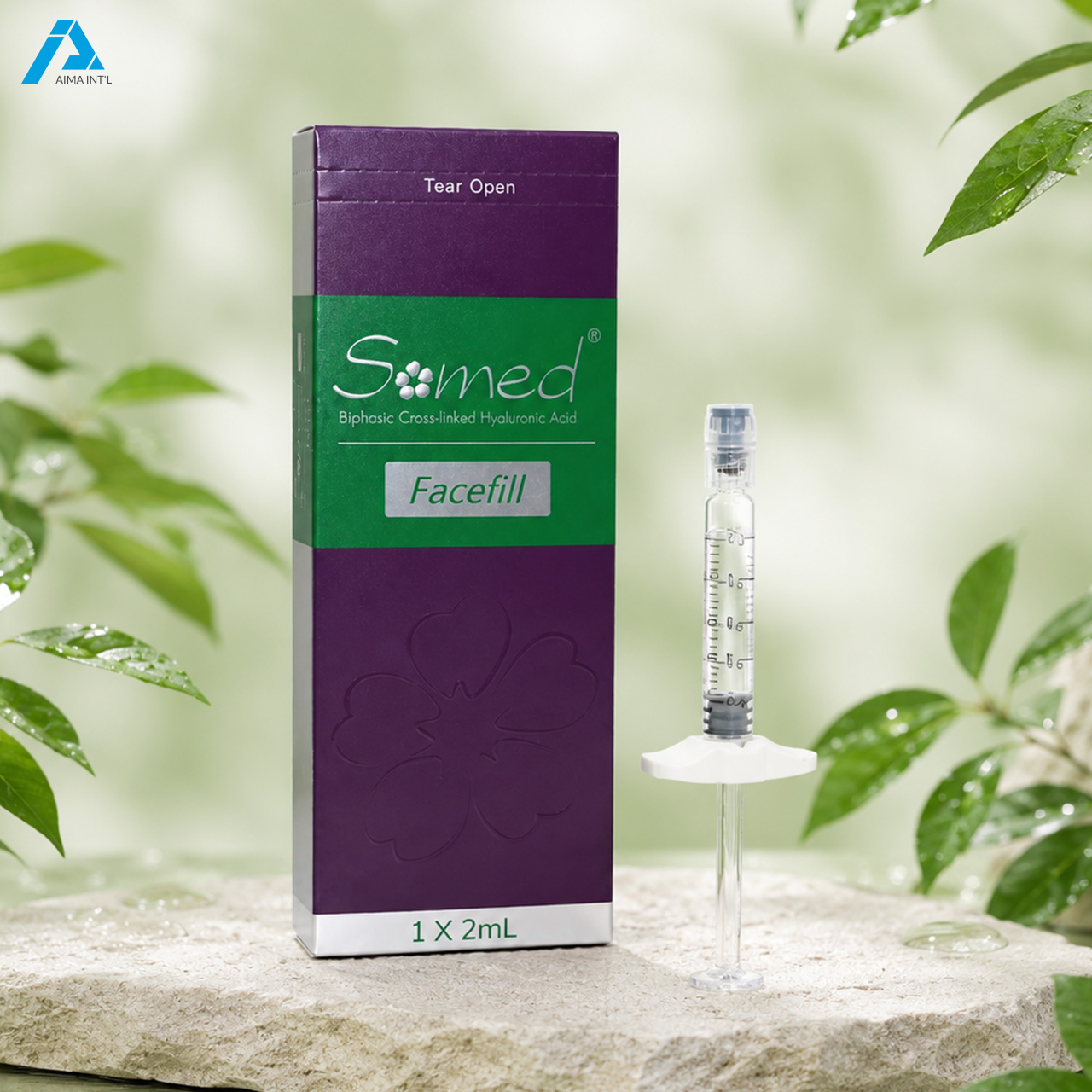
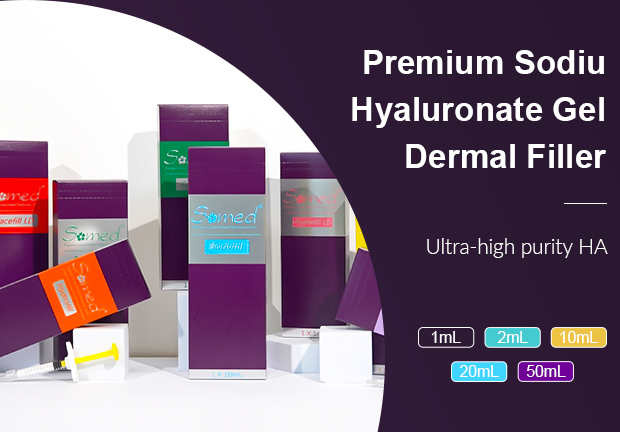
Cross linked HA fillers are not interchangeable. Formulations are tuned for specific injection depths and clinical indications, with HA concentration, crosslink density, particle size, and cohesivity adjusted to match tissue needs at each treatment site. Among the full range of cross linked hyaluronic acid filler formulations available via supplierfiller.com, Volumafill stands out as a high-demand workhorse for clinics and brands focused on structural volume restoration.
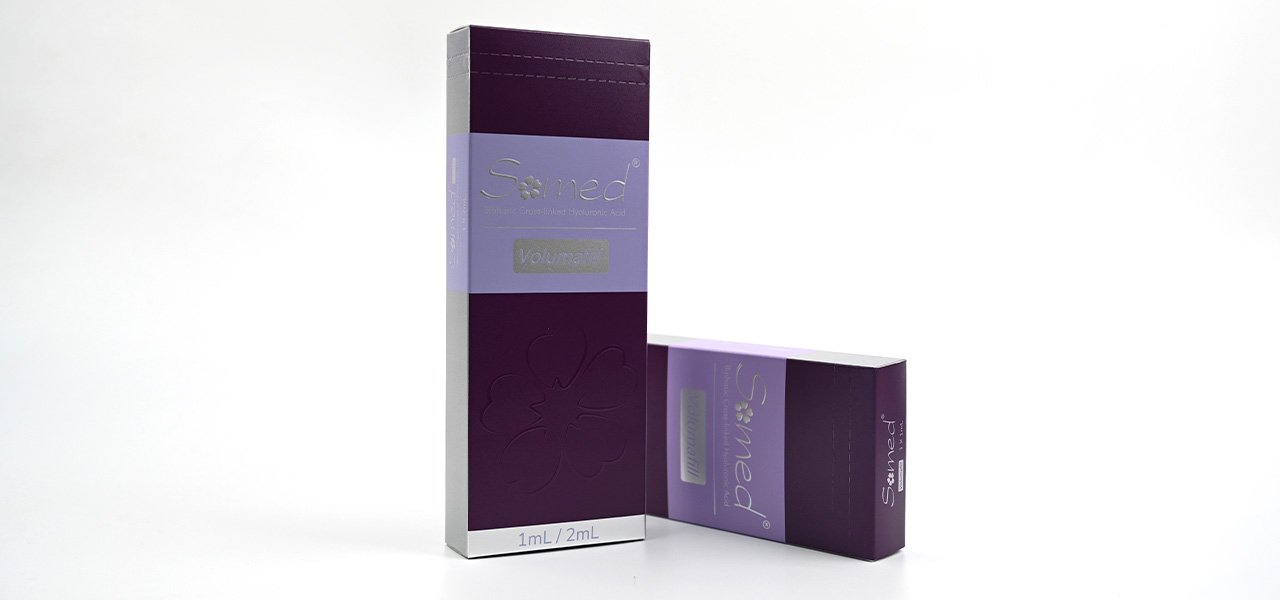
Manufactured with HICE high-cohesion technology, Volumafill is a 24mg/g high-crosslinking HA gel designed for deep supraperiosteal injection. It delivers firm, natural-feeling support without the stiff, “plastic” look common in over-crosslinked cheap fillers, with a clinical duration of 12-18 months. The uniform gel particle size reduces needle clogging during injection, and the calibrated syringe push force cuts hand fatigue for practitioners during long treatment sessions.
Most curated filler lines break products into three core crosslink tiers to cover full clinical needs:
Key Sourcing Pain Points (And Proven Fixes)
Bad filler costs more than cheap filler. The Barcelona brand calculated total losses of 182,000 EUR from their bad supplier experience, including scrapped inventory, refund costs, and lost clinic partnerships. The Saudi clinic chain, meanwhile, wasted 14 months managing multiple vendor contracts, tracking separate shipments, and dealing with inconsistent product quality across suppliers.
We connected with the Saudi clinic chain’s procurement lead at the 2022 Dubai Beauty Exhibition, where we ran live injection demonstrations on model patients using Volumafill for jawline contouring, and shared full batch test reports for visitors to review on site.
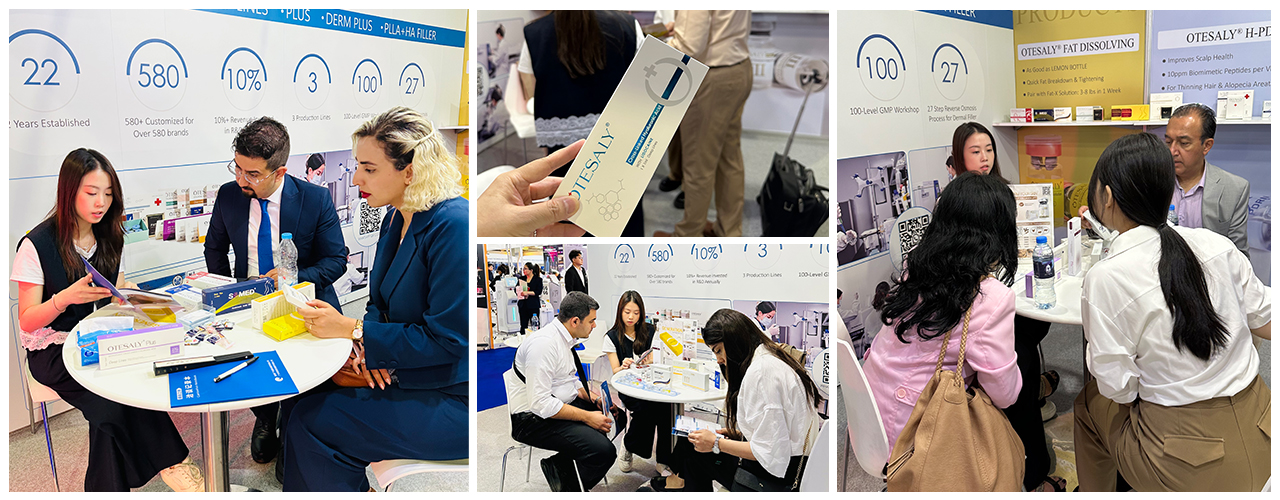
After testing samples across 3 of their clinics, the chain switched 100% of their filler sourcing to our team, selecting 4 tailored formulations to cover all their clinical use cases. The move cut their annual supply costs by 28% and reduced inventory management time by 40%, thanks to consolidated shipments and consistent 15-20 day lead times for bulk orders.
Most sourcing issues trace back to three easily avoidable mistakes:
What Working With a Full-Service Filler Manufacturer Looks Like
Our production capacity hits 5 million units annually, with a 50,000 unit monthly output that supports both small startup orders and large enterprise campaigns. Sample orders ship in 3-5 working days, bulk orders deliver in 15-20 days, and expedited production slots are available for time-sensitive product launches or event restocks.
For brands seeking custom formulations, our in-house R&D team draws on a library of over 1000 mature, clinically tested formulas to build tailored products. Our OEM/ODM support covers every step of the launch process: brand positioning guidance, custom logo design, branded packaging selection, and adjustments to HA concentration, crosslink density, lidocaine content, and syringe size to match target market needs. To date, we have delivered custom cross linked hyaluronic acid filler solutions for over 521 brands across 60+ countries.
We make no overblown promises about product performance. Cross linked hyaluronic acid filler, even when manufactured to the highest standards, carries mild, expected side effects: temporary redness, swelling, or bruising at the injection site, which resolves for most patients within 3-7 days. We never market products as “permanent” or “risk-free”, and our technical support team is available 24/7 to answer practitioner questions about injection technique, product selection, and adverse event management for every order we ship.
If you have spent weeks sorting through filler resellers, unvetted manufacturers, and suppliers that disappear after payment is sent, you already know how hard it is to find a reliable supply partner. Direct access to a manufacturer that owns its production facility, holds core crosslinking technology IP, and stands behind every batch with full compliance documentation and post-sale support removes most of the risk from stocking or launching a cross linked hyaluronic acid filler line.

Copyright @ 2026 AIMA International Group Co., Ltd.