



Welcome to visit AIMA International Group
 Spain
Spain

Your browser version is too low, in order to ensure a better browsing experience,Please click to update to a higher version browser.
Talk about it later.XWelcome to visit AIMA International Group
Spain




.jpg)
Home > News > Industry Trends > The Definitive Skin Booster Ingredients Guide: Formulation Benchmarks, Red Flags, And Sourcing Tips For Aesthetic Brands
Industry TrendsHave you ever wondered why two skin boosters marketed as “hyaluronic acid injectables” can produce wildly different client outcomes? One may leave skin plump, dewy, and free of side effects for 3-4 months, while the other causes lingering redness, hard nodules, or no visible change at all, even when injected by the same skilled practitioner. The answer almost always comes down to ingredient quality, formulation ratios, and manufacturing rigor — details that rarely make it to front-of-package marketing copy.
This guide breaks down evidence-backed skin booster ingredients, their clinically validated concentration ranges, high-risk additives to avoid, and actionable checks for brands, clinics, and distributors sourcing private label or wholesale skin booster inventory. All guidance aligns with global Class III medical device standards for injectable aesthetic products, drawing on 20 years of formulation and manufacturing experience in the dermal filler space.
Skin boosters work by delivering hydrating and collagen-stimulating actives directly into the superficial dermis, unlike traditional dermal fillers that add volume to deeper tissue layers. Every ingredient in a well-formulated skin booster serves a specific purpose, with concentrations calibrated to trigger skin repair without causing unnecessary inflammation or immune response.
Cut-rate skin boosters often hide problematic ingredients behind vague marketing language like “proprietary blend” or “advanced hydrating complex.” These additives cut production costs dramatically, but carry measurable risk for end clients and the brands that sell them.
In 2023, a startup aesthetic brand based in Florida sourced a budget skin booster from an unvetted manufacturer that listed only “hyaluronic acid” on its ingredient label. Independent lab tests conducted after client complaints found the formula contained 12ppm of residual BDDE (the crosslinking agent used in HA production, with a global safety threshold of <2ppm) and undeclared clobetasol propionate, a high-potency topical steroid never approved for injectable use. The brand faced 37 reported adverse events, including persistent granulomas and permanent skin atrophy at injection sites, leading to $210,000 in settlement costs and permanent closure of the business.
Watch for these high-risk components when reviewing formulation documents:
Ingredient risks are not the only cost of cutting corners on supplier quality. Regulatory gaps in sourcing and production can derail product launches even when formulas are safe for use.
A mid-sized aesthetic distributor based in Germany placed a 12,000-unit order for PDRN skin boosters from a small supplier in late 2022, planning to stock inventory for the peak holiday treatment season. The shipment was held at EU customs for 62 days because the manufacturer could not provide traceability documents proving the PDRN raw material was free of animal-derived pathogens, and the product lacked valid CE certification for Class III medical devices. The distributor missed its entire Q4 sales window, writing off €127,000 in pre-sold orders and losing three long-term clinic clients.
Even for brands that conduct surface-level due diligence, it can be hard to spot gaps in ingredient sourcing without direct visibility into a supplier’s production floor.

AIMA International Group Co., Ltd. — a top 10 global dermal filler manufacturer operating since 2003 — built its production system to eliminate these exact risks for brand and distributor partners. The company runs a 4,800 square meter modern production base with Class 100 GMP clean rooms and 3 dedicated production lines, with all processes aligned to ISO 13485 quality management standards and Class III medical device production norms. Its in-house R&D team holds expertise in NASHA and HICE formulation technologies, with a library of more than 1,000 mature, clinically tested formulas. All raw materials are sourced from CE GMP-certified suppliers, with every production batch undergoing third-party testing by SGS and other accredited labs to validate purity, ingredient concentration, and sterility. The facility reaches an annual output of 5 million units, with monthly capacity of 50,000 units to support orders of all sizes.
This is exactly the gap the AIMA Skinbooster formulation was built to address.
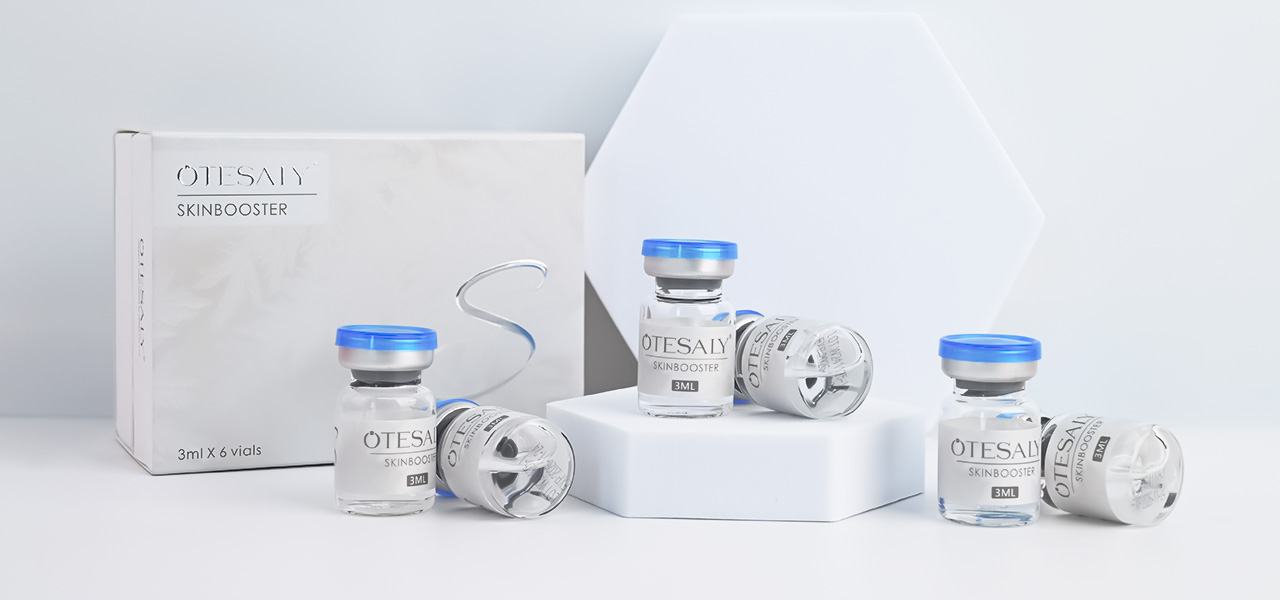
Formulated for global market compliance and consistent clinical results, the core Skinbooster formula uses 20mg/ml medical-grade non-animal NASHA. Residual BDDE levels test at <0.8ppm, well below the global 2ppm safety threshold, with zero undeclared additives or banned ingredients. Every production batch ships with full compliance documentation, including EU CE certification, U.S. FDA VCRP registration, and batch-specific third-party test reports. Full formulation specifications, sample request forms, and compliance document previews for the Skinbooster line are available to view at supplierfiller.com for brand and wholesale partners.
Brands partnering with AIMA access full OEM/ODM support covering brand positioning, logo design, custom packaging, and tailored formula adjustments — from adding brightening actives for hyperpigmentation-focused lines to adjusting HA concentration for specific treatment areas. The company operates with no MOQ pressure to support emerging brands building their first product line, alongside volume discounts for large distributors placing bulk orders. Sample orders ship in 3-5 business days, bulk orders deliver in 15-20 days, and rush production options are available for time-sensitive launches.
This flexible, transparent approach has earned AIMA long-term partners across every major aesthetic market.
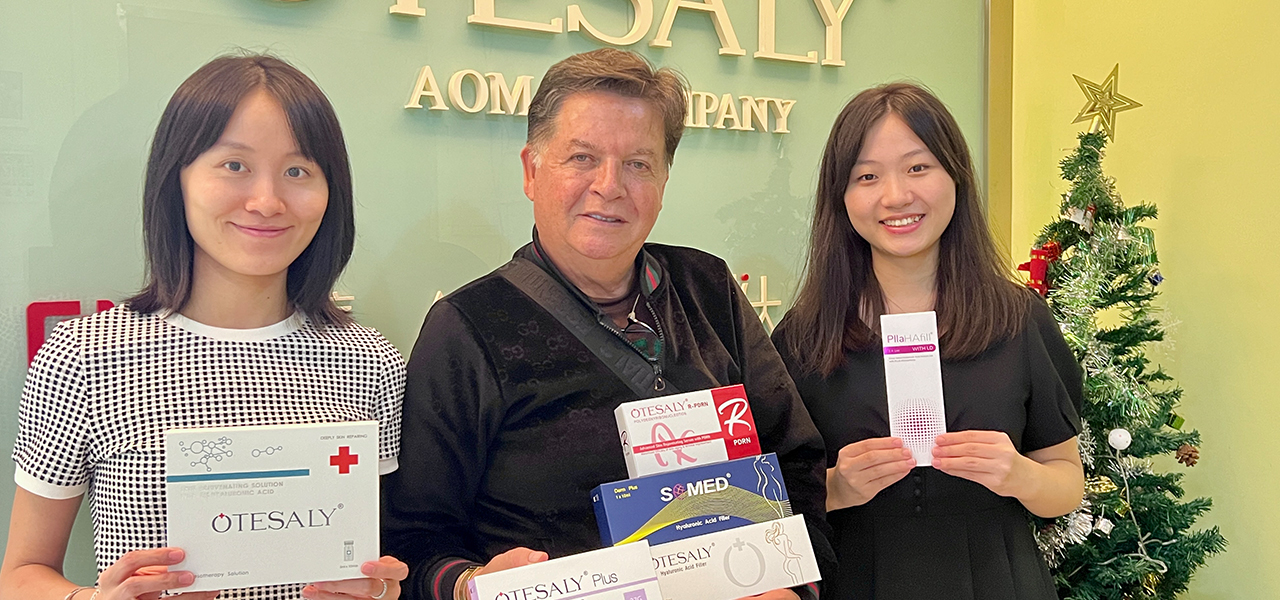
To date, the company has delivered custom skin booster and dermal filler solutions to more than 521 brands across 47 countries. One UK-based clinic brand started with a 50-unit test order of custom-branded Skinbooster with an added brightening complex in 2021, and now places 2,000-unit quarterly orders after recording 92% client satisfaction rates and zero adverse events across 1,800+ treatments. All partners access ongoing after-sales support, including adverse event response guidance, regulatory updates for target markets, and formula adjustments as new ingredient research emerges.
Brands that skip formal supplier checks rarely last more than 18 months in the competitive aesthetic space. Run these simple checks before placing a purchase order to reduce risk:
Many new brands fixate on per-unit cost when selecting a skin booster supplier, but the real cost of cutting corners on ingredient quality and manufacturing compliance shows up fast in client complaints, regulatory fines, and permanent damage to brand reputation. Taking the time to map ingredient profiles against clinical benchmarks, audit manufacturing practices, and verify compliance before placing an order removes most of the risk from launching a private label or wholesale skin booster line.

Copyright @ 2026 AIMA International Group Co., Ltd.


