
Welcome to visit AIMA International Group
 Spain

Your browser version is too low, in order to ensure a better browsing experience,Please click to update to a higher version browser.
Talk about it later.XWelcome to visit AIMA International Group
Spain


Home > News > Industry Trends > Skin Conditioning Injectable: Key Benefits, Safety Protocols, and Reliable B2B Supply Solutions
Industry TrendsWalk into any aesthetic clinic in Seoul, Miami, or Dubai, and you’ll hear skin conditioning injectable mentioned as often as traditional dermal fillers. Many clients no longer chase over-filled, unnatural cheekbones or lips; they pay for dewy, smooth, even-toned skin that looks healthy from within. This shift has driven massive demand for high-quality, safe injectable skin conditioning products, but it has also opened the door to substandard goods that put clients and business owners at risk.
In 2023, we spoke with Marta, a founder of an independent aesthetic brand based in Poland. She had sourced her first line of skin conditioning injectables from a local small-scale manufacturer to cut costs. Within two months of launching to three partner clinics, 17 patients reported persistent redness, hard lumps, and tenderness at injection sites that lasted more than two weeks. Traceability checks showed the manufacturer used feed-grade hyaluronic acid (HA) with high levels of impurity proteins, and filled products in a 10,000-class clean room—far below the standard required for injectable medical products. Marta ended up paying nearly 120,000 EUR in patient compensation, and her brand’s reputation took nearly a year to recover.
What Exactly Is a Skin Conditioning Injectable?
Many new aesthetic practitioners and brand owners mix up skin conditioning injectables with traditional dermal fillers. Wondering why the two are so often confused? It comes down to a shared base material: both use hyaluronic acid, but processing and formulation change everything about how the product performs in skin.
Traditional dermal fillers use high-crosslinking HA, injected into the deep dermis or periosteum to add volume and support sagging or sunken contours—think filling nasolabial folds, augmenting the chin, or adding structure to the cheeks. Skin conditioning injectables, known in industry circles as skin boosters, use lightly crosslinked or non-crosslinked HA as a base, often blended with amino acids, vitamins, or PDRN. Injected into the superficial dermis, these formulas work to improve skin quality itself: relieving chronic dryness, softening fine surface lines, minimizing visible pores, fading post-inflammatory hyperpigmentation, and repairing a compromised skin barrier.
Ask any injector with three or more years of clinical experience, and they’ll tell you: fillers solve shape problems. Skin conditioning injectables solve texture problems. The two work in tandem, not in competition.
Non-Negotiable Safety Standards for Qualified Skin Conditioning Injectables
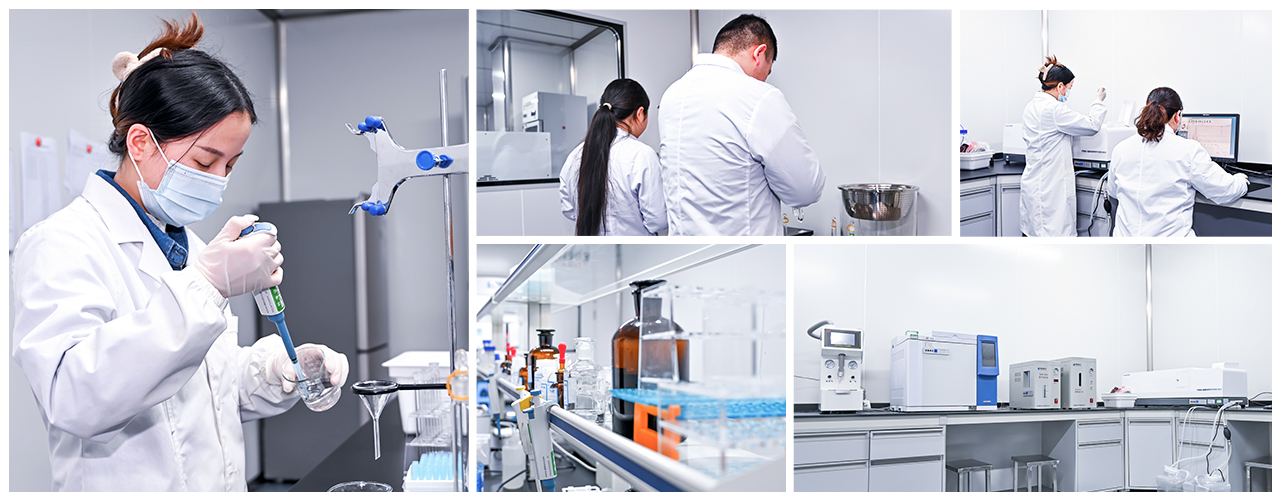
The unregulated market for injectable aesthetics is full of products that cut corners on production to offer rock-bottom prices. Any brand or clinic sourcing these products should vet suppliers against four core standards to avoid the kind of losses Marta faced:
Last year, we connected with Kareem, a procurement lead for a five-clinic aesthetic chain based in Dubai. He shared his frustrations with a two-year partnership with a European supplier: the minimum order quantity (MOQ) was set at 10,000 units per order, which meant tying up capital in 8 months of inventory for his small chain. Worse, batch consistency was unreliable. One batch had uneven HA particle sizes that made injection push feel gritty, leading to three cases of temporary blanching from superficial vessel irritation in patients. When he reached out to the supplier for resolution, he received no formal COA for the batch, and the support team dismissed his concerns as “improper injection technique.”
Stories like Kareem’s and Marta’s are far too common in the aesthetic supply space. Many manufacturers either cater exclusively to large global brands with inflexible high MOQs, or cut corners on quality to offer low prices that carry hidden risks for smaller buyers.
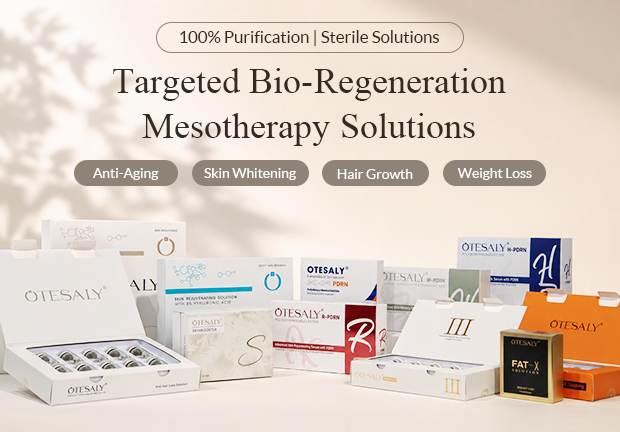
AIMA’s Skinbooster: A Purpose-Built Skin Conditioning Injectable for Global Partners
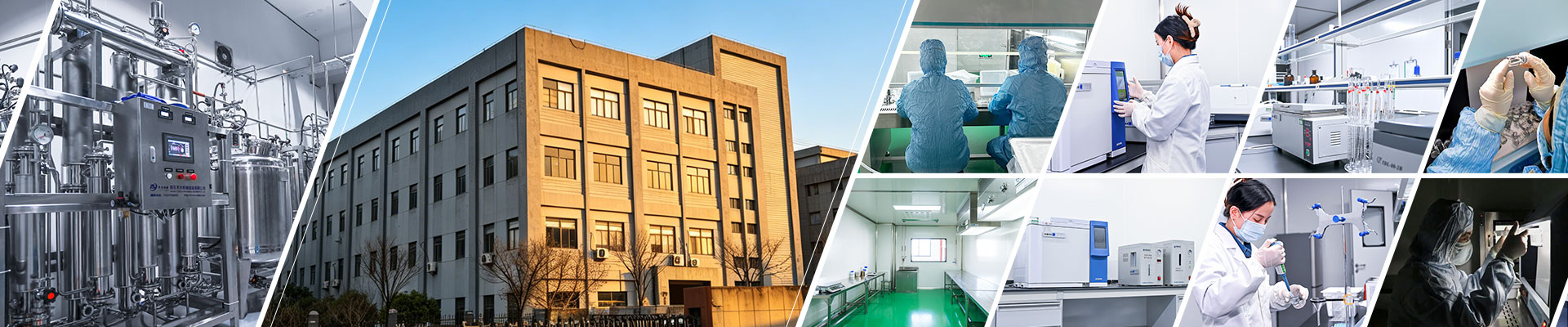
Founded in 2003, AIMA International Group Co., Ltd. holds an industry-recognized position as one of the Top 10 Dermal Filler Manufacturers globally. We developed our Skinbooster line specifically for skin conditioning use cases, formulated to solve the exact pain points we heard from hundreds of brand and clinic partners over two decades in the industry.
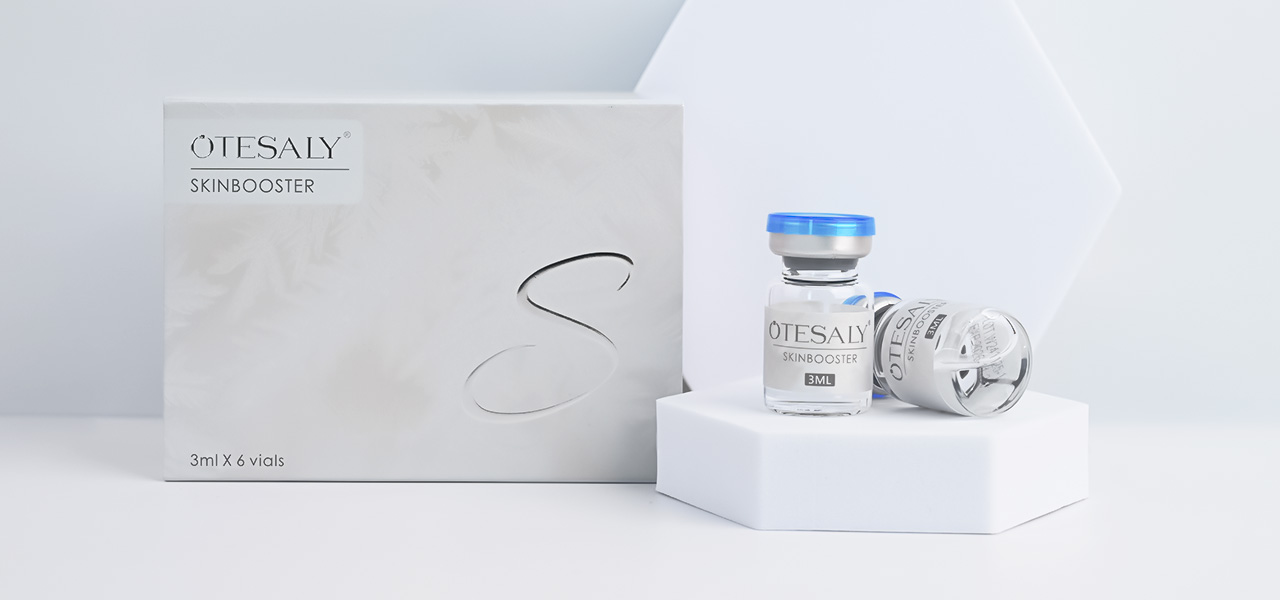
Our Skinbooster formula uses the same high-purity non-animal HA we use in our premium dermal filler lines, blended with an isotonic buffer solution to reduce injection discomfort and minimize post-treatment redness. The consistent, uniform particle size ensures smooth push through fine 30-34G needles, so injectors can deliver even product distribution across the superficial dermis without gritty texture or risk of particle-related vessel irritation.
Our production capacity lets us serve partners of all sizes: we run three dedicated production lines in our GMP facility, with an annual output of 5 million units and monthly capacity of 50,000 units to support high-volume orders for large brands and distributors. Our in-house R&D team holds more than 1,000 mature formulations, so we can adjust Skinbooster formulas to match regional market preferences: adding brightening actives for markets where glow and even tone are top consumer priorities, blending peptides for anti-aging focused markets, or adjusting HA concentration for clients with specific texture goals.
We built our OEM/ODM service model to fix the inflexibility that frustrated partners like Kareem. There is no MOQ pressure for new or small brands—even founders launching their first line can place small test orders to validate their market without tying up capital in excess inventory. For large enterprise partners and chain clinics, we offer tiered volume discounts to reduce per-unit procurement costs. Sample orders ship within 3-5 business days, bulk orders deliver within 15-20 days, and expedited production options are available for partners facing urgent stock gaps. Our team supports every step of the product launch process, from brand positioning, logo design, and custom packaging, to formula adjustments and concentration tuning. To date, we have delivered custom manufacturing solutions for more than 521 aesthetic brands across 60+ countries.
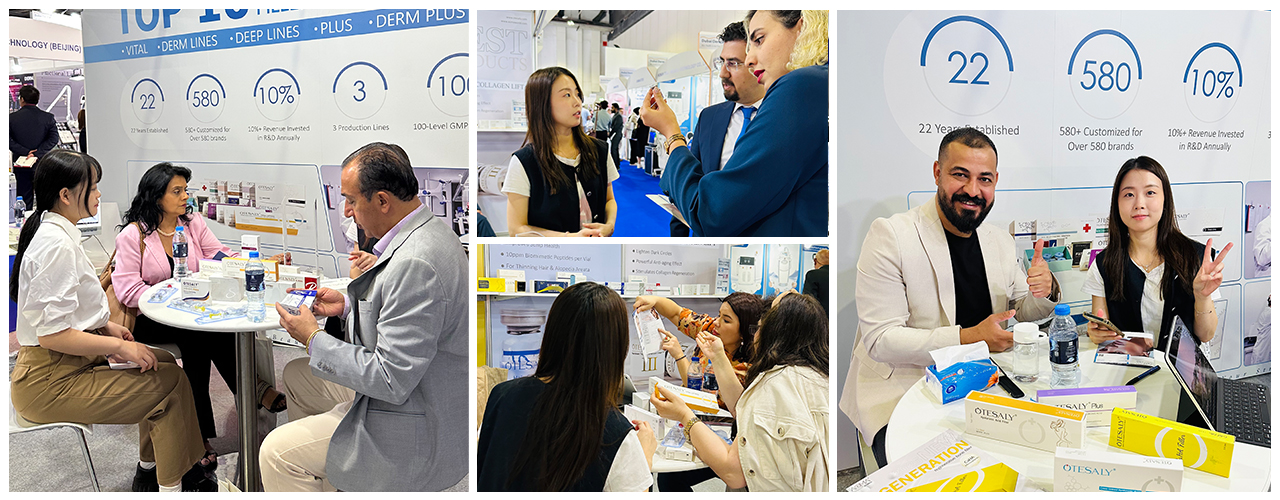
We connect with partners face-to-face at major global industry events every year to gather feedback and share new formulation updates.
Transparent Quality Guarantees for Long-Term Partnerships
We never make outlandish claims about our products. No injectable is entirely free of adverse event risk, as individual patient sensitivity and injection technique can impact outcomes. What we do guarantee is full transparency around quality and compliance for every single unit we ship.
Every batch of Skinbooster comes with a full documentation package for partners: copies of CE certification, FDA VCRP registration, ISO 13485 compliance records, independent SGS test reports, and a batch-specific COA with full details on HA concentration, crosslinker residue, sterility testing, and shelf life. These documents are provided free of charge to help partners clear customs, meet local regulatory requirements, and demonstrate product safety to clinic clients and end patients. Our medical aesthetics wholesale support team responds to all quality-related inquiries within 48 hours, with clear resolution paths for issues like shipping damage or batch irregularities, including free replacement or refund for verified quality problems. First-time partners can request free product samples to run independent lab tests and clinical trials before placing bulk orders, so there is no guesswork about product quality.
For context on results: most patients see improved skin hydration and smoothness 3-7 days after their first Skinbooster treatment. A standard course of three treatments spaced four weeks apart delivers results that last 6-9 months, depending on individual metabolism and post-care habits like sun protection and topical hydration. Any supplier that claims permanent results from skin conditioning injectables is misrepresenting product biology, and likely selling non-compliant goods.
The global market for skin conditioning injectables continues to grow as consumer preference shifts toward natural, skin-first aesthetic results. But growth brings no shortage of suppliers willing to cut corners to win business. For brands and clinics building a long-term reputation, working with a manufacturer that prioritizes consistent quality, flexible terms, and transparent compliance is the only way to grow without taking on unnecessary risk.
Partners looking for a reliable skin conditioning injectable supply chain can browse our full product portfolio and request custom quotes directly through supplierfiller.com. Our team will work with you to build a product offering that matches your market needs, budget, and brand goals, with no hidden fees or inflexible order requirements.
Copyright @ 2026 AIMA International Group Co., Ltd.