
Welcome to visit AIMA International Group
 Spain

Your browser version is too low, in order to ensure a better browsing experience,Please click to update to a higher version browser.
Talk about it later.XWelcome to visit AIMA International Group
Spain



Home > News > Industry Trends > Skin Booster Vial: A Practical Guide to Sourcing, Quality Verification, and Clinical Use for Aesthetic Brands & Clinics
Industry TrendsIf you’ve spent any time working in medical aesthetics over the past five years, you’ve seen skin booster vials move from a niche add-on service to a core revenue driver for clinics across every major market. Walk into any medispa in Seoul, Dubai, or New York, and you’ll find treatment menus listing 3-6 different skin booster options, priced from $200 to $800 per session. But not every vial on the market delivers the results promised — and sourcing the wrong stock can cost you far more than lost revenue.
Have you ever watched a clinic owner spend years building a loyal client base, only to face a flood of negative reviews after a batch of low-quality injectables caused adverse reactions? Or talked to a new brand founder who sunk tens of thousands of dollars into inventory that arrived late, mislabeled, or formulated with ingredients that didn’t match the promised specification? These stories are far more common than most industry outsiders realize, especially as demand for skin booster treatments continues to outpace regulatory oversight in many regions.
Many people new to the space confuse skin boosters with traditional dermal fillers. The two products serve entirely different purposes. Traditional dermal fillers use highly crosslinked hyaluronic acid (HA) to add volume, sculpt facial contours, or fill deep wrinkles. A skin booster vial, by contrast, uses micro-crosslinked or non-crosslinked HA formulated to spread evenly through the superficial dermis, hydrating tissue from the inside out, stimulating fibroblast activity, and improving overall skin texture without adding obvious volume.
High-quality formulations rely on two core production technologies to deliver consistent, safe results:
When formulated correctly, a single skin booster vial delivers gradual, natural-looking improvements to skin hydration, fine lines, and elasticity over 3-4 months, with zero risk of the overfilled, “frozen” look associated with improper filler placement.
The global skin booster market is projected to hit $1.8 billion by 2030, and that rapid growth has drawn in hundreds of unvetted suppliers selling substandard product. Two stories from teams that reached out to supplierfiller.com over the past two years highlight just how costly these missteps can be.
Marta, an independent aesthetic practitioner running a small clinic in Barcelona, connected with our team in late 2022. Six months prior, she had purchased a batch of discounted skin booster vials from a local trade distributor, drawn in by a price point 60% lower than the brand she had previously used. The vials arrived with no batch traceability codes, no CE certification paperwork, and a slightly cloudy appearance the distributor wrote off as “normal batch variation.” Three of her first 11 clients developed hard, tender nodules at injection sites 10-14 days post-treatment, requiring oral steroids and follow-up dermatologist visits. Marta refunded all treatment costs, covered her clients’ medical bills, and watched her clinic’s Google review score drop from 4.8 to 3.9 in less than a month. It took eight months of consistent, high-quality service to earn back her local reputation.
Liam, a beauty brand founder based on Australia’s Gold Coast, reached out in early 2023 with a different set of frustrations. He wanted to launch a clinic-exclusive skin booster line formulated with added ergothioneine to address photodamage in clients exposed to the region’s intense year-round UV radiation. Three separate manufacturers he contacted turned down his custom formulation request, offering only pre-mixed, fixed formulas with no room for adjustment. The two factories that did offer custom services set minimum order quantities of 100,000 vials, requiring over $220,000 in upfront inventory cost — a number completely out of reach for his early-stage brand. When he finally placed an order with a supplier that promised a 20,000 vial MOQ, the production run was delayed seven weeks past the agreed delivery date, causing him to miss the pre-Christmas retail window and pay nearly $10,000 in penalties to the 12 clinics that had pre-ordered his stock.
For teams tired of navigating these supply chain headaches, the dedicated Skinbooster vial line available through supplierfiller.com is built to solve exactly these pain points.
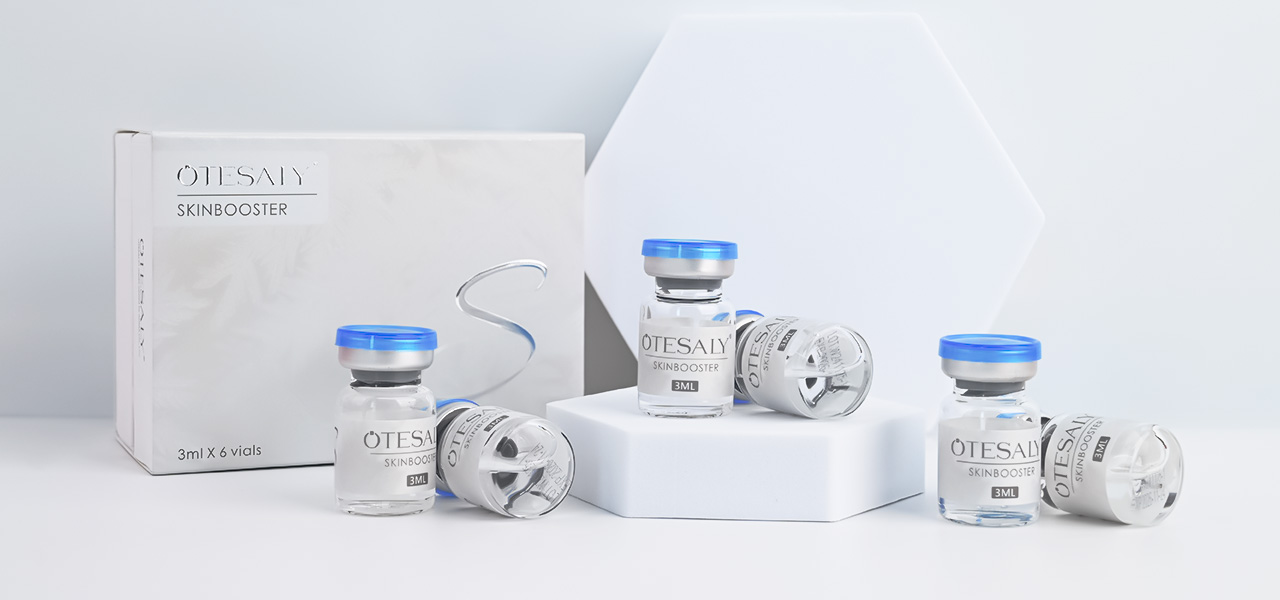
Price differences between skin booster vials can be stark, with wholesale prices ranging from $2 per vial to $28 per vial. That gap rarely comes down to brand markup alone. Three core factors separate safe, effective vials from products that put clients and businesses at risk.

Some suppliers make wild claims about skin boosters erasing deep wrinkles, replacing filler entirely, or delivering permanent results. These claims do not hold up to clinical testing. Third-party trials of the Skinbooster line available on supplierfiller.com track consistent, measurable outcomes across 120 test subjects completing a standard course of three treatments spaced four weeks apart:
Results fade gradually as the HA is naturally metabolized by the body, with most clients returning for maintenance treatments every 4-6 months. The formulations work for clients across age groups: 20-something clients with barrier damage from harsh skincare or sun exposure use the treatments to rebuild hydration, while clients in their 40s, 50s, and beyond pair the vials with filler and energy-based treatments to improve overall skin texture. Clinics can also adjust delivery method to match client preference, using traditional intradermal injection, microneedle delivery, or water-based injector systems for clients with needle phobia.
You don’t need a lab degree to separate legitimate suppliers from bad actors. A few simple checks will help you avoid the pitfalls Marta and Liam faced early on.
It’s easy to fixate on per-vial cost when comparing suppliers, but that number tells only a small part of the story. A $2 vial that causes a single adverse event can cost you tens of thousands of dollars in refunds, legal fees, and lost customer trust — a cost that makes the upfront savings irrelevant. Taking the time to vet suppliers, test samples, and confirm compliance documentation will help you build a skin booster service line that drives consistent revenue, keeps clients safe, and grows with your business for years.
Teams ready to explore skin booster vial options, request samples, or discuss custom OEM/ODM formulations can browse full product specifications and submit inquiries directly through supplierfiller.com at any time.
Copyright @ 2026 AIMA International Group Co., Ltd.