



Welcome to visit AIMA International Group
 Spain
Spain

Your browser version is too low, in order to ensure a better browsing experience,Please click to update to a higher version browser.
Talk about it later.XWelcome to visit AIMA International Group
Spain




.jpg)
Home > News > Industry Trends > Scalp Mesotherapy Formulation for Hair Loss: Science-Backed Components, Efficacy Benchmarks, and Trusted OEM Solutions
Industry TrendsGlobal epidemiological data shows more than 50% of men and 40% of women will experience some degree of measurable hair loss by the age of 50, driven by androgenetic alopecia, post-partum hormone shifts, chronic stress, and nutrient deficiencies. Topical minoxidil, the most widely available over-the-counter treatment, delivers less than 5% of its active content past the stratum corneum to reach follicle sites, while oral finasteride carries well-documented risks of systemic side effects that make many patients hesitant to pursue long-term use. Scalp mesotherapy, a targeted mid-layer delivery approach, has emerged as a high-demand service for hair clinics and consumer hair care brands alike.
Why do two clinics offering nearly identical scalp mesotherapy treatment protocols see wildly different patient outcomes? The answer rarely lies in injection depth or needle size. Roughly 80% of performance variation traces back to the scalp mesotherapy formulation used.
Two years ago, a Barcelona-based emerging hair care brand reached out to our team after a disastrous first product launch. They had sourced a generic scalp mesotherapy formulation from a small local contract manufacturer to cut costs, only to receive 127 customer complaints within the first month of sales. 18% of users reported persistent scalp redness, tiny inflammatory papules along the hairline, and zero reduction in hair shedding after 8 weeks of use. Lab testing later revealed the formulation used unpurified, animal-sourced hyaluronic acid with 3x the allowed limit of endotoxin, and active ingredient concentrations that fell 62% below the labeled claims. The brand lost nearly €70,000 in refunds and reputational damage before they decided to look for a GMP-certified manufacturing partner.
Core Functional Components of a Clinically Effective Scalp Mesotherapy Formulation
Unlike topical hair serums that sit on the stratum corneum, scalp mesotherapy delivers active ingredients directly to the 1–2mm dermal layer where hair follicle papillae reside. A well-designed formulation does not rely on a single “miracle ingredient”; it balances carrier matrices, active reparative agents, and anti-androgen components to create a microenvironment that supports follicle recovery.
Our Hair Growth PDRN scalp mesotherapy formulation is built around this evidence-based component framework, formulated to meet EU and US cosmetic and medical device safety standards. 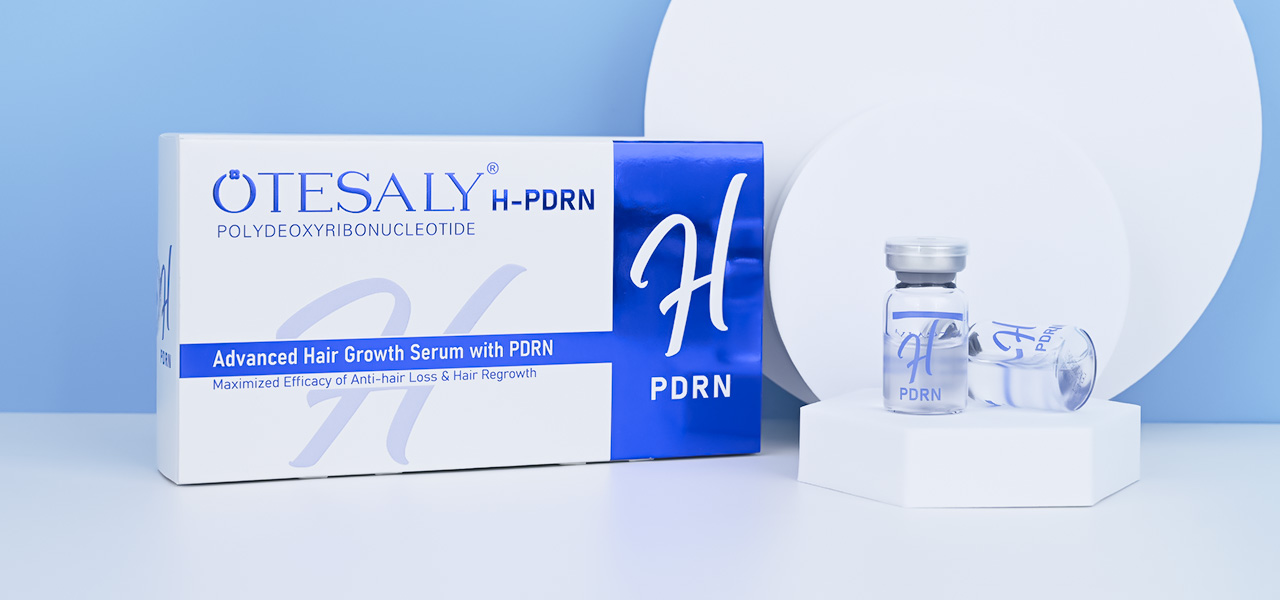 It uses 100% non-animal derived medical-grade HA sourced from CE GMP-certified suppliers, with a raw material purity level that commands a market value of $45,000 per kilogram, and PDRN content standardized to 0.7% to deliver consistent regenerative results without scalp irritation.
A hair transplant clinic chain based in Istanbul ran into a different formulation-related pain point in 2023. They had been using a branded imported scalp mesotherapy product for post-transplant care and early-stage alopecia treatment, but the fixed-concentration formula gave them no flexibility. Patients with grade 2 androgenetic alopecia found the formula too strong and experienced temporary shedding in the first two weeks, while patients with grade 4–5 alopecia saw minimal improvement because the active concentrations were too low to revive severely shrunken follicles. The brand initially reached out to large European manufacturers to request custom concentration adjustments, only to be told they would need to place a minimum order of 50,000 units to qualify for formula tweaks — a volume far beyond what their 8-clinic network could move in a year.
Non-Negotiable Quality Standards for Scalp Mesotherapy Formulation Production
Many new brand owners focus solely on ingredient lists when selecting a formulation, but production environment and quality control processes make an even bigger difference in end-product safety and performance. Scalp skin is thinner than facial skin in the T-zone, and injections that bypass the skin barrier carry a real risk of infection or granuloma formation if production standards fall short.
AIMA International Group, the manufacturer behind supplierfiller.com, has operated as a professional medical aesthetic product producer since 2003, and was named one of the Top 10 Dermal Filler Manufacturers in the global market. Our 4,800 square meter modern production base runs 3 dedicated production lines housed in Class 100 GMP clean rooms, with full compliance with ISO 13485 quality management systems and Class III medical device production specifications. Our total annual production capacity reaches 5 million units, with a monthly output of up to 50,000 units, allowing us to fulfill both small test orders and large bulk orders without production delays.  We hold EU CE certification and US FDA VCRP registration for all our mesotherapy product lines, and every batch of scalp mesotherapy formulation goes through third-party testing by SGS to verify active content, sterility, and endotoxin levels before leaving the facility.
Our in-house R&D team holds core patents for formulation technologies, which allow us to create stable, homogenous blends that do not separate during storage or cause clogging in mesotherapy guns or microneedling devices. We maintain a library of over 1,000 mature, clinically tested formulations, including a full range of scalp mesotherapy options tailored for different hair loss types.
For the Istanbul clinic chain, our team developed three custom concentration variations of our Hair Growth PDRN formulation: a mild 0.3% PDRN blend for post-transplant recovery and sensitive scalps, the standard 0.7% blend for early-stage alopecia, and a concentrated 1.2% PDRN blend with added saw palmetto extract for advanced androgenetic alopecia. Because we operate with a no-MOQ-pressure cooperation model, the clinic was able to start with just 200 units of each concentration to test with their patient base, before scaling up orders as demand grew. Within 6 months, their patient satisfaction rate for scalp mesotherapy treatments jumped from 58% to 89%, and post-transplant follicle survival rates increased by 14%.
Our OEM/ODM support covers the full brand building process, from initial brand positioning, logo design, and custom packaging, to targeted adjustments of formulation pH, active concentration, and ingredient blends to match specific market regulatory requirements. Sample orders ship within 3–5 business days, while bulk orders are completed in 15–20 days, with expedited production options available for brands with tight launch timelines. To date, we have delivered custom mesotherapy and dermal filler solutions for over 521 brands across 62 countries. 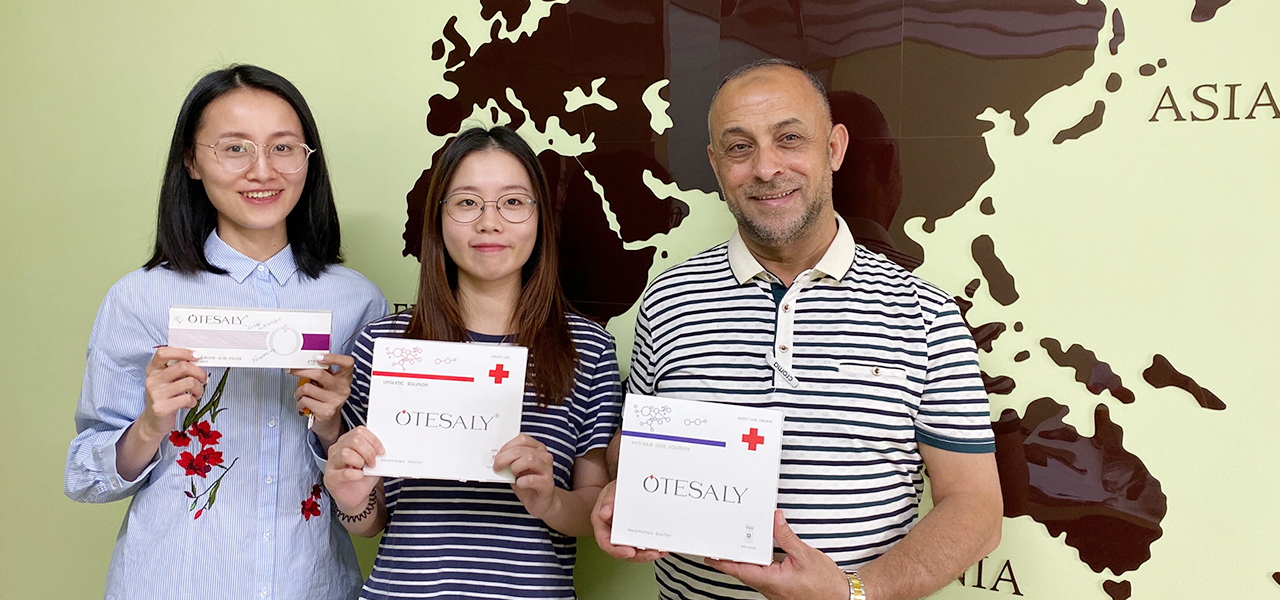
Common Scalp Mesotherapy Formulation Misconceptions to Avoid
Plenty of marketing claims around scalp mesotherapy stretch far beyond clinical evidence, and brands that buy into these myths often end up with products that underdeliver or cause adverse reactions.
For all medical aesthetics wholesale and OEM partners, we provide full traceability for every production batch, including downloadable certificates of analysis (COA), SGS test reports, CE and FDA registration documents, and material safety data sheets (MSDS) to support local market registration. Our after-sales technical team is available to answer formulation questions, provide clinical usage guidance, and adjust blends based on customer feedback, with no hidden fees for formula adjustments for long-term partners. We also offer volume-based discounts for large clinic chains and established brands, alongside the low-MOQ options for new and emerging brands looking to test the market without large upfront costs.
When building a scalp mesotherapy product line, cutting corners on formulation quality or production standards might deliver short-term cost savings, but the long-term cost of reputational damage and regulatory penalties rarely makes that tradeoff worth it. Working with a manufacturer that combines clinically validated formulation libraries, GMP-compliant production, and flexible cooperation terms lets brands focus on marketing and customer care, rather than troubleshooting product safety issues or fighting to meet minimum order requirements.

Copyright @ 2026 AIMA International Group Co., Ltd.


