



Welcome to visit AIMA International Group
 Spain
Spain

Your browser version is too low, in order to ensure a better browsing experience,Please click to update to a higher version browser.
Talk about it later.XWelcome to visit AIMA International Group
Spain




.jpg)
Home > News > Industry Trends > Scalp Injection Product Quality Checklist: Must-Have Criteria for Safe, Effective Hair Restoration Outcomes
Industry TrendsLast year, a 12-location hair restoration clinic chain in Dubai pulled an unvetted scalp injection product from its shelves after 12 patients developed persistent scalp tenderness, post-inflammatory hyperpigmentation, and 3 cases of temporary shock hair loss. The total cost of patient refunds, regulatory fines, and reputational damage? More than 187,000 AED. Stories like this are far too common in the fast-growing scalp injection space, where low-quality, grey-market products slip through supply chain gaps and put patients, clinics, and brands at risk. A clear, actionable scalp injection product quality checklist removes guesswork from sourcing, whether you run a single clinic, distribute aesthetic products across regions, or build your own hair restoration brand.
Most sourcing teams start their evaluation by comparing price per vial, then glance at active ingredient percentages on marketing sheets. That approach misses the most common cause of scalp injection-related adverse events: contaminated or low-purity raw materials. A 2023 startup based in Poland learned this the hard way when it sourced a budget PDRN scalp injection formula from a small uncertified manufacturer, only to have 20,000 units held at EU customs for testing that found bacterial endotoxin levels 3x the permitted limit for intradermal injection. The brand paid 19,200 EUR in port storage fees and missed its planned Q4 launch window by 12 weeks.
When evaluating any scalp injection product, cross these raw material criteria off your list before requesting a sample:
For context, the Hair Growth PDRN scalp injection formula produced by AIMA International Group Co., Ltd. uses 98% pure PDRN sourced from CE GMP-certified suppliers, paired with medical-grade non-animal derived hyaluronic acid valued at 45,000 USD per kilogram. Every batch comes with full traceability reports and third-party test results, so clients never have to guess what is inside each vial.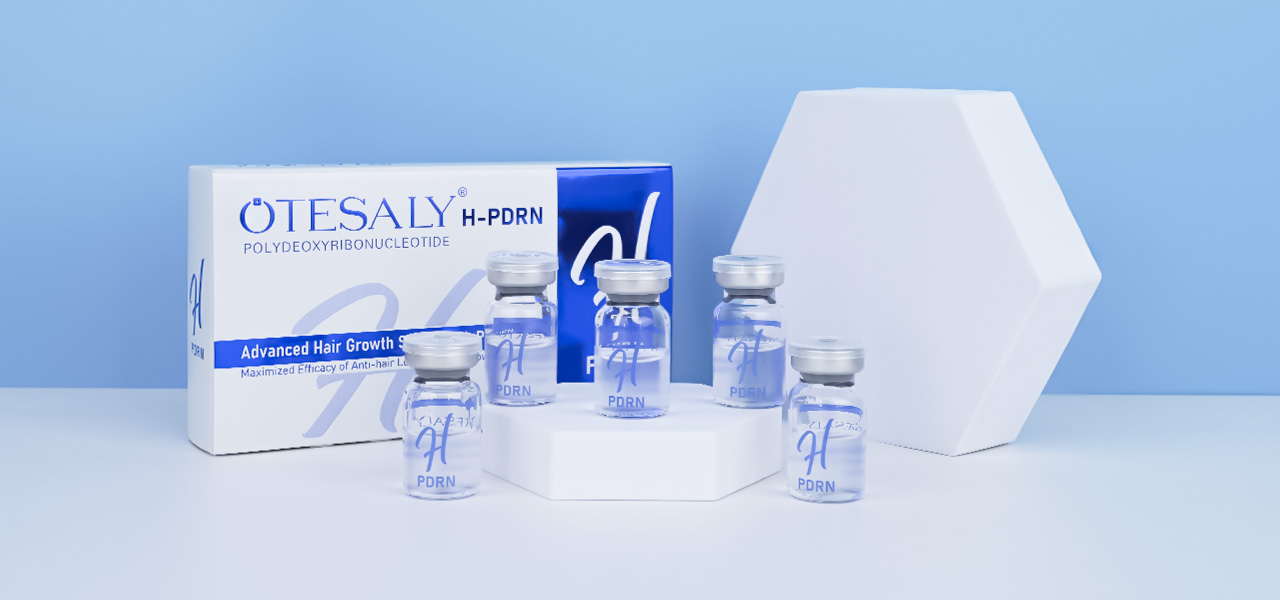
High-purity raw materials can be ruined in seconds if processed in an unregulated production space. Scalp injections are delivered directly into the dermal layer of the scalp, bypassing the skin’s protective barrier, so even tiny amounts of airborne bacteria or particulate matter can cause infections, follicle inflammation, or scarring.
Add these production criteria to your checklist:
AIMA International, founded in 2003 as a specialized medical aesthetic product manufacturer, operates a 4,800 square meter modern production base outfitted with Class 100 GMP cleanrooms and 3 dedicated production lines for sterile injectable products. The facility reaches an annual production capacity of 5 million units, with monthly output of up to 50,000 vials to support both small startup orders and large-scale distributor contracts. The brand has earned a spot on the list of “Top 10 Dermal Filler Manufacturers” globally, thanks in large part to its uncompromising production standards.
Walk any aesthetic trade show floor, and you will see dozens of scalp injection products claiming to “reverse baldness” or “regrow hair in 30 days.” Most of these formulas use cheap, unprocessed active ingredients that break down within hours of injection, delivering no tangible benefit to hair follicles. How do you separate formulas that work from marketing fluff? Start by asking about the core production technologies used to manufacture the product.
Unlike basic single-ingredient scalp solutions, Hair Growth PDRN combines PDRN with Dexpanthenol, Biotin, Iron, and B Vitamins in a comprehensive formula designed for professional scalp care. This multi-active approach supports hair follicle nourishment, scalp microcirculation, stronger hair roots, and overall hair vitality, providing aesthetic professionals with a more comprehensive solution for scalp and hair care.
Add these efficacy checks to your list:
AIMA’s in-house R&D team holds more than 1,000 mature injectable formulas, including its Hair Growth PDRN scalp injection, which delivers consistent follicle support. The formula is adjusted to a pH of 5.5 to minimize post-injection redness, making it suitable for even patients with sensitive scalps.
Even the purest, most carefully manufactured scalp injection product is useless if it gets held at customs, or leads to regulatory penalties for your clinic or brand. Regulatory requirements for injectable scalp products vary by market, but a reliable supplier will hold core global certifications and be able to provide market-specific documentation on request.
Check these compliance boxes before committing to a supplier:
AIMA regularly presents its scalp injection and dermal filler lines at global aesthetic trade shows, including the Dubai Beauty Exhibition, where the team connects directly with clinic owners and distributors to walk through full compliance documentation before any partnership is finalized.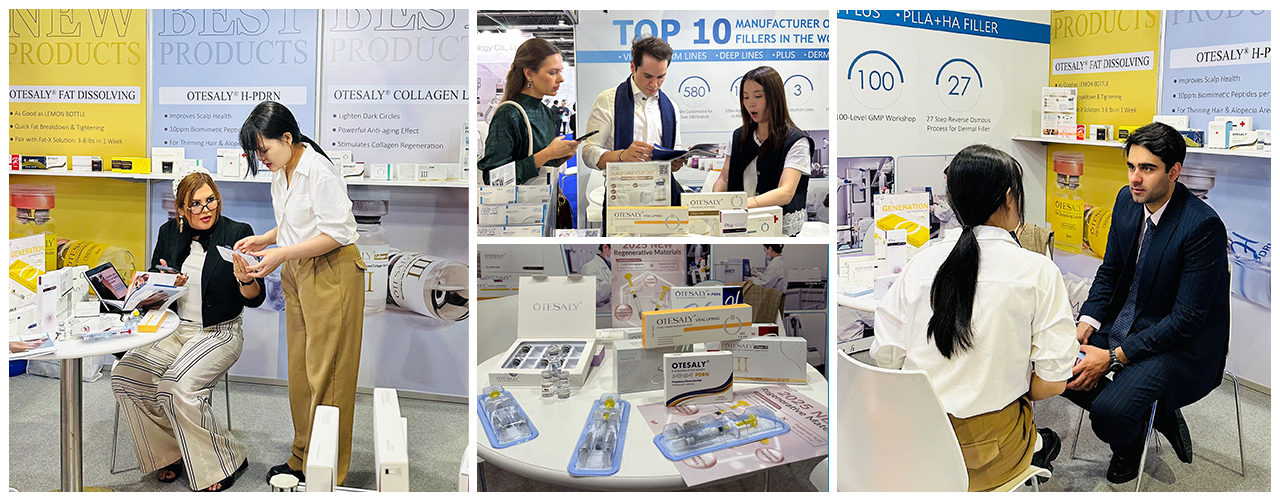 All AIMA injectable products carry CE certification and FDA VCRP registration, with dedicated regulatory support to help clients navigate local import requirements in their home markets.
Quality checks do not end once a product leaves the factory. A supplier that cuts corners on order flexibility, lead time transparency, or after-sales support can create just as many problems for your business as a contaminated product. If you are building a private label hair restoration line, or stocking products for a busy clinic, add these operational criteria to your checklist:
AIMA’s OEM/ODM services cover every step of the product launch process, from initial brand concept to finished, market-ready product. The team has delivered custom injectable solutions for more than 521 aesthetic brands across 47 countries, working with everyone from solo clinic owners launching their first in-house product line to global aesthetic brands scaling distribution across multiple regions. Unlike fly-by-night operators that treat every client the same, AIMA adjusts its support model to match each client’s size and goals, no arbitrary order minimums or rigid contract terms required.
Some clinic owners and brand builders ask if all these checks are really necessary, especially when they can find scalp injection products listed on B2B platforms for 30-40% less than certified, fully traceable options. Go back to that Dubai clinic chain mentioned earlier: the unvetted product they purchased was 35% cheaper per vial than the certified Hair Growth PDRN formula they later switched to, but the cost of that single bad batch was more than they would have saved over 6 years of purchasing the higher-quality option. The Polish startup that got stuck with non-compliant inventory? It calculated that the extra cost of sourcing from a GMP-certified manufacturer would have been 12,000 EUR less than the fees and lost revenue from that failed first launch.
Scalp injection treatments represent a massive growth opportunity for clinics and brands, as more patients seek non-surgical options for hair thinning and early-stage hair loss. That growth has attracted dozens of unvetted suppliers looking to make a quick profit with cut-rate, untested products. Working through this checklist for every potential supplier and product takes a few extra hours during the sourcing process, but it saves thousands in costs, protects your brand reputation, and ensures patients get the safe, effective results they come to you for.

Copyright @ 2026 AIMA International Group Co., Ltd.


