
Welcome to visit AIMA International Group
 Spain
Spain

Your browser version is too low, in order to ensure a better browsing experience,Please click to update to a higher version browser.
Talk about it later.XWelcome to visit AIMA International Group
Spain

.jpg)
Home > News > Industry Trends > Private Label Dermal Fillers: Launch Your Custom Aesthetic Brand With GMP-Certified OEM Solutions
Industry TrendsMia Carter, owner of a three-location medspa chain in Miami, Florida, thought she’d hit a home run when she found a dermal filler supplier offering private label units at 30% below the average market rate in 2022. The sales rep promised full regulatory support, fast shipping, and results identical to top name-brand fillers. She ordered 1,200 syringes, slapped her clinic’s logo on the boxes, and offered the product to regulars at a discount. Three months later, she was facing state medical board investigations and $147,000 in patient settlements after three clients developed persistent, painful nodules at injection sites. When she reached out to demand safety data sheets and compliance paperwork, the supplier had vanished.
Thousands of miles away in Germany, Lukas Weber was gearing up to launch his online aesthetic supply shop, Aurora Aesthetics, the same year. He planned to build his brand around his own line of custom dermal fillers, but every manufacturer he contacted required a minimum order of 3,000 to 10,000 syringes per SKU. That would have eaten 90% of his €75,000 startup budget before he made a single sale. He spent three months emailing suppliers, nearly scrapping his business plan entirely, before he found a partner willing to work with small initial runs.
These stories aren’t outliers. They’re the norm for new brands and clinics trying to break into the private label dermal filler space without doing their homework on manufacturing partners. The global dermal filler market hit $5.2 billion in 2023, with private label lines capturing a growing share of sales as clinics and small brands look to cut out big-name markup and build direct customer loyalty. But cutting corners on sourcing doesn’t save money long term, and rigid supplier terms can kill a promising brand before it ever gets off the ground.
Private label dermal fillers are hyaluronic acid (or other biocompatible gel) formulations produced in a GMP-certified facility, then customized and branded for individual clinics, e-commerce stores, and aesthetic distributors. Instead of spending tens of millions of dollars building clean rooms, running clinical trials, and sourcing medical-grade raw materials, brands work with an experienced manufacturer to tweak formulations, design custom packaging, and launch products under their own name, for a fraction of the cost of building a production line from scratch.
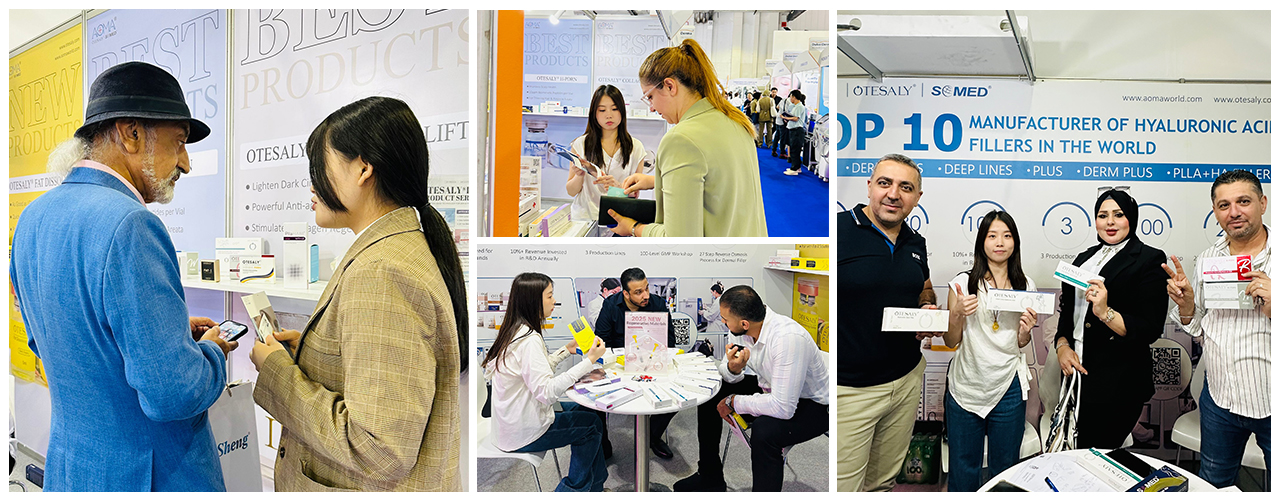
Data from the American Society of Plastic Surgeons shows dermal filler procedures hit 4.2 million in the U.S. in 2023, a 62% jump from 2019 numbers. Walk any aesthetic trade show floor, from AMWC Miami to the Dubai World Trade Centre’s annual beauty expo, and you’ll see dozens of new private label filler brands launching every year. We connected with dozens of these founders during the 2024 Dubai Beauty Exhibition, where our team showcased updated filler formulations with reduced swelling post-injection. Seven out of 10 founders we spoke to listed three core frustrations with past manufacturing partners: hidden compliance gaps, sky-high minimum order requirements, and lead times so long they missed peak sales windows.
Most new brand owners go into the private label process focused solely on per-unit cost. That narrow focus leaves them exposed to risks that can sink their business overnight, as Mia learned the hard way. After her bad experience with the unvetted supplier, she worked with a medical compliance consultant to map out the most common gaps that lead to adverse events and regulatory action:
Some of these pitfalls are easy to spot if you know what to ask for. Others only show up months after you place an order, when you’re already locked into a supplier contract.
You wouldn’t let an unlicensed provider inject fillers for your clients. You shouldn’t trust an unvetted manufacturer to produce the products that carry your brand’s name. There are a handful of hard standards any reliable partner will meet, no exceptions.
First, look for proven expertise in core filler formulation technology. The gold standard for modern HA fillers is NASHA (Non-Animal Stabilized Hyaluronic Acid), a production process that creates highly biocompatible HA gels with an allergic reaction rate of less than 0.02%, compared to 1-2% for older animal-derived HA products. Top manufacturers also use proprietary crosslinking tech to improve gel performance — for example, the HICE (High-Concentration Interpenetrating Crosslinking Engineering) process creates gels with higher cohesion, so filler stays placed where it’s injected instead of migrating to surrounding tissue, cutting down on the overfilled, doughy look that turns patients away from filler treatments.
Next, verify production and quality credentials. A legitimate dermal filler manufacturer will operate hundred-level GMP clean rooms, follow ISO 13485 quality management systems for medical devices, and adhere to Class III medical device production protocols. They will source raw materials only from suppliers with CE and GMP certification, and run every batch through third-party testing from firms like SGS to check for purity, crosslinker residue, and endotoxin levels. Be wary of any supplier that claims their private label fillers hold full FDA medical device approval — that approval is tied to specific brand-named products, not white label formulations. The baseline for legal marketing of private label HA fillers in the U.S. is FDA VCRP (Voluntary Cosmetic Registration Program) registration, paired with full safety data sheets for every batch.
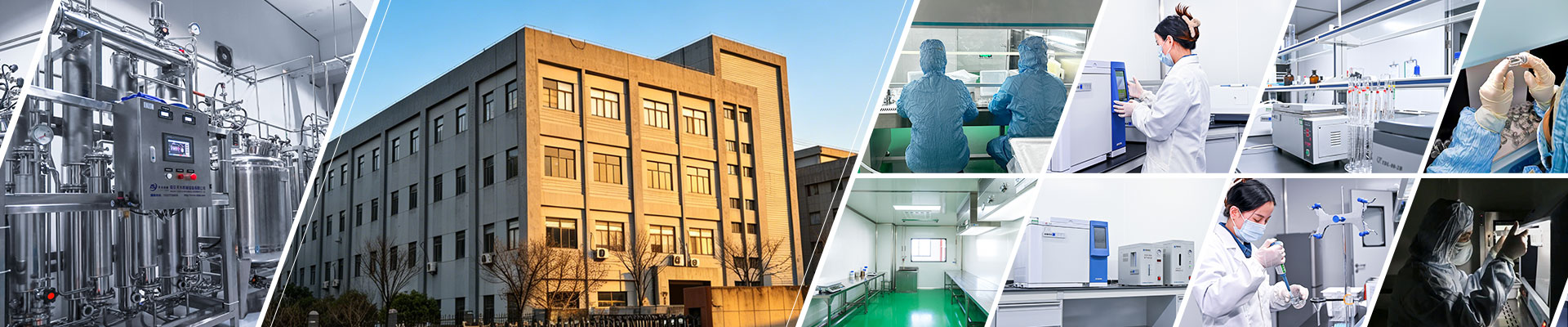
AIMA International Group Co., Ltd., the manufacturer operating supplierfiller.com, has produced medical aesthetic products since 2003, earning recognition as one of the top 10 dermal filler manufacturers globally. Its 4,800 square meter modern production base houses three dedicated production lines in hundred-level GMP clean rooms, with an annual production capacity of 5 million syringes and monthly output of up to 50,000 units.
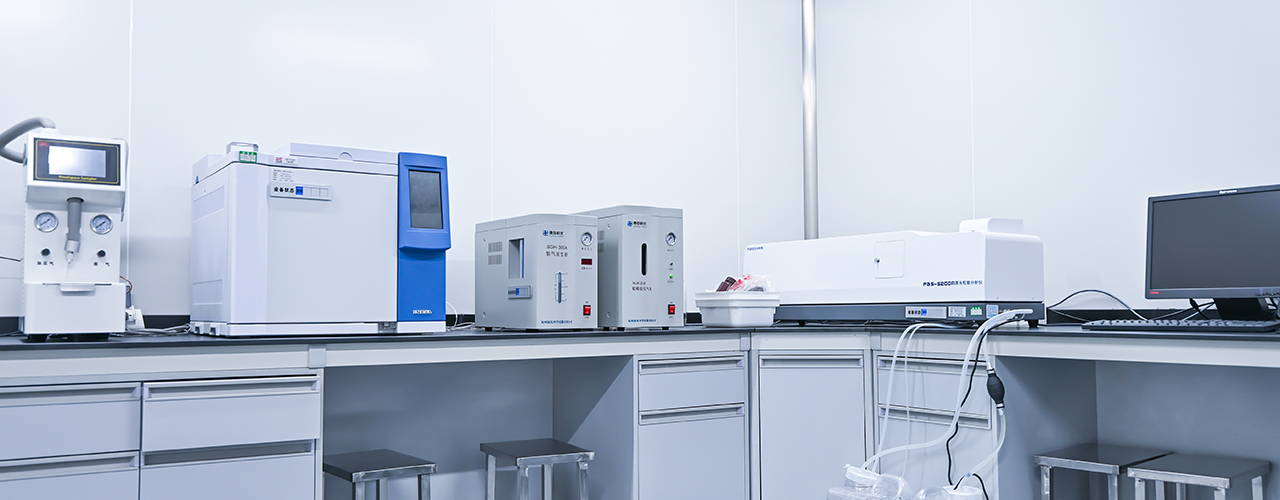
The company holds full ISO 13485 certification, meets Class III medical device production standards, has EU CE certification for its filler lines, and is registered with the FDA VCRP program. Its R&D team holds patents for both NASHA and HICE production processes, with a library of more than 1,000 mature filler formulations to draw from for private label clients. All raw HA material is medical-grade non-animal sourced, priced at $45,000 per kilogram for 99% purity, with every batch tested by independent third parties to meet global safety standards.
Brands just starting out with private label fillers often make the mistake of launching 5 or 6 specialized SKUs at once, tying up cash in niche formulations that sell slowly. The smartest launch strategy starts with one versatile, high-demand SKU that works for the most common patient requests, then expands as you build a repeat customer base.
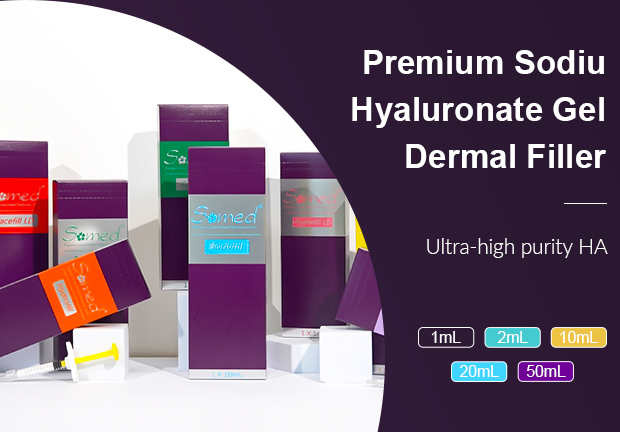
For most brands, that anchor SKU is Facefill Lidocaine, one of the most popular formulations available for private label through supplierfiller.com.
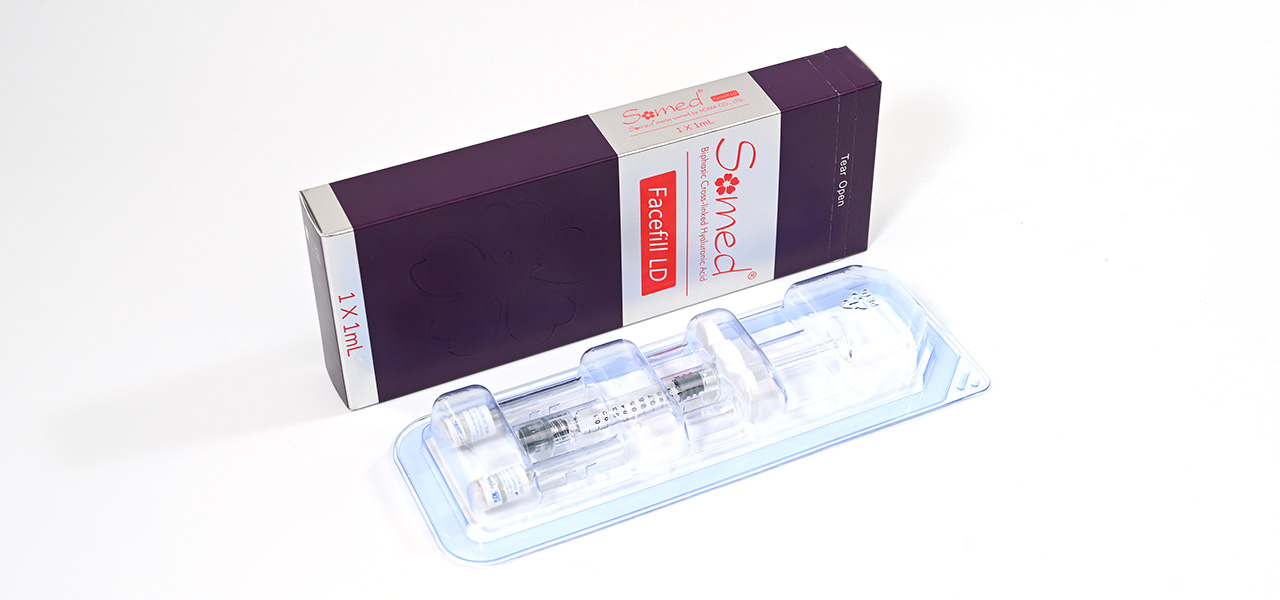
Formulated with NASHA-processed 12mg/ml HA and 0.3% lidocaine, Facefill Lidocaine is designed for mid-dermal injection to treat nasolabial folds, mild cheek volume loss, perioral lines, and marionette lines. The integrated lidocaine cuts injection pain by 70% compared to lidocaine-free fillers, so most patients don’t need pre-treatment numbing cream, cutting down appointment times for clinics. The gel has a smooth, consistent push force that makes it easy for injectors to place accurately, with enough cohesion to stay in place for 8-12 months without migrating or creating an unnatural, overfilled look. The formulation already holds full CE certification, with complete SGS test reports, biocompatibility data, and safety dossiers available for all private label clients, cutting down the time and cost of getting products registered for sale in local markets.
That’s the exact SKU Lukas chose for his first launch with AIMA. Because the company offers no-MOQ-pressure flexible terms for new brands, he was able to place an initial order of just 200 syringes to test demand with his email list of 1,200 aesthetic providers. He sold out in 12 days, then placed a 1,000-unit reorder two weeks later. In his first year of operation, he hit €1.2 million in revenue, with Facefill Lidocaine making up 45% of his total sales. He’s since expanded his line to include lip-specific fillers, volumizing formulas for cheek and chin placement, and skinboosters, all manufactured through the same partner.
A lot of first-time brand owners expect the private label process to be complicated, requiring multiple vendors and months of back and forth. With a full-service manufacturer, the process is streamlined to cut down on launch timelines, even for founders with no prior product development experience.
To date, the team at supplierfiller.com has created custom private label solutions for more than 521 brands across 62 countries, ranging from single-location medspas placing small initial orders to large multinational distributors placing 6-figure bulk orders every quarter. Mia, the Miami medspa owner who lost $147,000 to an unvetted supplier, now works with the team to produce her own clinic-branded line of Facefill Lidocaine, with full compliance documentation on file for every batch. She says the line now makes up 30% of her clinic’s total service revenue, with zero adverse events reported in two years of use.
You will always find suppliers offering cheaper per-unit prices on unvetted B2B platforms. Take a minute to calculate the cost of one patient adverse event, one regulatory fine, or one shipment of expired inventory you couldn’t sell because you were locked into a high MOQ. That small per-unit savings rarely covers even a fraction of those costs.
Building a private label dermal filler brand doesn’t require a seven-figure startup budget, a background in chemical engineering, or a team of compliance consultants on retainer. It does require partnering with a manufacturer that prioritizes patient safety, transparent terms, and long-term brand success over quick, low-quality sales. If you’re ready to stop reselling other brands’ products and start building equity in your own line, you can browse the full range of private label filler formulations, request samples, and get a custom quote tailored to your brand size and goals directly through supplierfiller.com.
Copyright @ 2026 AIMA International Group Co., Ltd.