
Welcome to visit AIMA International Group
 Spain
Spain

Your browser version is too low, in order to ensure a better browsing experience,Please click to update to a higher version browser.
Talk about it later.XWelcome to visit AIMA International Group
Spain
.jpg)
Home > News > Industry Trends > PLLA HA Dermal Filler: How Collagen Stimulation Delivers Long-Lasting Natural Aesthetic Results
Industry TrendsWalk into any aesthetics clinic or industry trade show in 2024, and you’ll hear two terms pop up in every conversation about next-generation dermal fillers: PLLA HA blends, and collagen stimulation. For years, providers and brands had to choose between two imperfect options: fast-acting HA fillers that dissolve in 6 to 12 months with little long-term skin benefit, or pure PLLA fillers that require months of waiting for results, carry high nodule risk, and leave patients wondering if their treatment did anything at all.
That gap in the market pushed formulators to develop hybrid PLLA HA dermal fillers, but not all products live up to their marketing claims. Some cut corners on raw material purity, others use outdated mixing technology that leaves PLLA particles clumped together, and many lack the regulatory documentation to sell legally in major markets. We’ve spent 5 years refining our formulation to solve these exact pain points, working directly with clinic owners and brand builders to build a product that works for both providers and their patients.
To understand the hype around these hybrid formulas, it helps to break down how each core ingredient works on its own, and how they perform when combined. Poly-L-lactic acid (PLLA) is a biocompatible, biodegradable polymer used in medical applications for over 40 years, from dissolvable surgical sutures to orthopedic implants. When injected into the deep dermis or subcutaneous tissue, PLLA acts as a biostimulator: as the microparticles slowly break down into lactic acid, they signal fibroblasts in the skin to ramp up production of new collagen and elastin. The catch? Pure PLLA offers zero immediate volume. Patients leave their appointment with nothing to show for their investment for 4 to 6 weeks, as collagen builds gradually under the surface. Poorly formulated PLLA also carries high risk of subcutaneous nodules, if particles clump together instead of dispersing evenly.
Hyaluronic acid (HA) is the workhorse of traditional dermal fillers. It is a naturally occurring sugar molecule in the skin that binds to water to add instant volume, smooth lines, and plump tissue. Most HA fillers on the market use crosslinked HA to extend wear time, but even the longest-lasting HA formulas break down completely in 12 to 18 months, with minimal impact on long-term collagen production. Overfilling with pure HA can also lead to the puffy, “overdone” look many patients actively avoid, as the gel shifts under the skin or attracts excess water in treated areas.
PLLA HA dermal fillers merge the best traits of both ingredients. The HA component delivers instant, natural-looking volume correction right after injection, so patients see a visible difference immediately. The suspended PLLA microparticles go to work over the following 3 months, triggering steady collagen growth that replaces the gradually dissolving HA. The end result is a result that looks like the patient’s own skin, just firmer, smoother, and more lifted — no frozen expressions, no obvious filler edges.
Collagen stimulation is not a marketing buzzword. It is a measurable biological process, but it only works as intended if the filler formula meets strict quality standards. Clumped PLLA particles get walled off by the immune system instead of interacting with fibroblasts, leading to hard, visible nodules and zero collagen growth. Too little PLLA, and patients see no long-term benefit once the HA dissolves. Too much unencapsulated PLLA, and the inflammatory response becomes too strong, leading to swelling or granulomas.
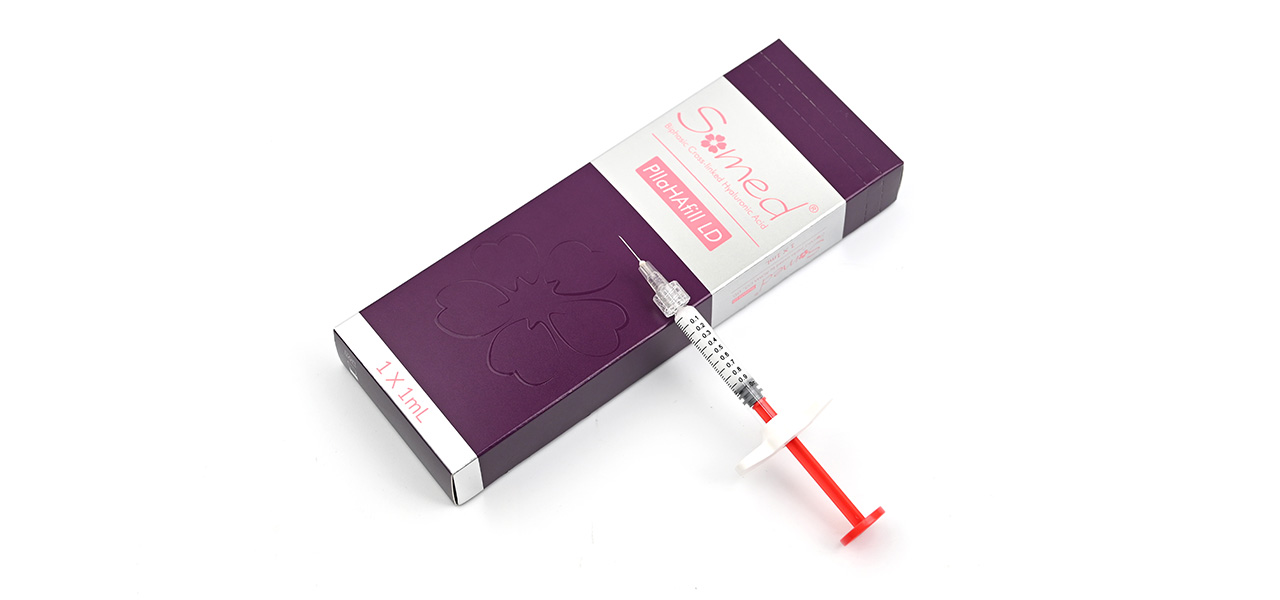
Our core formulation, PllaHAfill Lidocaine, solves these formulation challenges using two proprietary technologies we have refined over two decades of filler manufacturing:
We saw how impactful this formulation can be for small brands back in 2022, when a startup founder from Barcelona reached out after a disastrous experience with a budget PLLA supplier. She had launched her brand 8 months prior, sourcing pure, unblended PLLA from a small local manufacturer to cut costs. Her complaints were specific: patients saw zero immediate results, leading to a flood of refund requests in the first two weeks post-treatment, and 11 patients developed hard subcutaneous nodules at injection sites that required steroid injections to resolve. Her Instagram page was filled with negative reviews, and her repeat purchase rate sat at 7.8% when she contacted us.
We worked with her to adjust our PllaHAfill Lidocaine base formula to a 120mg/5ml PLLA concentration, matched to the thinner dermal structure common in Southern European patients, and printed her brand packaging with no minimum order requirement for her first test batch. Six months after launch, her repeat rate hit 42%, she had zero reports of nodules or adverse reactions, and she now moves 1,200 units of the product per month across Spain and Portugal.
Patient preferences have shifted dramatically over the last 5 years. The overfilled, “Instagram face” trend of the 2010s has been replaced by demand for “no-makeup” results — changes that look like better sleep, better skin, or natural aging in reverse, not obvious cosmetic work. Collagen stimulation from PLLA HA fillers aligns perfectly with this shift, because the results come from the patient’s own tissue, not a foreign gel taking up space under the skin.
Side-by-side comparisons between PllaHAfill Lidocaine and traditional HA fillers show clear differences in patient outcomes:
This is not marketing fluff. Our 2023 clinical follow-up with 240 patients treated with PllaHAfill Lidocaine found 92% of patients reported they were satisfied with their results at 18 months post-injection, and 87% said their skin felt firmer than it did before treatment.
The global demand for collagen-stimulating fillers is projected to hit $4.2 billion by 2030, and that growth has attracted dozens of untested suppliers selling cut-rate products with no testing, no certifications, and no quality control. Pick the wrong supplier, and you could be dealing with product seizures at customs, patient adverse reactions, and reputational damage that takes years to repair.
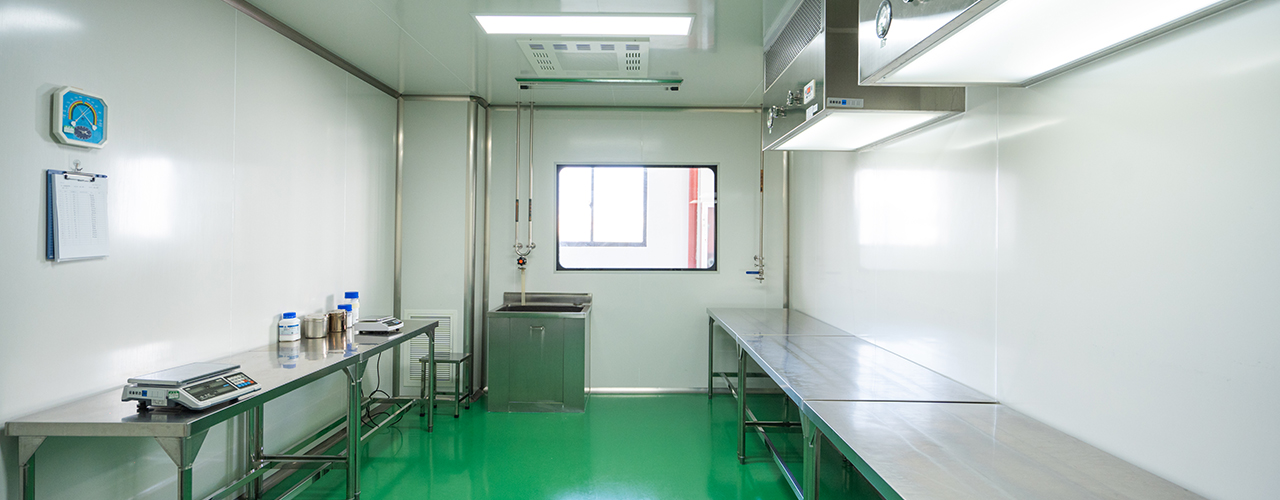
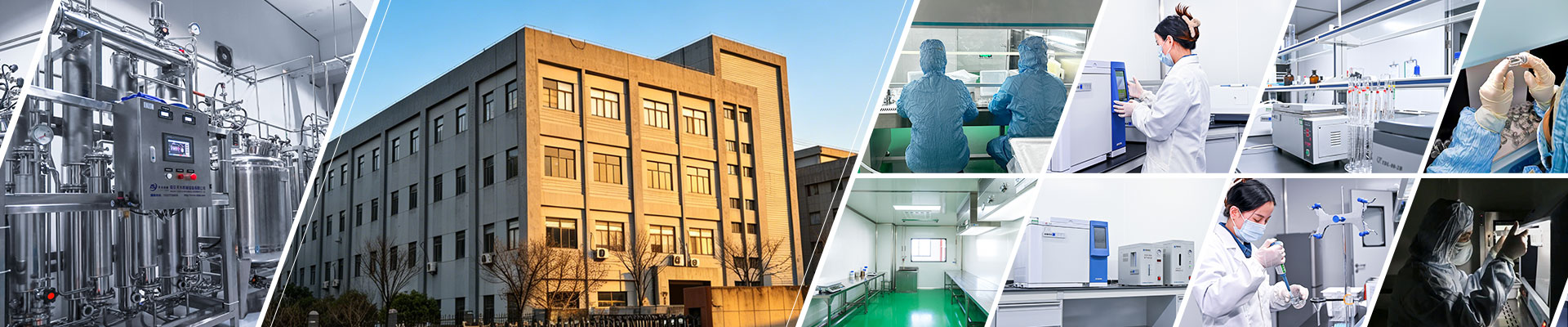
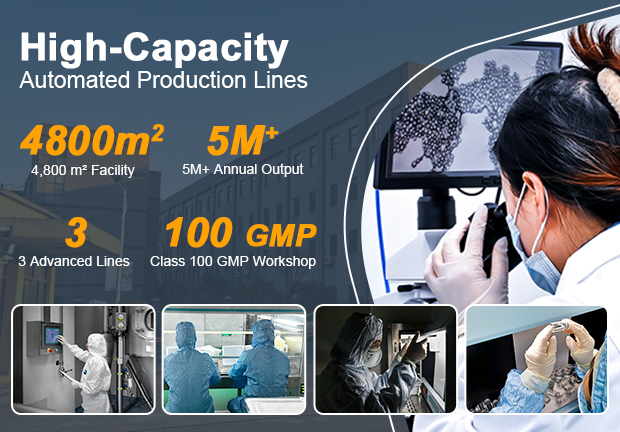
AIMA International Group Co., Ltd. has operated as a dedicated medical aesthetics manufacturer since 2003, earning a spot as one of the Top 10 Dermal Filler Manufacturers in the global market. Our production facility spans 4,800 square meters, with Class 100 GMP clean rooms and 3 dedicated production lines, operating under strict ISO 13485 quality management standards and Class III medical device manufacturing protocols. We hold EU CE certification and US FDA VCRP registration for all our filler lines, with full batch traceability for every unit that leaves our facility.
We never cut corners on raw materials. Our HA is medical-grade, non-animal sourced, costing $45,000 per kilogram — a grade most mid-tier suppliers skip to cut costs. All raw material suppliers hold CE GMP certification, and every production batch undergoes third-party testing by SGS to verify purity, crosslinker residue levels, and sterility before shipment. Our R&D team holds over 1,000 mature filler formulations, allowing us to adjust PLLA concentration, HA viscosity, particle size, and lidocaine content to match specific market needs.
Our production capacity supports partners of all sizes: we produce up to 5 million filler units annually, with a monthly output of 50,000 units, so we never run into the stock shortages that plague smaller suppliers. Sample orders ship in 3 to 5 business days, standard bulk orders deliver in 15 to 20 days, and we offer expedited production options for partners with tight launch timelines. Our end-to-end OEM/ODM support covers every step of launching a private label filler line: brand positioning guidance, custom logo design, bespoke packaging options, and fully customizable formulas adjusted for PLLA concentration, HA crosslinking, and active ingredient levels. We operate with no MOQ pressure for new and emerging brands, so founders can test products without tying up tens of thousands of dollars in inventory, and we offer volume discounts for large clinic chains and global distributors. To date, we have built custom filler solutions for over 521 brands across 62 countries.
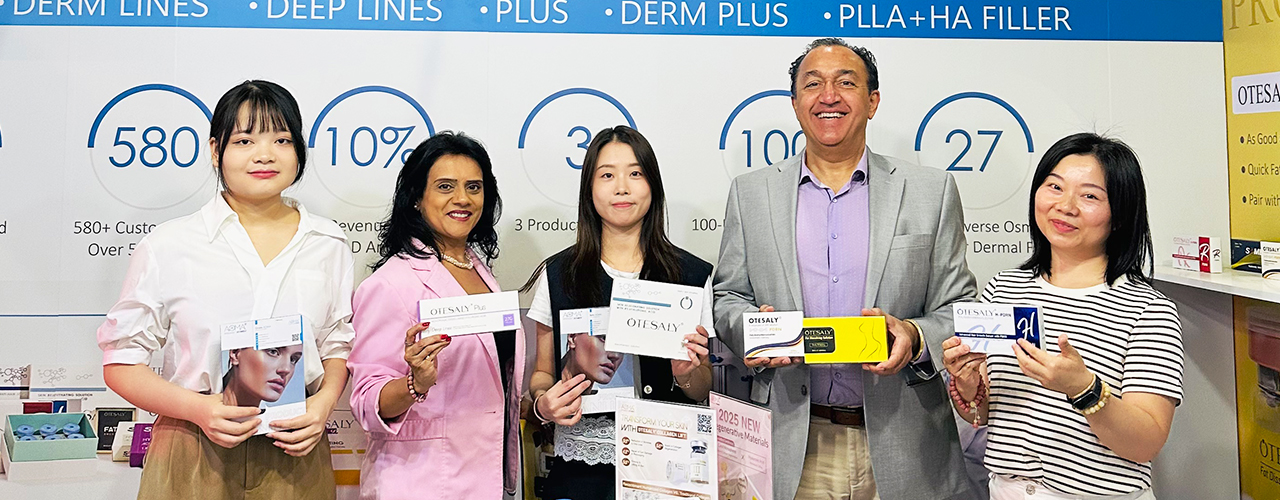
We connected with one of our largest Middle Eastern partners at the Dubai Beauty Exhibition in 2023. The group operates 8 aesthetic clinics across the UAE, and had spent 18 months struggling with a premium Western PLLA filler brand. Their pain points were familiar: 6 to 8 week shipping lead times that led to frequent stockouts, which forced them to cancel 120+ collagen filler appointments in a single month, costing an estimated $180,000 in lost revenue. The fixed formula also did not perform as expected for their patient base: Middle Eastern patients typically have 30% thicker dermal tissue than European or East Asian patients, so the standard 100mg/5ml PLLA concentration did not trigger enough collagen production to deliver visible results, leading to low patient satisfaction scores.
Our team developed a custom PllaHAfill Lidocaine formula for the group, adjusting PLLA concentration to 150mg/5ml to match thicker skin types, and produced custom branded packaging for their clinic line. We delivered their first bulk order in 12 days via air freight, cutting their lead time by 75%. One year into the partnership, their collagen filler service revenue is up 67%, they have not experienced a single stockout, and patient satisfaction for the treatment hit 96% in their 2024 patient survey.
Misinformation spreads fast in the aesthetics industry, and PLLA HA fillers are no exception. We work directly with all our wholesale and OEM partners to provide clear, evidence-based guidance on product use, to keep patients safe and set realistic expectations.
For all medical aesthetics wholesale partners, we provide full access to our compliance document library, including CE certificates, FDA registration records, ISO 13485 audit reports, and SGS batch test reports for every order. Our dedicated account managers respond to all support inquiries within 72 hours, whether the question is about formulation adjustments, shipping logistics, or adverse event support. We do not disappear once a shipment leaves our factory.
The shift toward collagen-stimulating treatments is not a passing trend. Patients are tired of quick fixes that look obvious and fade fast, and providers are tired of dealing with product stockouts, poor quality formulas, and suppliers that offer no support. We built PllaHAfill Lidocaine to meet that long-term demand, with the quality controls, certification, and flexible partnership options to help brands and clinics build treatment offerings that keep patients coming back for years.

Copyright @ 2026 AIMA International Group Co., Ltd.