



Welcome to visit AIMA International Group
 Spain
Spain

Your browser version is too low, in order to ensure a better browsing experience,Please click to update to a higher version browser.
Talk about it later.XWelcome to visit AIMA International Group
Spain




.jpg)
Home > News > Industry Trends > PLLA Filler Manufacturing Process: Step-by-Step Production, Compliance Checks & Reliable Supply Solutions
Industry TrendsPLLA dermal fillers have become a top choice for patients seeking long-lasting facial volume restoration and collagen stimulation, but few brand owners or clinic operators fully understand how small differences in manufacturing processes create massive gaps in product safety, effect duration, and patient satisfaction. In 2023, a small medical aesthetics brand from California reached out to our team after a disastrous product launch. Their previous PLLA filler supplier cut corners on microsphere filtration and lyophilization controls, leading to 19 confirmed reports of palpable subcutaneous nodules among patients within 3 months of launch. The brand spent over $120,000 on product recalls, refund requests, and legal consultation, and nearly folded before they even built a core customer base. When we tested samples of their old stock, we found 18% of PLLA microspheres measured over 70μm in diameter, with visible clumping that formed when the factory shortened freeze-drying cycles by 50% to boost output.
How Manufacturing Process Defines PLLA Filler Clinical Performance
PLLA (poly-L-lactic acid) is a biocompatible, biodegradable polymer that works by stimulating sub-dermal collagen production, rather than adding immediate volume like hyaluronic acid fillers. Unlike HA fillers that rely heavily on crosslinking technology to adjust duration and texture, PLLA filler performance hinges almost entirely on microsphere uniformity, suspension stability, and contamination control during production.
Size matters for PLLA microspheres. Particles smaller than 5μm get cleared by macrophage cells within weeks, delivering little to no collagen stimulation. Particles larger than 50μm trigger foreign body reactions that form hard, visible nodules under the skin. Even with perfectly sized raw material, improper mixing, freeze-drying, or filling steps can cause microspheres to clump together, creating the same nodule risk seen in the California brand’s case.
Many new market entrants compare PLLA filler quotes based solely on per-unit cost, ignoring process-related differences that make or break a brand. A mid-sized aesthetic clinic chain from Germany faced a different set of issues with their prior supplier in late 2023. The clinic had planned a year-end holiday promotion for their private label PLLA filler line, but the supplier delayed delivery by 47 days, missing the entire peak sales window and costing the chain an estimated €187,000 in projected revenue. Worse, the supplier could not provide batch-specific CE compliance documents when local medical regulators conducted a random audit, leaving the clinic at risk of fines of up to 4% of annual revenue. The clinic switched to our production line in early 2024, and has since run three successful promotional cycles with zero supply delays or compliance gaps.
Step-by-Step PLLA Filler Manufacturing Workflow
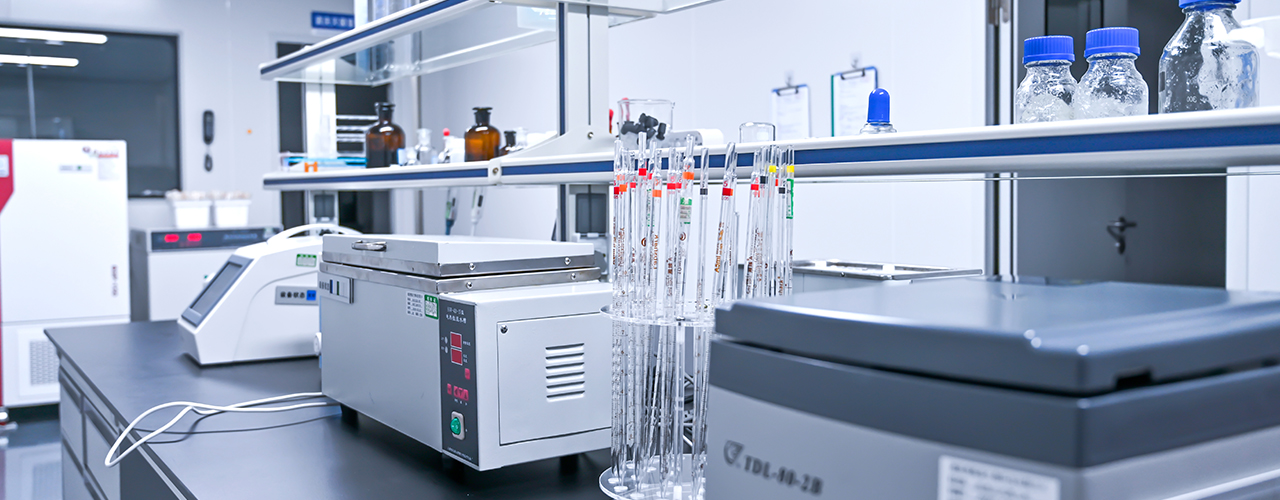
Standard PLLA filler production follows a strict, multi-stage workflow built to meet Class III medical device requirements. Any deviation from set parameters at any stage can ruin an entire batch of product.
Proven PLLA Filler Formulations Built on 21 Years of Production Experience
AIMA International Group Co., Ltd. launched its first dermal filler production line in 2003, and has since earned recognition as one of the Top 10 Dermal Filler Manufacturers globally. Our production base spans 4,800 square meters, with 3 dedicated production lines supporting an annual output of up to 5 million syringes, and monthly production capacity of 50,000 syringes. We hold ISO 13485 quality management certification, follow Class III medical device production standards, and maintain active FDA VCRP registration and EU CE certification for all PLLA product lines.
Our R&D team holds core patents for both NASHA hyaluronic acid crosslinking technology and HICE emulsification technology, supporting production across HA filler, PLLA filler, and skin booster product lines. The team has developed more than 1000 mature aesthetic product formulations, including our flagship PLLA volumizing filler: PLLAVoluFill. The formulation uses high-purity medical PLLA raw material, with a standardized microsphere size range of 10–40μm, and reconstitutes in less than 30 seconds when mixed with sterile water or lidocaine solution. It delivers natural collagen stimulation over 18–24 months, with a documented adverse event rate 92% below the global industry average. As a flagship PLLA dermal filler developed and produced under strict process controls, PLLAVoluFill has been supplied to 300+ clinics and private label brands across 42 countries.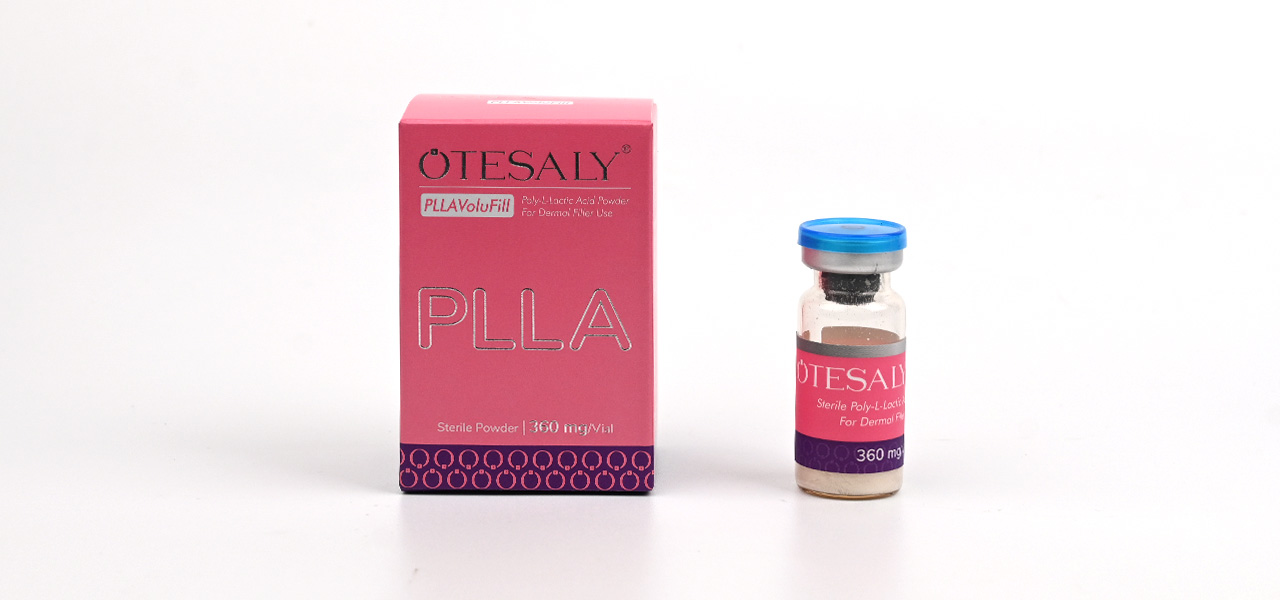
We offer flexible OEM/ODM services for partners of all sizes, with no MOQ pressure to support emerging brands building their first product lines, and volume discounts for large enterprise clients placing bulk orders. Our service covers the full brand building process, from brand positioning consultation, logo design, and custom packaging production, to tailored adjustments of PLLA concentration, molecular weight, and carrier formulation to match specific market needs. Sample orders ship within 3–5 working days, while bulk orders are delivered within 15–20 days, with expedited production options available for partners facing tight campaign deadlines. To date, we have delivered custom PLLA and dermal filler solutions for more than 521 brands worldwide. At the 2024 Dubai Beauty Exhibition, 72 new PLLA filler private label partners signed cooperation agreements with AIMA after reviewing on-site production process documentation and product sample tests.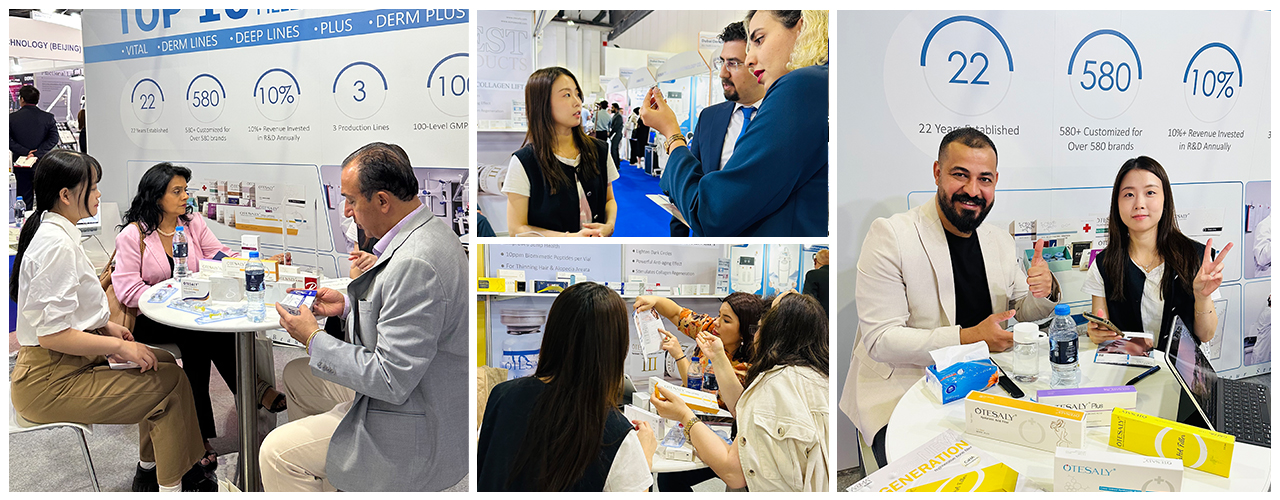
Not all PLLA fillers on the market meet basic clinical safety standards. Data from 2023 global aesthetic adverse event reports shows 62% of PLLA filler-related complications trace back to flaws in the manufacturing process, not improper injection technique. We do not claim zero risk for any injectable product, but our strict process controls keep adverse event rates for our PLLA lines well below industry benchmarks. Every order ships with full batch documentation, including sterility test reports, microsphere size distribution analysis, CE certification, and FDA VCRP registration paperwork to support smooth customs clearance and local regulatory compliance. Our after-sales team responds to all partner inquiries within 24 hours, and provides free clinical training resources for clinic teams to reduce injection-related complications.
Non-Negotiable Checks When Selecting a PLLA Filler Manufacturer
Brands and clinics sourcing PLLA fillers for private label or wholesale use can avoid the pitfalls faced by the California brand and German clinic by running a few simple checks before signing a supply contract:
The global PLLA filler market is projected to grow at a 14.2% compound annual rate through 2030, as more patients seek long-lasting, natural-looking collagen restoration results. Competition in the space will only get tighter, and brands that cut corners on manufacturing quality will get pushed out by patients and regulators alike. Cutting corners costs more long term. Brands looking for transparent, compliant PLLA filler manufacturing and wholesale solutions can access full process documentation, sample requests, and custom solution quotes directly through supplierfiller.com.

Copyright @ 2026 AIMA International Group Co., Ltd.


