
Welcome to visit AIMA International Group
 Spain
Spain

Your browser version is too low, in order to ensure a better browsing experience,Please click to update to a higher version browser.
Talk about it later.XWelcome to visit AIMA International Group
Spain
.jpg)
Home > News > Industry Trends > NASHA Technology for Hyaluronic Acid Fillers: Production Standards, Performance, and OEM/ODM Supply Solutions
Industry TrendsHyaluronic acid (HA) fillers rank as the most requested minimally invasive aesthetic treatment globally, with over 4.3 million procedures recorded in 2023 alone. Not all HA fillers deliver the same safety profile or results, though. The production technology used to create the HA gel directly impacts adverse reaction rates, longevity, and natural look of final results. NASHA technology remains the gold standard for premium HA filler production, yet widespread misinformation and counterfeit products make it hard for brands and clinic owners to source reliable, compliant options.
NASHA stands for Non-Animal Stabilized Hyaluronic Acid, a production process first developed to eliminate the safety risks of early HA fillers sourced from animal tissue (most commonly rooster combs or bovine vitreous humor). The process uses precision fermentation of non-pathogenic, genetically modified Streptococcus bacteria to produce HA molecules identical to the hyaluronic acid found naturally in human skin, then uses controlled crosslinking to bind free HA molecules into a stable, three-dimensional gel matrix.
True NASHA production requires tight control over every step: fermentation temperature, purification cycles, crosslinker (BDDE) concentration, reaction pH, and sterilization parameters. Cut corners on any of these steps, and the final product can carry high levels of residual protein, unreacted crosslinker, or uneven gel structure that causes lumps, swelling, or granulomas after injection. Global regulatory standards for NASHA-grade HA fillers require BDDE residual levels below 0.5μg/g, protein residue below 0.1μg/g, and endotoxin levels below 0.5EU/ml — thresholds many unregulated manufacturers fail to meet.
In 2022, we worked with a startup brand founder from Barcelona, Spain, who learned this lesson the hard way. She spent six months building trust with local dermatology clinics, investing €120,000 in social media marketing for her new HA filler line marketed as “NASHA-grade.” Three months after launch, she received 47 customer complaints: patients developed hard lumps, persistent redness, and in three cases, granulomatous reactions 7-14 days post-injection. Third-party SGS testing revealed the filler was made with porcine-sourced animal HA, with protein residue hitting 120μg/g and BDDE residual levels 17 times the regulatory limit. The product was not made with NASHA technology at all. Her brand’s review score dropped to 2.1/5, and she nearly shut down operations before reaching out to our team for a legitimate supply solution.
Properly produced NASHA-based HA fillers deliver measurable advantages over non-NASHA alternatives, backed by decades of clinical data. These benefits translate directly to better patient outcomes and higher satisfaction for clinics and brands:
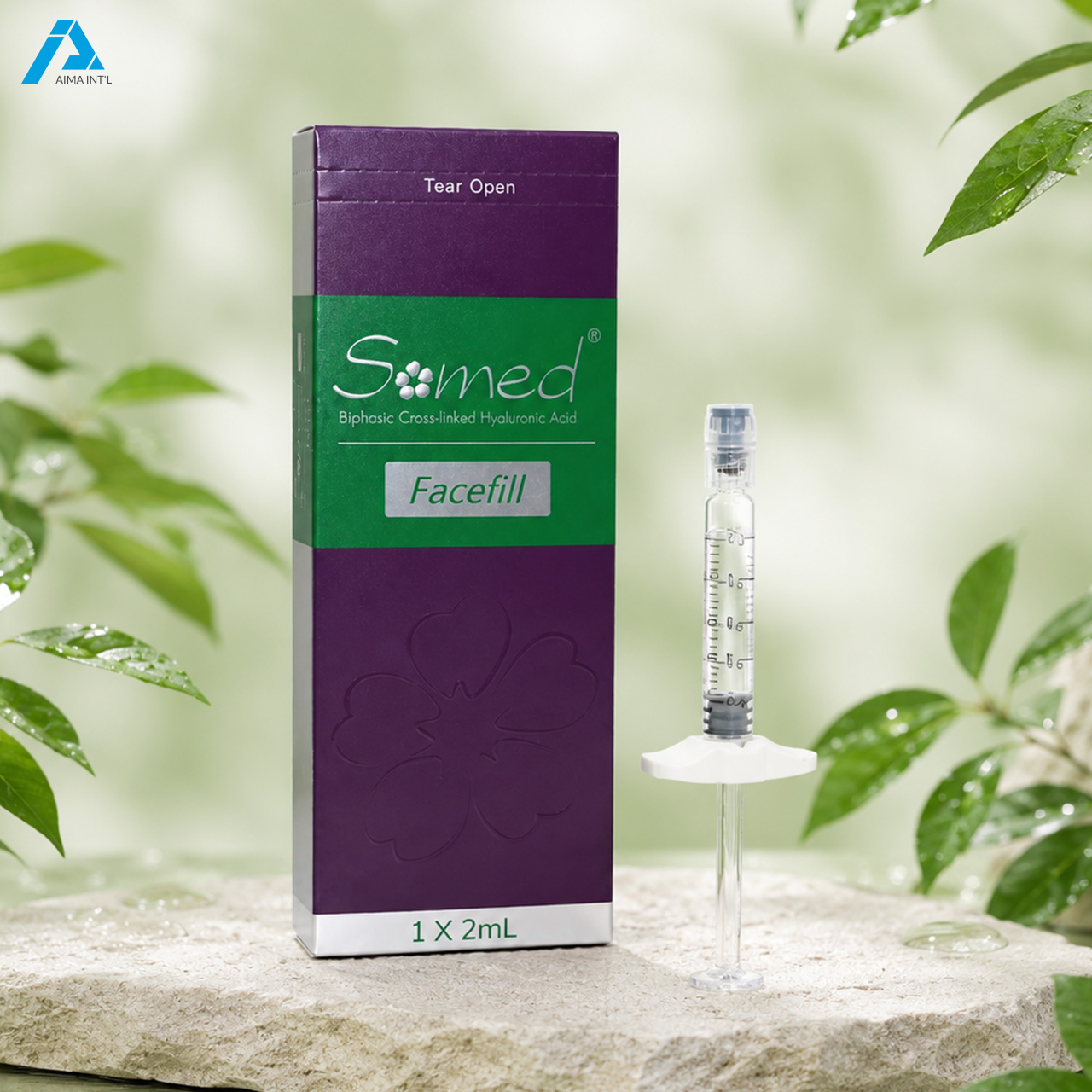
Founded in 2003, AIMA International Group Co., Ltd. — the manufacturer behind supplierfiller.com — is a dedicated medical aesthetic product manufacturer offering end-to-end OEM/ODM services for global partners, with core intellectual property in both NASHA and HICE production technologies for HA-based products. The company has refined NASHA production workflows for hyaluronic acid fillers since 2010, with its flagship facial filler line Facefill built entirely to strict NASHA process standards.
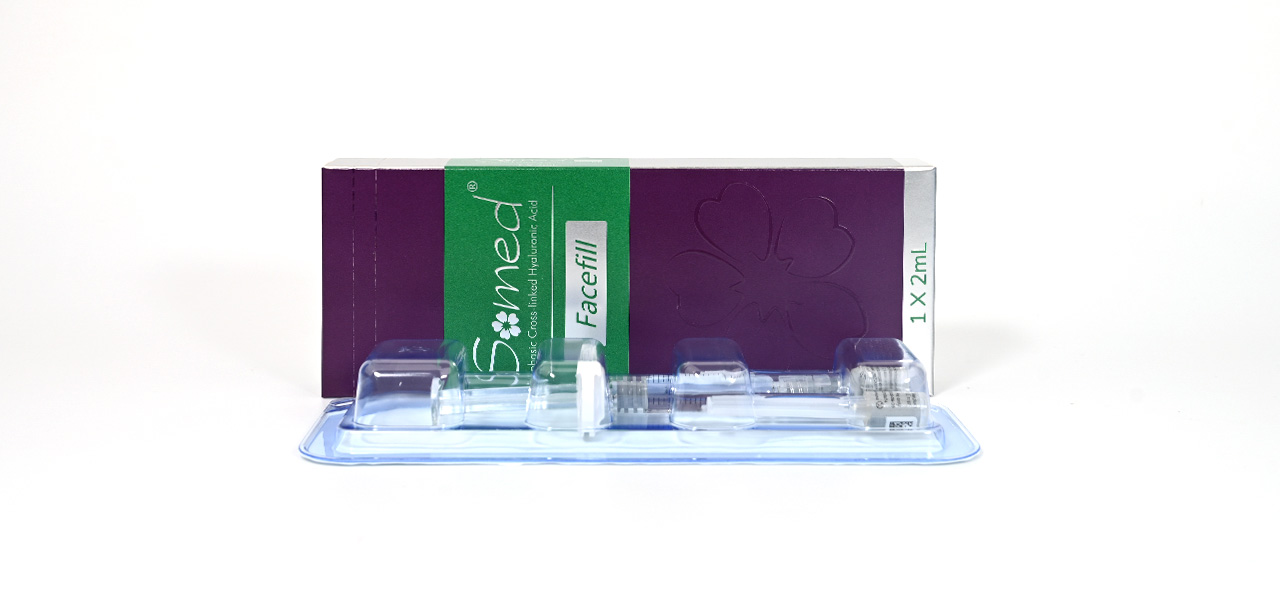
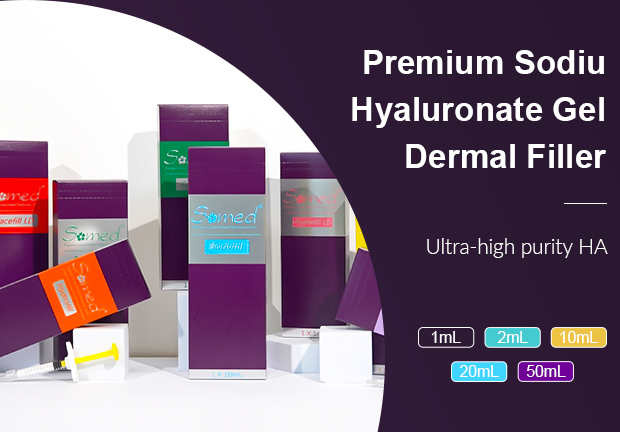
Manufactured with high-purity medical-grade non-animal hyaluronic acid sourced from CE GMP-certified suppliers (raw material valued at $45,000 per kilogram), every batch of Facefill undergoes regular third-party testing by SGS to verify purity, residual content, and biocompatibility. The line includes three distinct gel density formulations to match different injection depths: low-density gel for fine lines like periorbital wrinkles and lip lines, medium-density gel for moderate folds like nasolabial folds and marionette lines, and high-density gel for deep volume restoration in the cheeks, temples, and jawline. With over 1000 mature formulations in our R&D library, we can adjust gel elasticity, crosslinking ratio, and even add lidocaine for pain reduction based on partner requirements, without compromising the core stability of the NASHA gel structure.
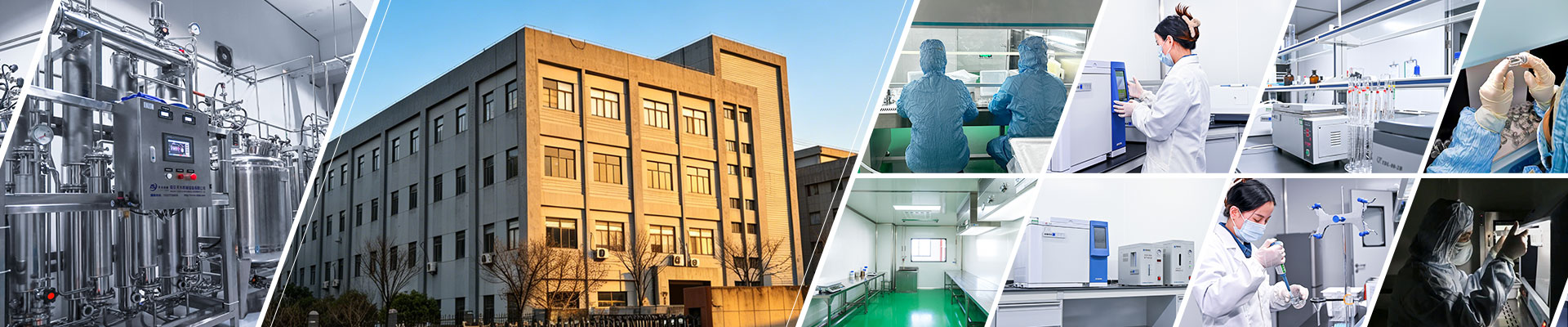
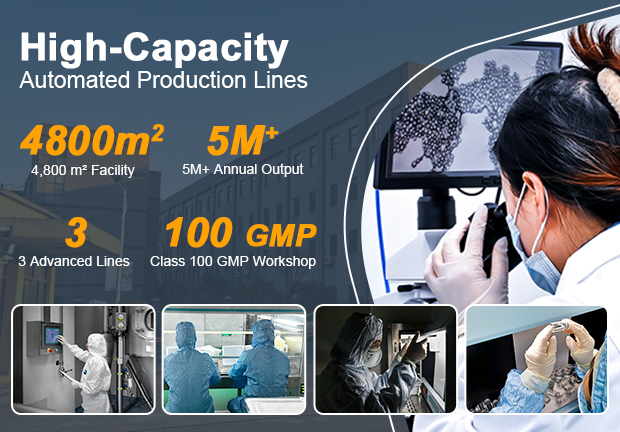
Consistent NASHA filler quality does not come from cheap, unregulated workshop production. It requires strict environmental control, automated production lines, and standardized quality checkpoints at every step. AIMA operates a 4,800-square-meter modern production base outfitted with Class 100 GMP clean rooms — a cleanliness level matching the standard for ophthalmic surgical products, two grades higher than the Class 10,000 standard used for most cosmetic production — and three dedicated filler production lines that automate filling, sealing, and sterilization to eliminate contamination risks from manual handling.
The facility supports an annual output of up to 5 million syringes, with a steady monthly production capacity of 50,000 syringes. This scale creates flexibility that most smaller manufacturers cannot match: we can accommodate large-volume annual contracts for global beauty conglomerates, while also making space for small-batch orders from independent brands. Our cooperation model includes No MOQ Pressure for emerging brands testing new product lines, paired with tiered bulk discounts for enterprise clients placing large annual orders.
In 2023, a procurement lead from a leading Dubai-based medical aesthetic chain reached out with a common pain point for Middle Eastern market players. The chain wanted to launch its own branded hyaluronic acid filler, formulated with higher gel elasticity to match the thicker dermal structure common among local patients, who often seek stronger support for defined jawlines and prominent cheek volume. The two global filler brands they previously contacted required a minimum order of 50,000 syringes per SKU, offered no custom formulation adjustments, and quoted a 90-day lead time — a timeline that would make it impossible to launch the product during the annual Dubai Beauty Exhibition, a key event that draws thousands of clinic owners and aesthetic practitioners from across the MENA region. The chain only needed 1,200 syringes for initial test sales and event demos, a volume too small for large manufacturers to prioritize.
Our team worked with the client to adjust the G’ (elastic modulus) of our Facefill formulation to 280Pa, the exact level needed for optimal support in thicker facial tissue, activated our low-MOQ cooperation channel, and completed production, custom packaging, and quality checks in 18 days — delivering the order three days before the exhibition opened.
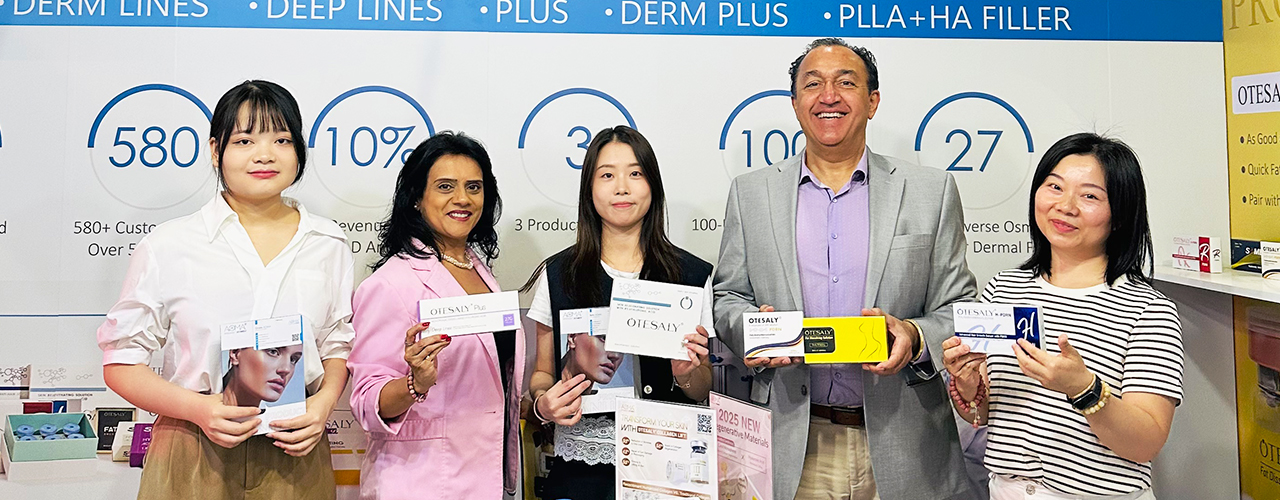
The chain ran live demo injections at their booth, signed trial orders with 27 local clinics during the show, and has since signed a 120,000-syringe annual supply contract with our team. Stories like this are common across our partner network: flexible terms and production speed do not mean cutting corners on NASHA process quality, it means building systems that meet the actual needs of brands operating in a competitive, fast-moving market.
The global HA filler market is rife with mislabeled products. Many traders fill syringes with cosmetic-grade HA, label them as NASHA-grade medical fillers, and sell them without any regulatory documentation, leaving brand partners fully liable for any patient injuries or regulatory penalties. As an awardee of the “Top 10 Dermal Filler Manufacturers” industry title, AIMA builds trust with partners through full transparency around quality and compliance:
NASHA technology has been on the market for decades, so it is fair to ask why product performance varies so widely between suppliers. The difference lives in small, easy-to-skip process details. Three fewer purification cycles during HA production can increase protein residue by 100 times. A 5-degree temperature shift during crosslinking can change gel push force by 30% and alter degradation rates significantly. Many suppliers claim to use NASHA technology, but cannot produce clean room validation reports, third-party raw material test data, or medical device production qualifications. Those suppliers trade patient safety for lower production costs.
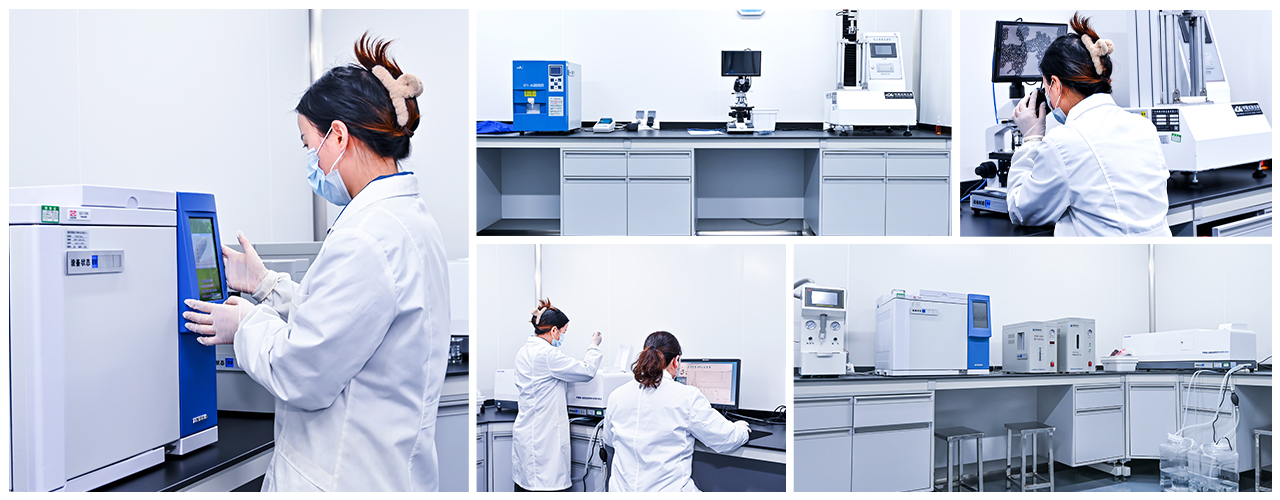
Every batch of Facefill goes through three rounds of mandatory testing before release: raw material incoming testing to verify HA molecular weight, purity, and endotoxin levels; semi-finished gel testing to check rheological parameters, crosslinker residue, pH, and osmolality; and final finished product testing after sterilization to confirm sterility, seal integrity, and consistent push force. Over 12 years on the market, Facefill has been used in more than 12 million clinical procedures, with a recorded severe adverse reaction rate of less than 0.01%, well below the global industry average.
Brands searching for reliable NASHA-based hyaluronic acid filler suppliers do not need to trade flexibility for quality, or pay premium prices for overhyped branded products with identical core formulations. Working directly with a GMP-certified manufacturer that owns core NASHA production intellectual property lets brands build product lines that match their target market’s needs, with full compliance support to enter regulated medical aesthetic markets globally. All product information, sample requests, and OEM/ODM consultation is available directly through supplierfiller.com, with transparent pricing and clear lead times provided for every inquiry. To date, the team has delivered custom NASHA HA filler solutions for over 521 brands across 62 countries, holding a 96% partner retention rate over the past 10 years.
Copyright @ 2026 AIMA International Group Co., Ltd.