
Welcome to visit AIMA International Group
 Spain
Spain

Your browser version is too low, in order to ensure a better browsing experience,Please click to update to a higher version browser.
Talk about it later.XWelcome to visit AIMA International Group
Spain
.jpg)
Home > News > Industry Trends > NASHA Technology Fillers: Premium Stabilized HA Filler Solutions for Global Aesthetic Brands & Clinics
Industry TrendsIf you have sourced dermal fillers for your clinic or private label brand in the last 5 years, you have almost certainly seen “NASHA technology” listed on product spec sheets from dozens of suppliers. How many of those suppliers can actually prove their NASHA processing meets global medical device standards, rather than slapping the term on packaging to justify a higher price point?
Early hyaluronic acid fillers, first released in the 1980s, were extracted from rooster combs. The process carried high risks of allergic reaction, as residual animal proteins could trigger immune responses in 3-5% of patients. The formula also broke down in the body in 4-6 weeks, requiring frequent touch-ups that made treatments unaffordable for most patients.
NASHA technology changed that standard. The process uses bacterially fermented, non-animal derived hyaluronic acid as a base, then applies controlled cross-linking with trace amounts of BDDE (1,4-butanediol diglycidyl ether) to form a soft, cohesive gel matrix. Unlike loosely cross-linked HA gels that spread unevenly under the skin or break down rapidly, properly manufactured NASHA gels hold their shape for 6-18 months depending on cross-link density, carry an allergic reaction rate of less than 0.02%, and integrate smoothly with native skin tissue without causing hard lumps or granulomas.
Many unvetted suppliers market fillers as “NASHA-grade” while cutting corners that put brands and patients at risk. Common issues include unpurified HA raw material with high levels of endotoxin, BDDE residue levels 10-20x the legal safety limit, and inconsistent cross-linking that leads to batch-to-batch variation in gel firmness. For brands building a reputation in medical aesthetics, these gaps can lead to product seizures at customs, patient adverse events, and permanent damage to brand trust.
We worked with a small aesthetic brand based in Poland in 2022, which initially sourced NASHA-labeled fillers from a low-cost manufacturer without verified medical device certifications. The brand’s founder reached out after 18% of their clinic clients reported delayed redness and firm nodules at injection sites, appearing 2-4 weeks after treatment. Lab testing of the problematic batches found BDDE residue levels of 1.2ppm – 12x the 0.1ppm limit required for EU CE marking – plus 12% of the HA raw material was derived from untested animal sources, despite the product packaging claiming non-animal formulation. The brand lost 11 clinic accounts in 3 months and faced two regulatory complaints before they switched production to our facility.
A second common pain point comes from inflexible order requirements from large filler manufacturers. A medical aesthetic chain based in Thailand approached us in early 2023, looking to launch a private label line of NASHA fillers tailored to local patient preferences: a softer gel for perioral lines, a firmer gel for midface volume loss, and a low-crosslink formula for under-eye rejuvenation. Every other manufacturer they contacted required a minimum order of 50,000 units per SKU, which would have required a $280,000 upfront investment – completely out of reach for a regional chain looking to test a new product line with their existing patient base.
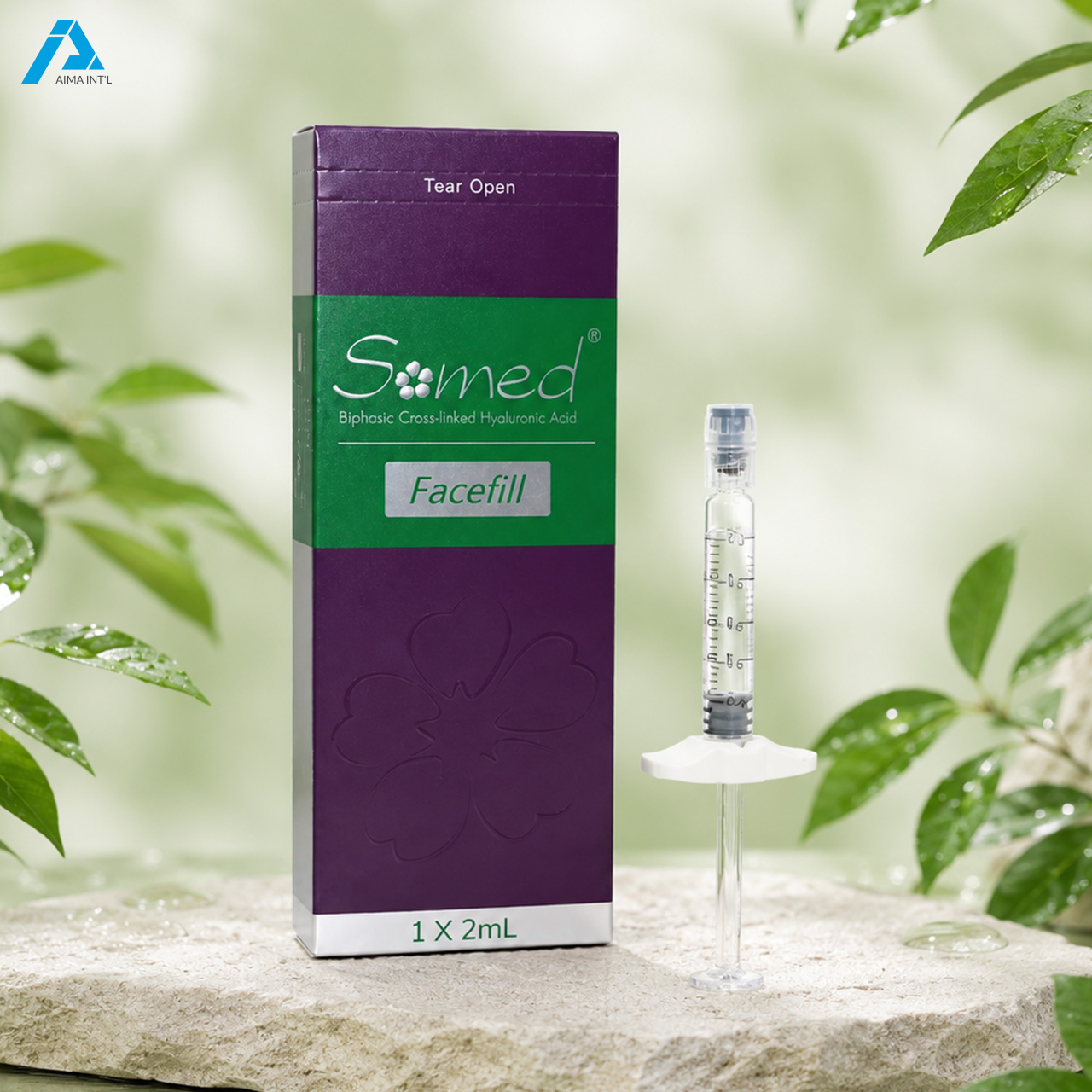
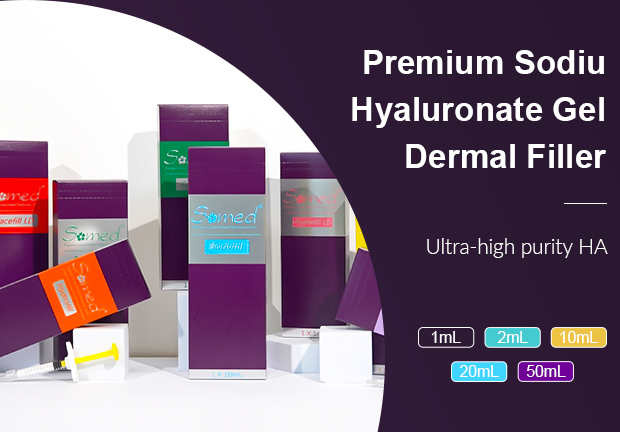
After 20 years of refining NASHA processing protocols, paired with our proprietary HICE cross-linking purification technology that cuts residual cross-linker levels without weakening gel structure, our core facial filler offering Facefill is formulated to address the most common requests from clinics and brands across 60+ countries. 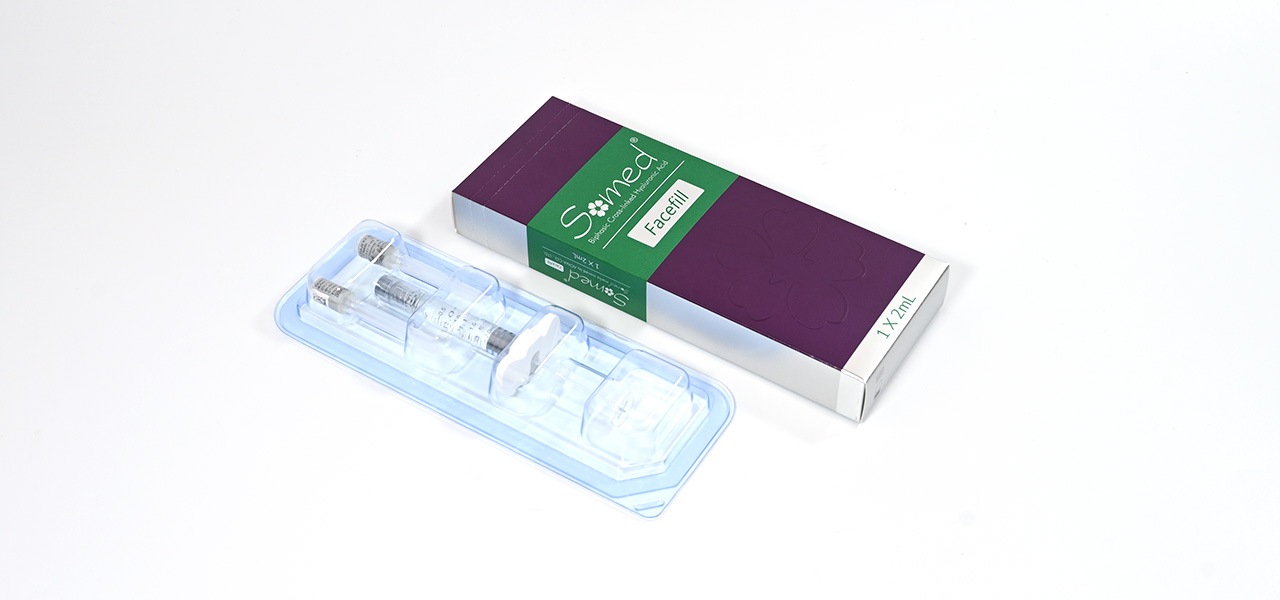
AIMA International Group Co., Ltd. has operated as a dedicated medical aesthetic product manufacturer since 2003, earning a spot among the Top 10 Dermal Filler Manufacturers globally for our consistent product quality and flexible partner support. 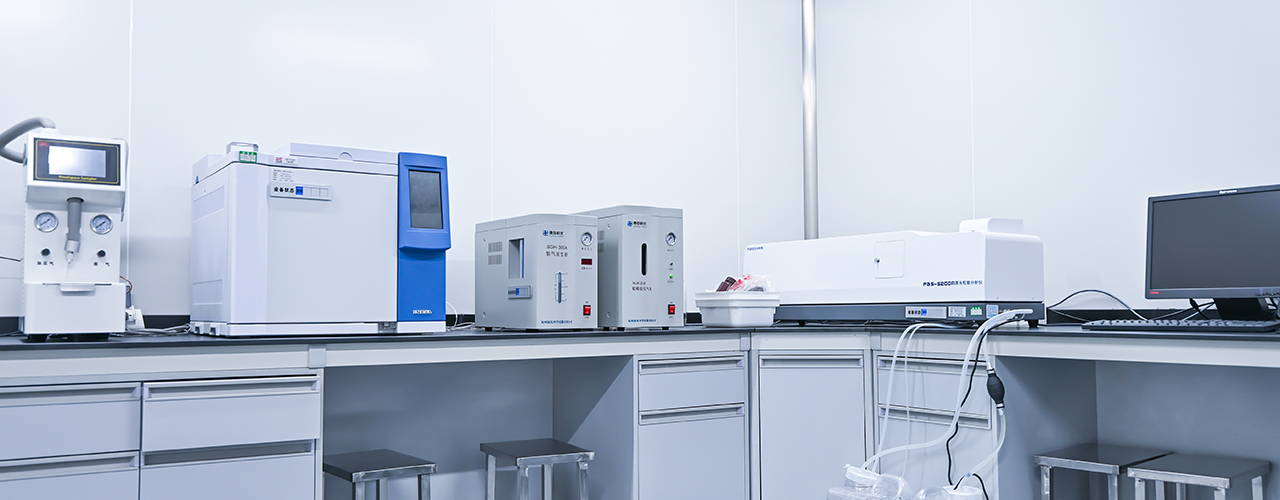
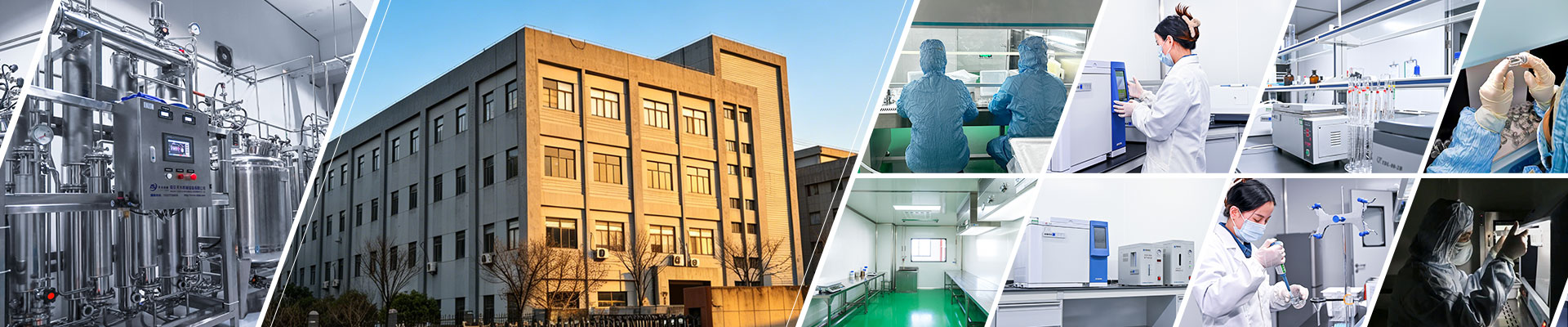
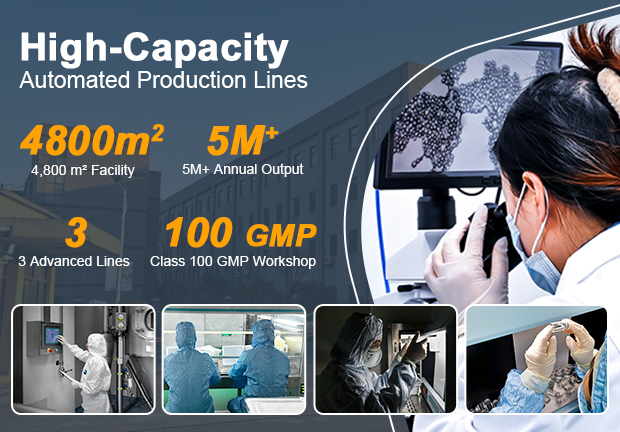
Our 4,800 square meter production facility runs Class 100 GMP clean rooms across 3 dedicated production lines, with strict environmental controls to prevent particulate contamination during filler filling and packaging. All production follows ISO 13485 quality management system standards and Class III medical device manufacturing specifications, with every batch tracked from raw material intake to final delivery for full traceability.
Our current production capacity hits 5 million units annually, with a monthly output of up to 50,000 units to support both small startup brands and large global distributors. Our medical aesthetics wholesale program for ready-to-ship NASHA fillers offers tiered pricing for clinics and distributors that do not require private label customization, with the same quality guarantees and compliance support provided to our OEM/ODM partners. We hold full EU CE certification for our filler lines, plus US FDA VCRP registration, to support smooth customs clearance for partners shipping to North America, Europe, the Middle East, and Southeast Asia.
Unlike many manufacturers that force partners into rigid, high-volume order requirements, we built our service model to support brands at every stage of growth. 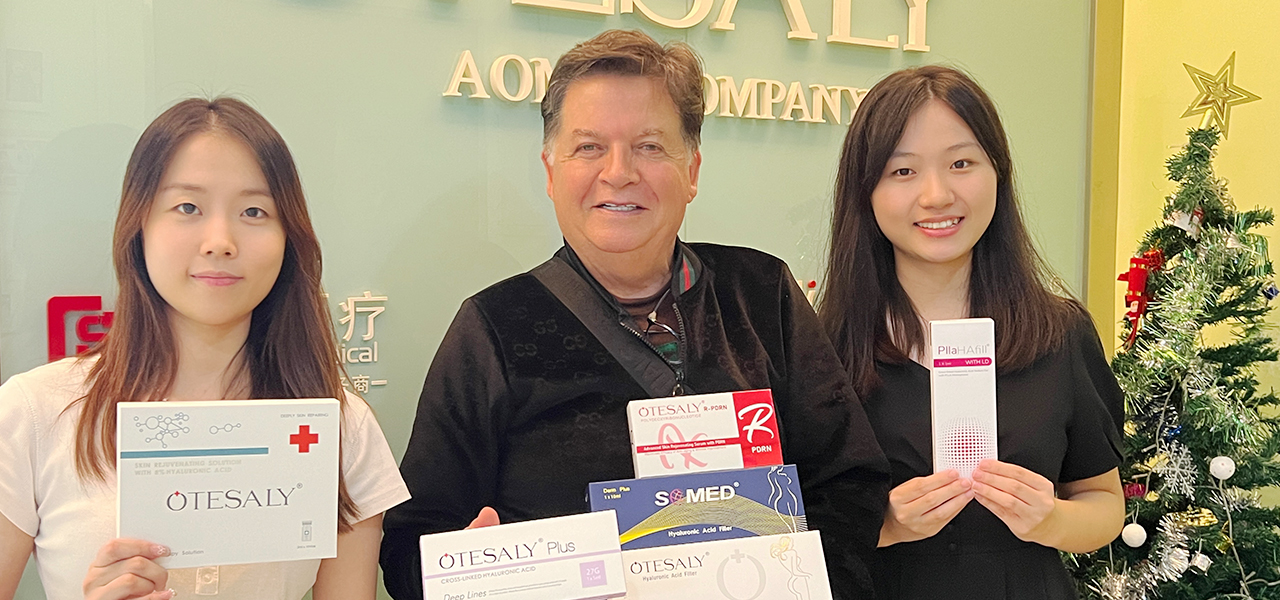
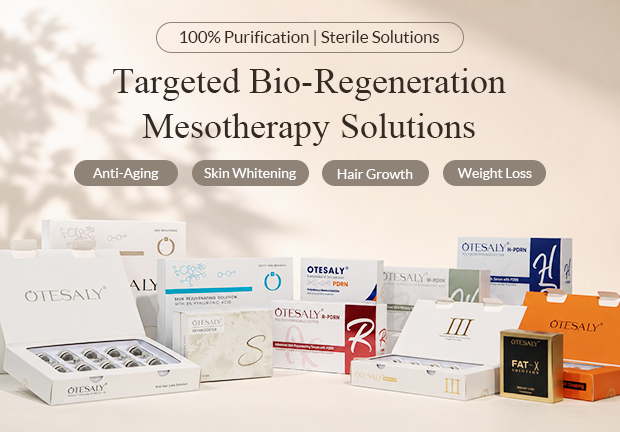
Remember the Thai clinic chain we mentioned earlier? We supported their launch with a no-MOQ initial order, letting them test 200 units of each of their three custom NASHA filler SKUs with their existing patient base before scaling to larger orders. Their line sold out in 6 weeks, and they now place regular monthly orders of 3,000 units per SKU, with two additional SKUs in development for hair rejuvenation and body contouring. The Polish brand that faced product quality issues with their previous supplier? We reformulated their entire filler line to match EU regulatory requirements, provided full compliance documentation for their product registration, and helped them rebuild their clinic network – they now hold a 7% market share of private label fillers in their home country.
The global dermal filler market is flooded with suppliers making unsubstantiated claims about NASHA technology, so it pays to do your due diligence before signing a production contract. Skip suppliers that refuse to provide third-party test reports for raw materials and finished products, or that cannot produce valid CE, FDA, or ISO 13485 certifications for their production lines. Ask for batch samples to test gel consistency, extrusion force, and clarity before committing to a large order, and request references from other brands in your region that have worked with the supplier.
We provide all of these materials to every potential partner, no non-disclosure agreement required for initial documentation requests. We also welcome in-person or virtual factory audits, so you can see our clean rooms, production lines, and quality testing labs for yourself before moving forward with a project. To date, we have provided custom NASHA filler and aesthetic product solutions for over 521 brands across 60+ countries, with a 92% partner retention rate over the last 10 years.
If you are looking to launch a private label NASHA filler line, source bulk wholesale fillers for your clinic network, or adjust an existing formula to improve patient results, you can reach out to our team directly for a free product consultation and custom quote. We send free sample packs to qualified partners, so you can test our Facefill and other NASHA-based products hands-on before making a sourcing decision.
Copyright @ 2026 AIMA International Group Co., Ltd.