
Welcome to visit AIMA International Group
 Spain
Spain

Your browser version is too low, in order to ensure a better browsing experience,Please click to update to a higher version browser.
Talk about it later.XWelcome to visit AIMA International Group
Spain


.jpg)
Home > News > Industry Trends > How to Start an Aesthetic Brand: The Ultimate Dermal Filler Buyer’s Guide (2026 Update)
Industry TrendsEver scrolled through Instagram or TikTok and seen a new aesthetic brand pop up with viral dermal filler results, and wondered how they got their start? You might picture a team of celebrity dermatologists and seven-figure startup budgets, but the reality of launching a successful filler line is far more accessible—if you skip the common pitfalls that sink 70% of new aesthetic brands in their first 18 months. We’ve all seen the viral horror stories of botched filler jobs: lumpy lips, migrated product, inflammatory reactions that land clients in urgent care. Most of these incidents trace back not to bad injection technique, but to brand owners cutting corners on product sourcing, picking the wrong formulas for their audience, or partnering with unvetted suppliers that cut every possible corner to offer rock-bottom prices. This guide walks through every step of building a dermal filler-focused aesthetic brand, from initial positioning to sourcing, without the fluff and generic advice you’ll find on generic business blogs.
Most new brand owners make the same first mistake. They pull up a supplier directory, shoot off a message asking “how much for 100 units of filler?”, and pick the cheapest quote they get, with zero thought to who their brand serves or what makes their products different from the hundreds of other filler lines on the market.
Take Lila, an independent board-certified aesthetic nurse based in Miami who reached out to the supplierfiller.com team in 2022. She was coming off a $78,000 settlement with three clients who experienced adverse reactions to filler she’d sourced from a random trade show vendor. Lila had built her 3-year client base around soft, natural-looking lip enhancement for first-time filler clients, but the cheap filler she purchased was a high-crosslink, firm formula designed for jawline contouring. The gel was too thick for delicate lip tissue, causing hard nodules and delayed inflammatory responses that took months to resolve. Negative TikTok videos about the experience dropped her booking rate by 60% in six weeks. Her mistake? She never aligned her product selection with her core brand promise of gentle, natural results.
Before you send a single supplier inquiry, lock in answers to three core questions to guide every sourcing decision:
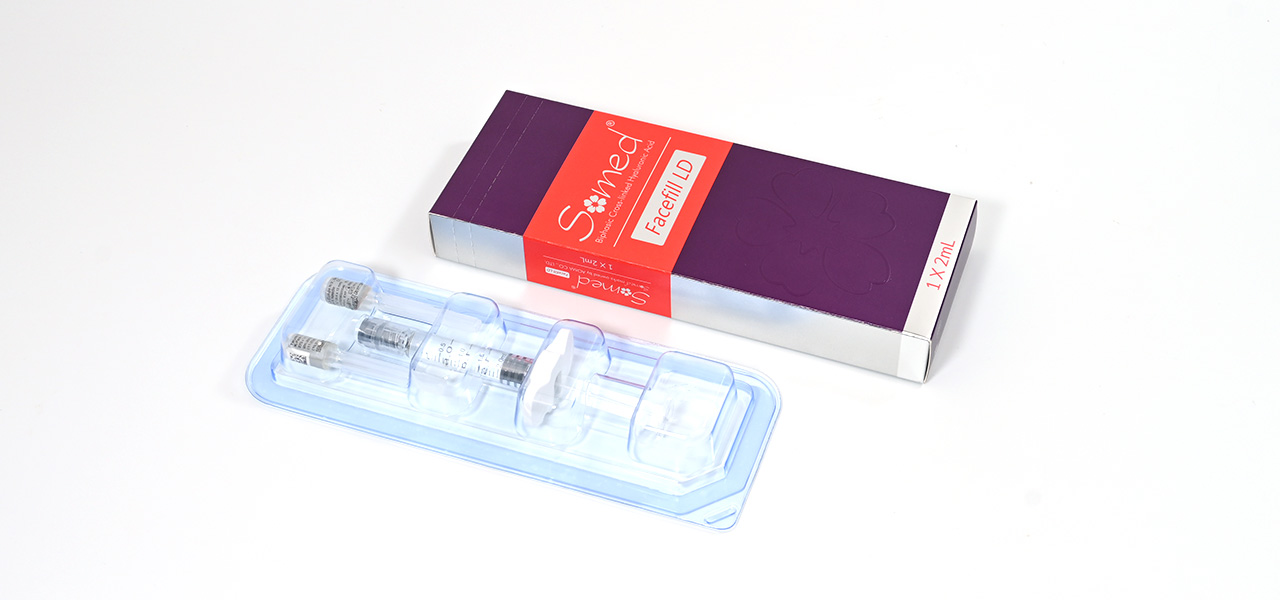
Data from the 2024 Global Aesthetics Survey shows 38% of first-time filler clients abandon treatment plans entirely due to fear of injection pain. For brands targeting this fast-growing, underserved segment of new clients, Facefill Lidocaine, available for wholesale and private label via supplierfiller.com, checks every box. Formulated with 0.3% evenly dispersed lidocaine blended into the hyaluronic acid (HA) gel matrix, it numbs injection sites within 60 seconds of placement, cutting reported client discomfort by 90% compared to non-lidocaine filler formulas. Built with two patented core production technologies—NASHA (Non-Animal Stabilized Hyaluronic Acid) and HICE (High-Concentration Isothermal Crosslinking)—the gel has a smooth, spreadable consistency that resists lumping and avoids the overfilled “pillow face” look so many clients actively avoid. Clinical testing shows it delivers 8-12 months of natural volume in the lips, nasolabial folds, and mid-cheek, with post-treatment swelling rates 42% lower than generic unbranded fillers on the market.
A quick scroll through any B2B wholesale platform will turn up dozens of dermal filler suppliers with prices ranging from $2 per unit to $50 per unit. The gap in pricing is not just “brand markup”—it reflects massive differences in raw material quality, production safety, and regulatory compliance.
Krit, a Bangkok-based e-commerce founder who built a $400k annual topical skincare brand, learned this the hard way in 2023. He set out to launch a dermal filler line for local Thai clinics, and picked a supplier offering units at $3.50 each—40% below the average industry wholesale price. The supplier promised full OEM support and a 1000-unit MOQ, so Krit paid a 30% deposit and waited for his shipment. When the order arrived at Thai customs, agents seized the entire shipment for missing Class III medical device documentation. Independent lab testing later showed the filler used industrial-grade HA, with BDDE crosslinker residue levels 17 times higher than EU safety limits. Krit lost his $18,000 deposit, paid $42,000 in customs fines, and pushed his launch timeline back 8 months.
You can avoid this level of loss by checking four non-negotiable criteria for every supplier you consider:
This is the standard that AIMA International Group Co., Ltd.—the manufacturer behind supplierfiller.com—has operated at since its founding in 2003. Recognized as one of the global Top 10 Dermal Filler Manufacturers, the company runs a 4,800-square-meter modern production base with Class 100 GMP clean rooms and 3 dedicated production lines, reaching an annual output of 5 million units and monthly production capacity of 50,000 units. The in-house R&D team holds full patents for NASHA and HICE production technologies, sourcing all raw HA from CE GMP-certified suppliers that undergo regular, unannounced SGS third-party audits. All production follows ISO 13485 standards, meets Class III medical device production requirements, and holds full CE marking and FDA VCRP registration for global distribution. The team maintains a library of over 1,000 mature filler and aesthetic product formulas, ready for custom branding or formula adjustments.

Most established filler manufacturers set MOQs of 3,000 to 5,000 units per SKU. For a new brand launching 3 core SKUs, that translates to $50,000+ in upfront inventory costs before a single unit is sold. Many promising brands fold before they ever launch, crushed by inventory costs and cash flow gaps.
You might assume low MOQ means sacrificing product quality or support, but that tradeoff only exists with traditional, legacy manufacturers that cater exclusively to large, established brands. The team at AIMA built its cooperation model specifically to support new and growing aesthetic brands, with no MOQ pressure for startup founders. You can order small test batches of 50 or 100 units to test with your core audience, gather feedback, and refine your offering before scaling to larger orders, with no penalty for small order sizes. For larger brands scaling into new markets, the team offers tiered bulk discounts to keep profit margins healthy as order volumes grow. Lead times are fixed and transparent: sample orders ship in 3-5 working days, bulk orders are completed in 15-20 days, with expedited production options available for time-sensitive launch dates.
You do not need an in-house design or R&D team to launch a polished, professional filler line, either. The AIMA team supports brand partners across every step of the launch process, from initial brand positioning guidance, custom logo design, and branded packaging creation, to targeted formula adjustments for specific treatment areas. Want a softer, low-crosslink gel for delicate under-eye filling? A firmer, high-lift gel for jawline definition? A lidocaine-free formula for clients with anesthetic sensitivities? The R&D team can adjust existing mature formulas to match those needs, with no exorbitant custom development fees.
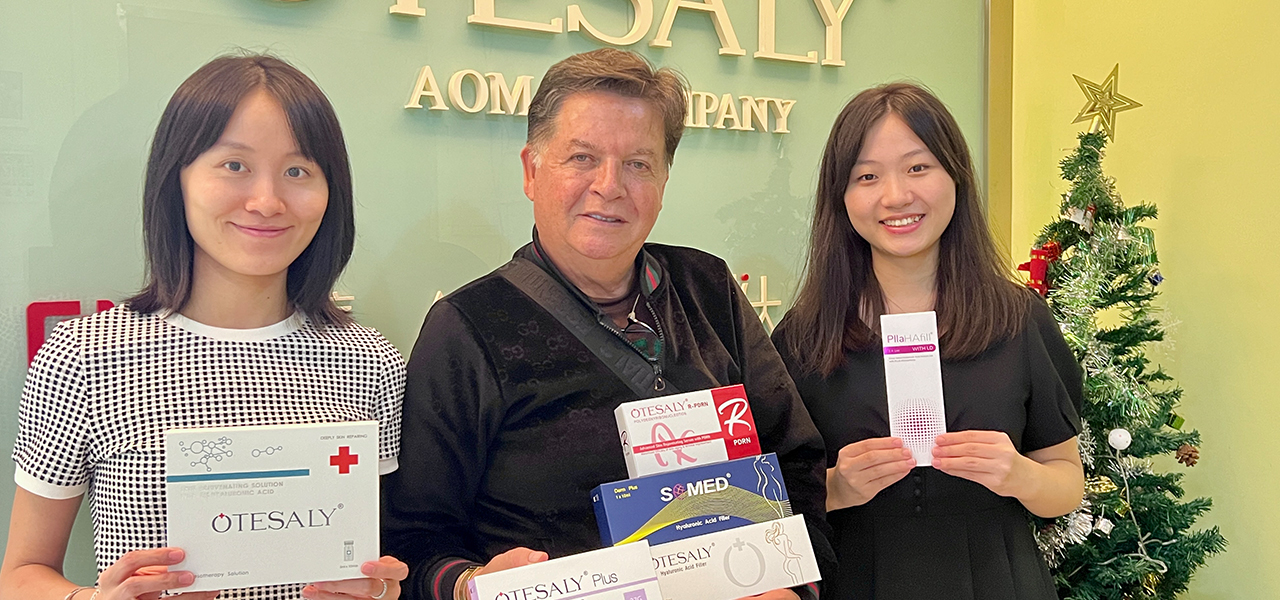
Across 20 years of operation, the team has delivered custom aesthetic brand solutions for 521+ brands across 62 countries. Lila, the Miami nurse, worked with the team to build her custom lip filler line using the Facefill Lidocaine base, adjusted to a softer gel consistency ideal for natural lip enhancement, with custom rose-gold packaging that matched her brand’s visual identity. She placed an initial order of 120 units to test with her existing client base, and within 12 months, her line was stocked in 17 medspas across Florida, with a 42% client repeat purchase rate. Krit, the Thai e-commerce founder, partnered with AIMA after his initial supplier loss, starting with a 150-unit test batch of facial and lip fillers while the team supported him with full documentation for Thai FDA registration. He hit $280,000 in sales in his first 6 months of launch, with zero reported adverse client reactions.
Many suppliers treat orders as one-off transactions. Once your payment clears, they stop responding to emails, refuse to send updated compliance documents for customs, and ignore requests to resolve batch quality issues. This leaves brand owners stranded when products get held at the border, or when clients report unexpected reactions to a bad batch.
All orders placed through supplierfiller.com’s medical aesthetics wholesale portal come with dedicated, long-term support for every partner, regardless of order size. Each brand is assigned a dedicated account manager available 6 days a week to answer questions about product specifications, compliance documentation for global markets, shipping coordination, and reorders. Every production batch comes with a full certificate of analysis (COA) for full traceability, so you can share safety data with clinics and clients to build trust. Internal quality records show batch defect rates sit at less than 0.2% across all product lines, and the team offers free replacements and covered shipping for any units that arrive damaged or fail quality checks, with no lengthy claim processes or hidden fees.
Do the math when you compare supplier quotes. High-purity medical HA, GMP production costs, sterile packaging, third-party testing, and compliance documentation all carry hard costs. Any supplier promising premium, safe filler for a fraction of the market average price is cutting corners somewhere, and those corners will cost you far more in refunds, legal fees, and reputational damage than you saved on the initial order.
Skip the overcomplicated 50-page business plans. You can launch a successful dermal filler brand by working through these simple, sequential steps:
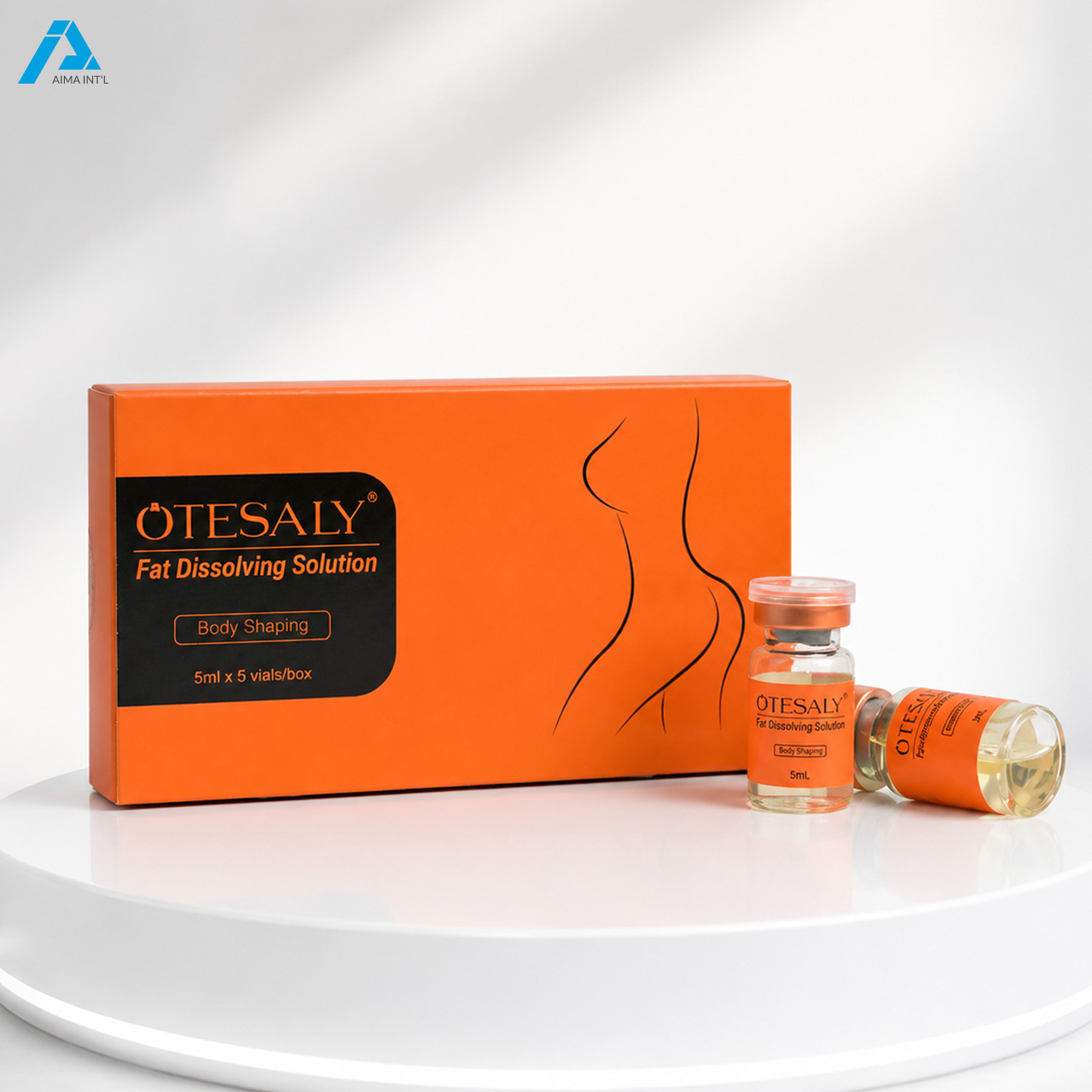
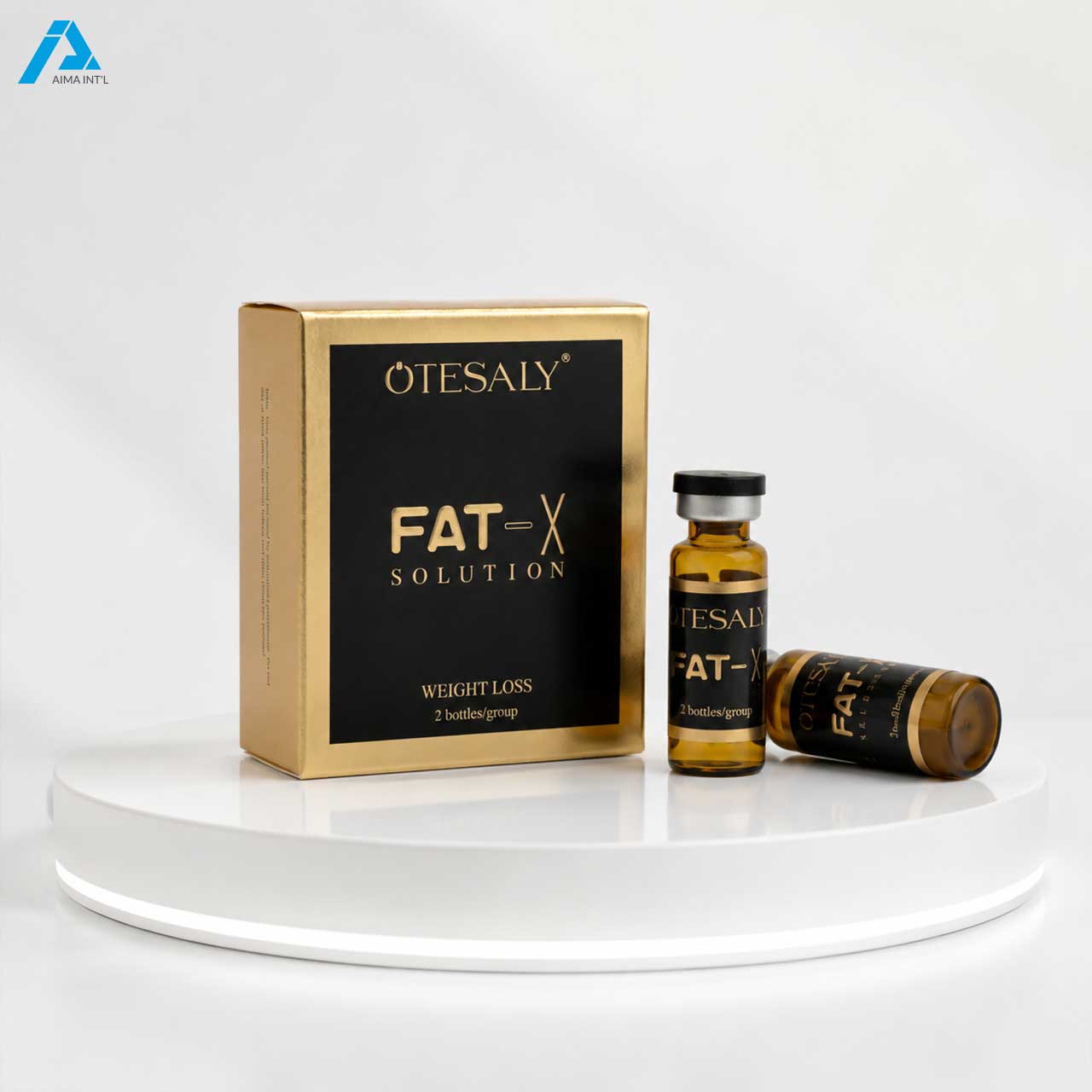
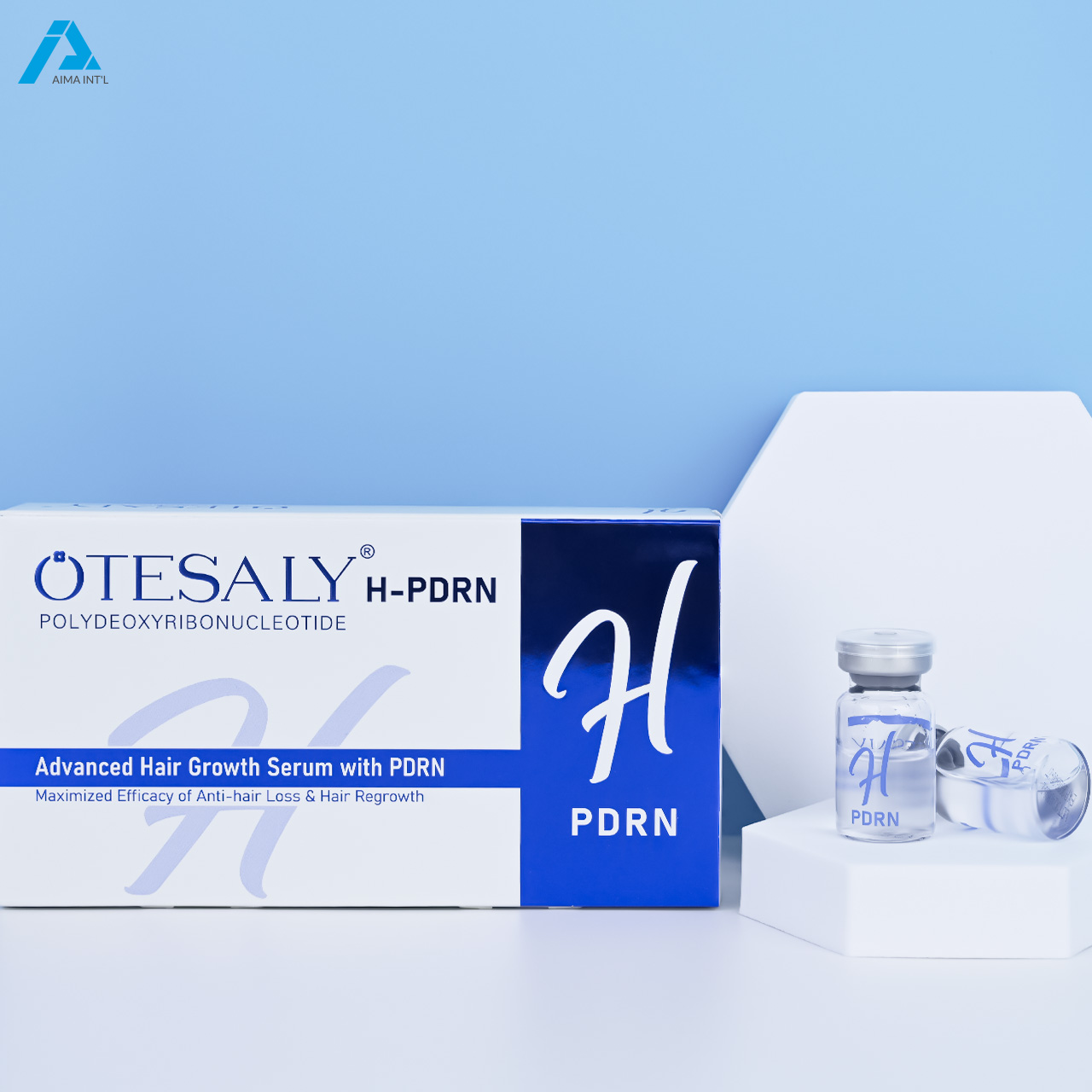
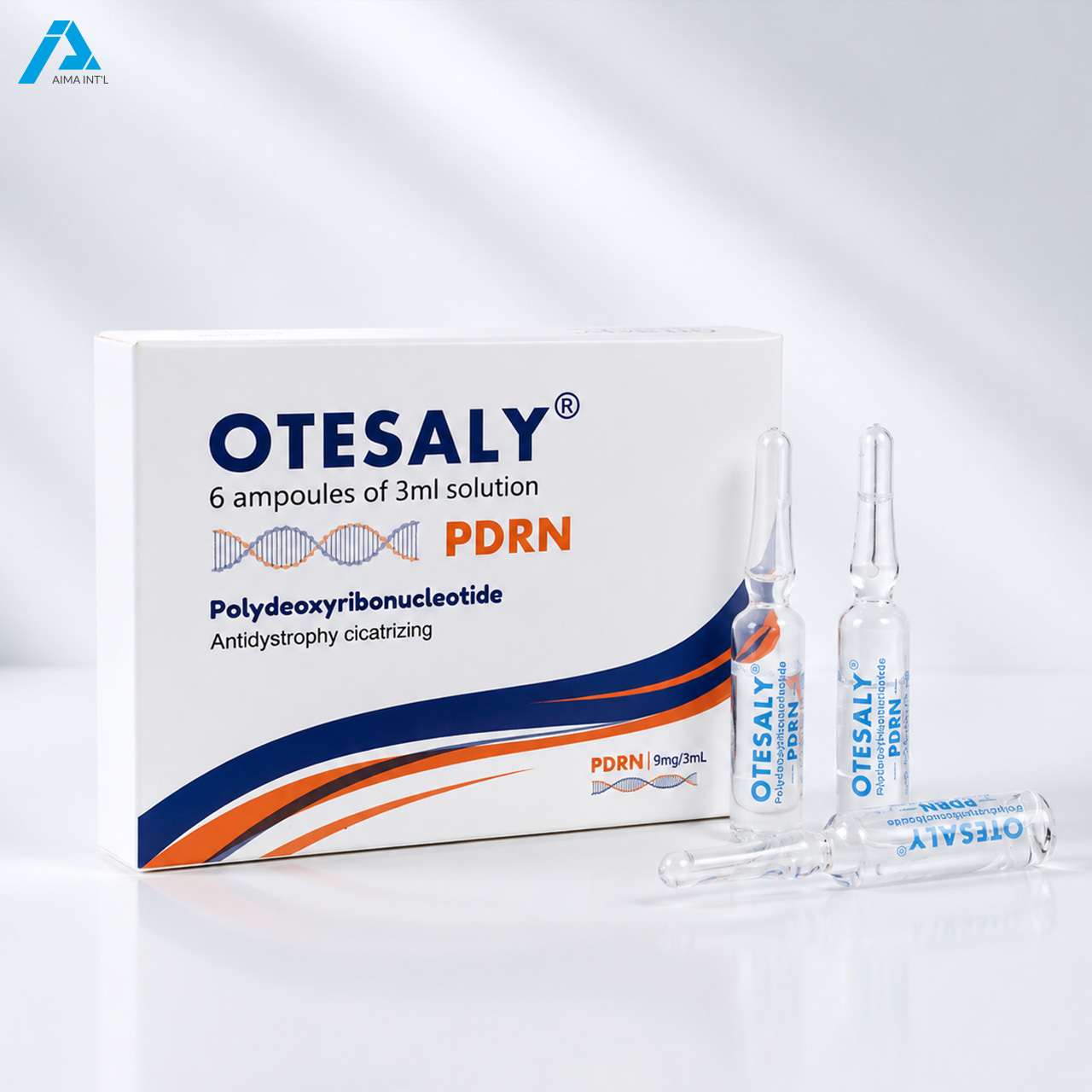
Launching an aesthetic brand built around dermal fillers does not require celebrity connections or a seven-figure startup budget. It requires intentional choices from day one: picking products that align with your brand promise, partnering with a transparent, compliant manufacturer that supports your growth, and skipping the short-term cost cuts that lead to long-term damage. You can browse the full range of private label dermal fillers, skin boosters, PDRN serums, and body contouring products available for custom branding at supplierfiller.com, and reach out to the team directly to request samples or a custom quote tailored to your brand’s needs.
Copyright @ 2026 AIMA International Group Co., Ltd.