
Welcome to visit AIMA International Group
 Spain
Spain

Your browser version is too low, in order to ensure a better browsing experience,Please click to update to a higher version browser.
Talk about it later.XWelcome to visit AIMA International Group
Spain



.jpg)
Home > News > Industry Trends > Face Contouring Injectables: Sourcing, Formulation, and Wholesale Solutions for Aesthetic Brands & Clinics
Industry TrendsLast year, we sat across from Marta, a founder of a boutique aesthetic brand based in Barcelona, at our office. She pulled out a stack of customer complaint forms and refund receipts, totaling nearly €70,000 in losses over 6 months. The issue? The face contouring injectables she sourced from a small, uncertified supplier had migrated under patients’ skin 3 months post-injection, leaving hard, lumpy bumps along the zygomatic arch that distorted facial movement when patients smiled. When she reached out to the supplier for safety documentation and support, they ghosted her, unable to produce a valid CE certificate or batch test report for the products.
Two months before that call, we heard a similar frustration from Karim, procurement director for an 8-clinic medical aesthetic chain in Dubai. He had been stocking household-name contour injectables for years, but wholesale markup left his clinics with less than 18% profit margin per treatment. He wanted to launch a private-label contour injectable line to build brand loyalty and boost margins, but every manufacturer he contacted required a minimum order quantity of 50,000 units — far more than the 500 units he needed to test market response. His private label launch sat on hold for 8 months.
These stories are not outliers. We talk to clinic owners, brand builders, and wholesale distributors every week who run into the same roadblocks when sourcing face contouring injectables: inconsistent product quality, missing compliance paperwork, inflexible order terms, long lead times, and zero post-purchase support. This guide breaks down exactly what you need to know to source high-performing, compliant contour injectables that keep patients happy and protect your business reputation.
Think a dermal filler is a dermal filler, regardless of formulation? Many new brand owners and even some junior injectors operate under that assumption, treating all HA-based injectables as interchangeable. They are not.
Face contouring injectables are specifically formulated for deep supraperiosteal (on top of the bone) injection to create structural support, rather than superficial soft-tissue filling. Think defining a sharp jawline, adding projection to the chin, lifting the brow bone, filling sunken temples, or creating a smooth, sculpted cheekbone line. For these use cases, soft, low-cohesion fillers designed for lips or under-eyes will simply not work — they spread under skin pressure, shift with facial movement, and dissolve too quickly to deliver long-lasting contour.
Three core metrics separate quality contour injectables from standard dermal fillers:
While CaHA and PLLA-based injectables are sometimes used for contouring, HA-based options remain the global market leader for one simple reason: they are fully reversible with hyaluronidase. If a patient is unhappy with their result, or a rare complication arises, the product can be dissolved within hours, drastically reducing risk for both clinics and patients.
Skip the marketing hype. When you evaluate a contour injectable for your clinic or brand, stick to these hard standards to avoid the kind of losses Marta faced:
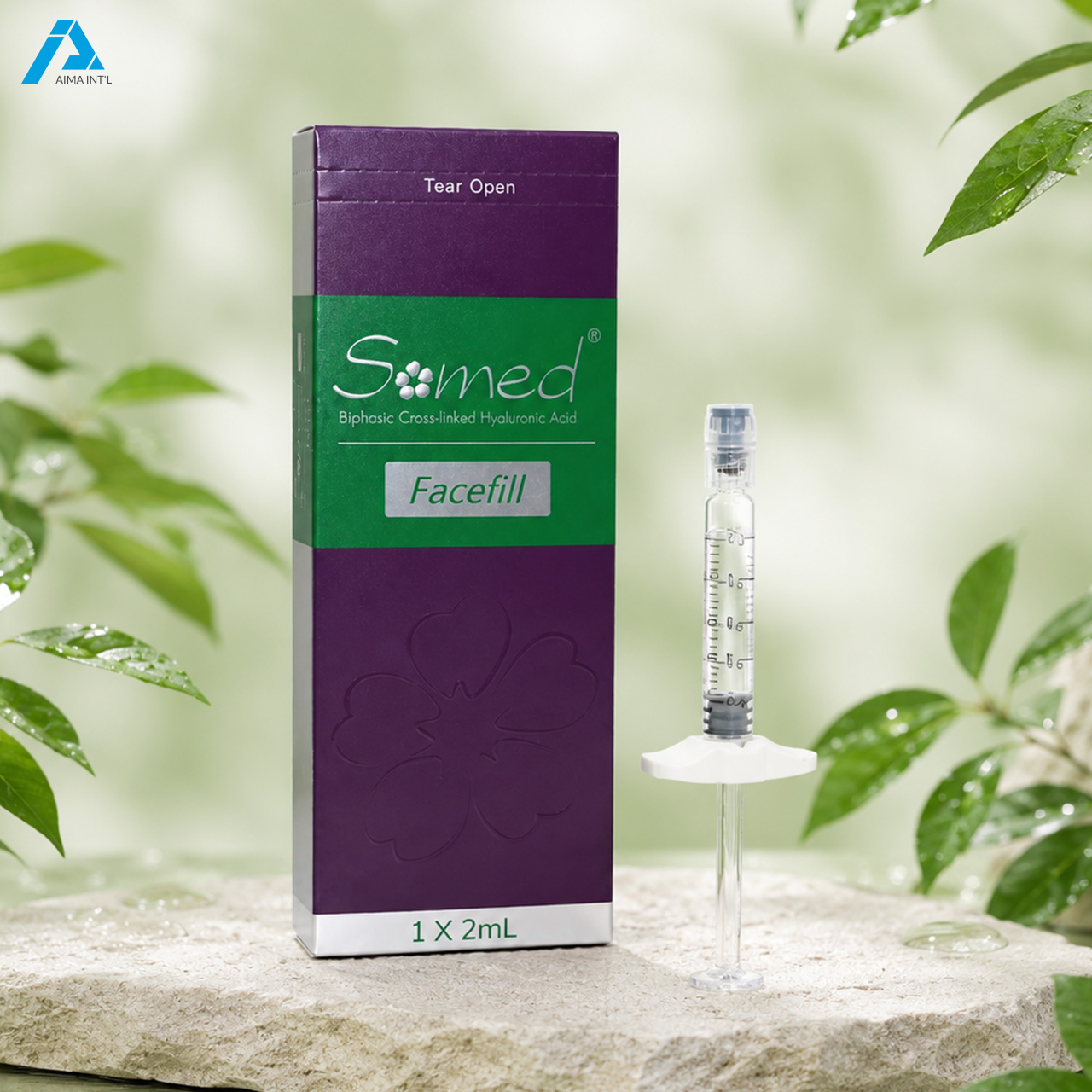
This is exactly why our Facefill line remains one of our top-selling products for contour-focused brands and clinics across 60+ countries. Formulated with 24mg/ml high-purity non-animal HA, produced with our proprietary NASHA crosslinking technology, Facefill hits the 280Pa G’ value sweet spot and 92% cohesivity rate ideal for all facial contouring procedures: jawline definition, chin projection, brow bone lift, temple volume restoration, and midface contouring. The uniform gel texture pushes smoothly through a 27G needle, reduces injection force for injectors, and integrates with native tissue within 2 weeks to feel completely natural, with no hard lumps or migration risk.
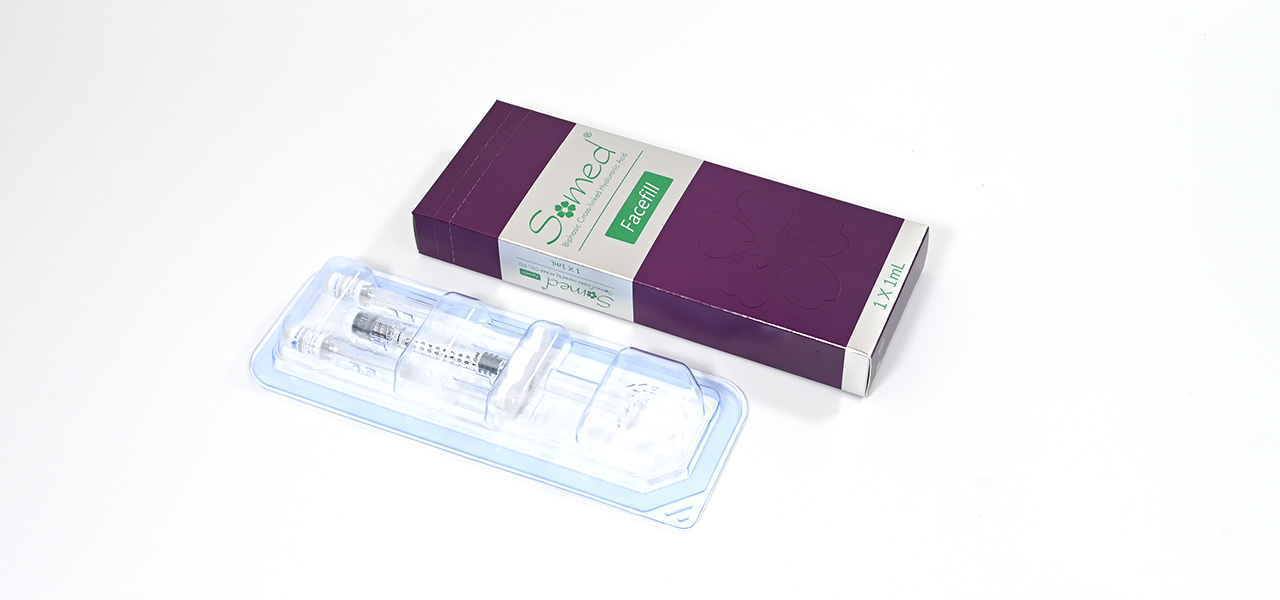
Every batch of Facefill is tested for BDDE crosslinker residue, with levels staying below 0.01ppm — 10 times lower than the EU regulatory limit of 0.1ppm. That means far less post-injection redness, swelling, and inflammatory reaction for patients, even those with sensitive skin.
A lot of new businesses start by sourcing injectables from trading companies, lured by flashy websites and low advertised prices. But those low prices almost always come with hidden costs: marked-up unit prices, no control over formulation or packaging, fake compliance paperwork, and zero accountability when something goes wrong.
When you work directly with an established manufacturer like AIMA International Group Co., Ltd., you cut out all the middleman markup and get full control over your product. We have operated as a dedicated medical aesthetic product manufacturer since 2003, earning a spot as one of the Top 10 Dermal Filler Manufacturers in the global industry. Our 4,800㎡ modern production base runs 3 dedicated production lines in Class 100 GMP clean rooms, with strict environmental monitoring for particle counts and microbial levels across every production shift.
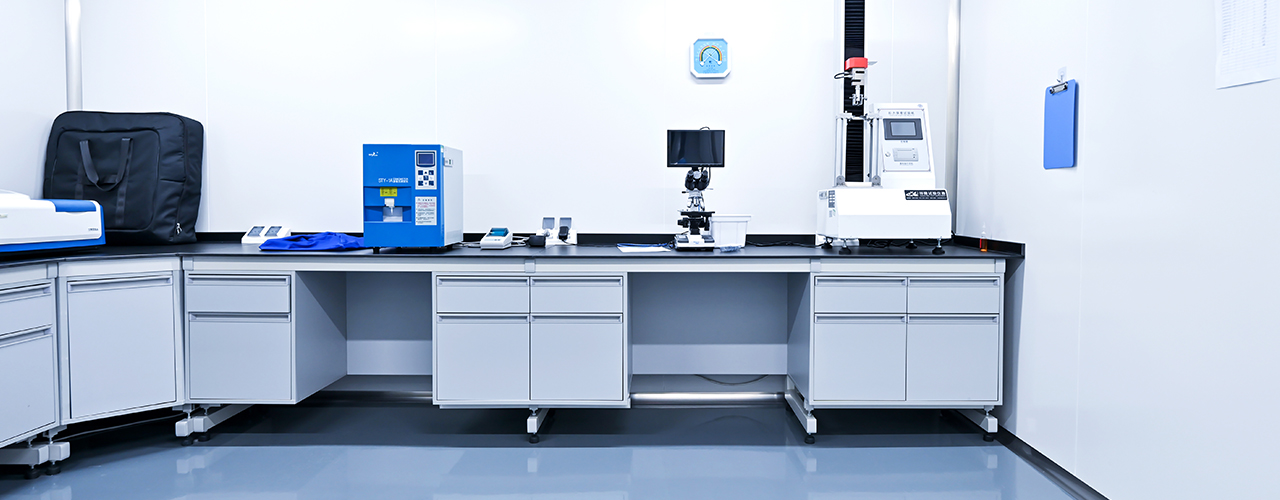
Our production capacity hits 5 million units annually, with 50,000 units of monthly output to support both small emerging brands and large global distributors. We don’t lock partners into rigid order requirements, either. We know how hard it is to launch a new brand, which is why we operate with a No MOQ Pressure model: new brands can place small test orders to validate market response, while large-scale partners access tiered bulk discounts to maximize margins.
Remember Karim, the Dubai clinic chain director? He first connected with our team at the Dubai Beauty Exhibition, where he tested Facefill sample injections on simulation models and reviewed our full compliance dossier on site.
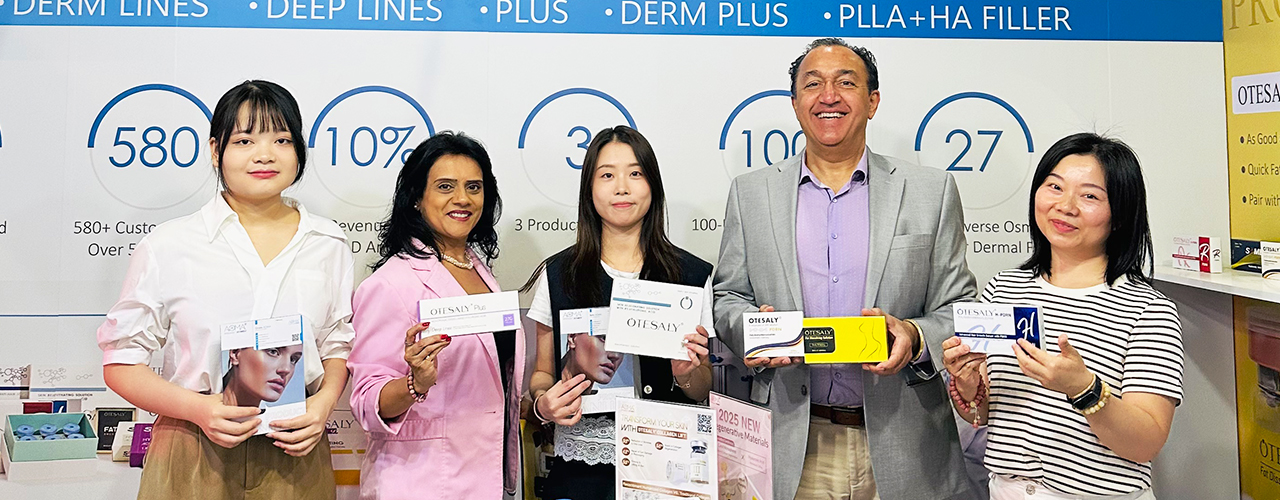
He placed an initial order for 600 units of private-label Facefill, with custom packaging printed with his clinic’s logo. His sample order arrived in 4 days, his full bulk order was delivered to his Dubai warehouse in 18 days, and he launched his private label contour treatment 2 months after our first meeting. Within 3 months of launch, he sold through his entire initial stock, with a 62% profit margin per treatment — more than 3x the margin he earned stocking big-name branded fillers. As for Marta? She switched to Facefill for her brand 10 months ago, worked with our R&D team to slightly adjust gel firmness to match the natural contour preference of Southern European patients, and now stocks her product in 32 clinics across Spain, with zero reports of migration or lumps in that time. Last quarter, her sales hit €1.2 million.
After 20 years in the industry, we see the same mistakes pop up again and again, even from experienced clinic owners. These myths can cost you patients, money, and your reputation:
We don’t just ship boxes of filler out of our warehouse. Our OEM/ODM service covers every step of launching or scaling your contour injectable line:
The global face contouring injectable market is projected to grow at an 8.9% CAGR through 2030, driven by rising consumer preference for natural, structural “bone-setting” contour over the overfilled, puffy pillow face look that dominated social media 5 years ago, plus fast-growing demand from male patients seeking stronger jawline and chin definition. But that growth is not going to every player in the space. The brands and clinics that win long-term will be the ones that prioritize safe, consistent, compliant products, and work with supply partners that show up for them after an order is paid.
If you are tired of overpaying for wholesale fillers, dealing with inconsistent quality, or getting locked out of private label opportunities by unreasonable MOQ requirements, you can request a sample of Facefill to test for yourself. Run it through your standard product evaluation: feel the gel texture, test push force through a needle, assess cohesivity by placing the gel in water, and compare its performance to the products you currently stock. You might be surprised how much margin and patient satisfaction you have been leaving on the table by working with middlemen.
Copyright @ 2026 AIMA International Group Co., Ltd.